What a tool balancer does on the shop floor
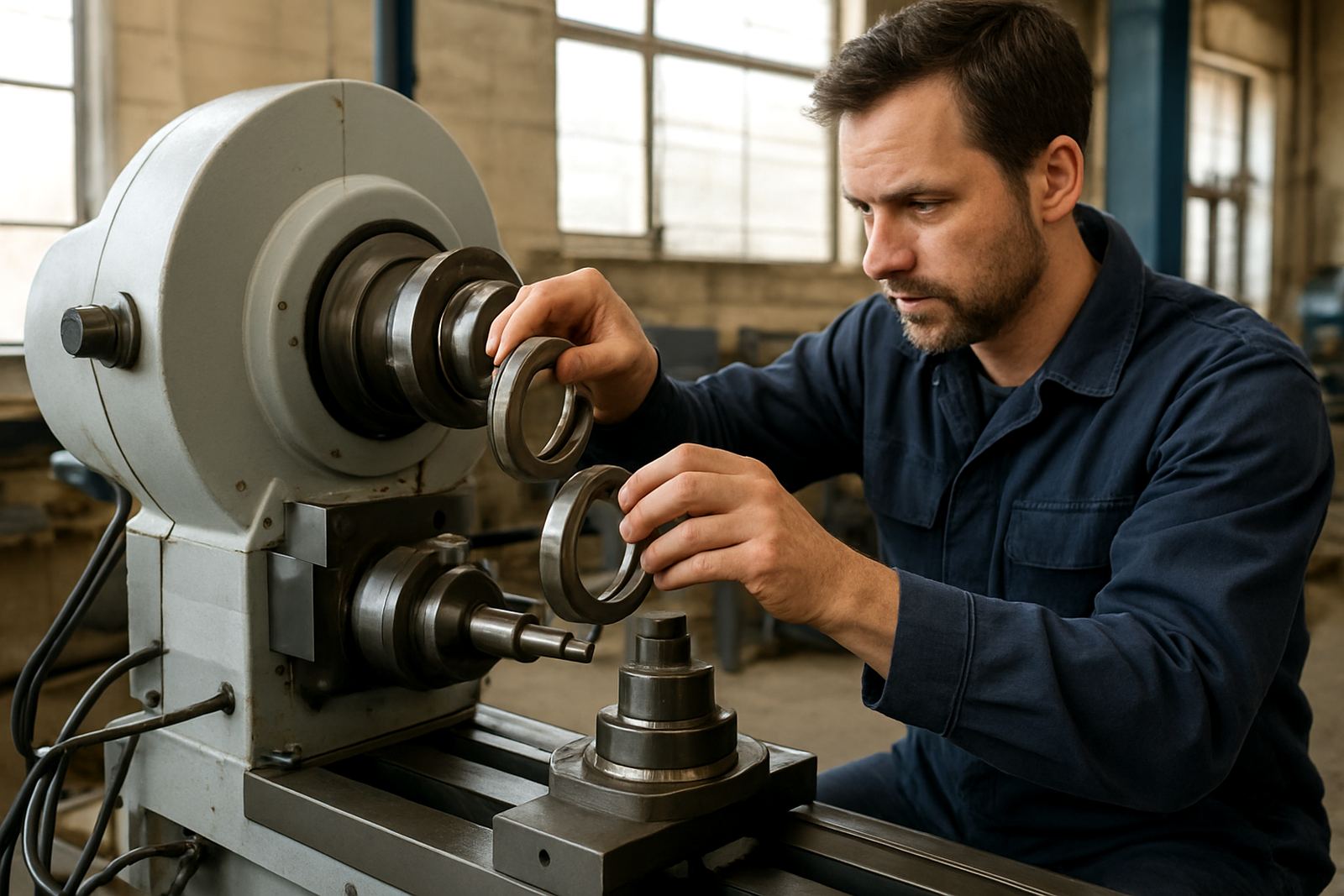
A tool balancer is used to measure and correct imbalance in tool holders, cutter assemblies, arbors, adapters and other rotating parts before they are run at speed. When an assembly is out of balance, the machine can vibrate, cut poorly, mark the workpiece, and put extra load on bearings and spindles. In a busy shop that runs hard materials, long reaches, or higher RPMs, that quickly becomes expensive.
In practical terms, the balancer helps you find where the heavy spot is and how much correction is needed. That can mean reducing scrap, improving surface finish, and keeping inserts and bearings in better condition. It also makes repeat work more consistent, which is useful when different operators are handling the same job across shifts.
For machine shops in Gqeberha, Kariega, Despatch and the wider Eastern Cape, this matters on production that runs through load-shedding recovery, weekend catch-up shifts, or mixed jobbing work where setups change often. It is a simple piece of control equipment, but it can save a lot of time when tool life and spindle condition are on the line.
Typical sizes, setups and balancing ranges
Tool balancing systems are usually selected by the weight and diameter of the assembly being measured. Smaller units suit compact holders and light cutters, while larger frames handle heavier rotating assemblies used on machining centres, grinders and specialised production equipment. The right model depends on the parts you run most often, not just the biggest one in the store room.
Common options include bench-mounted balancers for workshop use, precision measuring units for tool presetting areas, and systems set up for quick correction with clamp weights or screw adjustment. Some workshops prefer a unit that handles both tool holders and complete cutter assemblies, while others want a dedicated setup for high-speed tooling only. If your shop works on a mix of batches, a flexible platform usually makes more sense.
- Suitable for small to medium tool holders used on machining centres
- Works with rotating assemblies for higher speed cutting applications
- Can be used with clamp-on correction weights or adjustment screws
- Useful where repeated balancing is needed for the same cutter family
- Can sit in a tool room, preset area, or maintenance bay
When ordering, it helps to know the outside diameter of the part, its mass, the taper or interface type, and the speed range you expect to run. That information lets the right model be matched to your shop without over-specifying or under-sizing the unit.
Where it fits best in South African manufacturing
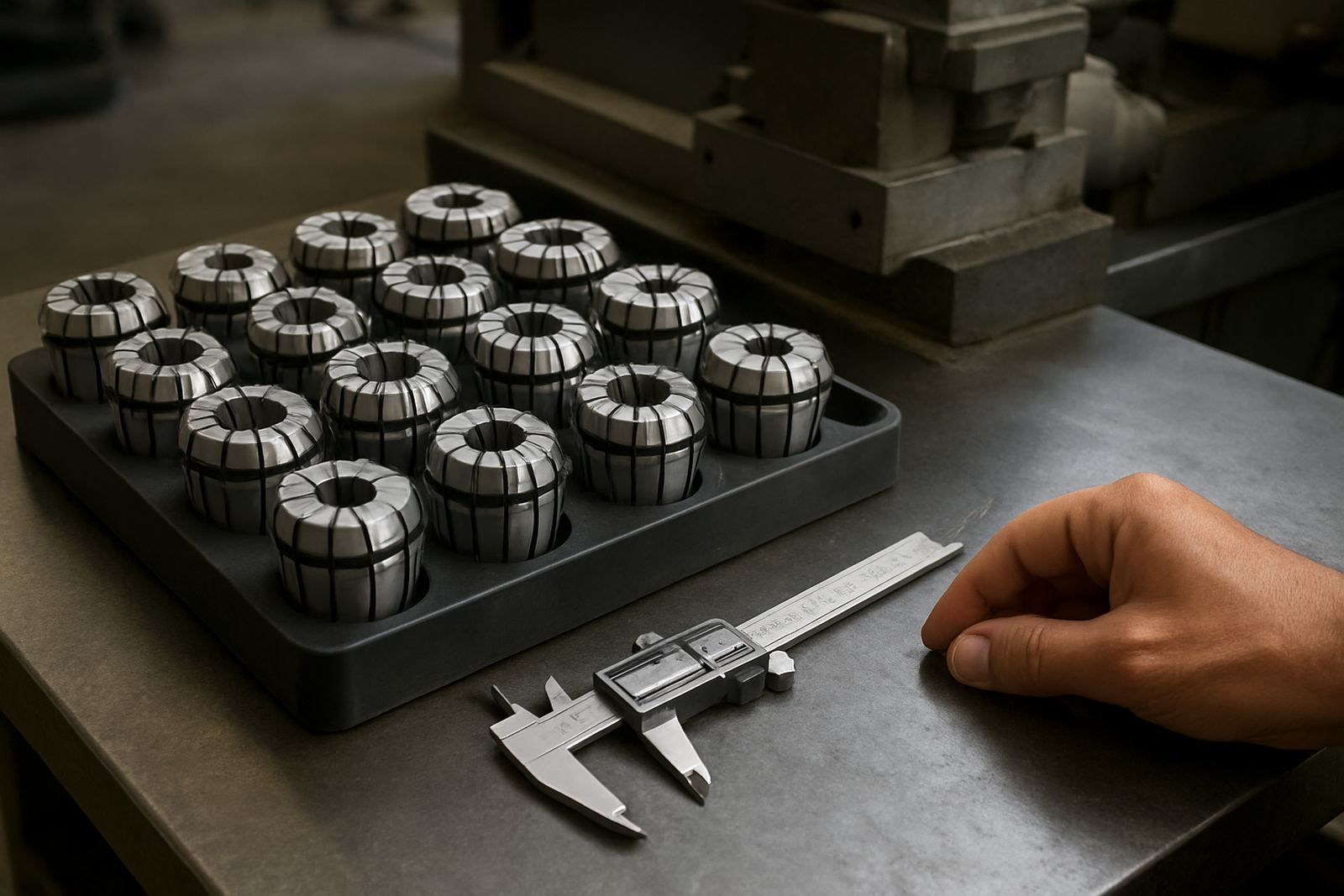
This equipment suits precision machining environments where holders, collets and rotating assemblies are used every day. It is a strong fit for toolrooms, CNC production cells, maintenance departments, and contract machine shops that work on components needing tight finish control. Shops making parts for automotive suppliers, general engineering, fabrication, plastics tooling and related industries often see the benefit quickly.
In coastal areas such as Gqeberha, corrosion and humidity can affect stored tooling if it is handled roughly or left dirty. A balancing setup works best where there is a proper cleaning routine and a controlled storage area. In hotter inland workshops, dust and fine swarf can also interfere with measuring accuracy, so a clean bench and basic housekeeping matter. If the shop is producing across multiple shifts, the unit should be placed where it can be accessed without slowing the rest of the line.
Tool balancing also pairs well with presetting and inspection work. If a holder has been cleaned, checked for runout, and balanced before going onto the machine, there is less risk of chasing a vibration problem at spindle speed later in the day.
Installation, power supply and workshop needs
Most tool balancers are straightforward to install, but they do need a stable, level surface and enough space for safe loading and measurement. A workshop floor that is uneven or full of vibration from nearby machines can affect results, so the unit should be placed on a solid bench or stand away from heavy traffic. Good lighting helps a lot when reading correction marks and checking small components.
Power needs depend on the exact unit, but many systems run from standard single-phase workshop supply. If the balancer includes electronic measurement, the supply should be stable and protected against interruptions. In South African conditions, especially where load-shedding or power dips are common, a surge protector or backup supply is worth considering. If compressed air is needed for related clamping or cleaning functions, the shop should confirm pressure and flow before installation.
- Level bench or rigid stand recommended
- Clean, dust-controlled area preferred
- Single-phase supply common on many units
- Surge protection advised where power supply is unstable
- Compressed air may be required for some workshop setups
For shops in Struandale, Markman, Coega or Port Elizabeth CBD, fitting the unit near the tool room often works best because it keeps the balancing task close to inspection and presetting. That saves walking time and reduces handling damage.
Care, servicing and accuracy checks
A balancing unit should be kept clean and checked regularly if you want reliable readings. Swarf, oil mist and coolant residue can affect clamps, spindles and measurement points. Wipe down the machine after use, keep moving parts lightly maintained, and store correction weights, screws and adapters in a proper labelled tray.
It is good practice to inspect the balancer for wear, verify the clamps, and confirm that measuring components are still in spec. If the unit is used daily, a routine check should be part of the maintenance plan, just like tool inspection or holder cleaning. A dirty or damaged interface can give false results and that leads to a bad correction on the actual tool. The same is true if operators rush the setup and do not seat the assembly properly.
Tooling can assist with holder cleaning, runout checks, presetting service and related support, so the balancing process sits inside a proper workshop routine instead of being treated as an afterthought. For machine shops serving coastal humidity or dusty industrial sites, that kind of discipline keeps the equipment useful for longer.
What to confirm before you order
Before ordering a tool balancer, check the exact type of holders and rotating assemblies you want to measure, plus the speeds and sizes you expect to run. The machine should suit the heaviest and longest parts in the workshop, not only the common ones. If you work with several taper types or cutter families, make sure the correct adapters can be supplied. It is also worth confirming how the unit will be used day to day, whether by a setter, a toolroom technician, or an applications person.
Useful details to have ready include the diameter range, maximum mass, mounting interface, power available at the site, and whether the unit will sit near a CNC cell or in a separate tool room. If you need collection and delivery in Gqeberha or surrounding industrial areas, that can be arranged to keep changeover time down. For nationwide machine shops, clear part details make the ordering process faster and cut down on wrong-fit equipment.
- Tool type and interface size
- Maximum diameter and mass
- Speed range required for your work
- Power supply available on site
- Whether adapters, weights or correction hardware are needed
- Location for setup and day-to-day use
When the right unit is matched to the job, balancing becomes a quick routine instead of a problem that appears only after a spindle starts complaining.
Key facts
| Product type | Tool balancer for rotating assemblies and high-speed holders |
|---|---|
| Use | Balancing and correction for precision cutting equipment |
| Typical setup | Bench-mounted or rigid stand installation |
| Power | Commonly single-phase workshop supply, model dependent |
| Working environment | Toolroom, presetting area, maintenance bay, CNC support room |
| Service support | Inspection, holder cleaning, runout checks and presetting support |