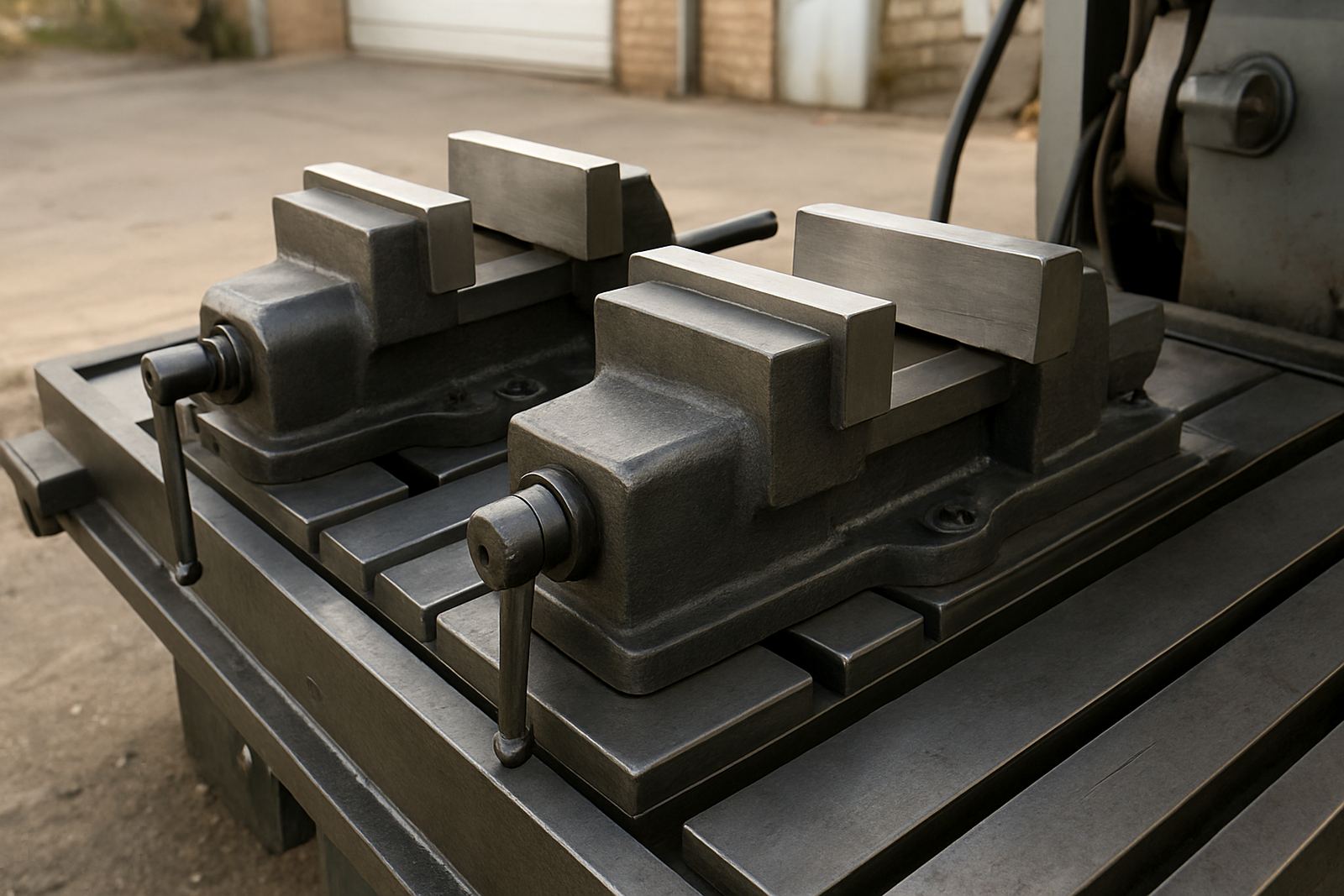
What a machine vise does on the shop floor
A machine vise is built to hold a workpiece firmly while you machine it, keeping the part square and steady during milling, slotting, drilling and light finishing. Compared with general purpose clamps, a proper machine vise gives better repeatability and less movement under cutting loads, which helps with tolerance control and surface finish.
In busy shops around Gqeberha, Kariega and Coega, that matters when you are running short batches, fixture work or repeat jobs. The right vise also saves time on setup because jaws stay aligned and the part sits where you expect it to. For a lot of operators, it is one of the first items checked before a job starts, because a loose hold can waste material fast.
Sizes, jaw widths and options to match your machine
Machine vises are usually selected by jaw width, opening, jaw height and overall body size. Common shop sizes suit compact benchtop mills through to larger VMC tables, with jaw widths and openings chosen according to the parts you machine most often. If your work changes from small inserts to heavier blocks, it is often better to choose a middle size with enough travel rather than a very small vise that feels cramped.
Options can include fixed or swivel bases, hardened jaws, soft jaws for custom holding, and single or double station setups. Some vises are made for quick change fixtures, while others are better for heavy everyday work. Ask for the clamping range, table slot compatibility and maximum workpiece height before ordering, because those three details usually decide whether the vise will fit your process properly.
- Jaw widths for different machine table sizes and part lengths
- Standard and wide opening options for varied workpiece sizes
- Fixed base or swivel base depending on setup style
- Soft jaws, hard jaws and replaceable jaw inserts where needed
Where machine vises suit best in local manufacturing
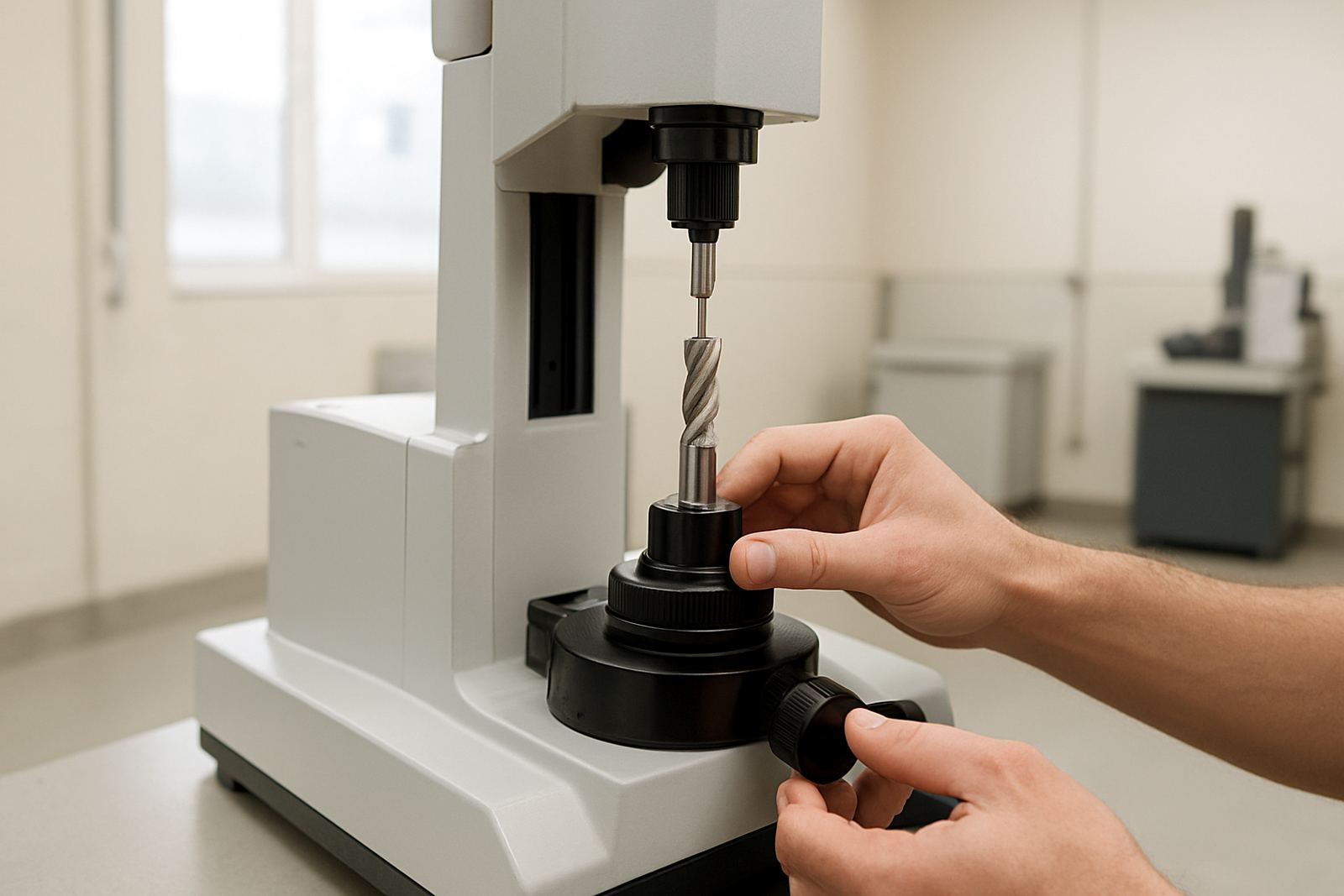
These vises suit CNC milling, jigging, repair work, prototype jobs and production parts where the piece must stay still under cutting pressure. They are used in machine shops, maintenance departments, fabrication bays and toolrooms that want cleaner setups and tighter control. In Struandale, Markman and Port Elizabeth CBD, they are often paired with presetting, runout checks and inspection routines to keep work moving.
Machine vises are also a good fit for shops dealing with coastal humidity, where clean contact surfaces and light corrosion control matter. If your facility experiences load-shedding, a solid vise helps you pick up work again after a stop without redoing the clamping every time. That can save a fair bit of time over a week, especially when operators are changing parts often.
Installing the vise and what it needs to work properly
Most machine vises bolt to the machine table through standard T-slots or a suitable fixture plate. Correct installation means checking table flatness, cleaning swarf from the mounting face, and aligning the vise so the jaws run true to the machine axes. If the base is not seated properly, the part can pull out of square and the error shows up right through the job.
Machine vises do not need power or gas. They are mechanical holding tools, so the main requirement is a suitable machine table and correct mounting hardware. If you are fitting a new vise into an existing setup, confirm the stud size, T-nut spacing and overall footprint before delivery. A quick check now avoids stuck setups later, especially if the machine is already committed to a production schedule.
- No electrical connection required
- No compressed air or gas supply needed
- Needs clean mounting surfaces and correct table hardware
- Should be aligned before first use and after heavy impact
Care, cleaning and servicing that keep clamping accurate
A machine vise lasts longer when swarf is cleared out after each shift and the moving parts are kept clean. Chips left in the screw, ways or jaw seats can cause binding and poor clamping, and then the operator starts forcing the handle which is never a good sign. In humid coastal conditions, a light protective film on exposed steel helps reduce surface rust.
Routine service can include holder cleaning, inspection of jaw faces, runout checks on related tooling, and replacement of worn inserts or damaged screws. If a vise starts clamping unevenly, if the jaw movement feels tight, or if the body is showing chatter marks from impact, it should be checked before it affects another batch. Tooling can support related maintenance and collection and delivery for shops in nearby areas, which helps when machines cannot sit idle for long.
- Brush out chips and wipe down after use
- Check jaw faces for damage or bell mouthing
- Keep the screw and guide ways lightly lubricated
- Inspect mounting bolts and alignment after heavy cuts
What to check before you place an order
When ordering a machine vise, start with the machine model, table size and the type of work you do most often. Then confirm jaw width, maximum opening, height, base style and whether you need soft jaws or special mounting. It also helps to know whether the job calls for fine precision or heavier clamping force, since that affects the style of vise you should choose.
It is worth sending part drawings or sample part sizes if the work is unusual. That makes it easier to match the vise to your process instead of trying to make a standard size fit everything. If you are setting up a new cell or replacing an older unit, ask about presetting, vise alignment and chuck jaw machining support at the same time, because the rest of the setup often matters just as much as the vise itself.
- Machine type and table dimensions
- Jaw width, opening and workpiece height
- Fixed base, swivel base or special fixture needs
- Soft jaws, hardened jaws or custom clamping faces
Key facts
| Product type | Precision machine vise for CNC mills and toolroom machines |
|---|---|
| Common sizes | Compact through to larger production sizes, selected by jaw width and opening |
| Mounting | T-slot or fixture plate mounting, depending on machine table |
| Material | Machined steel construction with hardened clamping surfaces |
| Power needs | None, manual mechanical clamping only |
| Typical use | Milling, drilling, setup work, short runs and repeat production |
| Service support | Inspection, alignment and maintenance support available |