What a rotary table does on the machine
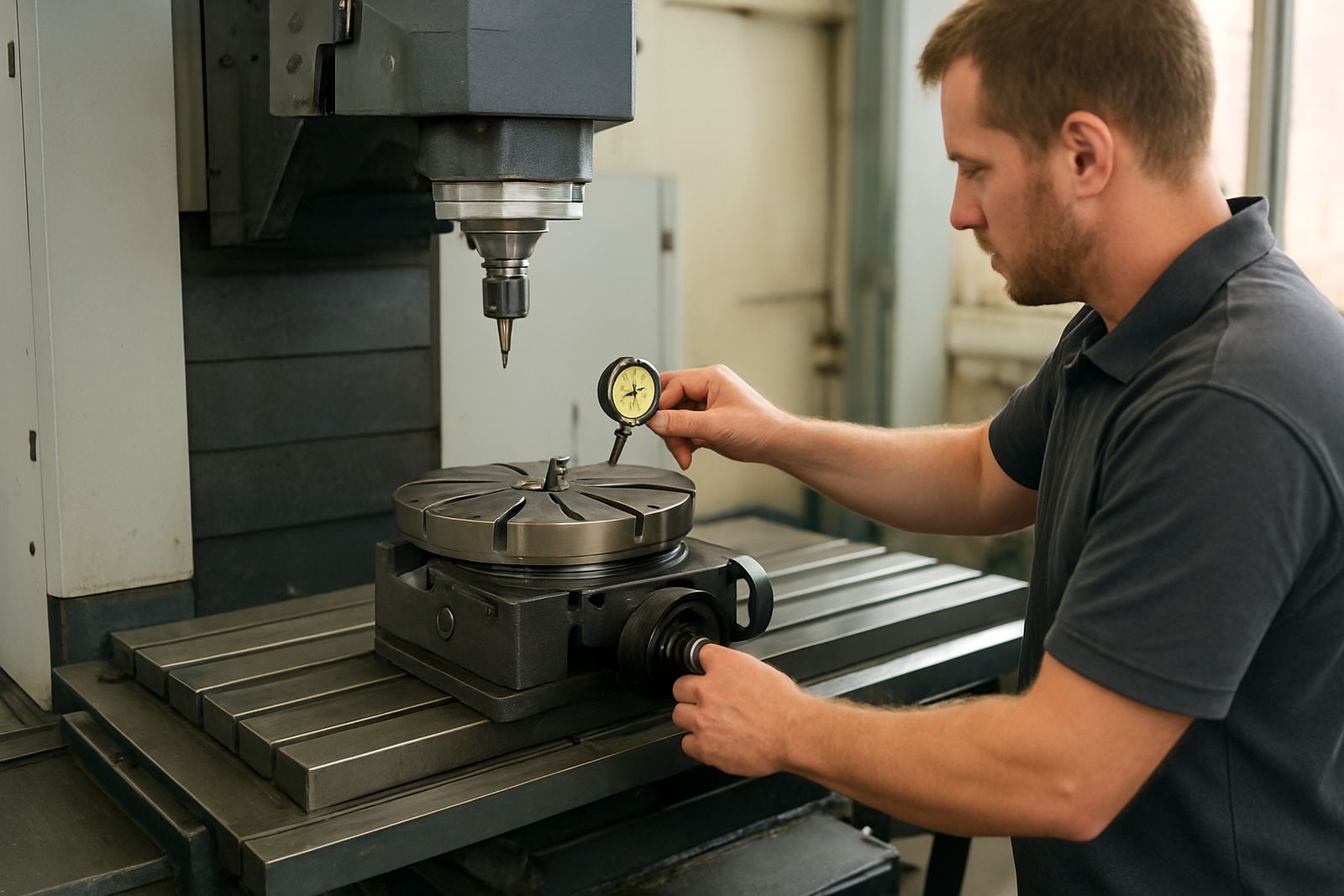
A rotary table adds controlled rotation to a milling or machining setup so you can cut evenly spaced features, machine holes on a pitch circle, or hold a part at repeatable angles. In simple terms, it turns a flat machine into something that can do positional work faster and with better consistency. That matters in job shops where one-off parts, short runs and repeat work all land on the same machine.
For many shops in Gqeberha, Kariega and Coega, the value is not only in the extra axis but in the time saved between setups. Instead of moving a component, marking it out again and again, the table gives a fixed reference. That helps with repeatability on brackets, flanges, jigs, die components and inspection fixtures. It also cuts down on errors when more than one operator works on the same job.
Rotary tables are used as manual indexing units, powered fourth axis systems, or as part of a more advanced machining arrangement. The right choice depends on the type of work you run, the spindle capacity of your machine, and how much control you need over angle, position and speed.
Table sizes, drive options and common specs
Rotary tables are supplied in different diameters and drive formats so they can suit light toolroom work or heavier production parts. Smaller units are useful where space is tight or the machine is mainly doing compact components. Larger tables carry bigger workpieces and offer more stable support when the part has more mass or an uneven load.
- Common table diameters: 150 mm, 200 mm, 250 mm, 300 mm and larger
- Mounting styles: horizontal use, vertical use, or adjustable tilt arrangements
- Drive types: manual indexing, stepper driven, servo driven or CNC-ready fourth axis units
- Typical features: worm gear drive, backlash adjustment, precision bearings and T-slot or plain face options
- Workholding support: chuck mounting, faceplate use, fixture plate fitting and tailstock support on longer parts
When checking the spec sheet, pay attention to centre height, table thickness, gear ratio, maximum speed and repeatability. If the machine is used for production parts, it is worth matching the table to the part weight and the type of cut. A heavy faceplate with poor load support will chatter, while a table that is too small will struggle with overhang and can throw off accuracy.
Where rotary tables fit best in local shops
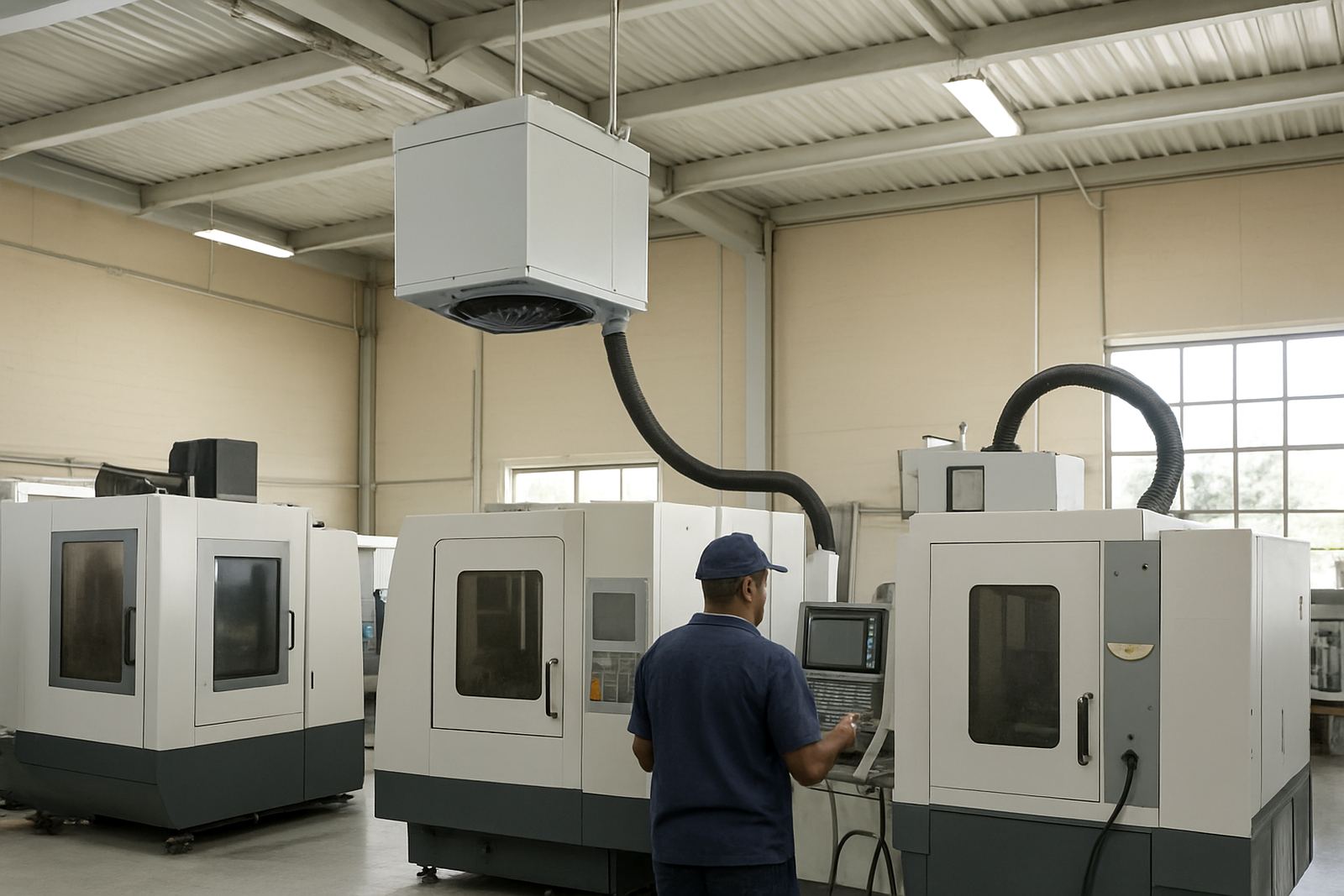
These tables suit machine shops that need accurate repetition on drilling patterns, gear-like spacing, curved slots or angled flats. They are also useful for inspection work where a component must be checked in exact positions. In Struandale and Markman, that often means maintenance teams, production houses and general engineering workshops that need one setup to do more than one operation.
Rotary tables work well for:
- milling equally spaced holes on flanges and plates
- machining bolt circles and radial features
- cutting flats on shafts or turned parts
- repeatable drilling and tapping at fixed angles
- fixture work, prototyping and small batch production
They are also a practical fit where labour has to be used carefully and machine time is expensive. If a shop in Despatch or the Port Elizabeth CBD is handling small batches with frequent changeovers, a rotary table can shorten the setup time enough to make the job worth running. On the coast, where humidity can affect bare steel, the table must be kept clean and lightly protected between jobs.
Installation, power supply and machine setup needs
Installation depends on whether the unit is manual or powered. Manual tables need correct levelling, secure clamping to the machine bed, and enough clearance for full rotation without striking the column or vice. Powered units need the right controller, motor interface and cabling, plus a stable power supply. On CNC work, the axis must be set up so the control system understands the table ratio and direction of travel.
In South African workshops, power quality matters. Load-shedding, voltage dips and surges can affect control electronics and motors, so a protected supply is worth planning for. If the table uses a separate drive box or controller, place it away from coolant splash and grinding dust. Compressed air is not usually needed for the table itself, but it may be useful for chip clearing or for nearby clamping systems. If the table is mounted near coolant lines, protect the seals and keep swarf from packing into the gear area.
Before first use, check table tramming, fixture clearance, handwheel direction and limit travel. A quick dry run at low speed can show up any binding or setup issue before the first cut, which saves a lot of trouble later on.
Care, cleaning and servicing that keeps accuracy intact
Rotary tables last longer when the face, gear train and bearings are kept clean. Chips can work into the moving parts and cause rough rotation or loss of repeatability. Wipe the table down after every shift, remove swarf from T-slots and check for coolant build-up around seals. If the unit is used in a busy production bay, do not leave heavy parts clamped on it for long periods if they are not needed.
- inspect for backlash and unusual resistance
- check clamping bolts and fixture plates for tightness
- clean the face and slots after each job
- keep a light protective film on exposed metal
- book periodic alignment and runout checks when accuracy starts drifting
Tooling can assist with holder cleaning, runout checks, inspection and related shop services that help keep machining equipment working properly. For shops near the coast, salt in the air can cause fine corrosion quicker than expected, so regular care is not optional. A rotary table that is cleaned and checked properly will keep its setting much better and reduce scrap.
What to check before ordering the right table
Ordering the wrong size or drive type usually costs more than waiting a day to confirm the details. Start with the machine model, the available mounting space and the largest part you expect to run. Then check the centre height, load capacity and whether you need horizontal only use or the option to mount vertically. If the job needs a chuck, faceplate or tailstock, make sure those accessories are included or can be fitted without machining extra parts.
Useful ordering checks include the table diameter, gear ratio, backlash tolerance, motor type if powered, controller compatibility and cable length. If the unit will be used on a CNC machine, confirm the axis setup and the input requirements. If the work is being done in a mixed workshop with manual and CNC machines, it helps to choose a unit that is practical for both sides of the floor. A bit of planning here avoids a unit that is too small, too slow or not stiff enough for the work.
For local buyers, it also helps to confirm delivery access to the workshop, especially in industrial areas with security gates, narrow roads or shared yards. Tooling serves machine shops nationwide from Struandale, with collection and delivery available in the local area when needed. That makes it easier to keep production moving when a table needs replacement, service or a second unit for a new job.
Key facts
| Product type | Manual and CNC-ready rotary tables for positional machining |
|---|---|
| Common sizes | 150 mm, 200 mm, 250 mm, 300 mm and larger |
| Typical use | Indexing, fourth axis work, drilling patterns, angle setting |
| Mounting | Horizontal, vertical, or tilt arrangements depending on model |
| Drive options | Manual, stepper driven, servo driven, or controller-based |
| Support services | Installation checks, runout checks, cleaning, alignment and servicing |