
Built for repeat turning work in South African shops
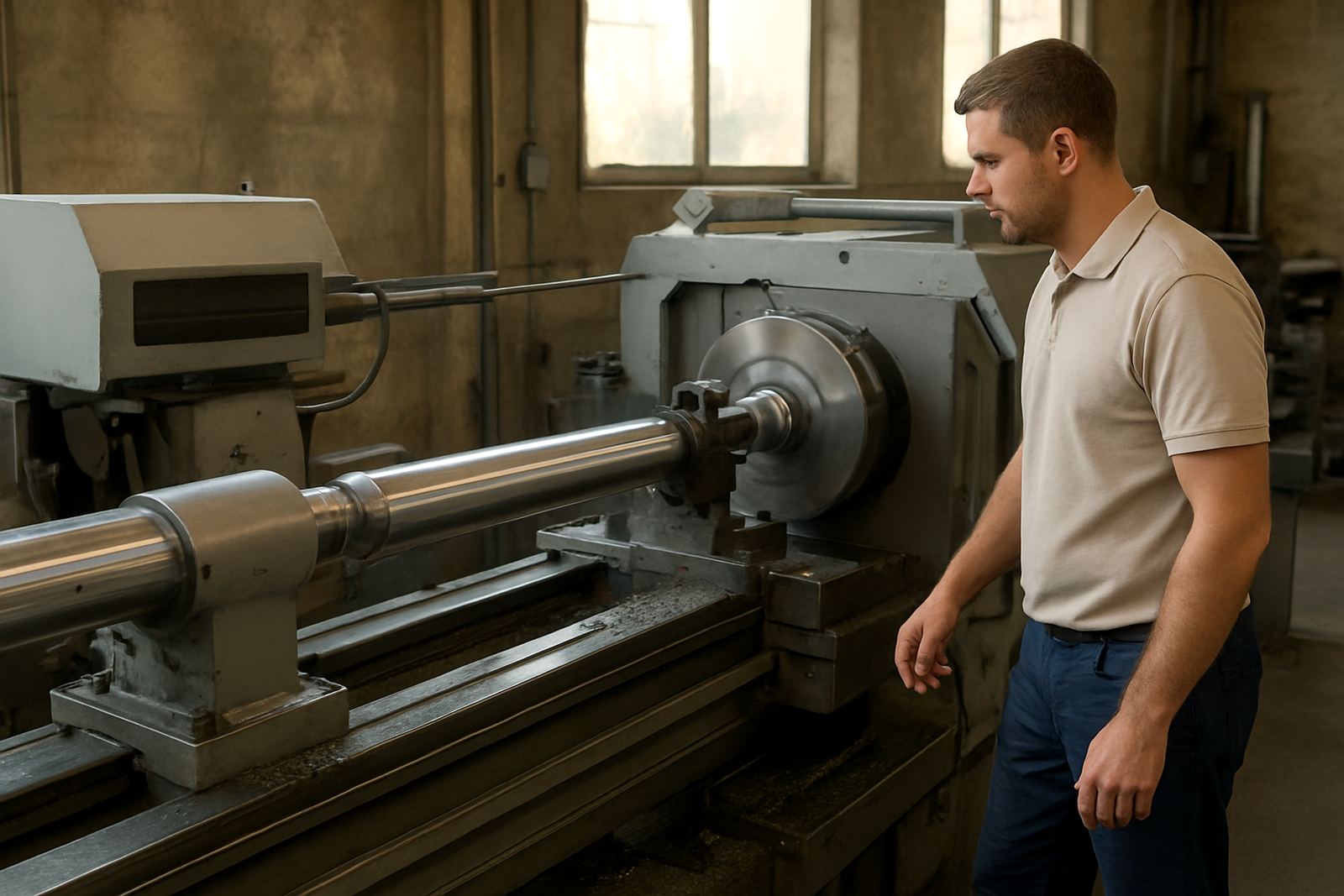
A CNC turning centre is a lathe with computer control for accurate, repeatable turning work. It is used for parts that need consistency from one job to the next, such as shafts, bushes, spacers, flanges, pulleys and threaded components. In a production setting, the machine holds tighter tolerances and keeps cycle times steady, which matters when you are running short batches for local industry or longer order runs for national customers.
For machine shops in Gqeberha, Kariega, Coega and Despatch, the main benefit is control. Once the programme is set and the tooling is correct, the machine can turn the same part day after day with less variation than manual work. That helps where customers expect clean finish, correct concentricity and parts that fit first time, especially on assemblies with bearings, seals or mating faces.
- Suitable for carbon steel, stainless steel, aluminium and engineering plastics
- Common on maintenance shops, subcontractors and high-volume production lines
- Useful where repeatability matters more than one-off hand fitting
Machine sizes, axis options and chuck choices
CNC turning centres are available in several sizes, from compact shop-floor machines for smaller components to larger units that handle longer shafts and heavier chuck work. The right choice depends on swing, turning length, spindle bore and the size of bar or billet you want to process. If you are working with raw material delivered in standard lengths, the spindle bore should be checked carefully so you do not create loading problems later.
Most shops look at the number of axes, tailstock support and turret capacity before anything else. A basic 2-axis machine suits straightforward turning and facing, while live tooling and driven stations open up milling, drilling and off-centre work in one setup. That can reduce handling, which is a big help when power interruptions or shift changes interrupt production and you need to pick up a job quickly.
- 2-axis turning centres for standard shaft and bush work
- Live tooling options for cross holes, grooves and light milling operations
- Bar feed or chucking setups depending on part length and quantity
- Hydraulic chuck options for faster clamping and better repeatability
Where a turning centre suits best
These machines suit workshops that make parts to a drawing and need the same result every time. They are common in general engineering, agricultural equipment repair, mining support, fabrication support, pump repairs and component supply. In coastal areas around Gqeberha, corrosion resistance and clean machine maintenance matter too, since humidity can affect tooling, slides and stored material if the shop is not managed properly.
A turning centre is also a strong fit where labour needs to be used carefully. One operator can monitor a programmed cycle while other work is prepared, checked or measured. For smaller businesses, that can improve throughput without taking up too much floor space. For larger plants, it helps with shift-based production and planned maintenance windows, which is useful when municipal power events or load-shedding plans interrupt the day.
- Best for repeat parts with tight diameter control
- Good for workshop floors with limited operator availability
- Works well where production needs to continue despite utility interruptions
Installation, power supply and workshop requirements
Before ordering, check the footprint, floor loading and access route into the building. A turning centre often needs forklift access, a level concrete slab and enough room for chip removal, coolant service and operator movement around the front of the machine. In Struandale and Markman, many shops already plan for heavy plant movement, but it is still worth measuring door heights, aisle widths and turning space for installation day.
Power requirements depend on the machine size and spindle load. Smaller units may run on standard three-phase supply, while larger machines need a stronger electrical feed and proper protection. Voltage stability is important in South Africa, so a qualified electrician should confirm the supply before commissioning. Some applications also need compressed air for chucking, chip clearing or pneumatic functions, so the air line pressure and dryer setup should be checked at the same time. No gas supply is normally needed for a turning centre.
- Confirm three-phase power availability and main breaker capacity
- Allow for levelling, chip extraction and coolant management
- Check compressed air supply if the machine uses pneumatic functions
- Plan installation around access for service staff and material handling
Keeping the machine accurate and productive
Good care starts with daily cleaning. Chips, swarf and coolant splash should be removed before they build up around the chuck, turret and slides. Tool holders and cutting inserts should be inspected for wear, and coolant concentration should be checked regularly so the machine does not run dry or leave poor finish. In humid coastal conditions, wiping exposed surfaces and protecting unused tooling is basic housekeeping that saves money later.
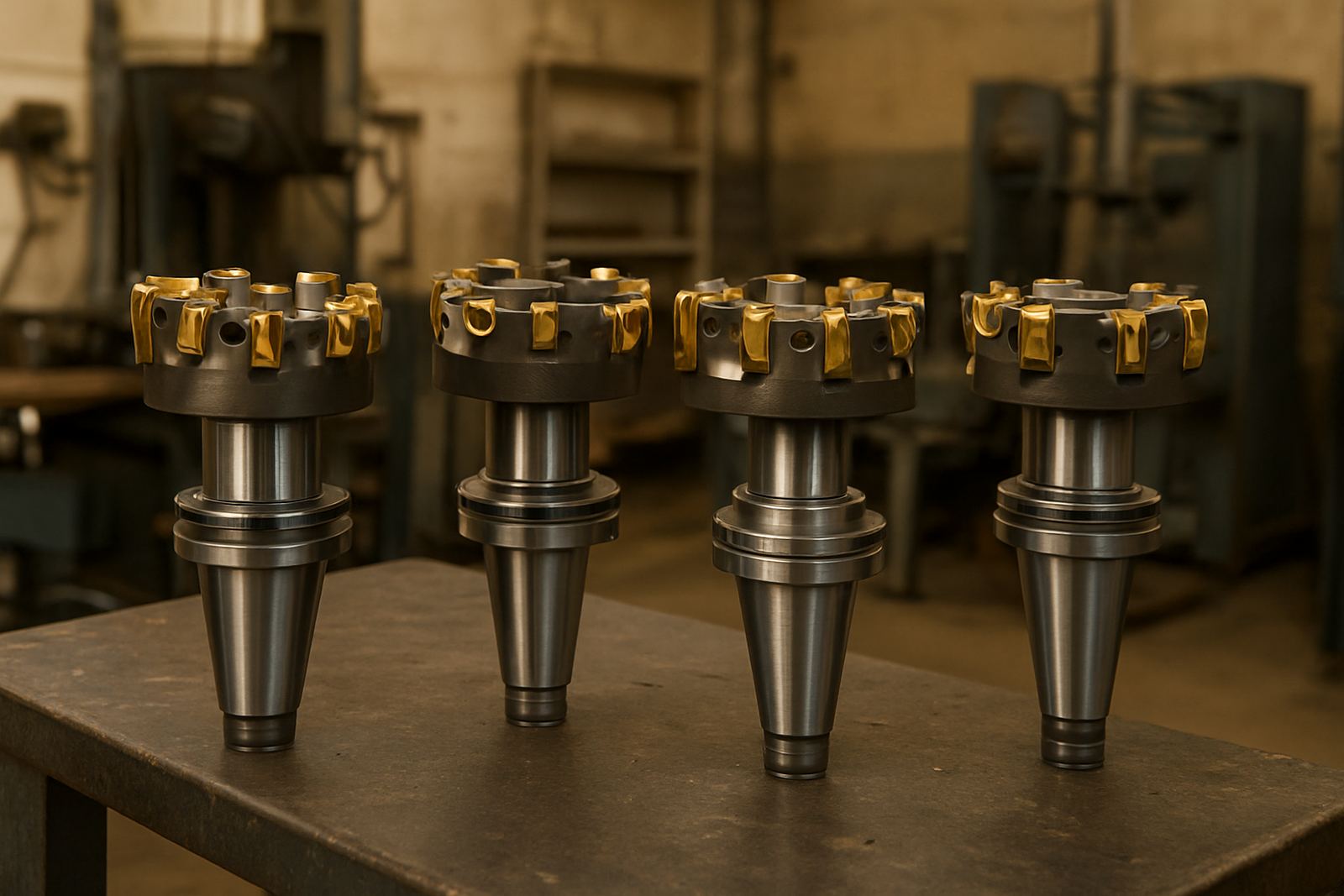
Tooling supports the upkeep side with practical workshop services such as tool inspection, holder cleaning, runout checks, presetting service and chuck jaw machining. If your machine is running out of tolerance or leaving poor finish, the issue may be simple wear, a dirty holder, or misalignment in the setup. The earlier that gets caught the better, because a small runout issue can grow into scrap parts before the shift is over.
- Check turret clamping, insert wear and coolant condition daily
- Measure runout on critical tooling and holders
- Keep slides, covers and chip paths clean for consistent movement
- Arrange scheduled servicing before a fault stops production
What to confirm when ordering a CNC turning centre
When buying a turning centre, the order should match the parts you actually make, not just the catalogue size. Start with the longest part, largest chucking diameter and heaviest material you expect to run. Then check spindle bore, bar capacity, turret stations, tailstock options and whether live tooling is needed. If you are making parts with multiple operations, it may be better to choose a slightly larger machine now instead of outgrowing it within a year.
You should also confirm the handling side. Will parts be loaded by hand, crane or forklift? Do you need a collection and delivery service for tooling or a setup visit for alignment and calibration? In many shops, the machine itself is only part of the answer, because the real gains come from correct setup, measurement and maintenance. Our team in Gqeberha works with buyers across Port Elizabeth CBD, Coega and Kariega, so we can help match the turning centre to the work and the shop floor. That practical fit saves time and keeps the machine earning.
- Part drawing, material type and tolerance band
- Maximum length, diameter and chucking requirement
- Power supply, air supply and floor space available
- Need for live tooling, bar feed, tailstock or coolant upgrades
Support from Struandale for shops nationwide
Tooling has served South African industry since 2008, from our base in Struandale, Gqeberha. Our team includes Morne van der Merwe, Ayanda Mhlabeni, Johan Bester, Zanele Nkomo, Ridwaan Jacobs and Nokulunga Dlamini, so customers can speak to sales, applications, service and support people who understand workshop pressures. That includes urgent spares, setup checks and practical guidance for repeat production work.
Whether you run a machine shop in Despatch, a production line in Coega or a subcontracting workshop anywhere in the country, the aim is the same: reliable turning performance with the right tooling and aftercare. For questions or an order enquiry, send a message through our contact form and ask for the CNC turning centre range.