
The brief from a busy subcontractor in Gqeberha
The client is a component subcontractor in Gqeberha, serving local production jobs with repeat milling and turning work. Their team was losing too much time at each changeover because holders were mixed, offsets varied from machine to machine, and vise positions depended on who set up the job that day. They needed a more repeatable system, not a bigger toolbox.
The main brief was to reduce setup time on a mix of CNC milling centres and manual prep stations, while keeping parts within tight tolerance on small batch work. The shop runs a varied load, so the solution had to suit quick swaps, day shift pressure and power interruptions without becoming difficult to maintain. Accuracy mattered, but so did practicality and a setup that the team would actually use.
- Typical work: repeat components and short production runs
- Machine types: CNC milling and turning equipment, plus prep stations
- Main pain points: long setups, inconsistent holder condition, and uneven vise alignment
- Goal: faster repeat setups with less scrap and fewer first-off adjustments
What we found on the shop floor
We started with a site visit at the Struandale base and then checked the client’s existing setup in the shop. The biggest issue was not one major fault, but a stack of small problems: holders with uneven runout, contaminated tapers, jaw wear on the vises, and no standard method for positioning workholding across machines. On a subcontracting floor, those small variations add up quickly.
We measured the existing condition of the holder and vise package, then mapped which jobs were being repeated most often. That let us focus on the parts that affected setup time every week rather than trying to overhaul everything at once. The plant also had to work around load shedding and some older equipment, so the plan had to be simple to maintain and easy to reset after a stop-start day.
- Runout checks carried out on selected holders
- Vise alignment checked across the main milling stations
- Chuck jaw machining done where jaw wear was affecting grip consistency
- Holder cleaning and inspection included in the maintenance pass
The standardised setup we supplied
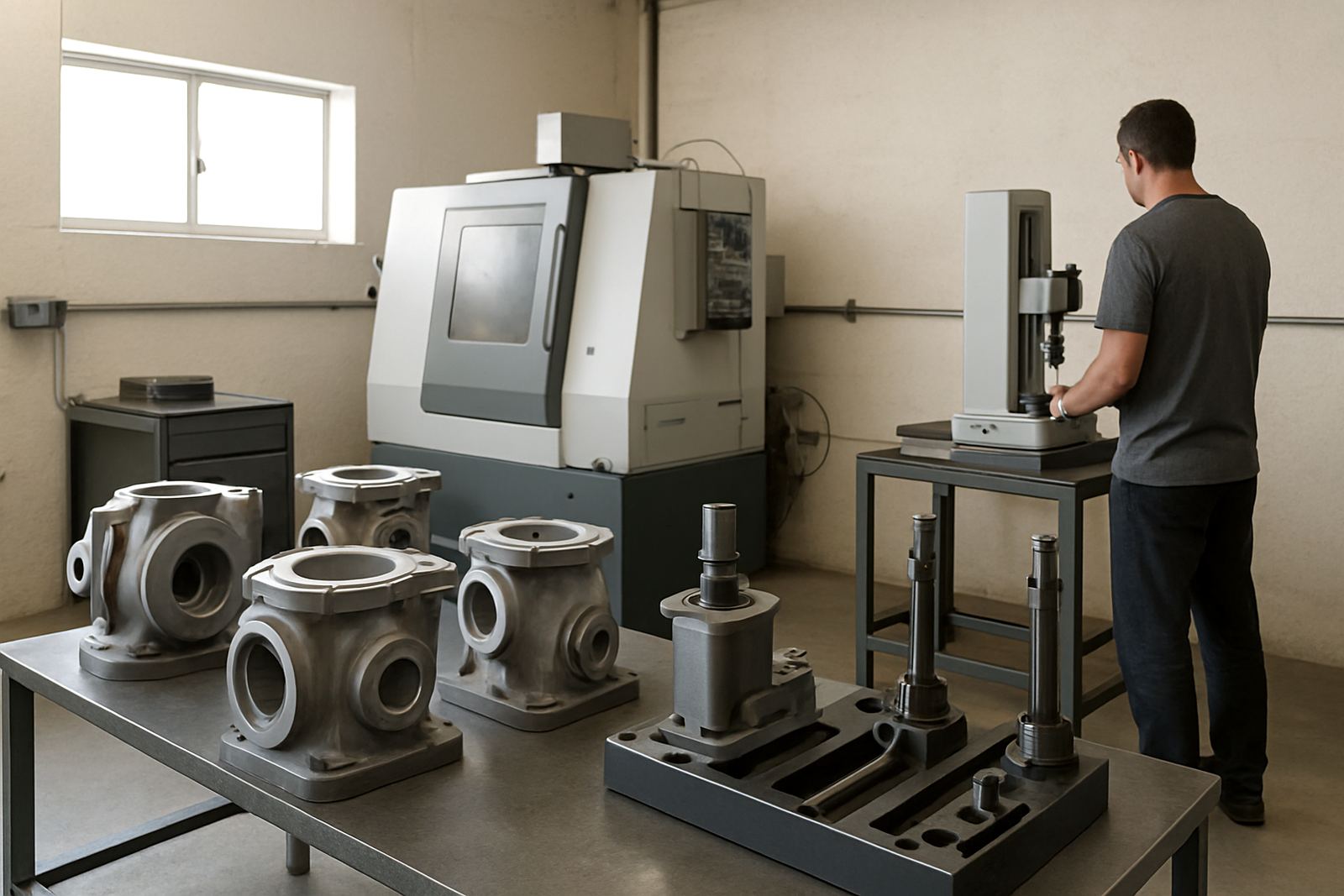
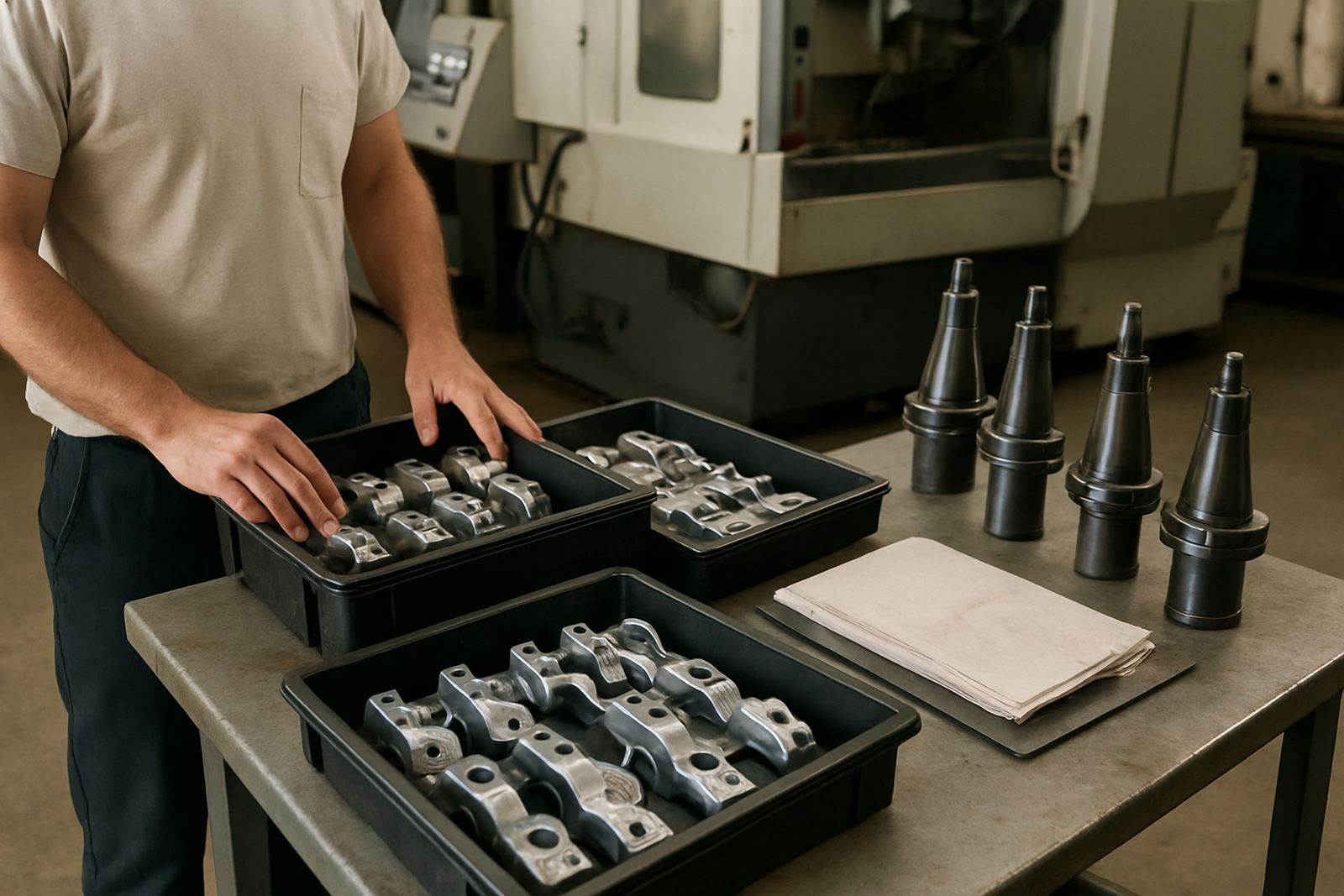
We supplied a standard holder and workholding package matched to the client’s common jobs, with a clear layout that could be repeated from machine to machine. The idea was to remove guesswork. Once the base setup was known, operators could load and clamp faster, and the first part came closer to spec before any fine adjustment.
Our applications engineer worked with the client on presetting and on how to group holders by job family. The result was a cleaner changeover sequence and fewer offsets being re-entered from scratch. We also supported the team with collection and delivery so worn items could be inspected offsite and returned ready for use, which saved downtime on a busy week.
- Standard tool holder set for repeat jobs
- Collets matched to the most used cutter sizes
- Workholding layout set up for faster vise repeatability
- Presetting service used to prepare the most common tools in advance
- Collection and delivery arranged around production windows
Timeline and delivery over three weeks
The job was completed over three weeks. Week one was the inspection and measurement phase, with runout checks, holder cleaning and a review of the vises and jaws. Week two was for machining, preparation and presetting. Week three covered return delivery, installation support and final checks in the client’s workshop.
Because the site serves a live production schedule, we kept the turnaround tight and staggered the work so the client did not have to stop everything at once. That matters in Gqeberha, where many subcontractors need to balance urgent local work, delayed deliveries and power cuts in the same week. We kept the process practical and the handover clear, so the team could carry on without second-guessing the setup.
- Week 1: inspection, runout checks, vise assessment
- Week 2: holder cleaning, jaw machining, presetting
- Week 3: delivery, fitment support, final verification
What changed after the new setup
After the standardised package went in, setup time dropped because operators no longer had to sort through mixed holders or adjust each machine from a different starting point. The client reported a more consistent first-off part and less time spent on trial cuts. In practical terms, that meant more of the shift was spent making parts instead of preparing to make them.
The workshop also saw better repeatability on the clamping side. Clean holders, aligned vises and better jaw condition reduced the little errors that had been creeping into the process. The client told us the team felt more confident setting up the same job on different machines, which is exactly what a subcontractor needs when work moves quickly and every minute counts.
- Shorter setup and changeover times
- More consistent first-off parts
- Less variation between operators
- Fewer interruptions for extra adjustment
What we would repeat on the next job
If we were doing the same type of job again, we would keep the process the same: inspect first, standardise second, then preset and verify before handover. That sequence works because it deals with the actual source of delay instead of just supplying new parts and hoping for the best. On repeat subcontracting work, that approach saves time month after month.
We would also keep the maintenance follow-up simple. Tool regrinding, holder inspection, scanner calibration and printer maintenance can all be added later if the site expands its scope, but the core value comes from reliable holders, clean tapers, sound jaw condition and a clear workholding standard. In a coastal city like Gqeberha, that extra attention matters because humidity, dust and daily handling can all affect precision pretty quickly. A small slip there can cost a whole run.
For shops in Struandale, Markman, Coega, Kariega, Despatch and the Port Elizabeth CBD, the lesson is the same: when the setup is standardised, the whole floor works better.
Key facts
| Client type | Component subcontractor |
|---|---|
| Town | Gqeberha, Struandale |
| Project timeline | 3 weeks |
| Main issue | Slow, inconsistent setup across repeat jobs |
| Key work | Holder standardisation, vise alignment, runout checks, jaw machining |
| Result | Faster changeovers and more consistent first-off parts |