Pump repair work that had to hold size first time
The client was a busy repair workshop in Kariega serving local factories, water systems, and production plants across the Eastern Cape. Their work included pump bodies, bearing housings, and cover plates that arrived with uneven wear, previous weld repairs, and bores that were no longer true to spec. They needed a practical machining setup that could cope with changing jobs without wasting time on trial cuts.
The brief was straightforward. Improve bore consistency, shorten setup time, and reduce the back and forth that was happening when parts came off the machine and still needed hand fitting. Because pump work often lands during shutdowns or after breakdowns, the workshop could not afford long delays. They also had to work within a standard small workshop footprint, with limited lifting equipment and only one main boring machine available for the job.
Load-shedding was part of the picture too. The team needed a process that could hold measurements and repeat them even if power interruptions split a shift into shorter machining windows. That meant better presetting, better tool control, and fewer variables at the machine.
What we supplied for the bore repair process
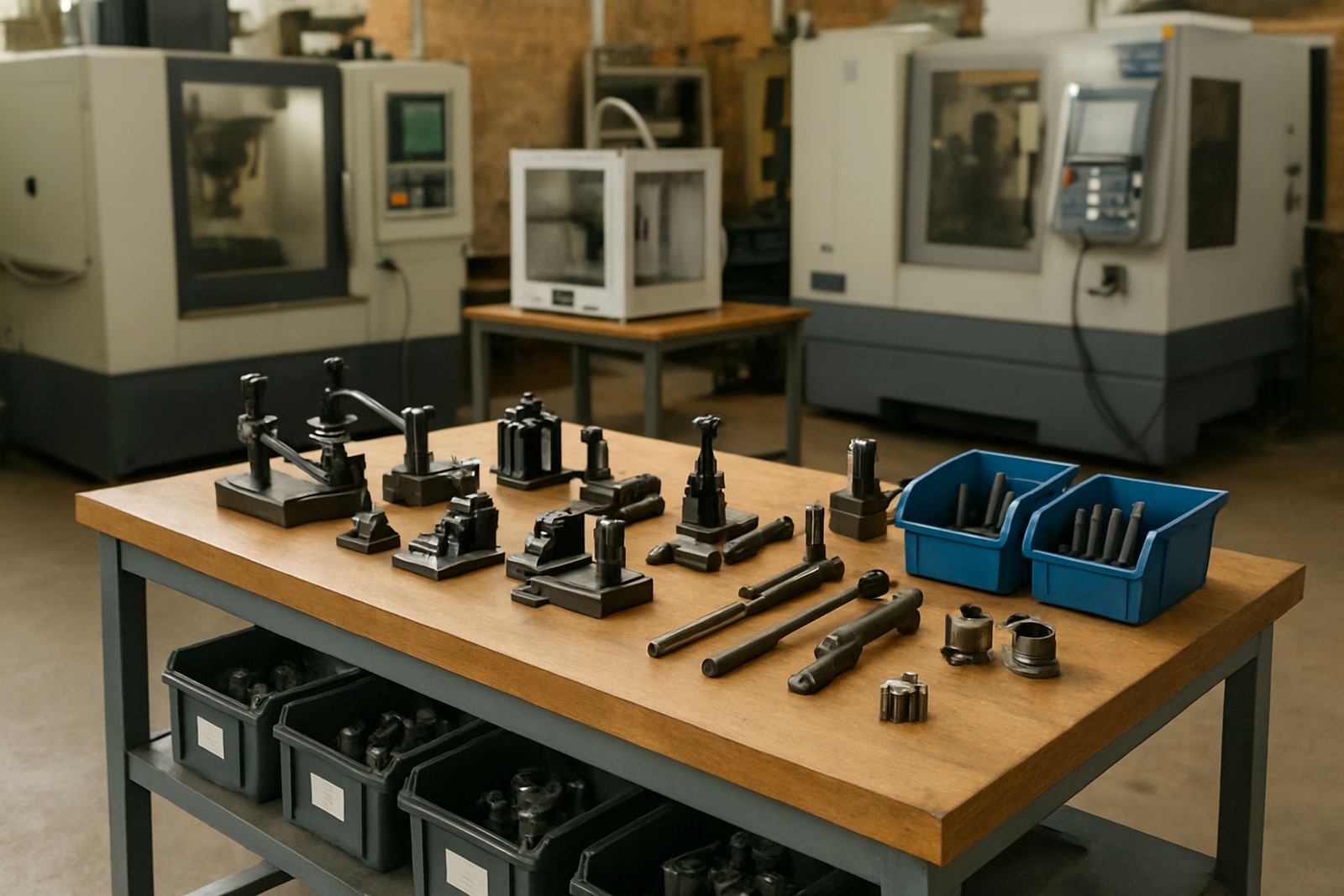
We put together a boring and checking package suited to medium-duty repair work rather than high-volume production. The focus was on modular tooling that could be adjusted for different bore diameters, with enough rigidity to keep finish and concentricity under control. We also set up presetting so the workshop could measure tooling off the machine before cutting, which saved time and helped stop scrap from small setup errors.
The key components included modular boring bars, precision tool holders, setting rings, and a presetting routine for cutter projection and diameter offset. We also supported the team with runout checks on the machine side and advised on clamping and bore sequence so they could machine from a sound reference face first, then finish the critical bores in the correct order.
- Modular boring tools for stepped and straight bores
- Presetting support for repeatable diameters
- Tool holder inspection and runout checks before use
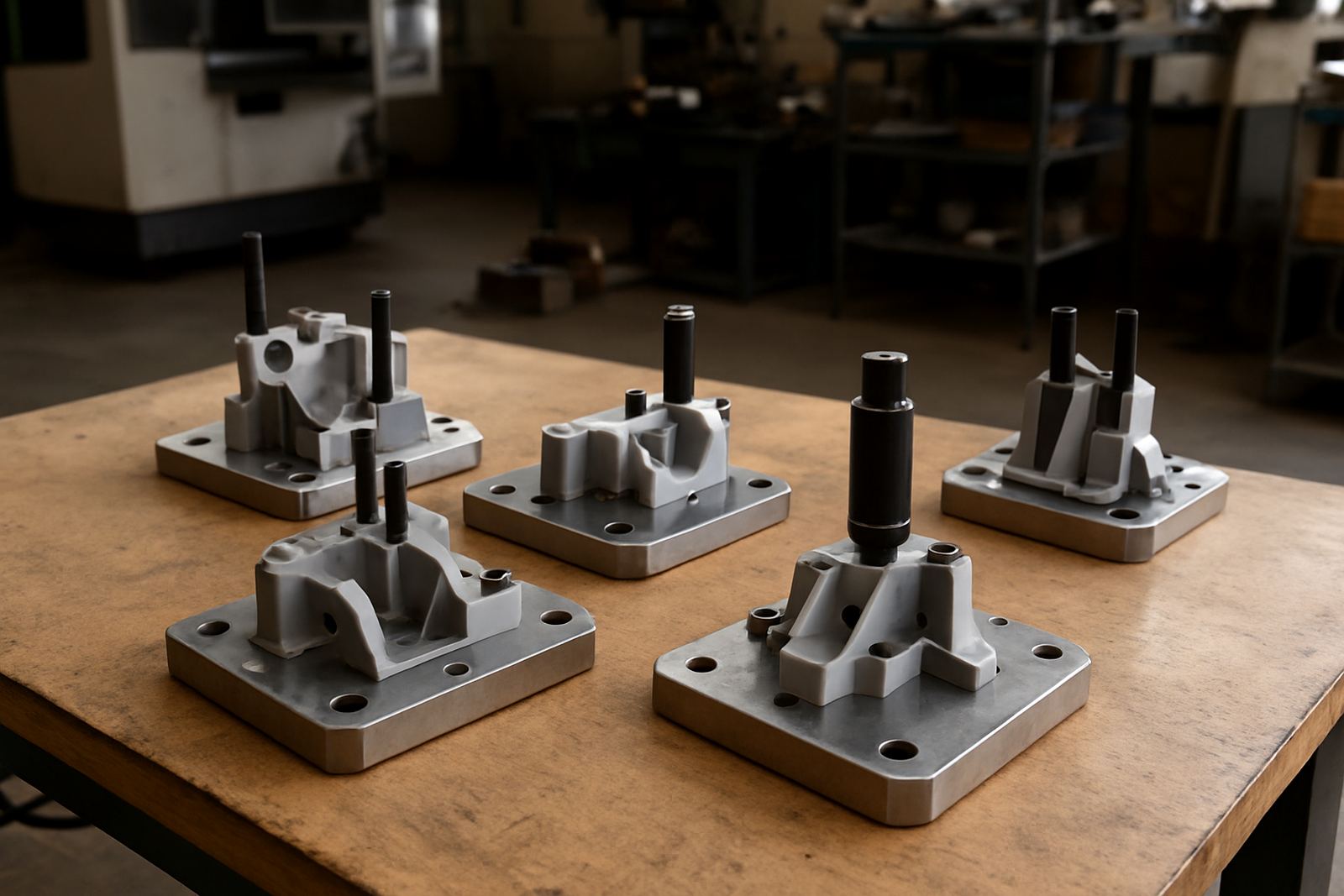
- Workholding advice for distorted pump castings
- Final size verification with measuring checks at the machine
The job did not need fancy kit, just the right setup and a practical way to keep control of the cut. The workshop already had capable operators, so our work was mainly about tightening the process around them and giving them a better way to repeat settings between jobs.
How the repair was handled over three weeks
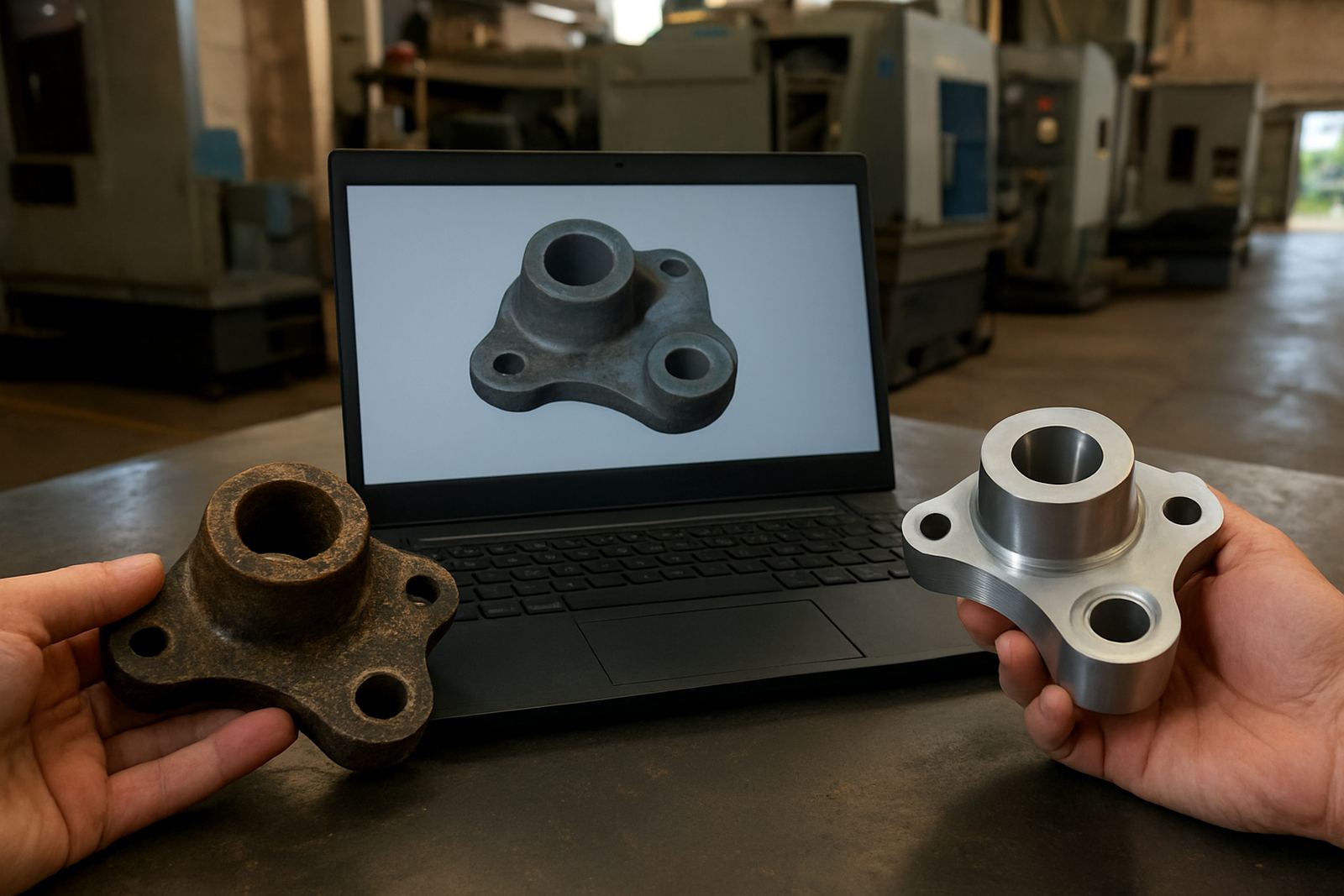
Week 1 was spent on assessment and measurement. The workshop brought in sample pump bodies and we checked the bores for ovality, taper, and surface damage. We found that the previous repairs had created small but important differences from part to part, which was the main reason the bearings were not seating evenly. We then mapped the order of work, including the face that should be used as the primary reference and the target sizes for each bore.
Week 2 focused on setup and presetting. We helped the team measure the boring tools outside the machine, record offsets, and mark the preferred tool combinations for each bore size. This reduced changeover time and cut down on the guesswork that had been happening between operators. We also checked the holders and cleaned out contact faces so the tools sat properly. Small things like that matter, because a bit of dirt or wear in a holder can throw a bore off more than people expect.
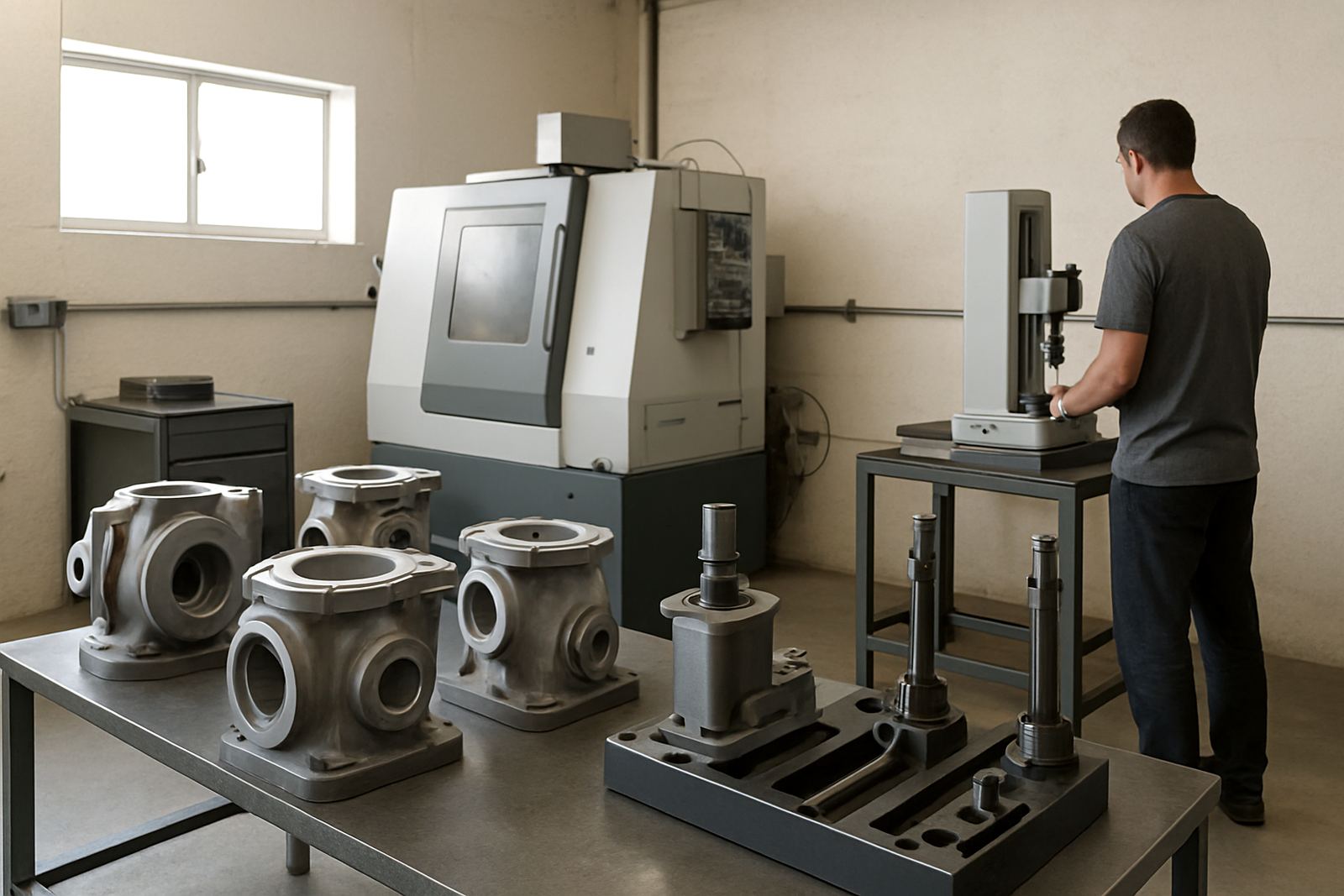
Week 3 was the proving stage. The workshop ran the first repaired pumps through the new process and measured each bore during and after machining. The results were consistent enough for the team to use the same sequence on the next batch with only minor adjustment. One of the operators said the biggest change was that the job now felt repeatable instead of being a fresh puzzle every time, which is exactly what we wanted to hear.
Specs that mattered on this job
For repair work like this, the useful specs are the ones that affect fit, finish, and turnaround. The workshop did not need massive production capacity, but it did need control over diameter, alignment, and tool stability. We concentrated on the numbers that made a real difference to pump service life and bearing fit.
- Bore size range handled: approximately 40 mm to 180 mm
- Target repeatability: within 0.02 mm on final sizing checks
- Typical setup improvement: reduced tool change and measure time by about 30%
- Common repair material: cast iron pump bodies and steel wear parts
- Presetting used for: cutter projection, offset, and repeat jobs
- Service window: completed in 3 weeks from assessment to proving
Those numbers gave the client a practical benchmark for similar repairs later on. They also gave the team a way to compare one job to the next instead of relying on memory, which can be tricky when shifts change and the workshop is busy. A clear measuring habit saves a lot of trouble.
Results at the machine and in the workshop
Once the new process was in place, the workshop saw better bore consistency across repeated jobs and less time spent correcting size after the first cut. Bearings seated more evenly, the finishing pass became more predictable, and the team could plan their machining sequence with fewer interruptions. Because the tools were preset and recorded, the next job of the same type could be set up faster.
There was also a visible improvement in confidence on the floor. Instead of waiting until the last stage to see whether a bore had drifted, the operators could check the setup before cutting and know where they stood. That matters in a repair environment where each casing may be slightly different and the clock is always running.
- More consistent bore geometry across repeat pump repairs
- Less rework on bearing seats and housing bores
- Faster setup for similar jobs after the first batch
- Better control when power cuts split machining into shorter sessions
The workshop also found it easier to explain the process to new staff. Once the bore sequence and presetting routine were written down, the job did not depend on one person remembering every step. That gave them some useful backup when leave, shift changes, or a breakdown came up.
What we would repeat on the next pump job
We would take the same approach again for another repair workshop in Kariega, Despatch, Coega, or Port Elizabeth CBD. Start with measurement, set the reference faces properly, preset the tools before the first cut, and only then move into final machining. That order saves time and keeps the job stable. It is plain work, but it gets results.
For future jobs we would also keep the same discipline around holder cleaning, runout checks, and tool inspection before each batch. In a coastal area like Gqeberha and the surrounding industrial suburbs, humidity can creep in and affect stored tooling and machine surfaces if people are not careful. A quick clean and check routine prevents avoidable errors later on.
When the repair work is urgent, the best outcomes usually come from simple controls done properly. This job proved that modular boring tools and presetting can give a pump workshop the consistency it needs without overcomplicating the process. The client got a repeatable method, not just a one-off fix, and that is what made the difference.
Key facts
| Project | Kariega Pump Repair |
|---|---|
| Client type | Repair workshop serving industrial and municipal pump work |
| Location | Kariega, Eastern Cape |
| Core solution | Modular boring tools with presetting support |
| Timeline | 3 weeks |
| Outcome | Improved bore consistency, less rework, faster repeat setups |