
A Zwide repair cell that needed order, not more floor space
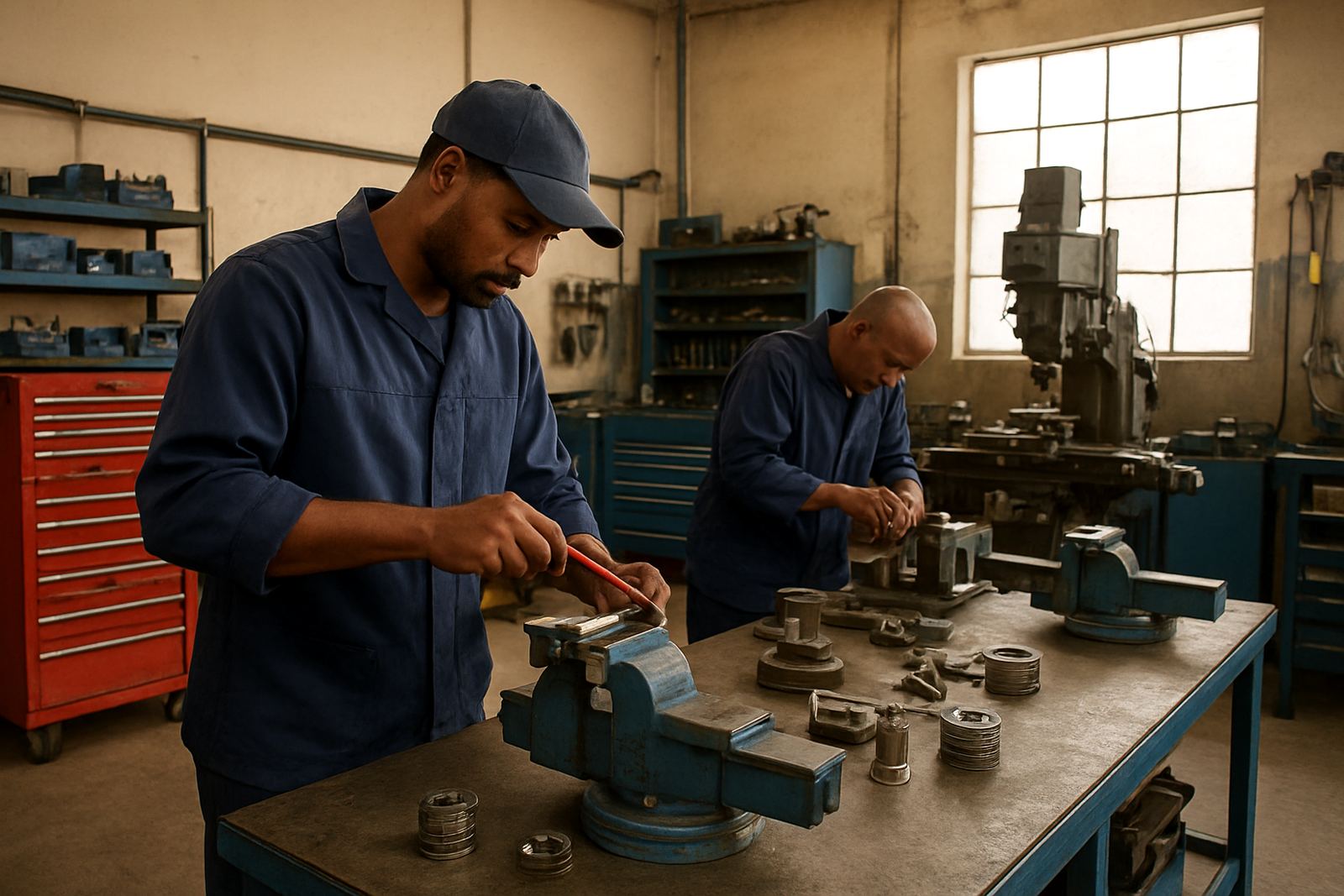
The client was a local engineering and repair team in Zwide, Gqeberha, handling mixed work for general machining, maintenance and small-batch production. Their tool room was under pressure. Cutters were being shared between jobs, holders were left on benches, and inspection checks were taking longer than they should because people were hunting for the right item first.
The brief was simple enough on paper: cut search time, protect high-use tooling, and make the repair cell easier to run for more than one shift. The catch was space. The site could not lose floor area, and the team still needed clear access for trolleys, vices, cleaning stations and daily issue points. We also had to keep the setup practical during load-shedding, so the process could carry on even when power was off for a few hours.
- Client type: engineering repair and machining team
- Location: Zwide, Gqeberha
- Main issue: scattered tooling and slow issue control
- Constraint: limited floor space and mixed-shift use
What we found on site before the first cabinet went in
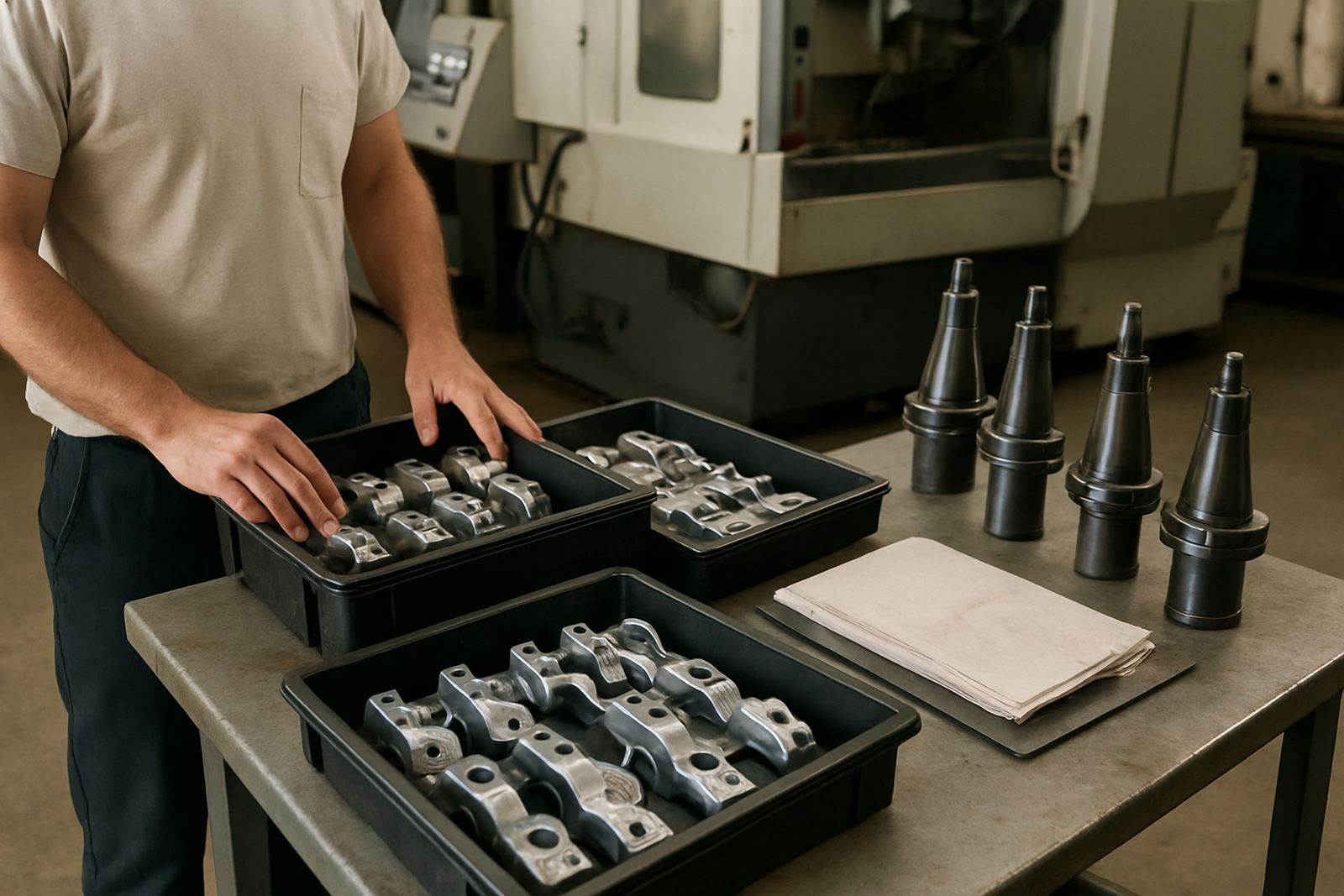
Before supply, we spent time with the applications side and the shop floor crew to see how tools actually moved through the cell. In many workshops, the intended process and the real process are two different things. Here, a tool might be checked, cleaned, measured, then parked on the nearest flat surface for later. By lunchtime nobody was fully sure what was ready for use and what still needed inspection.
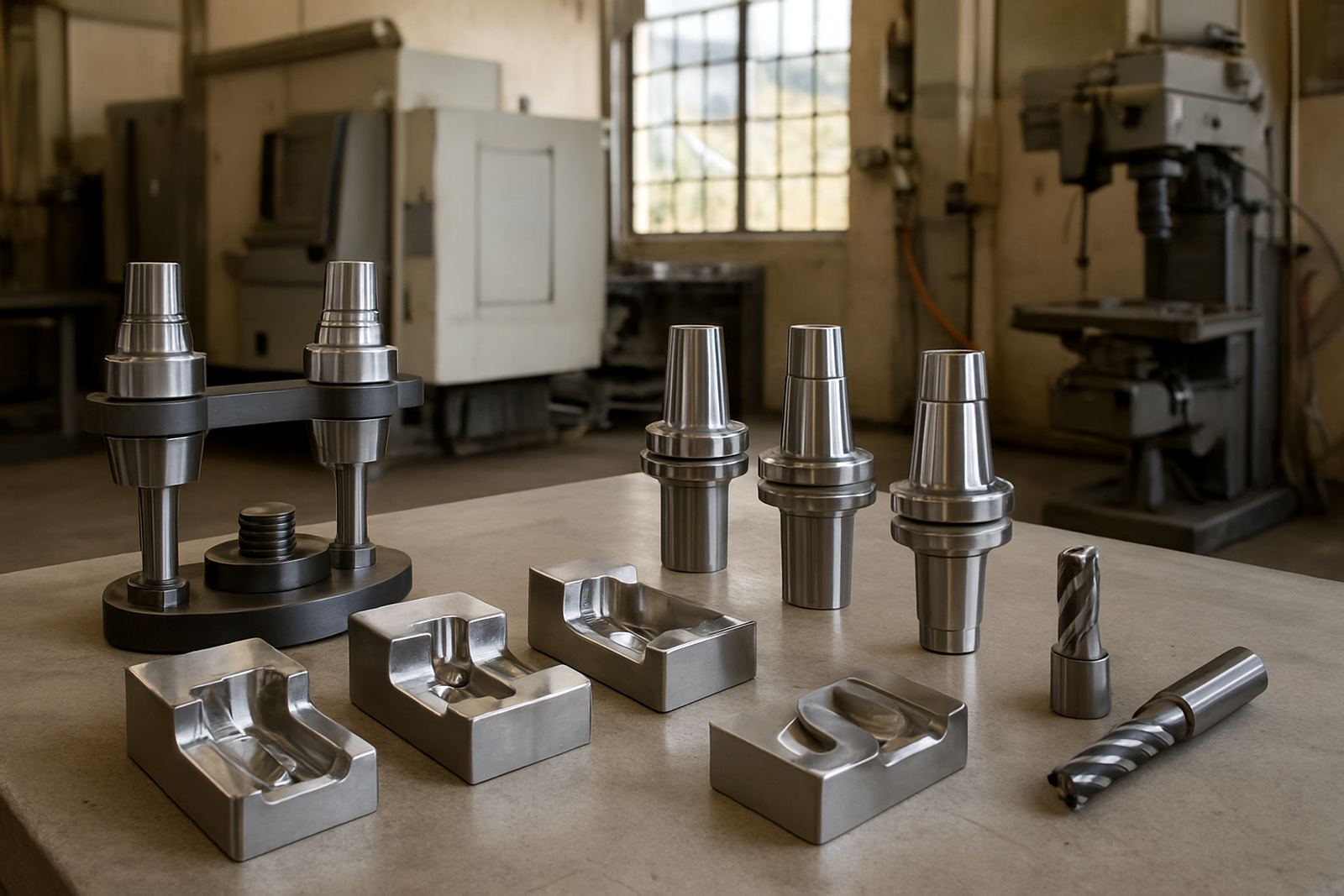
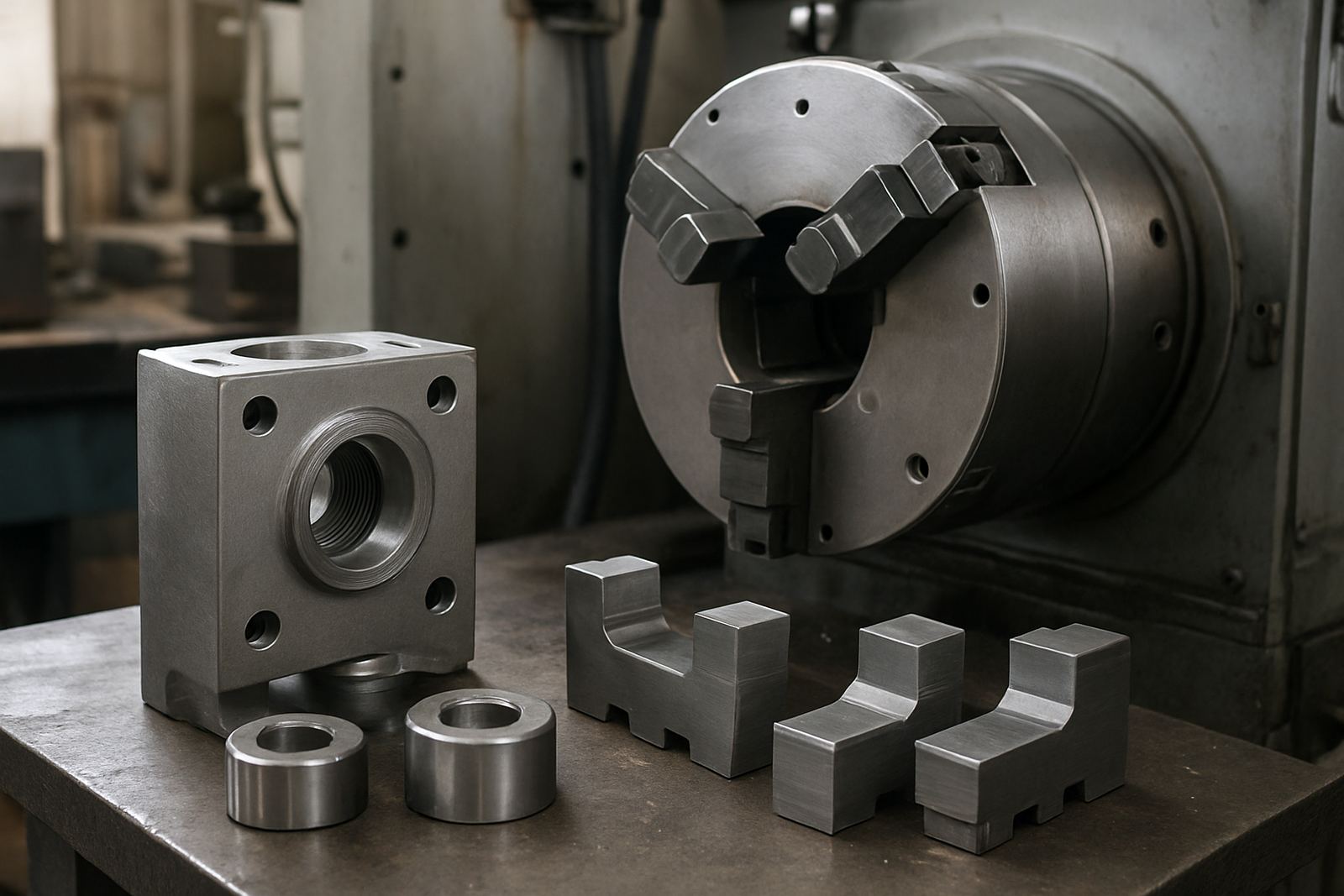
The storage plan had to account for holders, collets, inserts, gauges, cutter bodies and small maintenance items. We also had to think about coastal humidity in Gqeberha, because unprotected steel parts can start marking up quickly if they are left open. The solution needed enclosed storage, clear labelling, and enough separation between clean, used and waiting-for-regrind items. Not fancy, just sensible.
- Requirement for closed storage to reduce dust and humidity exposure
- Clear segregation of ready, used and repair items
- Fast visual control for shift handover
- Space for daily issue and return without crowding the passage
Cabinet system supplied for faster issue and better tool care
We supplied a cabinet-based tool control setup built around secure compartments, labelled zones and a practical worktop for the repair cell. The layout was arranged so the most-used items sat at hand height, while slower-moving stock and inspection items were stored in designated sections. That made the flow far easier for the team, especially when more than one person needed access at the same time.
Key facts of the setup included heavy-duty steel cabinets, lockable doors, adjustable shelving, labelled drawers, and dedicated spaces for holders, collets, cutters and inspection accessories. We also included a cleaner holding area for items returned from use, so they could be wiped down, checked for wear and sent for regrinding or reissue without mixing them up. The team wanted clear control, not more admin, so the system was kept direct and readable.
- Heavy-duty steel cabinet system
- Lockable storage with adjustable shelves
- Dedicated zones for clean, used and repair tooling
- Bench-top space for inspection and issue tasks
Fitting the cell around real shop conditions
The install was handled over three weeks from final sign-off to handover. Week one was measurements, layout confirmation and site prep. Week two was delivery, positioning and fitment of the cabinet system. Week three covered labelling, team walkthroughs and the final handover. The timing worked because the crew did not need to shut down the full operation for long stretches, which is important in a working repair shop where every day counts.
We had to work around the usual local site issues too: uneven traffic during peak hours, dust from neighbouring work areas, and the simple fact that no one wants an awkward layout blocking movement between machines. So the cabinets were placed to keep walkways clear and allow easy access to the repair bench, the issue point and the cleaning area. Small detail, big difference. The room felt calmer almost immediately.
- Timeline: 3 weeks from layout approval to handover
- Install done with minimal interruption to daily work
- Cabinet positions set to protect walkways and material flow
- Labelling completed for faster shift handover
Results after handover in the first few weeks
Once the team started using the cabinet system properly, the difference showed up in the usual shop-floor places. Search time dropped because people knew where cutters, holders and inspection items were stored. Tool condition also improved because items were being returned to enclosed locations instead of being left exposed on benches. That meant less cleaning at the end of the day and fewer surprises when a tool was needed again.
The client also reported better responsibility around tool care. When a holder or cutter has a clear home, it is easier to check it, issue it and follow up on it. The repair cell became less cluttered, which helped the whole room feel more controlled. There was still work to do, of course, but the daily routine was no longer fighting against itself.
- Less time spent searching for tooling
- Cleaner return process after repair or use
- Reduced clutter in the repair cell
- Improved visibility of what was ready, waiting or due for attention
What we would repeat for another workshop in Gqeberha
If we were asked to do the same again for another machine shop or repair cell in Zwide, Markman, Struandale or Coega, we would keep the same practical approach. Start with the actual movement of tooling, not a guessed layout. Build around the items that matter most day to day. Keep the storage enclosed enough for coastal conditions, but open enough for fast issue and return. And make the labelling obvious enough that a new staff member can find their way without slowing the bay down.
That approach suits workshops that run on tight turnaround times and mixed skill levels. It also works where machine uptime matters more than office-style neatness. In a place where tool care, runout control and quick recovery from breakdowns all matter, the right cabinet system can save time every single shift. Thats the part that tends to get noticed after the first month, not on day one.
- Best practice: design from actual shop flow
- Keep storage protected from dust and humidity
- Use clear zones for issue, return and repair
- Choose a layout that a shift team can maintain without extra admin
Key facts
| Project location | Zwide, Gqeberha |
|---|---|
| Client type | Local engineering and repair team |
| Timeline | 3 weeks |
| Main supply | Cabinet-based tool control system |
| Key features | Lockable steel cabinets, adjustable shelving, labelled zones |
| Outcomes | Faster search time, better tool care, cleaner repair cell |