The brief from a foundry support workshop
The client was a foundry support workshop working from the Gqeberha industrial side, supplying patterns and preparation work for local casting jobs and short production runs. Their problem was simple enough to state but hard to solve: traditional model making was taking too long, small changes were costing too much, and each new pattern had to be checked, adjusted and rechecked before it could earn its place on the floor.
They asked for a way to bring model development closer to the pace of the jobbing shop. The aim was to reduce waiting time between drawing approval and usable pattern, keep critical dimensions under control, and make sure the pattern could handle repeated use in a workshop where dust, handling and daily movement are part of the reality. They also wanted support that would suit a South African site, where power interruptions and tight turnaround times can throw out a whole week if the plan is not practical.
- Client type: foundry support workshop
- Town: Gqeberha, with work moving through the Struandale industrial area
- Need: shorter model development cycles for pattern work
- Use case: short runs, repeat alterations, bench level checking
What had to be considered before the first print
The biggest constraint was not the part size, it was the way the pattern would be used after delivery. A foundry support pattern has to survive handling, release from sand, regular inspection and occasional correction. It also needs to suit the moulding process used on the day, whether that means a straightforward flat back or a more complex split form with allowances already built in. On the coast, humidity can affect storage and finishing, so surface quality and sealing mattered from the start.
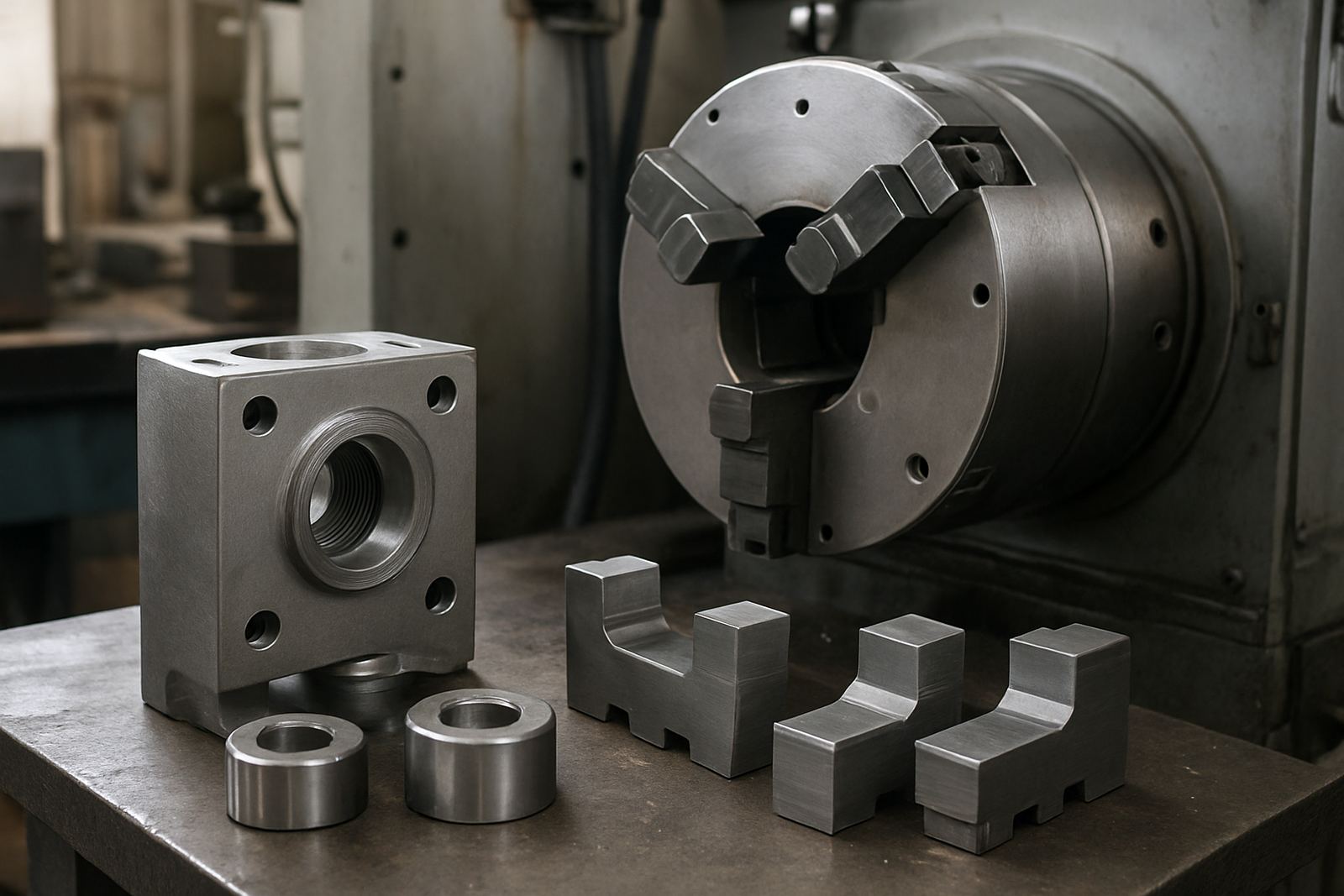
We worked through the drawing, checked the critical faces and agreed on the tolerances that would matter most at moulding stage. Where the original model had been hard to machine in one piece, we split the geometry into sections that could be printed accurately and then joined and finished for service. There was also the practical matter of load-shedding, so the work was staged to avoid losing a full cycle midway through a build. In this kind of job, planning the print windows is just as important as the material choice.
- Key constraint: repeatable accuracy on a workshop pattern, not showroom finish
- Environmental factor: coastal humidity and daily handling
- Operational factor: load-shedding risk and limited turnaround time
- Geometry factor: complex features that were awkward to machine as one solid model
What we supplied and how it was set up
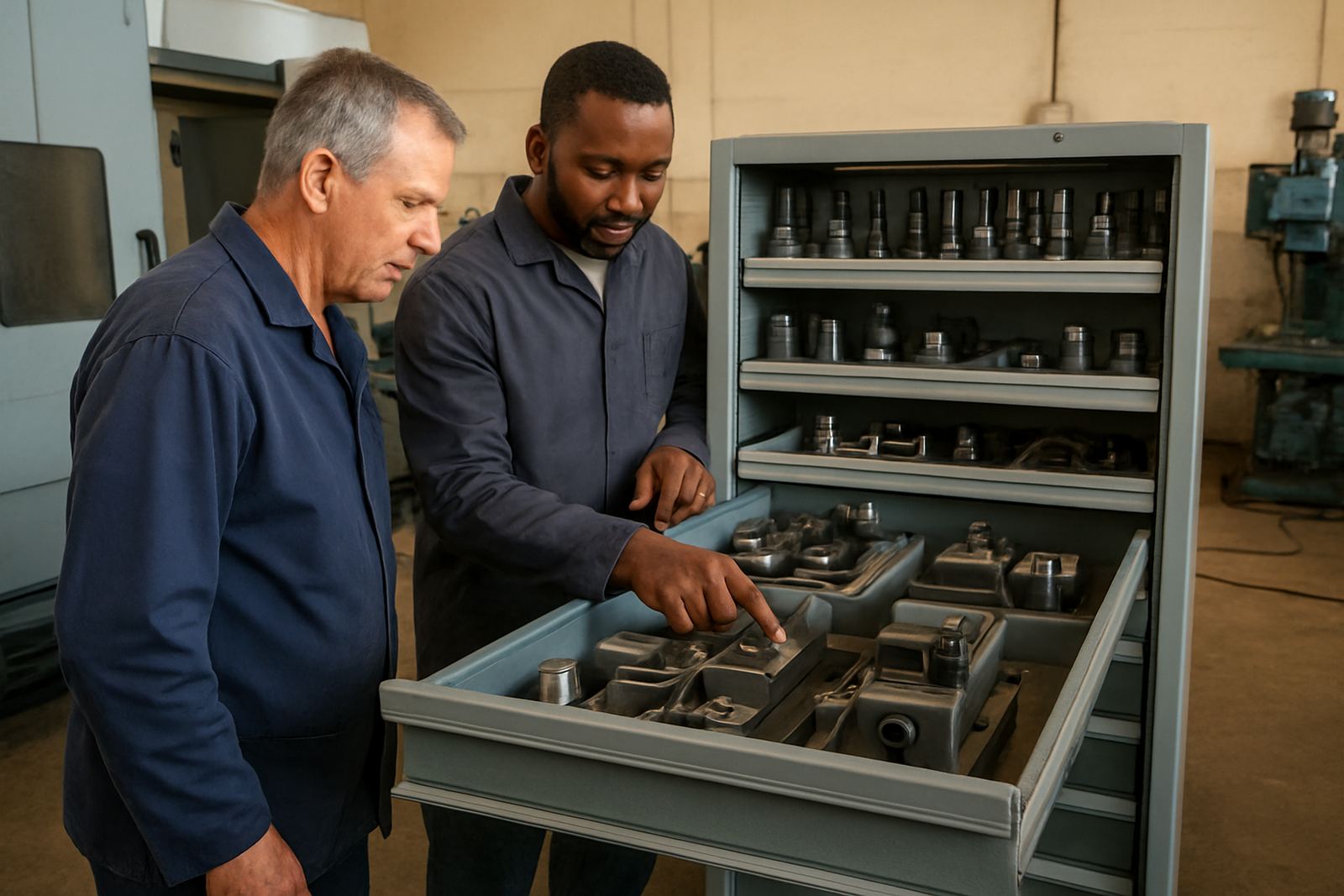
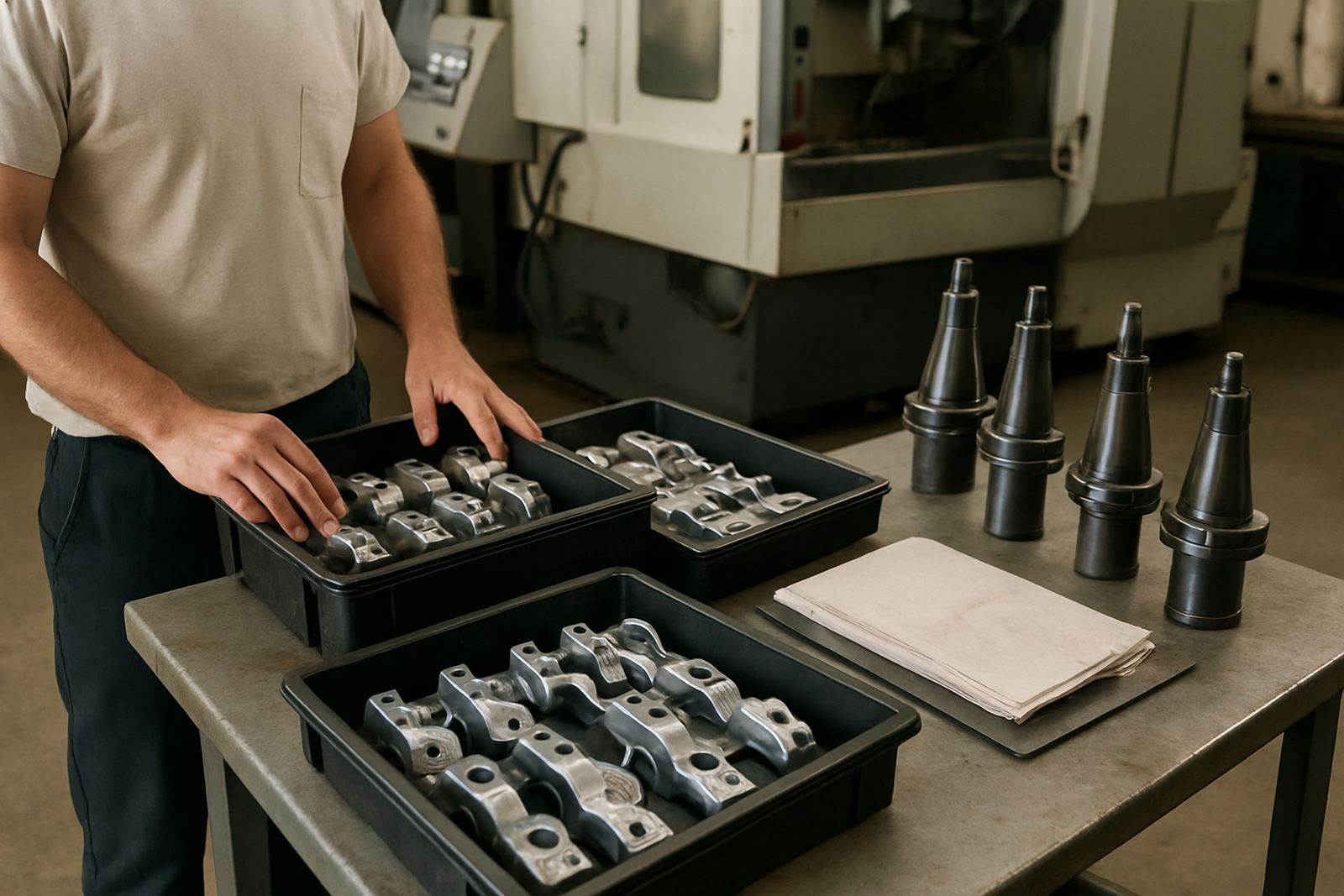
We supplied additive patterns built for the specific casting workflow, with the matching support needed for fit-up, dimensional checks and final preparation. The work started with a scan and measurement review of the existing pattern geometry and the mating features that mattered for the mould box and repeat alignment. From there, we produced printable pattern sections, checked them for runout, and made sure the critical datum faces were consistent across the assembly.
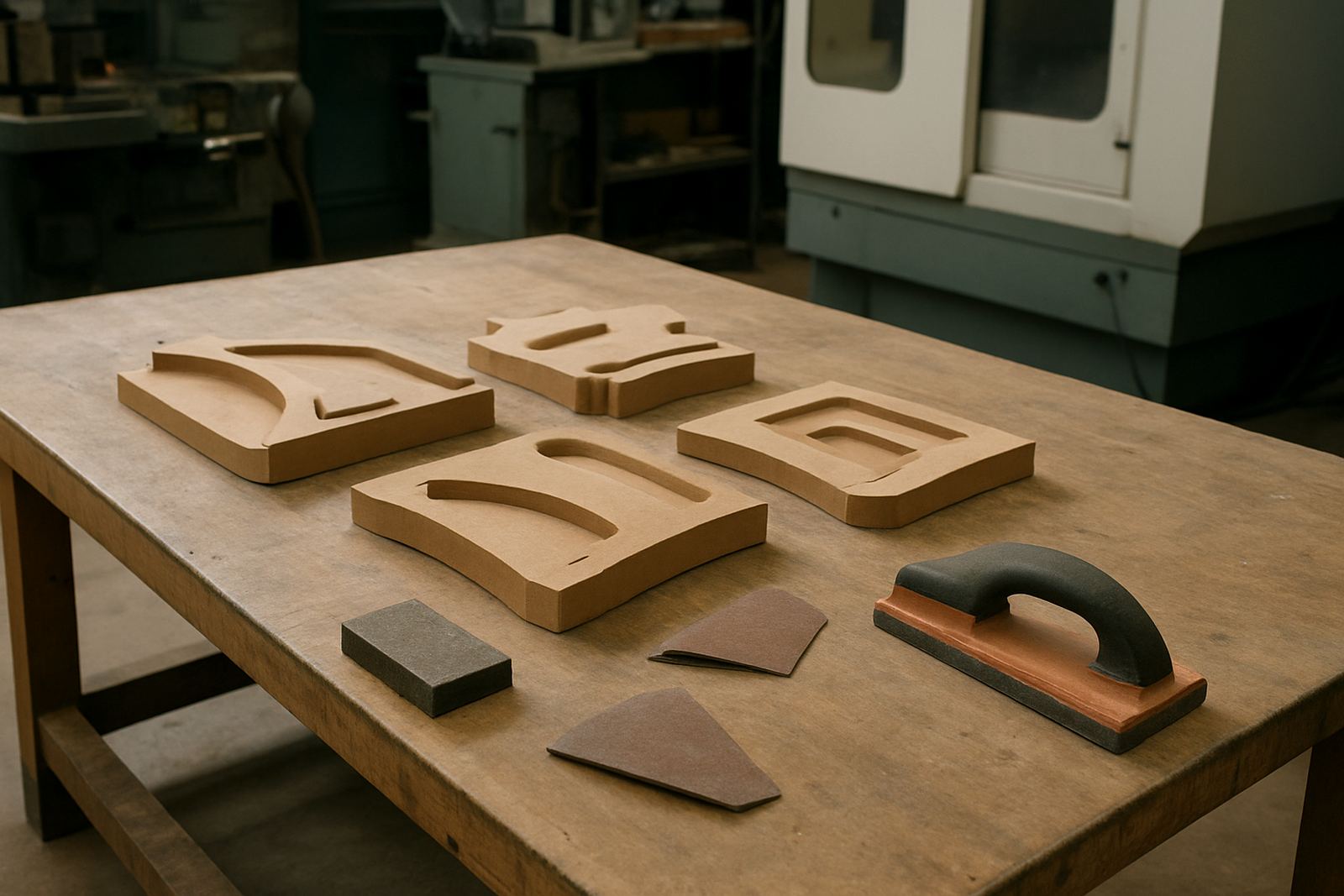
To keep the job practical, we paired the pattern supply with workshop support. That included inspection at handover, light finishing where needed, and advice on cleaning and storage so the parts would stay stable before use. For the client team, the important thing was not just getting a part that looked right, but getting a pattern that sat straight, released cleanly and could be returned to service without a long correction cycle. The printed pattern was also easier to adjust later if the casting team asked for a small change, which saved time on the next cycle.
- Supplied: additive pattern sections for foundry support work
- Checks done: scan review, datum verification, runout check and fit-up check
- Support added: finishing, inspection and storage guidance
- Resulting benefit: faster alterations without full remanufacture
Timeline from approval to handover
The full job ran over four weeks from first review to handover. Week one was for measurement, scanning and agreement on what could stay unchanged and what had to be reworked. Week two covered the first additive build and initial check against the reference geometry. Week three was for fit correction, surface preparation and a second inspection after the sections were assembled. Week four covered final handover, notes for handling and a quick refresher with the workshop team on what to watch for during the first moulding runs.
That pace suited a busy industrial client because it kept the job moving without forcing them to stop production or wait for a long machine shop slot. The workshop could still keep other jobs moving while the pattern was being prepared, and that mattered because most foundry support operations in the region are doing more than one thing at once. A project like this only works if the handover is clean and the team on site can put it straight into the line of work they already know.
- Week 1: scan, measure and brief alignment
- Week 2: first additive build
- Week 3: fit correction and inspection
- Week 4: handover and site guidance
Results on the floor and in the next job
The main result was a shorter development cycle. The client moved from long lead pattern changes to a process where the next version could be prepared faster and checked with less back-and-forth. That made it easier to support urgent foundry work and gave the workshop more confidence when taking on repeat orders. The parts also handled better because the datum points were consistent, so setup at the moulding stage took less fiddling.
There were practical gains too. Less time was lost waiting for old models to be repaired or re-machined, and the workshop had a clearer path for future revisions. In jobs like this, the value is not only in one delivery, it is in the next three jobs that become easier because the first one was done properly. The client could now make small changes without starting from zero, which helped them keep work local instead of sending it out for long rebuilds.
- Shorter pattern development cycle
- Better repeatability at moulding setup
- Less time spent on repair and rework
- More flexibility for future changes
What we would do again for a similar foundry job
For a similar foundry support project, we would follow the same approach. Start with the measuring and scanning, agree the critical faces early, and separate the features that must stay fixed from the ones that can be improved. That makes the rest of the job easier and avoids wasted time on parts that are not essential to the casting outcome. We would also keep the handover practical, with clear notes on storage, cleaning and what to inspect after the first few moulds.
If the client is working in Struandale, Markman, Coega, Kariega, Despatch or the Port Elizabeth CBD, the same principle applies: keep the process simple, match the supply to the real workshop conditions, and plan around local power interruptions and moisture. Good pattern work does not need drama. It needs sound geometry, sensible timing and a team that understands how a South African workshop actually runs. That is what we brought to this project, and it is what we would bring again.
Key facts
| Project type | Additive pattern supply for foundry support |
|---|---|
| Client sector | Jobbing workshop supporting casting work |
| Location | Gqeberha, Struandale industrial area |
| Timeline | 4 weeks from review to handover |
| Core process | Scan review, additive build, fit correction, inspection |
| Key outcome | Shorter model development cycles and easier repeat changes |