The brief from a busy Korsten machining cell
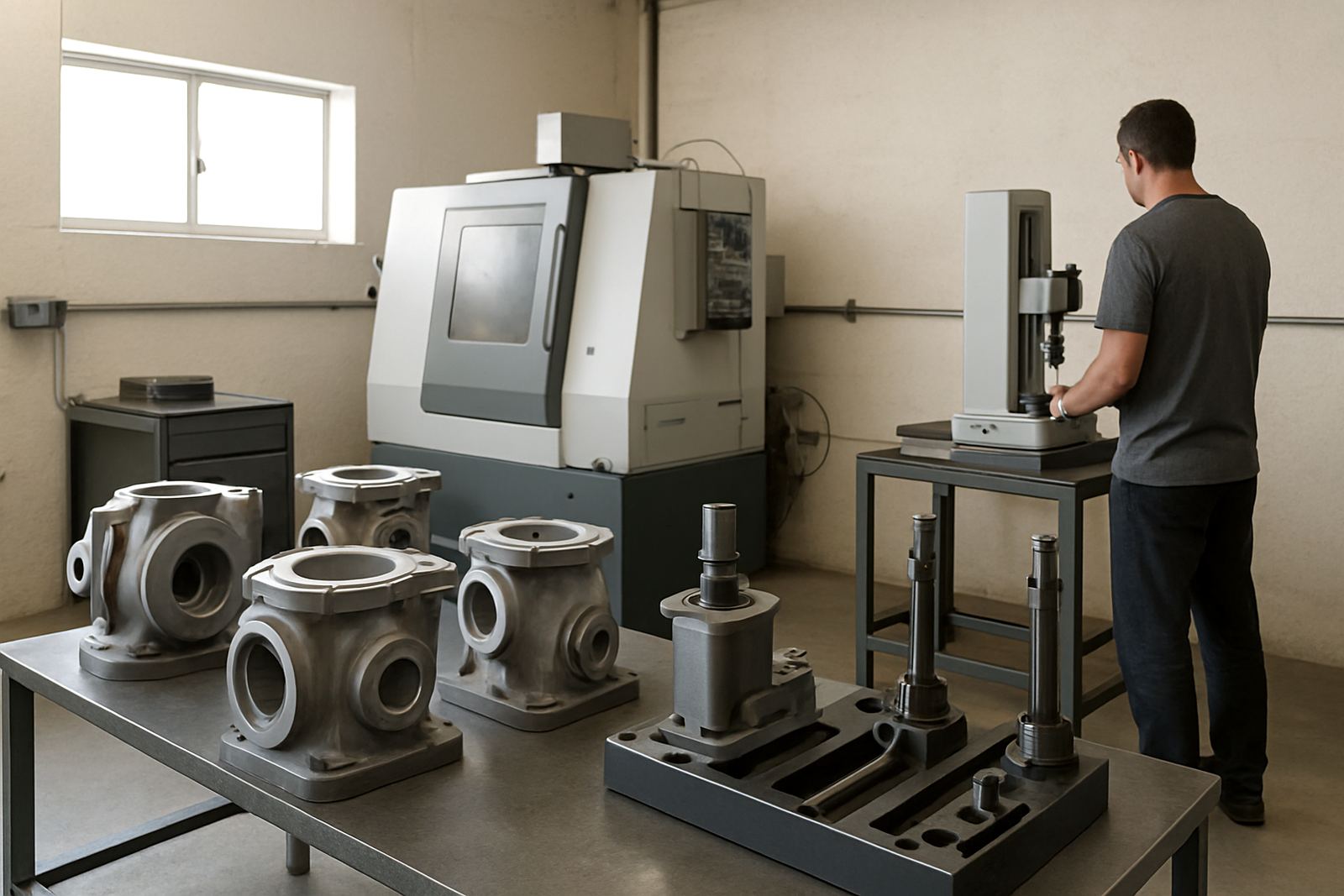
The client was a valve component producer in Korsten, Gqeberha, running repeated batches on turning and milling operations for small to medium sized parts. Their main issue was inconsistency from job to job. Parts would run true on Monday, then drift later in the week as jaws wore in, soft jaws were not faced often enough, and operators were spending extra time setting up each changeover.
The brief was straightforward: improve repeatability, reduce setup scatter, and give the team a clean, practical chucking standard they could keep using on day to day production. They also wanted less downtime during load-shedding windows and fewer surprises when parts came back from subcontracted processes. The line had to keep working with the equipment already on site, not only in ideal conditions, so the solution had to be simple and repeatable.
- Valve components in mixed batches
- Turning and secondary machining
- Repeated changeovers during the week
- Target was tighter size control and less rework
What was holding production back
The core problem was not one single machine fault. It was a collection of small errors adding up. Chuck jaws were not matching well, clamping pressure varied by operator, and some holders were carrying more runout than the tolerances allowed. In a valve line that means the first-off part looks fine, then the last part in the batch starts to wander. That creates scrap, extra deburring and too much checking.
Korsten shops also deal with coastal humidity, dust from open doors and stop-start power supply, so the condition of tooling matters. If holders are dirty, collets are tired or the jaws are not square, the machine spends the day fighting its own setup. The client needed better control over the clamping point, and a way to check the critical dimensions before a full batch was released.
- Soft jaws were worn unevenly
- Runout was not being checked every setup
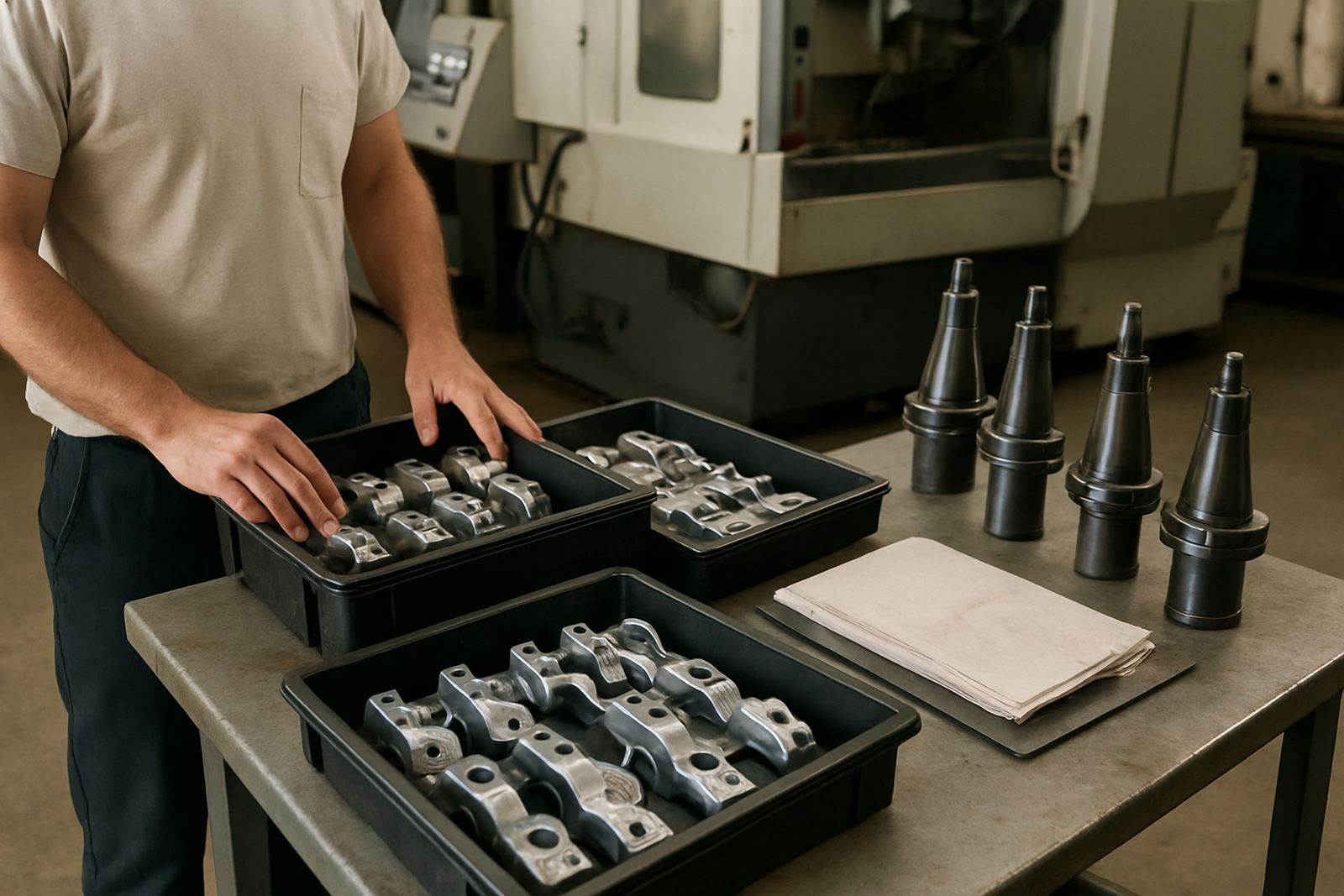
- Tool holders needed cleaning and inspection
- Preset values were being copied by hand, which caused small errors
Tooling supplied and the work carried out
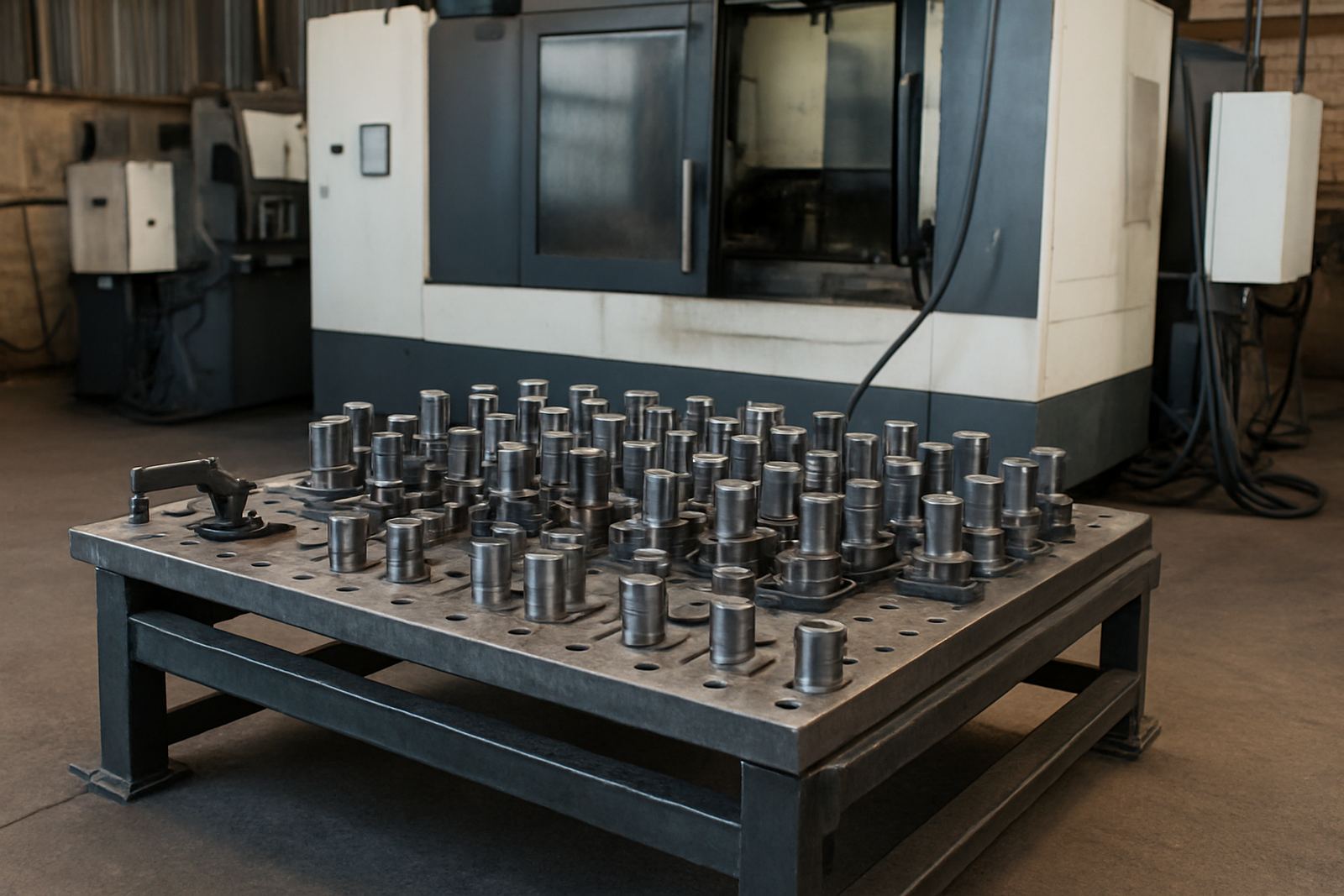
We supplied and supported a workholding focused package built around better jaw control, holder condition and quicker verification. The work included chuck jaw machining, vise alignment where needed, holder cleaning, holder inspection and runout checks. We also set up a presetting routine so tools could be measured outside the machine before the next changeover. That reduced guesswork and helped the operators return to production faster.
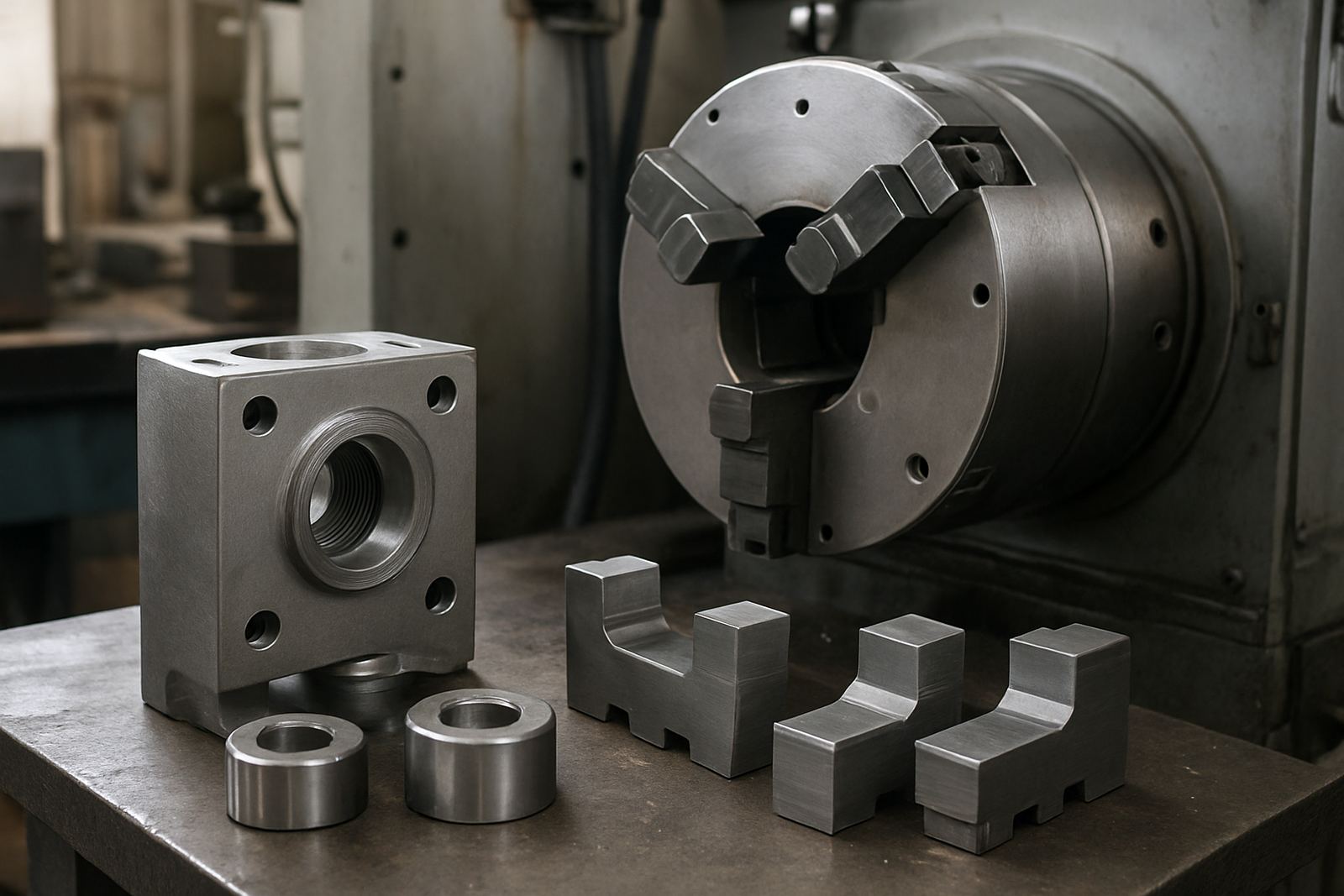
For this project we worked with standard machine shop equipment, using precise inspection and machining methods rather than changing the whole line. The jaws were machined to suit the component geometry, contact faces were cleaned up, and the clamping areas were checked for consistent grip. We also advised on the use of correct collets and tool holders for the smaller bore and face operations, since those tools are where even a small amount of movement can cause a bad finish.
- Chuck jaw machining for repeat clamping
- Holder cleaning and inspection for better concentricity
- Runout checks at setup stage
- Presetting support to cut changeover time
Timeline from first visit to stable repeat work
The job ran over three weeks from first assessment to final sign-off. Week one was the site visit in Korsten, where we checked the machines, spoke to the operators and measured the setup errors that were showing in production. Week two was the workshop work on jaws, holders and alignment. Week three was the return to site, with verification on live parts and final adjustments on the clamping and preset procedure.
Because the client needed to keep shipping product, the work was phased around production windows. That kept interruptions low and allowed the team to test each improvement before moving on to the next stage. It also gave us a clear picture of which changes had the biggest effect, instead of trying to change everything at once and hoping for the best.
- Week 1: site inspection and measurement
- Week 2: machining, cleaning and alignment work
- Week 3: live verification and handover
Results on the valve line
Once the jaws were trued and the holders were checked, the line settled down. Operators had a clearer setup routine, less time was spent rechecking the same dimensions, and the repeat batches started coming through with steadier size control. The client reported fewer parts going back for correction, and the team could run more confidently when production was interrupted by power cuts or shift changes.
In practical terms, the biggest gain was consistency. The job no longer depended so heavily on one experienced operator standing over every changeover. That matters in a plant where different people cover different shifts, because the process needs to hold its own without constant intervention. The customer also found that the cleaner holder condition improved surface finish on the critical faces, which reduced the amount of finishing work afterwards.
- More stable repeatability between batches
- Less setup variation between operators
- Lower rework on key valve features
- Better confidence on first-off parts
What we would do again on a similar job
For a similar valve component line, we would start the same way again: measure first, then correct the chucking and jaw condition before looking at anything more complicated. It is tempting to chase programming or machine settings straight away, but many repeatability issues in machine shops come from worn jaws, dirty holders and unchecked runout. Fixing those basics first gives the fastest return.
We would also repeat the presetting step and keep a simple inspection sheet at the machine. In a South African shop that has to work through load-shedding, staff changes and tight delivery dates, a short checklist is often worth more than a long report. It keeps the process visible and helps the next operator pick up where the previous one left off, without losing control of the job.
- Measure runout before each new batch
- Face soft jaws on a planned interval
- Keep holders clean and marked by machine
- Use one setup sheet for all shifts
Why Korsten shops call Tooling for repeatability work
We work from Struandale, Gqeberha and support machine shops across the city and nationwide. That includes Korsten, Port Elizabeth CBD, Markman, Coega, Kariega and Despatch. Our service team handles tool regrinding, inspection, holder cleaning, chuck jaw machining, vise alignment, presetting, scanner calibration, printer maintenance and collection and delivery, so shops can keep production moving while the tooling side is sorted.
With Morne van der Merwe leading the business since 2008, the focus stays on practical support for real production conditions. Our team includes Ayanda Mhlabeni, Johan Bester, Zanele Nkomo, Ridwaan Jacobs and Nokulunga Dlamini, and the approach is the same on every job: clear measurements, honest feedback and work that can be repeated on the next batch. If the line has to keep running, it has to be set up properly first.
Key facts
| Client type | Valve component producer |
|---|---|
| Location | Korsten, Gqeberha |
| Project duration | 3 weeks |
| Main issue | Repeatability loss from worn jaws and inconsistent setup |
| Work done | Chuck jaw machining, holder cleaning, runout checks, presetting support |
| Outcome | Steadier batch-to-batch size control and less rework |