The brief from a Coega production line
The client was a production supplier in Coega, Gqeberha, working across repeat machining runs for industrial components. Their operators were losing time on manual clamping, re-setting workpieces, and checking alignment on every changeover. The brief was simple: shorten setup time, improve repeatability, and reduce scrap on parts that had to hold tight positional tolerances.
They were running a mix of medium volume jobs, with some work changing over several times in a shift. The line had to cope with planned maintenance, load shedding interruptions, and shift pressure, so any solution had to be practical for daily use not just good on paper. Their team wanted a fixture system that could be used by different operators without long training periods.
- Location: Coega industrial area, Gqeberha
- Application: repeat machining for production parts
- Primary target: faster changeovers and better positional accuracy
- Secondary target: less operator dependency during setup
What was holding production back
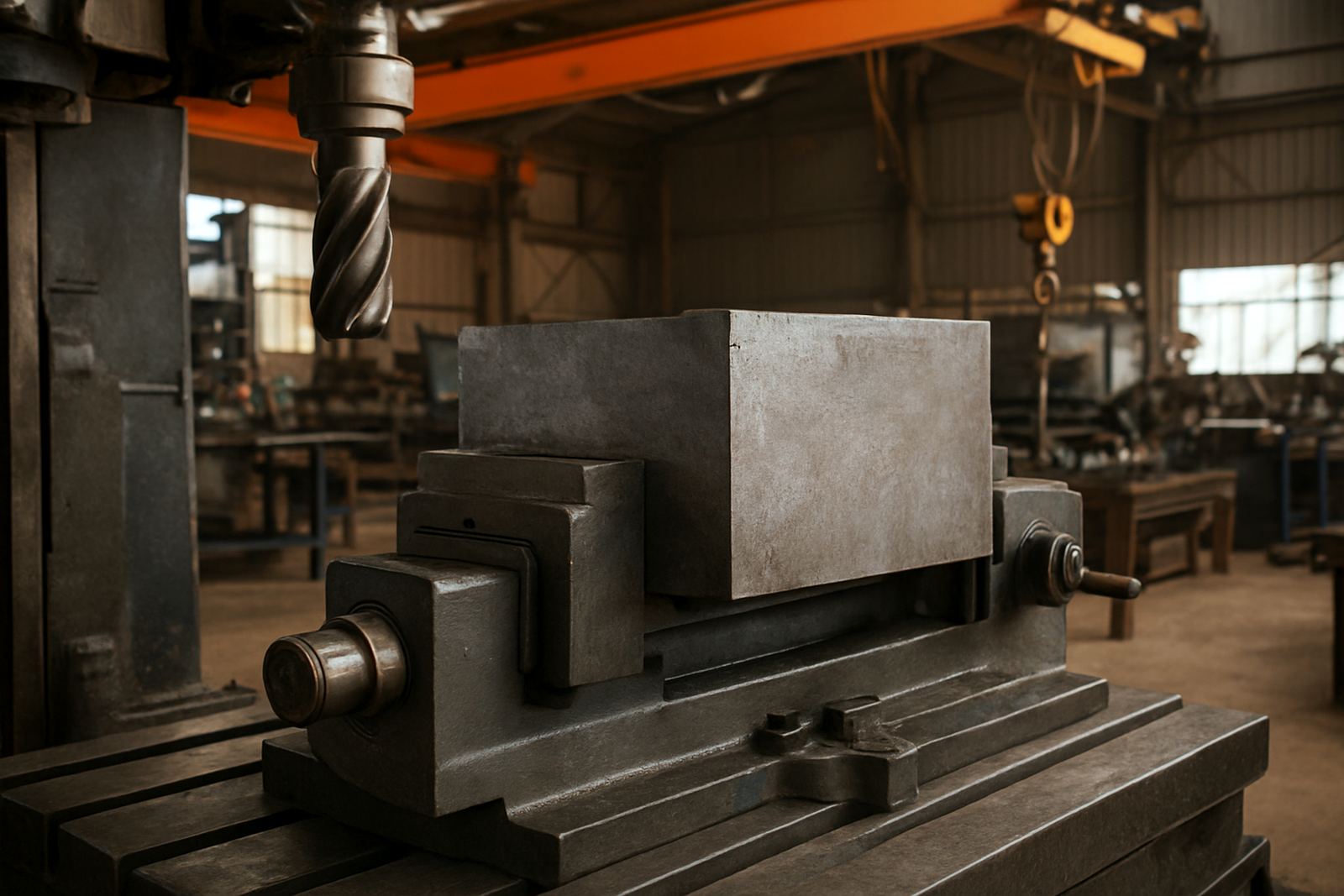
The main issue was that each job needed too much manual setting before cutting could start. The team relied on conventional clamping and repeated edge-finding which added minutes to every changeover. On a busy day that time adds up quickly, and it also increases the chance of operator variation between shifts.
There were also a few physical constraints. Some parts had awkward contact surfaces, so clamping force was not always applied evenly. In a humid coastal environment around Gqeberha, the team also needed equipment that could be kept clean and free from contamination because dirt and coolant residue can affect repeatability. The client wanted a setup that could hold firm without constant readjustment, and that would still allow access for toolpaths and inspections.
- Slow setup on every batch change
- Variation between operators and shifts
- Uneven clamping on awkward part geometry
- Need for repeatable location after machine stops
The fixture system we supplied
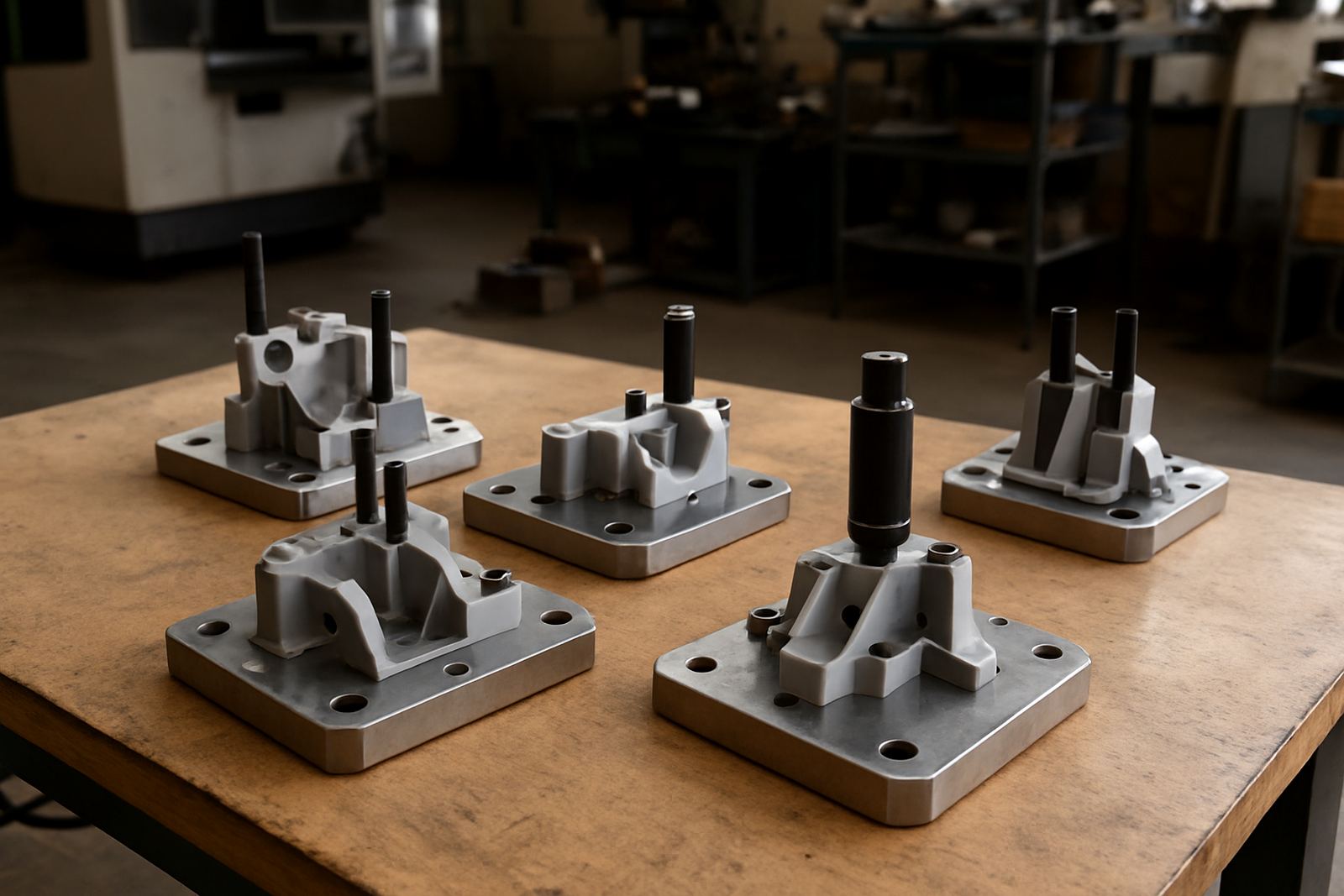
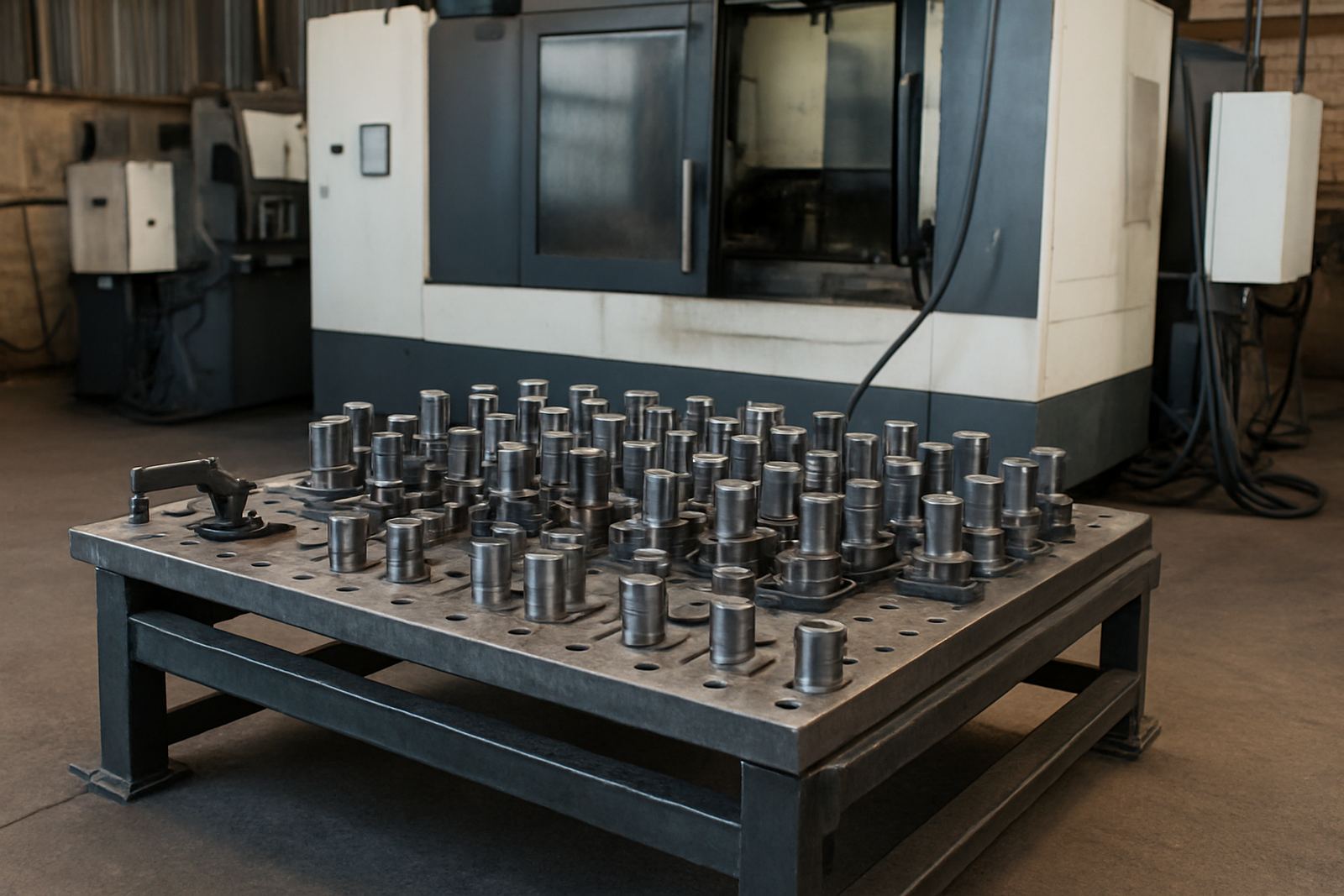
We proposed a zero point clamping setup combined with dedicated fixture plates for the recurring parts. The approach allowed the client to locate and clamp fixtures in the same position every time, which cut out a lot of re-setting work. The fixture plates were arranged for the most common part families, with datum points built into the layout for quick engagement on the machine table.
We supplied the fixture plates, matched clamping interfaces, and the related setup hardware needed for repeat use on their machining centre. The system was selected for repeatability, easy cleaning, and quick release during changeover. We also checked the interface for runout and alignment before commissioning, so the first jobs could go straight into production with minimal rework.
Key design points included compact plate layout, clear access for cutting tools, and strong location at the same reference every cycle. That mattered because the client was not looking for a general purpose solution, they needed a production fixture that would stay accurate under daily use.
How the job was carried through
The project ran over three weeks from first site assessment to handover. Week one covered the evaluation of current setup times, part geometry, and machine table dimensions. We then mapped the most-used jobs and selected the plate sizes and clamp positions that would give the best coverage without wasting table space.
In week two we completed supply, inspection, and pre-setting work. The fixture interfaces were checked for fit, and the plates were prepared for installation. During this stage we also aligned the system to the client’s preferred datum points, which reduced trial-and-error once the plates went onto the machine.
Week three covered on-site installation, operator walk-through, and live testing on production parts. The team wanted a practical handover, so we focused on the steps that matter in day-to-day use. That included cleaning routines, safe release, and what to check before every restart after a power interruption.
- Week 1: site assessment and job mapping
- Week 2: supply, inspection and pre-setting
- Week 3: installation, testing and handover
Results on the shop floor
After commissioning, the client saw a clear lift in spindle uptime because less time was spent on setup and adjustment. Changeovers became quicker and the operators could return to cutting faster between batches. That meant more productive machine hours across the shift, with less interruption from alignment checks.
Repeatability improved as well. Once the fixtures were seated on the zero point system, the same location could be returned to after stop-start events with far less drift. The client reported fewer first-off rejects and less correction work, which helped protect material costs and reduced pressure on inspection staff. In practical terms, the line became easier to schedule because jobs no longer needed such long setup windows.
The other benefit was operator confidence. When the process is consistent, the team spends less time second-guessing the setup. That matters in a production environment where one missed adjustment can hold up a whole batch. The result was a steadier flow through the machining department and better use of the machines already on site.
Why the solution worked for Coega conditions
Coega production sites need equipment that can handle daily use, power interruptions, and routine cleaning without becoming difficult to maintain. The fixture system suited that environment because it relied on simple location, solid clamping, and fast release. There were no unnecessary steps built into the process, so operators could keep production moving even when schedules were tight.
The project also suited the local supply chain. Being based in Struandale, Gqeberha means we can support machine shops across Coega, Markman, Kariega and Despatch without long delays. For this type of work, being close to the floor makes a difference because measurements, adjustments and follow-up checks can be handled quickly when needed.
Key facts
| Client type | Production supplier |
|---|---|
| Location | Coega, Gqeberha |
| Project duration | 3 weeks |
| Main system | Zero point clamping with fixture plates |
| Primary gain | Shorter changeovers and higher spindle uptime |
| Support area | Struandale, Markman, Coega, Kariega and Despatch |