Heavy roughing in Markman needed firmer hold
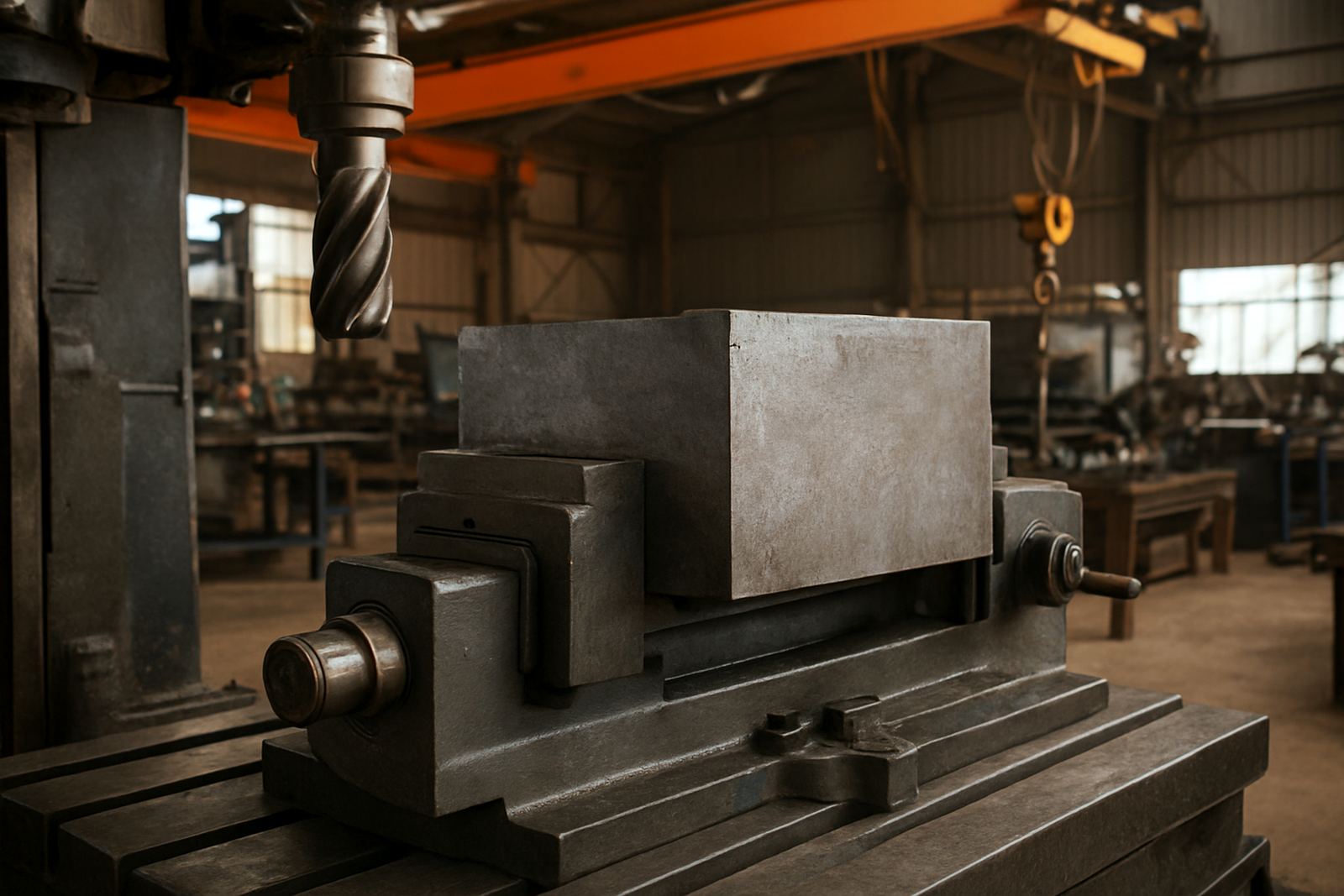
The client was a heavy engineering contractor in Markman handling large component work for local industry and project maintenance. Their roughing operations were losing time because parts were shifting slightly during aggressive cuts, which affected finish, tool life, and operator confidence.
The brief was simple: improve clamping security without slowing the job down. The parts were too heavy to treat like light workshop work, and the team needed a setup that could cope with repeated loading, long machine cycles, and the dust and grit that often come with busy industrial bays in Gqeberha.
They were also working around practical constraints. Floor space was tight, deliveries had to fit around production, and the machine bay could not sit idle for long. In addition, the team wanted a solution that would suit local power interruptions and not depend on complicated extras to keep working from one shift to the next.
What we inspected before changing the setup
We started with an on-site inspection of the machine, the existing holding arrangement, and the actual jobs being run. That included checking jaw condition, clamp contact, runout, and the way the material sat in the vise and fixture under cutting load. We also looked at how the operators were loading parts, because a secure setup is only as good as the process around it.
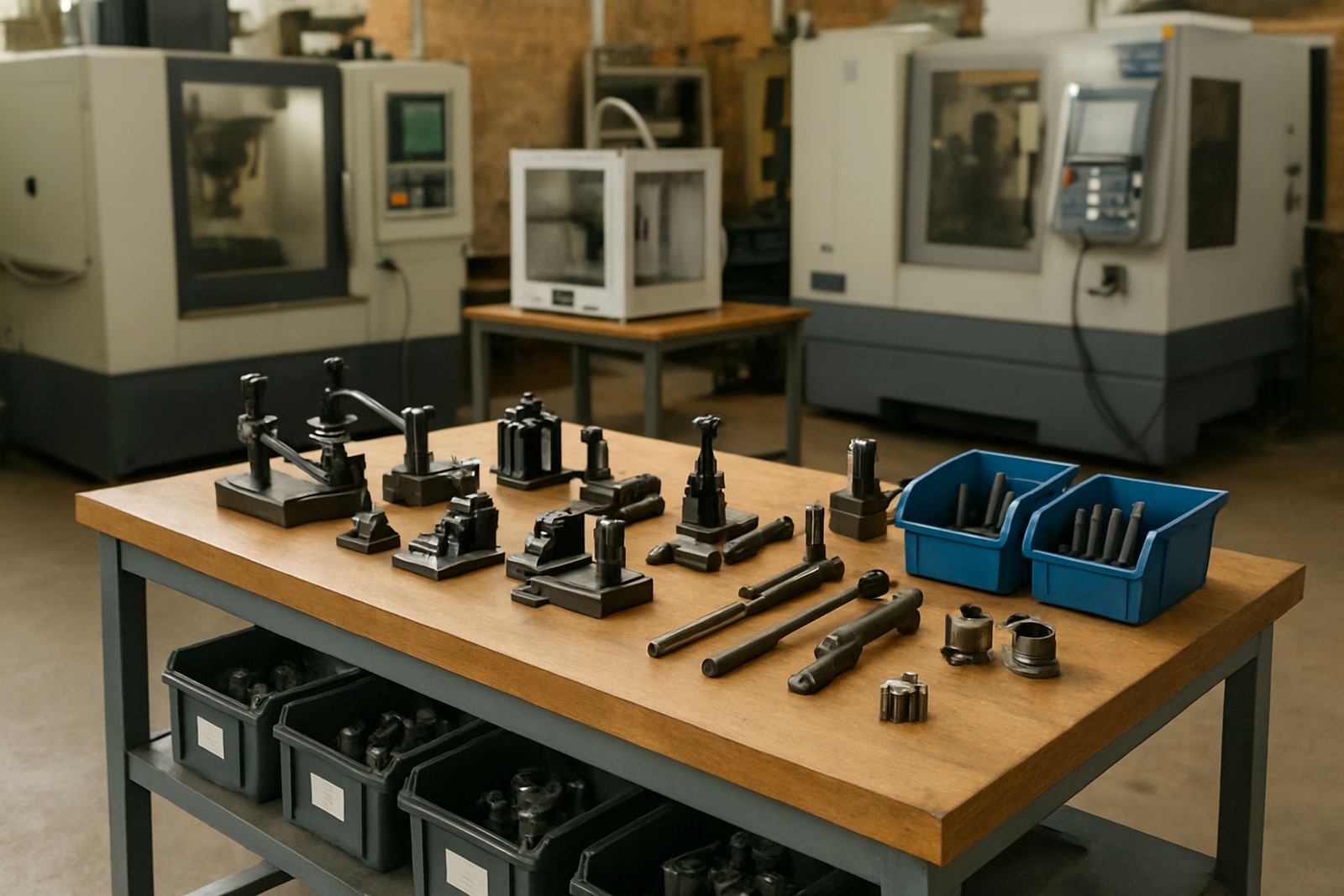
Based on the inspection, we supplied and used a mix of workholding and setup support items suited to large roughing jobs. The goal was to stop micro movement, improve repeatability, and reduce the chance of a part lifting or twisting when the cutter came in hard.
- Workholding components matched to the part sizes being machined
- Precision jaws and alignment checks for better contact across the clamping face
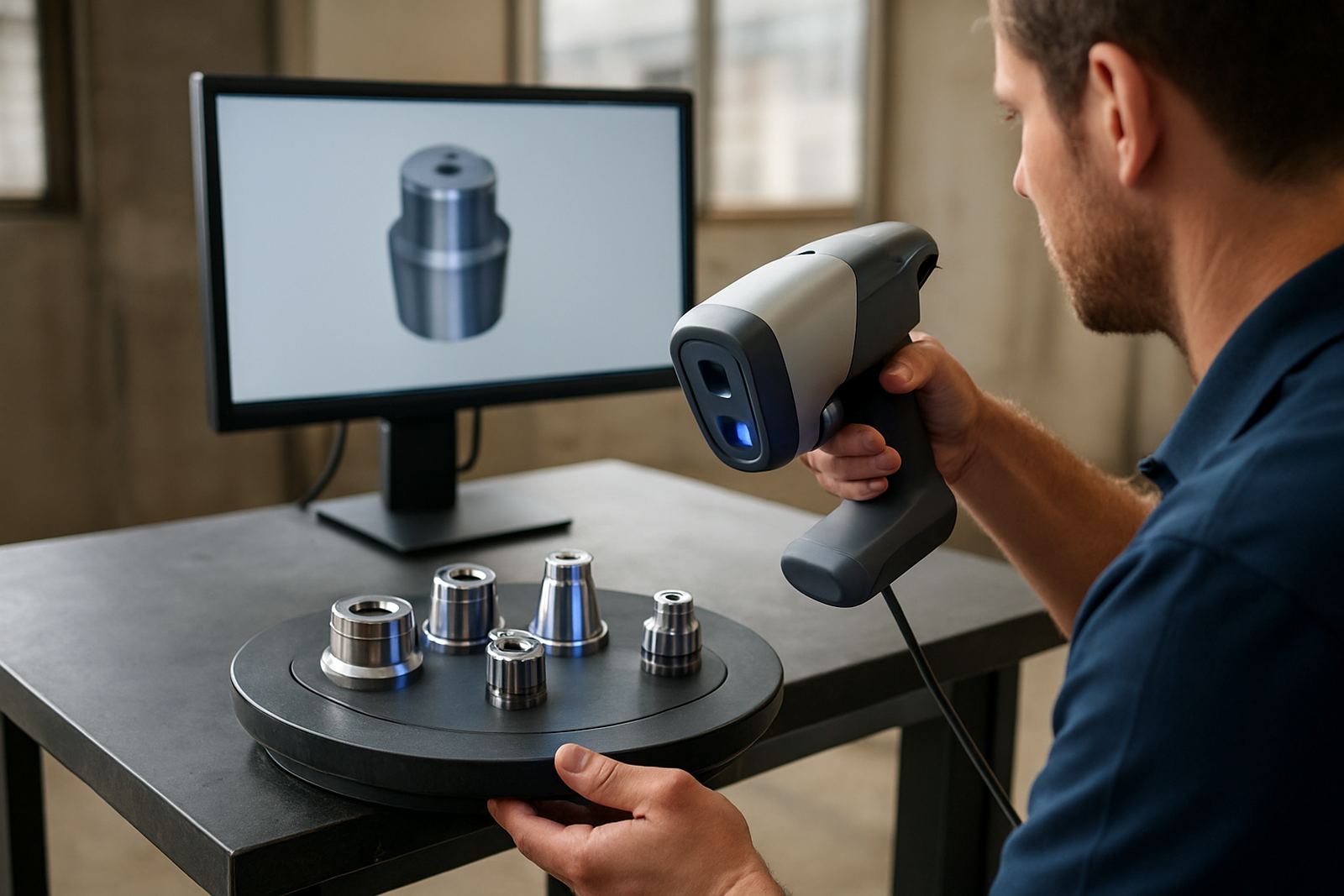
- Presetting and runout verification to reduce setup variation
- Cleaning and inspection of holders before installation
We also checked that the tooling stack made sense from cutter to holder to machine. A good roughing strategy needs the whole chain to work together, not only one item at the spindle.
Two-week turnaround from inspection to stable production
The job moved quickly. Week one was inspection, measurements, and confirming the best holding method for the parts in question. Week two covered fitting, alignment, and a series of test cuts to confirm that the clamping pressure was holding through the roughing cycle. The team then repeated the process across a few similar jobs to make sure the result stayed consistent.
Because the contractor could not afford long interruptions, we arranged collection and delivery for the items that needed workshop attention. That kept the machine bay active while the support work was being completed. It also meant the operators did not have to wait around for parts that could be checked, cleaned, or corrected off site.
- Week 1: inspection, measurement, and setup planning
- Week 2: fitting, alignment, testing, and repeat verification
- Final step: operator handover with practical setup notes
The whole process was handled with a focus on production reality, not theory. The client needed parts on the floor, and we planned for that from the start.
Results on the roughing jobs
Once the revised clamping arrangement was in place, the machine held the heavy parts more securely through the roughing passes. The operator reported less chatter from movement at the contact points, and the team could run the first cuts with more confidence. That mattered because roughing on large stock can be hard on holders, jaws, and cutters if the part is not sitting dead steady.
The improved setup also reduced the time spent rechecking the job between passes. Less interruption meant better throughput, fewer adjustments, and a cleaner handover from one shift to the next. In practical terms, the team could keep production moving without redoing the setup every time a heavier job came in.
For a contractor serving industrial customers in and around Gqeberha, that kind of gain is important. When a part is big, every small movement becomes expensive. The change did not just improve accuracy, it helped protect the machine, the cutters, and the people running the job.
Why the solution suited local manufacturing conditions
Tooling selected the support approach with South African workshop conditions in mind. Markman shops often deal with abrasive dust, frequent changeovers, variable material quality, and the need to keep going when load-shedding interrupts normal rhythm. Equipment has to be simple to maintain, easy to inspect, and dependable under pressure.
That is where proper holder care, jaw condition, and runout control make a real difference. A clean, checked and aligned setup holds its accuracy longer and gives the operator a better base for production. It also helps in coastal conditions where humidity and workshop grime can affect movement, contact faces, and storage if items are not cared for properly.
We did not overcomplicate the job. The client needed practical machining support, not extra steps. So the focus stayed on fit, alignment, and repeatability, with enough workshop support to keep the system serviceable day after day.
What we would repeat on the next heavy job
If we were brought in again for a similar heavy machining job, we would follow the same pattern: inspect the actual parts, confirm the clamping load path, check holder condition, and test the first cuts before the job is released to full production. That approach gives the best chance of catching movement early, while it is still cheap to correct.
We would also keep the handover practical. The operators need clear notes on jaw wear, torque checks, cleaning, and where to look for signs of movement or runout drift. That sort of guidance helps the result last beyond the first shift.
For contractors in Markman, Coega, Struandale, Kariega, Despatch and the Port Elizabeth CBD, this is the type of support that keeps heavy machining work moving. When the parts are large and the cut is aggressive, good clamping is not a bonus, it is part of the production plan.
Key facts
| Project location | Markman, Gqeberha |
|---|---|
| Client type | Heavy engineering contractor |
| Job duration | 2 weeks |
| Core issue | Part movement during large roughing cuts |
| Services used | Workholding supply, runout checks, holder cleaning, collection and delivery |
| Outcome | Improved clamping security and steadier roughing performance |