
Short Runs, Tight Windows, No Room for Drift
The client is a niche manufacturer in Humewood, Gqeberha, handling repeated small batches for local customers and a few national orders. Their problem was simple to state but hard to fix: every run needed accurate tool setup, yet the machine time lost on measuring, adjusting and proving each job was hurting output.
They wanted a setup method that would suit mixed parts, frequent tool changes and a workshop that sometimes has to work around load-shedding. The brief was to improve short-run setup speed, keep tool offsets repeatable, and reduce the number of parts scrapped during first-off checks. They also needed a solution that would hold up in a coastal environment where humidity, dust and daily handling can affect tooling and fixtures.
What We Had To Work Around In The Workshop
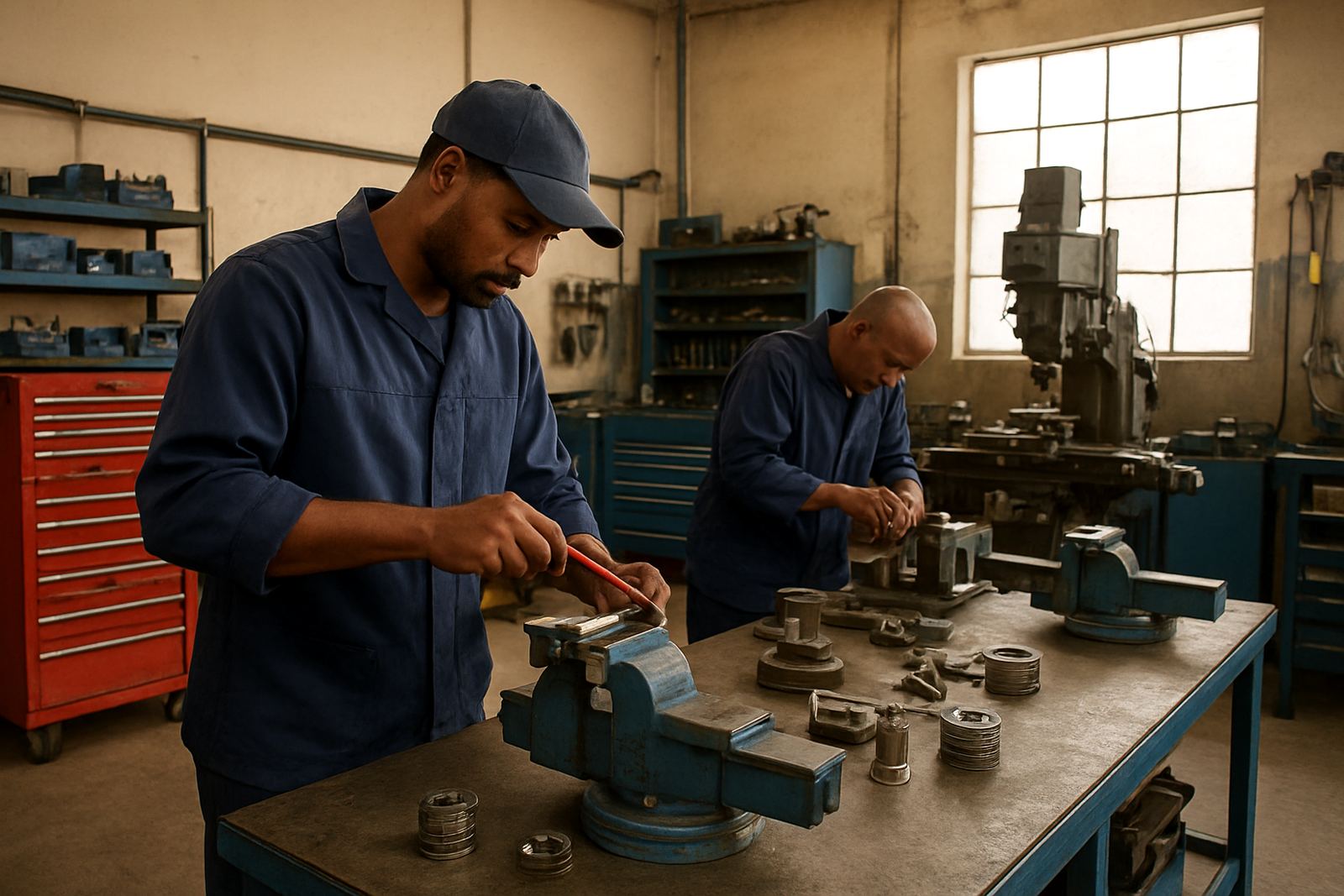
The site had limited floor space, and the team could not afford to remove a machine from production for long periods. They also needed to keep the existing workflow intact because operators were already split between programming, setting and finishing. The workshop runs a practical shift pattern, so any new process had to fit into normal handover times and not add more admin.
- Mixed part sizes with short repeat orders
- Frequent tool swaps and fixture changes
- Need for better repeatability on first-off parts
- Limited setup time between jobs
- Humidity and dust from a coastal industrial area
Because the parts were varied, the main risk was building a setup process that worked on one job but slowed everything else down. We therefore focused on a modular approach rather than a single-purpose fixture package.
Presetting And Modular Clamping We Supplied
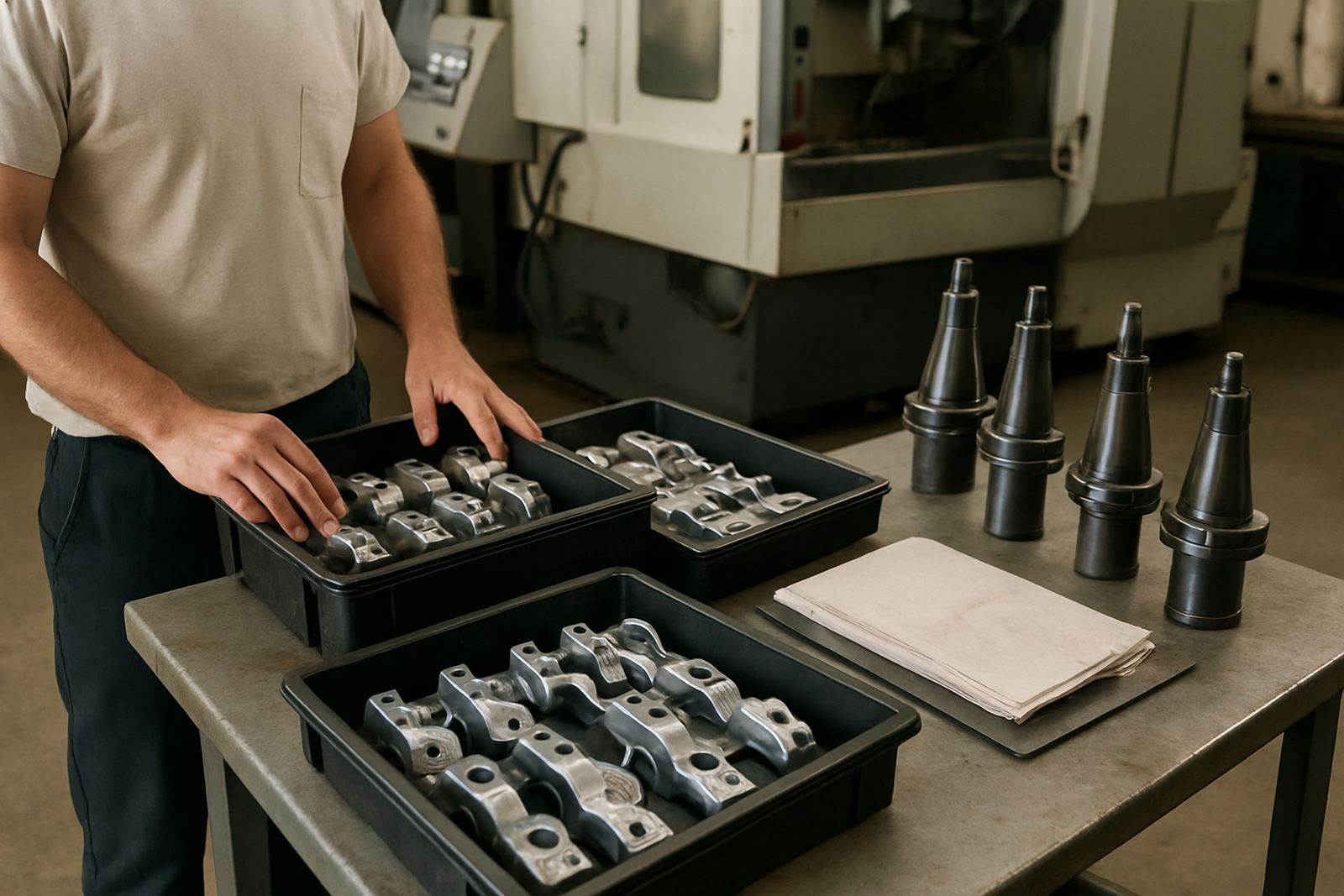
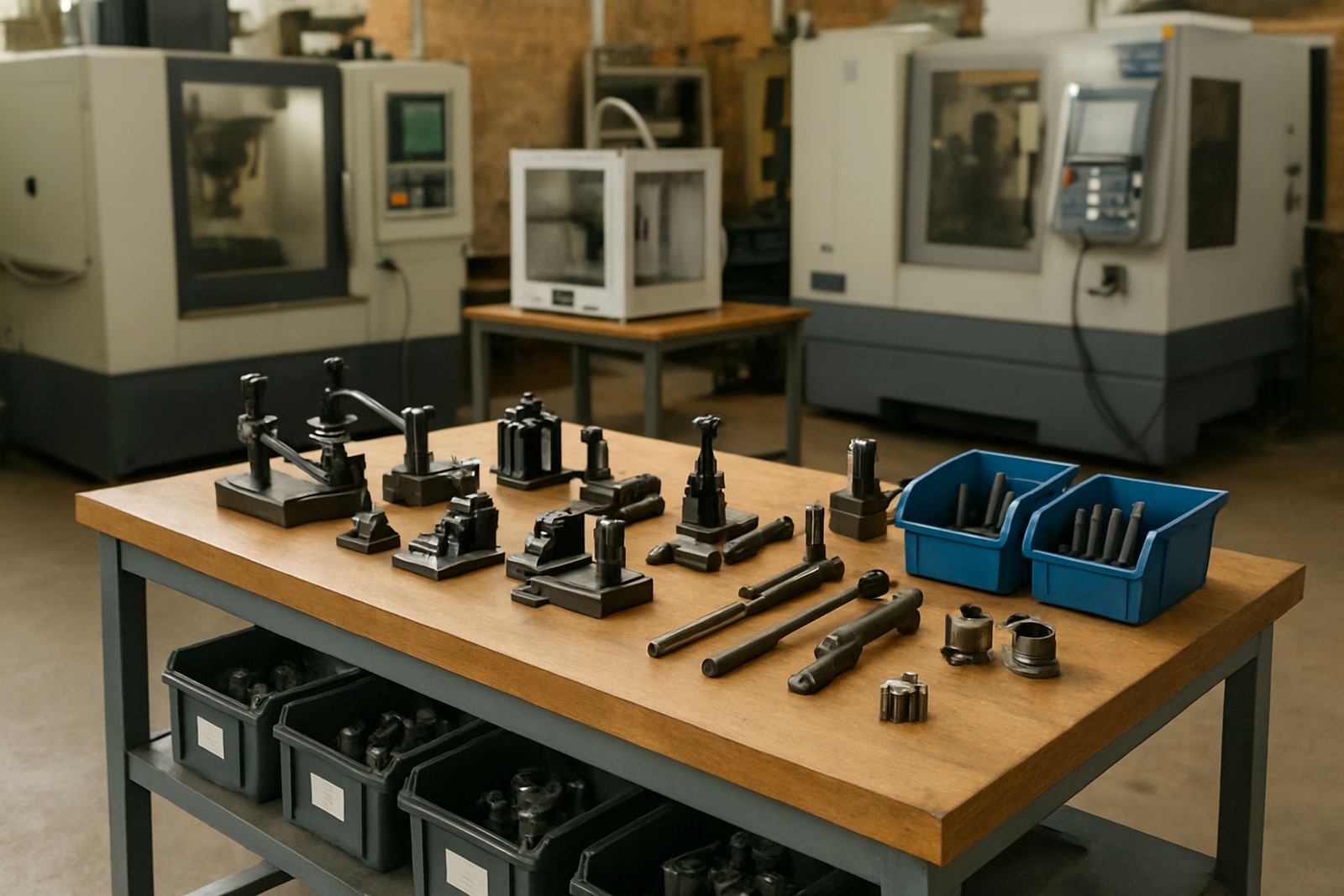
We supplied a presetting-led workflow built around accurate tool preparation off the machine, plus modular clamping that could be rearranged for different part families. The key aim was to move as much measuring and verification as possible out of the production window. That gave the operators a cleaner start when the machine was ready to run.
We also carried out runout checks, holder cleaning and inspection of the tooling interface before commissioning. In parallel, our applications support covered vise alignment, chuck jaw machining where needed, and a practical clamping layout that allowed quicker job changes. The team was shown how to keep preset records, verify tool length, and re-check critical tool positions after a changeover.
- Presetting for repeat tool length and diameter data
- Modular clamping to suit varied component sizes
- Runout verification to improve first-off confidence
- Alignment support for vises and workholding faces
- Cleaning and inspection of holders before use
The result was a setup process that felt less rushed and more controlled, which matters when a short run only gives you one chance to get it right.
Timeline From Site Review To Live Use
The work was completed over three weeks. In week one we reviewed the existing setup routine, measured the current changeover steps, and identified the fixtures and holders that were costing the most time. Week two was spent on presetting preparation, clamping layout planning and the first round of checks on tool condition and machine interface. In week three we supported the live changeover, made final adjustments and confirmed the new process on real parts.
The handover also included a service plan for collection and delivery of tooling items that needed external attention. That kept the workshop from losing time on transport and meant worn parts could be sorted without disrupting the schedule. One useful part of the project was that the operators could see what changed at each stage, so the new method did not feel forced on them.
Measured Results On The Floor
Once the presetting and modular clamping were in use, the workshop cut short-run setup time and reduced the back-and-forth that usually happens during a first-off. Changeovers became more predictable, and operators spent less time chasing small tool corrections before production could start. That saved machine time, and also reduced stress during busy shifts.
The client reported better repeatability from one batch to the next, especially on jobs with only a handful of parts. First-off checks became cleaner, and the team had more confidence in the tool data used for repeat runs. In practice that meant fewer interruptions and a better flow when multiple small orders landed close together.
- Faster setup on repeat short runs
- Less time spent correcting tool offsets on the machine
- Better consistency between first-off and repeat batches
- Reduced scrap risk during early parts
- More stable workflow during busy production periods
What We Would Repeat On A Similar Job
If we were doing this again for another small-batch manufacturer, we would take the same practical route: measure the present setup properly, reduce dependence on on-machine adjustments, and match the clamping system to the part mix instead of trying to force one standard fixture onto every job. That approach gives better results in a workshop that handles varied work and does not have spare hours for unnecessary adjustment.
We would also keep the support close to the operator. A good setup method only works if the people using it trust the measurements and can repeat them on a Monday morning or after a power interruption. For coastal sites like Humewood and the rest of Gqeberha, we would keep holder care, inspection and cleaning in the normal routine so corrosion and dirt do not creep in.
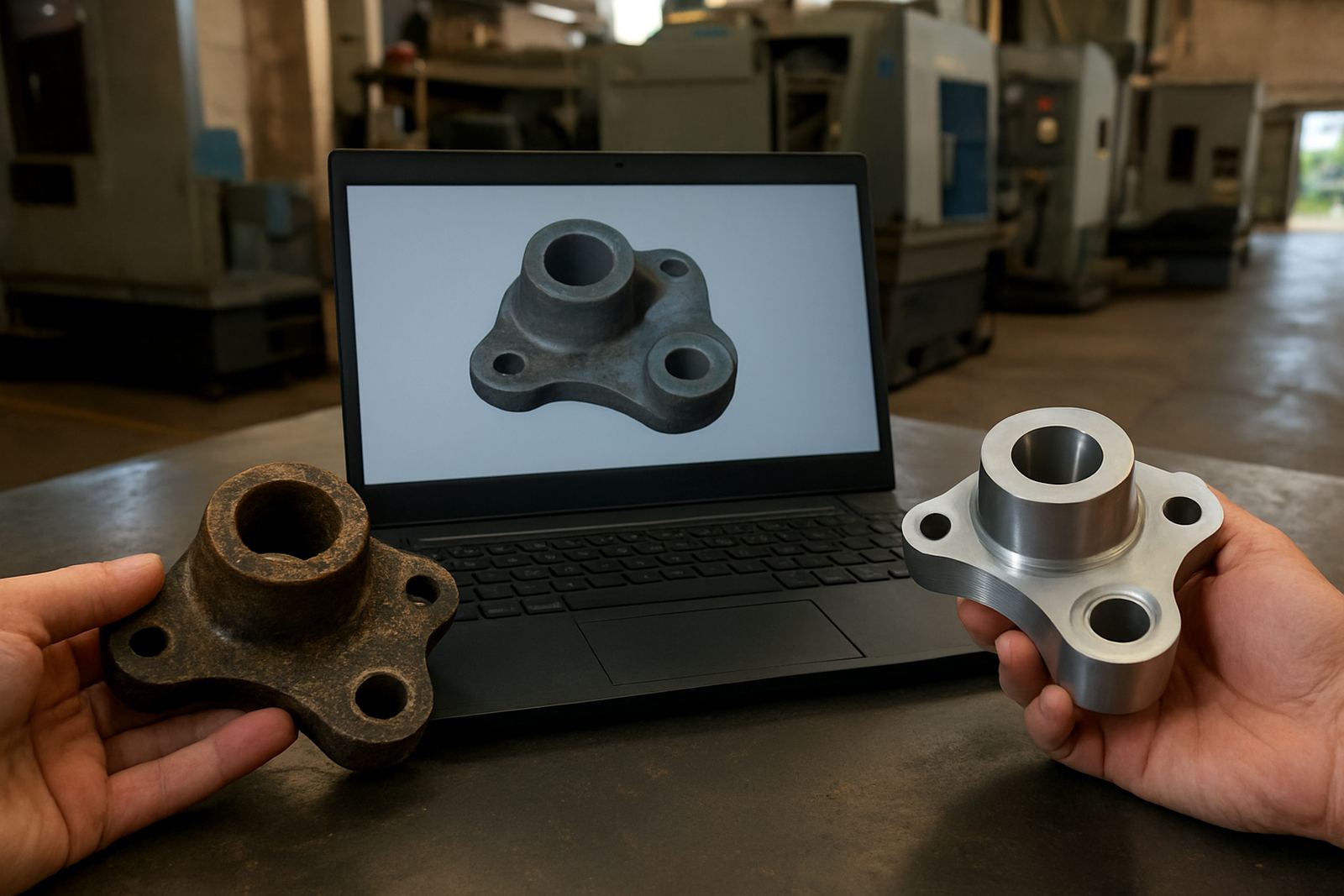
Tooling supports machine shops across Struandale, Markman, Coega, Kariega, Despatch and the Port Elizabeth CBD with presetting, scanning, printer care and workshop tooling support. For jobs that need tighter setup control, the important part is not just the equipment, its the process around it.
Key facts
| Project location | Humewood, Gqeberha |
|---|---|
| Client type | Niche small-batch manufacturer |
| Core solution | Presetting and modular clamping |
| Services used | Runout checks, holder cleaning, vise alignment, chuck jaw machining, presetting service |
| Timeline | 3 weeks from review to live use |
| Outcome | Faster changeovers, better repeatability, less scrap risk on short runs |