
Farm workshop pressure in Greenbushes
The client is a busy agricultural repair workshop in Greenbushes, just outside Gqeberha, serving local farms and contractors that cannot afford long downtime during planting and harvest windows. Their lathe and milling work covered worn shafts, hubs, bearing seats and spacer components, with jobs ranging from quick bush repairs to repeat runs on the same parts.
The problem was not lack of skill. The team knew the machines well but they were losing time to inconsistent clamping, tool movement under load and too many second passes to clean up finish. On older farm parts, the material can be uneven, rusted or previously repaired, so if the toolholding is not right the job starts drifting from the first cut. That meant longer turnaround and more call backs from the field.
They asked for a practical setup that would hold size better, reduce chatter and make repeat jobs quicker to set up. The brief also needed to suit a workshop that works through load shedding and has to keep production moving with limited machine time.
The brief: faster setup, tighter repeatability
We mapped the job around the parts they machine most often, especially shafts with small diameter changes and hubs that need concentricity preserved after repair. The target was to improve runout control, cut setup time and give the operators a cleaner baseline for turning, facing and light milling.
The workshop needed support in three areas:
- Better toolholding for repeat turning and finishing on shafts up to 120 mm diameter
- More stable workholding for hubs and flange parts with uneven faces
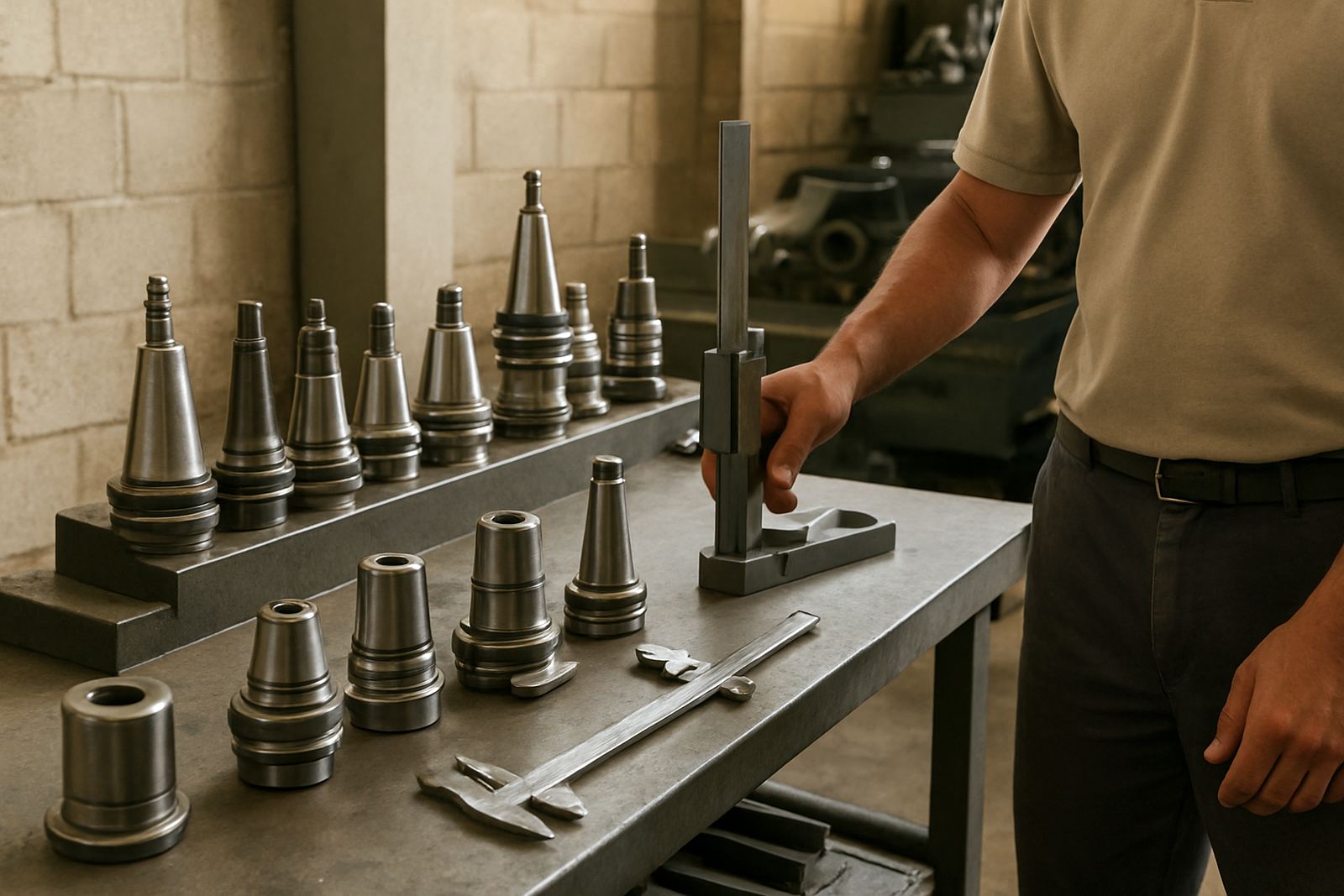
- Simple inspection checks so they could confirm accuracy before parts left the shop
They also wanted equipment and consumables that would suit standard local machine shop practice. No fancy process changes, just gear that holds properly, can be maintained in house and gives the same result on a Monday morning as it does on a Friday afternoon.
What we supplied and set up
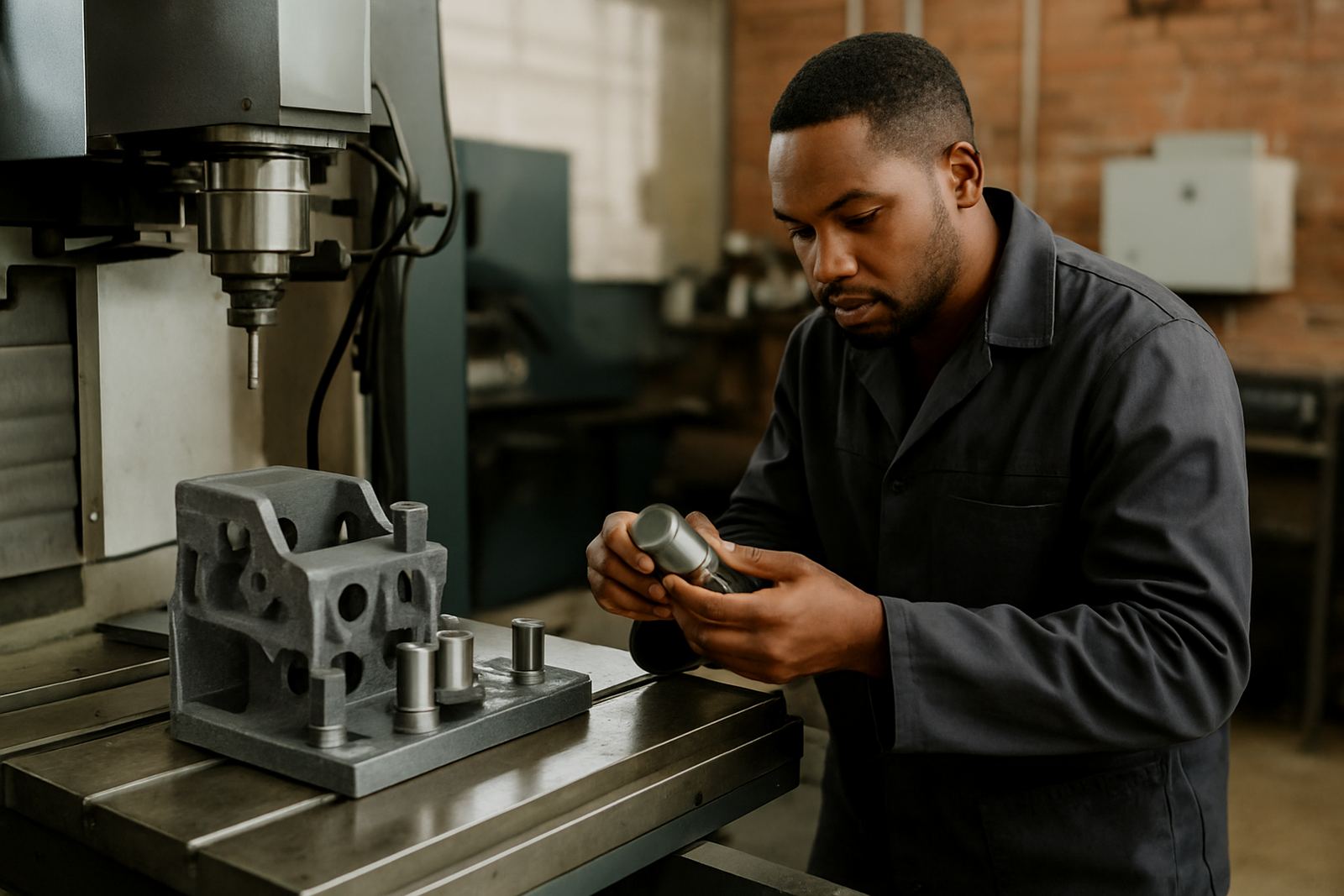
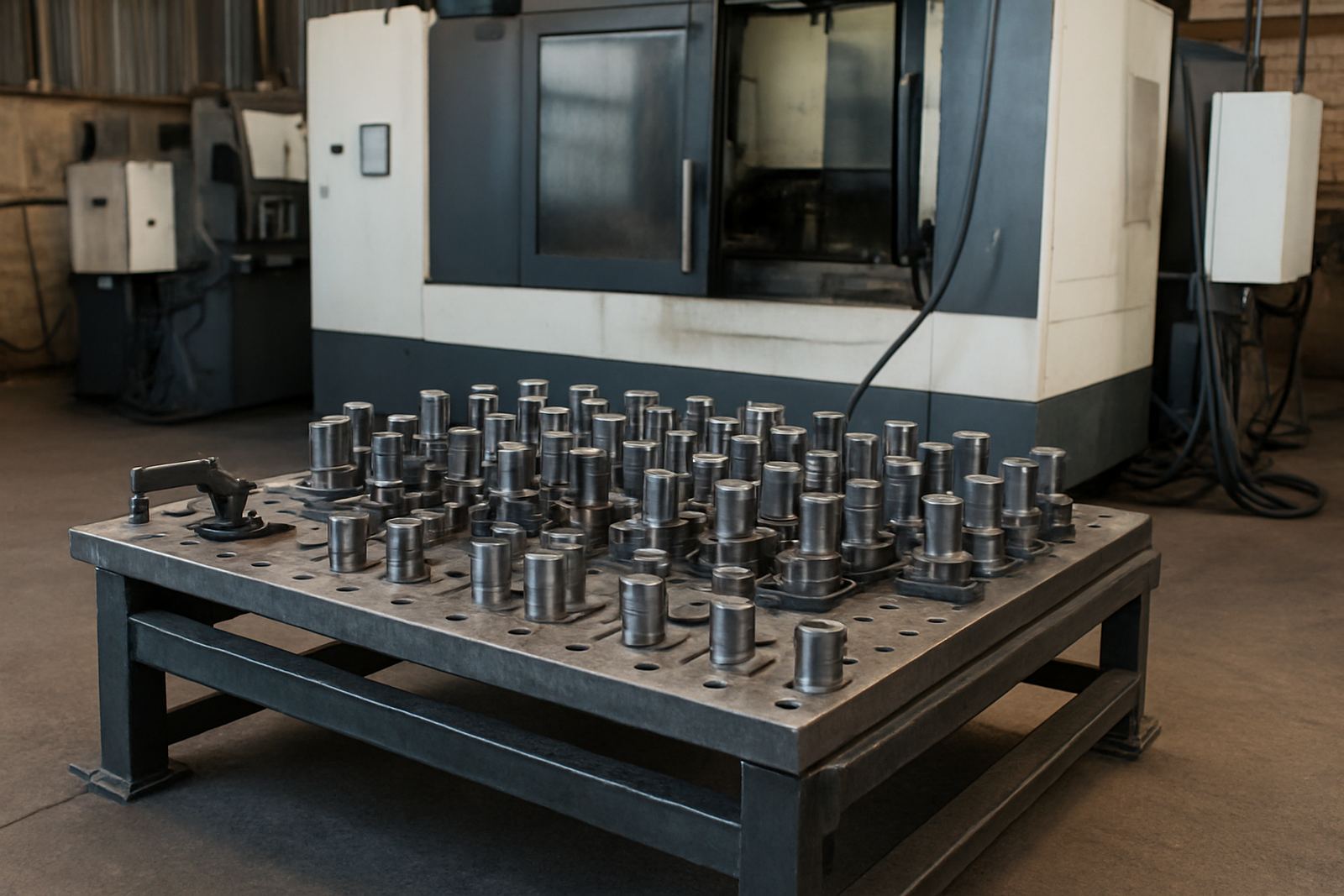
We supplied a matched package of toolholders, collets and workholding items, then supported the team with presetting and alignment checks. The setup included precision toolholders for turning and finishing tools, a collet system for smaller diameter work and a sturdy clamping arrangement for hubs and awkward repair pieces. We also carried out holder cleaning, runout checks and vise alignment on the shop floor.
For the recurring shaft work, we concentrated on reducing tool deflection and tightening tool position consistency. For the hubs, we reviewed jaw contact and clamping position so the part sat square before machining started. That small change made a real difference on parts with prior wear or distortion, which is common in farm repair work.
- Toolholders matched to the workshop’s main lathe and milling operations
- Collets for repeat shaft sizes in the 6 mm to 32 mm range
- Workholding for parts up to 200 mm outer diameter
- Runout checks recorded to help operators set jobs faster
Machine room support over three weeks
The job was completed over three weeks. Week one was site assessment, measurement and picking the right holding solutions. Week two covered supply, fitting and alignment on the main machines. Week three focused on operator handover, presetting routine and checking the first batch of repaired parts.
We also gave the team a clean-up schedule for holders and jaws because in a farm workshop dust, swarf and oil carry-over can build up quickly. A quick holder clean between batches often sounds small but it helps keep repeatability where it should be. The same applies to collets and jaws after a run of rusty or dirty parts.
Because the site works around power cuts, the process was set up so the team could still complete useful prep work when the machines were off. That included inspection, holder maintenance and setting up the next batch of parts, so the workshop was not waiting around when power came back.
Results on shafts and hubs
After the changeover, the workshop saw quicker setup on repeat jobs and less rework on finishing cuts. The improved toolholding reduced visible chatter on the shaft shoulders and gave a cleaner surface on hub faces. More importantly the operators had confidence that the first cut was closer to final size, which saved time on every batch.
Measured against their previous method, the team reduced repeat adjustment on common jobs and improved concentricity control on repaired parts. They also reported fewer issues with parts that came back for a second skim because the holding was not true the first time. On a workshop level that means more completed jobs per week and less pressure when trucks are waiting in the yard.
- Shorter setup times on repeat shaft work
- Better consistency on hub faces and bearing seats
- Less chatter on finishing cuts
- Lower rework rate on common agricultural repairs
What we would repeat on similar farm work
We would handle a similar job the same way again: assess the common parts first, measure actual machine condition, then choose the toolholding around the job rather than around catalogue sizes alone. That approach matters in South African farm repair work because parts are often older, mixed in condition and required back in service quickly.
For a workshop in Greenbushes or anywhere around Gqeberha, the practical wins come from good holding, clear measuring and maintenance that the team can keep up with. The result is not just cleaner machining, it is a better rhythm in the shop and fewer surprises once the repaired part goes back into the field. Honestly, that is where the value sits.
If a farm workshop is doing regular shaft, hub or flange work we would also suggest a scheduled holder inspection routine, simple presetting checks and regular jaw machining where needed. Those small habits keep the whole setup honest over time, especially when production is affected by load shedding and seasonal rushes.
Key facts
| Project | Greenbushes Farm Parts |
|---|---|
| Location | Greenbushes, Gqeberha |
| Client type | Agricultural workshop |
| Timeline | 3 weeks |
| Main work | Toolholding, workholding, inspection support |
| Key parts | Shafts, hubs, bearing seats and flange repairs |