A Maintenance Team in Despatch Needed Faster Setups
The client was a small maintenance and repair team in Despatch supporting production equipment across a busy plant. Their machinists were doing short-run work, breakdown repairs and repeat jobs, so the toolroom had to stay tidy, traceable and ready for the next callout. Tools were being stored in mixed drawers and on open shelving, which slowed down changeovers and made it harder to keep track of wear items.
The brief was practical. Reduce wasted search time, improve tool life and set up the room so that common tooling could be picked, checked and returned fast. The team also wanted a setup that could cope with load shedding and occasional interruptions without losing order. On top of that, the room had to stay workable in summer heat and coastal humidity, which can affect steel tools, collets and measuring gear if they are left exposed.
What Was Holding the Toolroom Back
Before the upgrade, the main issue was inconsistency. Some holders were labelled, some were not. Cutting tools were stored beside setup parts, and gauges were kept in different places depending on who had last used them. The team had no clear quick-change routine, so each setup started with a search through drawers, boxes and benches. That cost minutes on every changeover, and those minutes added up during a shift.
The room was also carrying a mix of older and newer equipment, which made control more difficult. There was no standard place for preset tools, no dedicated cleaning point for holders, and no formal check before returning items to storage. For a maintenance team working across breakdowns, services and small production batches, that kind of drift can quickly turn into damaged tooling or poor repeatability.
- No fixed storage layout for holders, collets and cutters
- No clear return point for preset and inspected tools
- Slow setup due to repeated searching and rechecking
- Risk of rust, dust and handling damage in humid conditions
What We Supplied and Set Up
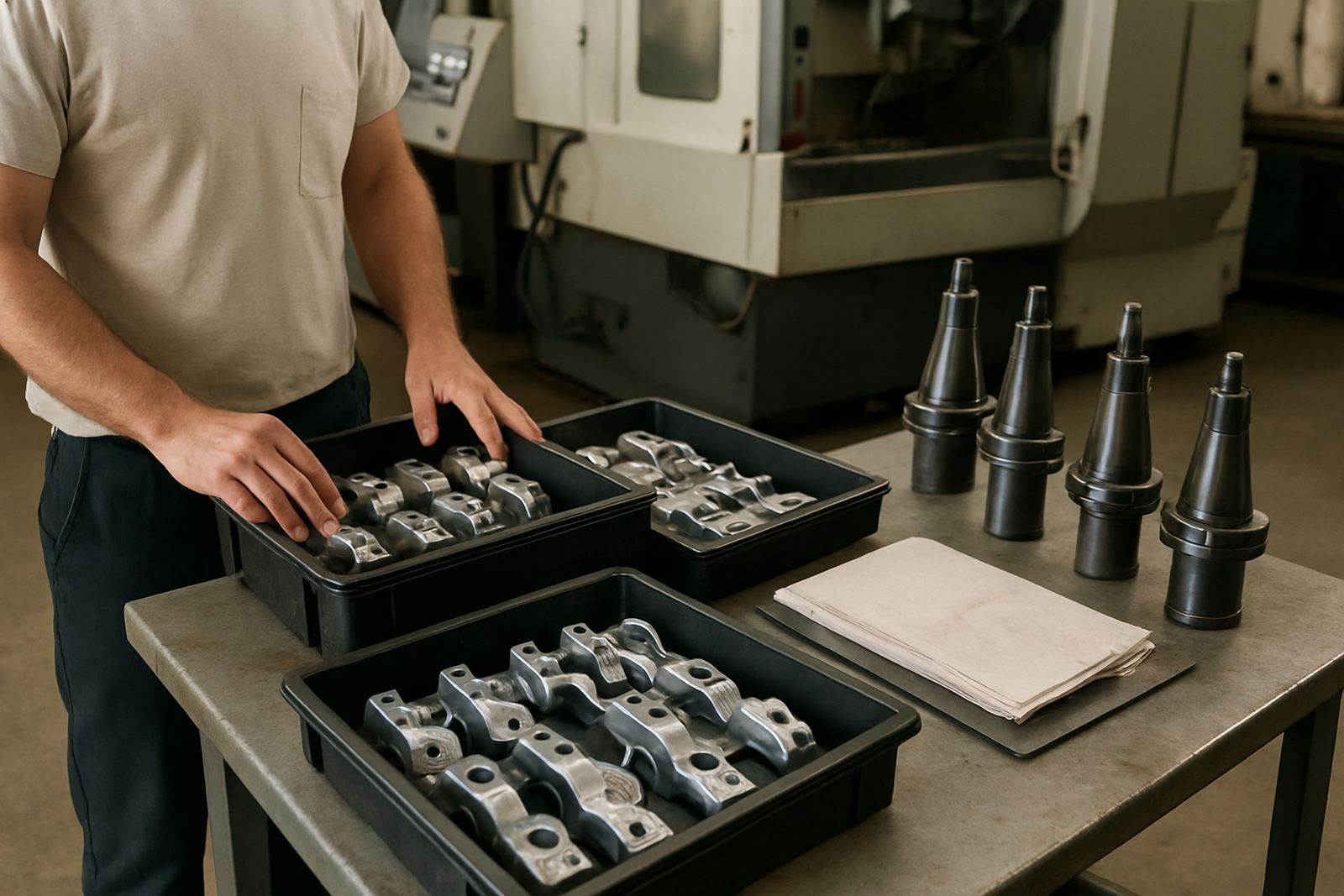
We supplied a practical toolroom upgrade focused on control, storage and repeatability. The work included holder cleaning support, runout checks, tool inspection and a tidy storage layout for the most used items. We also set up quick-change practices around preset tooling so the team could prepare jobs in advance rather than starting from scratch at the machine.
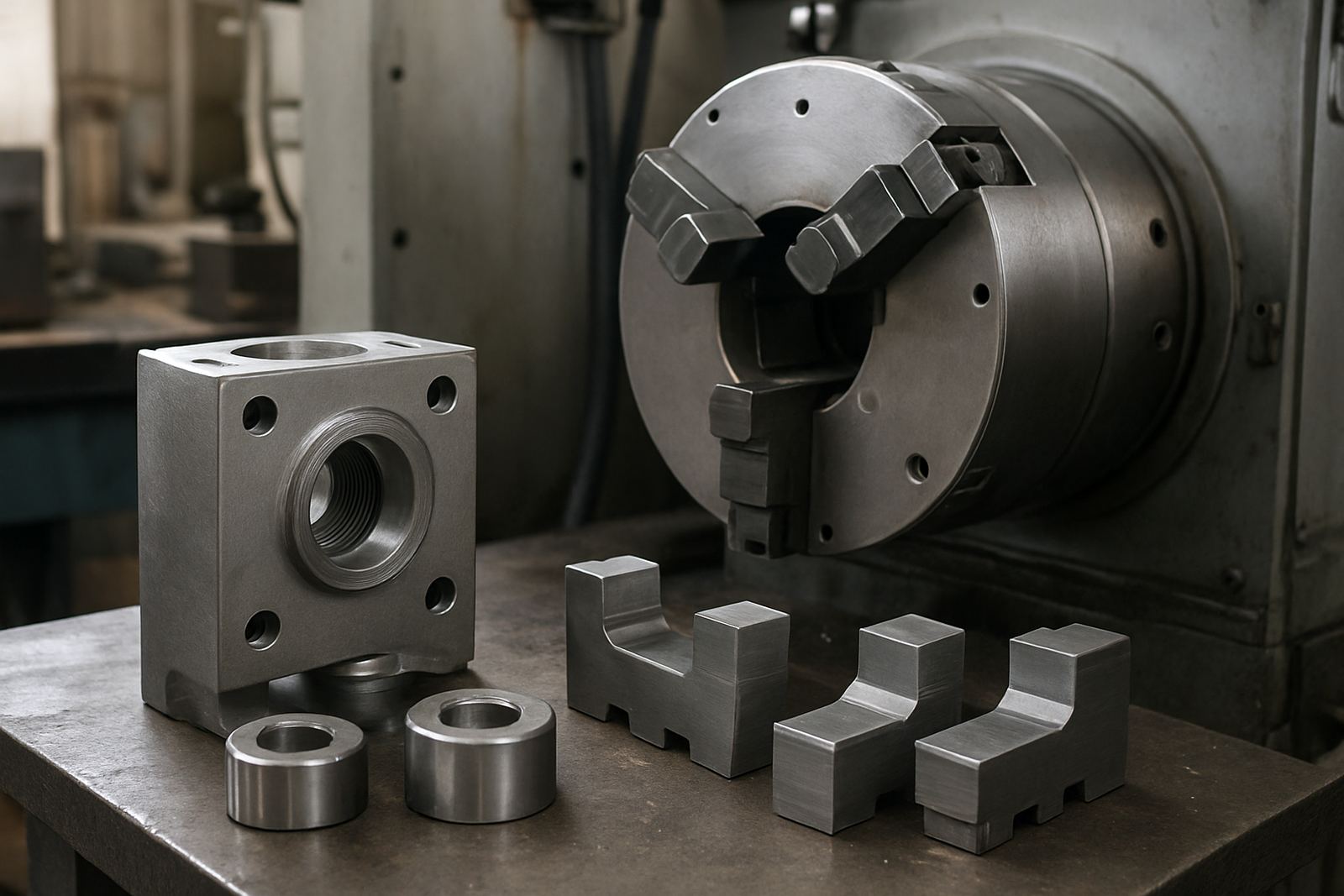
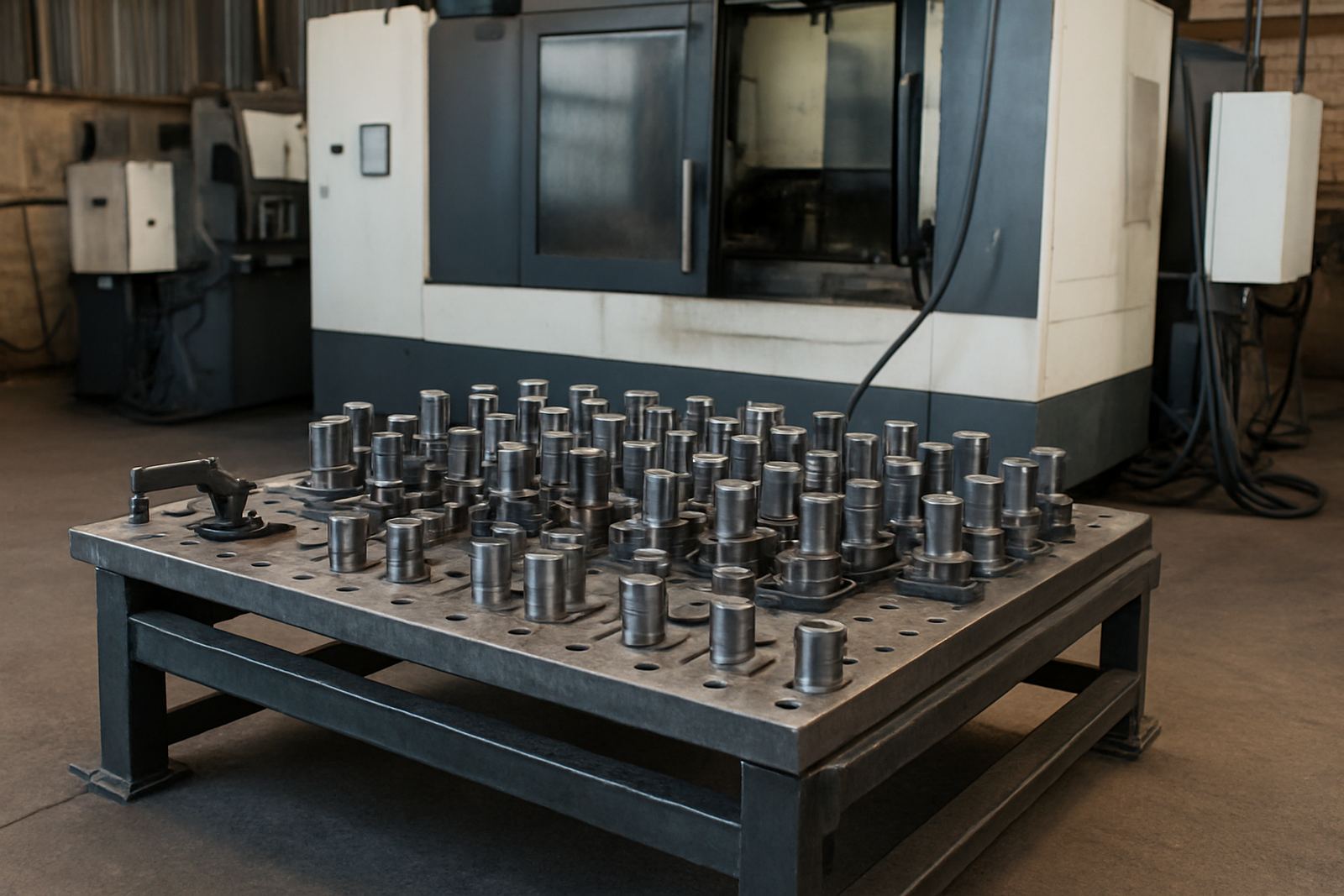
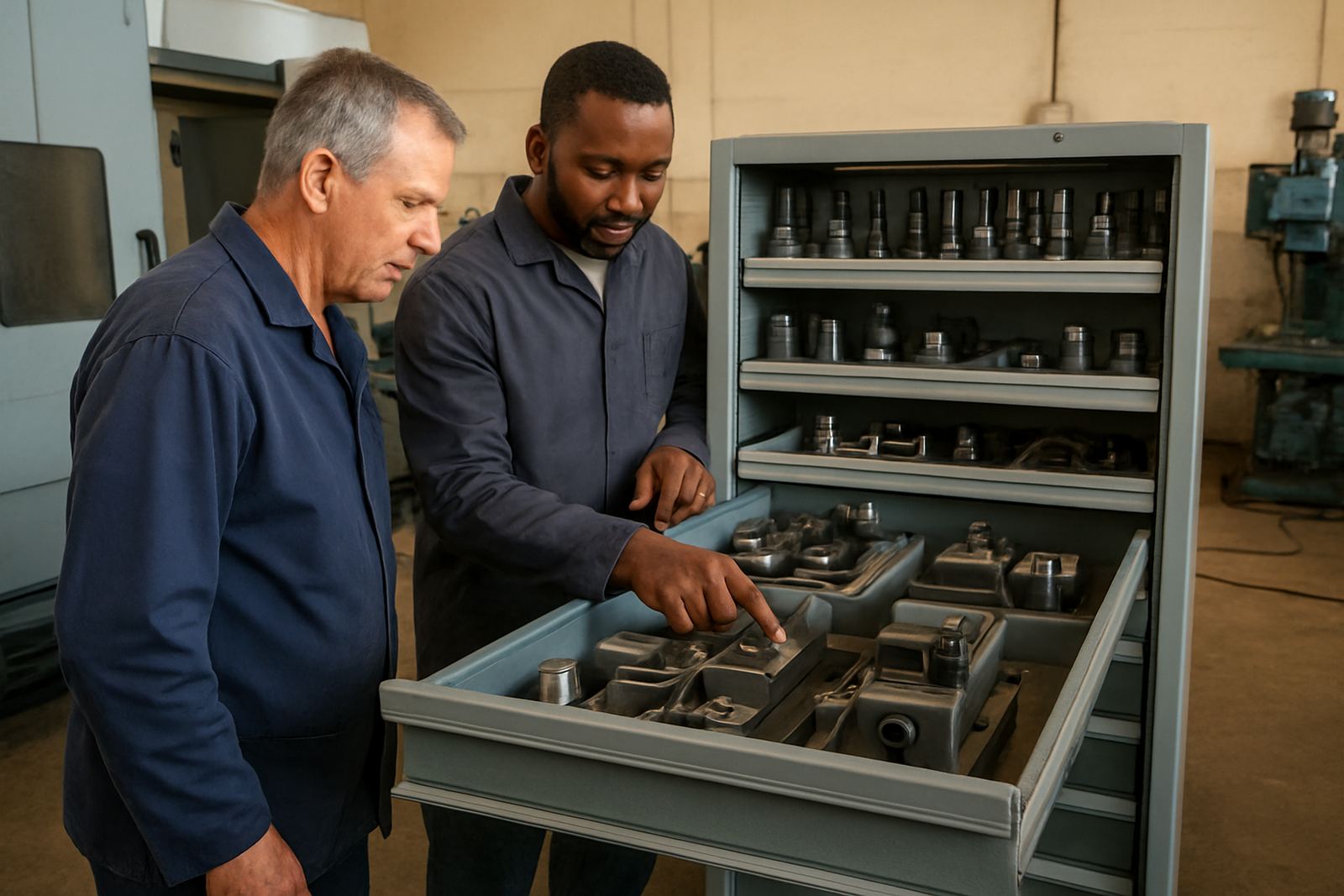
For the core tooling, we worked with standard collets, holders and workholding accessories suited to the team’s machines. The storage layout was arranged so that high-use items sat nearest the prep area, with less-used equipment stored separately. Each holder type was grouped by size and application, and we added a simple visual system so operators could see at a glance what was ready for use. The room was also organised to keep measuring and checking tools away from dirty handling areas.
- Holder cleaning and inspection routine
- Runout checks on selected tool assemblies
- Presetting support for repeat jobs
- Clear storage zones for collets, holders and gauges
- Simple visual identification for quick picking
Three-Week Rollout with Minimal Disruption
The upgrade was completed over three weeks. In week one, we assessed the room, grouped the tooling by frequency of use and mapped the existing setup flow. Week two focused on cleaning, checking and relabelling the main holder sets, then arranging the storage in a way that matched the team’s actual work patterns. In week three, we supported the new quick-change routine, checked the first few preset setups and adjusted the layout where needed after live use.
We kept the process simple because the team could not afford long downtime. Parts of the work were done around shift gaps, and the toolroom stayed usable while the changes were being made. That mattered for a site running day-to-day maintenance and emergency repairs, where one missed setup can hold up several other jobs. The final handover included basic care notes so the team knew how to keep the storage system in order.
Results on the Shop Floor
Once the new layout was in place, the team saw quicker prep and fewer interruptions at the machine. Operators could find the right holder or collet faster, and preset tools reduced the number of repeat checks before cutting. The toolroom also stayed cleaner because there was now a clear place for cleaned holders, inspected items and tools waiting for issue.
From a production point of view, the biggest gain was consistency. The team had a repeatable process for setup, checking and return, which helped cut down on tool mix-ups and unnecessary handling. In a coastal town like Despatch, that matters because steel tools do not forgive poor storage for long. Better organisation also made it easier to spot worn parts early, so they could be serviced before they caused a stoppage.
- Faster tool selection during changeovers
- Better control of inspected and preset items
- Lower risk of damaged or missing tooling
- Cleaner storage suited to humid conditions
- More repeatable setups for short-run work
What We Would Repeat on the Next Upgrade
If we were doing the same job again, we would start with the storage map and the setup routine before moving any equipment. That makes it easier to fit the room around real work, not the other way round. We would also keep the first review tight after a week or two of live use, because that is when small changes show up in the day-to-day flow.
For a maintenance toolroom, the best results usually come from simple discipline rather than fancy kit. Clean holders, clear labels, fixed return points and regular checks do more for uptime than a crowded shelf full of spares. In this project, that approach gave the Despatch team a room that is easier to manage and quicker to work from, even when the plant is under pressure.
Tooling Support for Machine Shops Nationwide
Tooling works with machine shops, maintenance teams and production plants from Struandale in Gqeberha to sites across South Africa. We support toolroom upgrades, holder cleaning, tool inspection, presetting, scanner calibration, printer maintenance and collection and delivery where needed. For teams in Despatch, Markman, Coega, Kariega and Port Elizabeth CBD, the aim stays the same: keep the tooling in order, reduce wasted time and make every setup count.
We are set up for practical work on the ground, not just supply off a catalogue. That includes advice on toolroom control, wear checks, and how to keep things working when power cuts or weather conditions get in the way. When a shop floor needs better order, the first step is often a cleaner setup system and a clearer place for every tool.
Key facts
| Project town | Despatch |
|---|---|
| Client type | Maintenance and repair team |
| Project duration | 3 weeks |
| Main focus | Organised storage and quick-change setup practices |
| Key services | Tool Inspection, Holder Cleaning, Runout Checks, Presetting Service |
| Location served | Nationwide from Struandale, Gqeberha |