
When production has to keep its rhythm
In production machining, the client is usually not looking for a one off special. They need parts coming off the machine the same way all day, often across several shifts, with minimal drift in size or finish. That means the full setup matters: machine, tool holding, collets, fixtures, measuring routine and how quickly an operator can reset after a changeover.
We see this most often in Struandale, Coega, Markman, Kariega and Despatch, where shops are balancing delivery dates, labour availability and power interruptions. When load-shedding or a machine stop hits, the next start up has to be clean. A production line cannot afford to spend half a shift proving a setup again.
Typical equipment for repeat runs
A production cell usually works best when the cutting tools are held consistently and the work is located the same way every time. For turning and milling work, the most common set includes tool holders, collets, face mills, drills, boring bars, vises, jaws and dedicated workholding. For higher volume jobs, presetting, runout checks and holder cleaning should be part of the normal routine not an emergency fix.
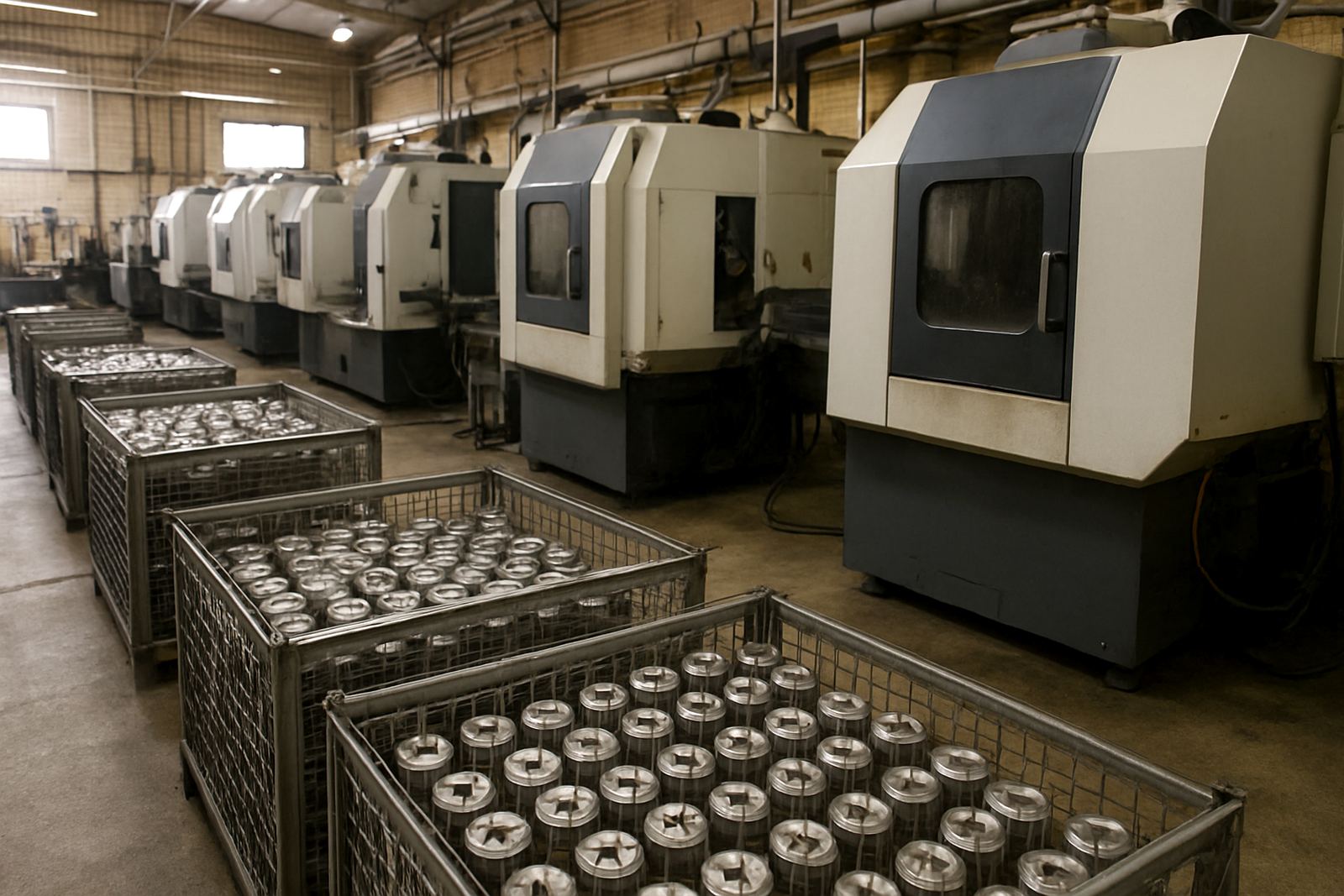
- CNC turning centres and machining centres for repeat parts
- Tool holders, collets and chucks for stable tool grip
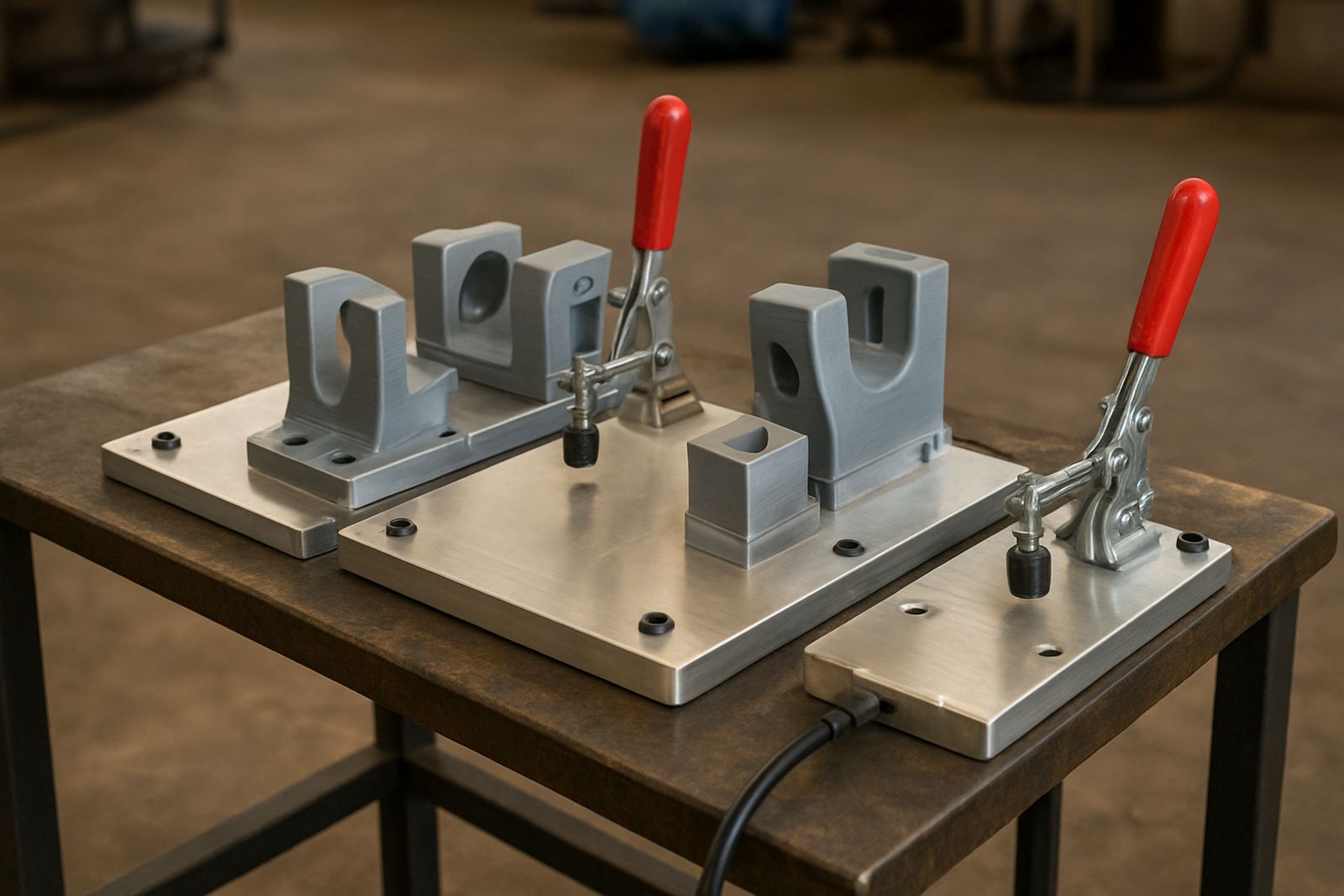
- Vises, soft jaws and dedicated fixtures for part location
- Presetting and runout control to reduce trial cuts
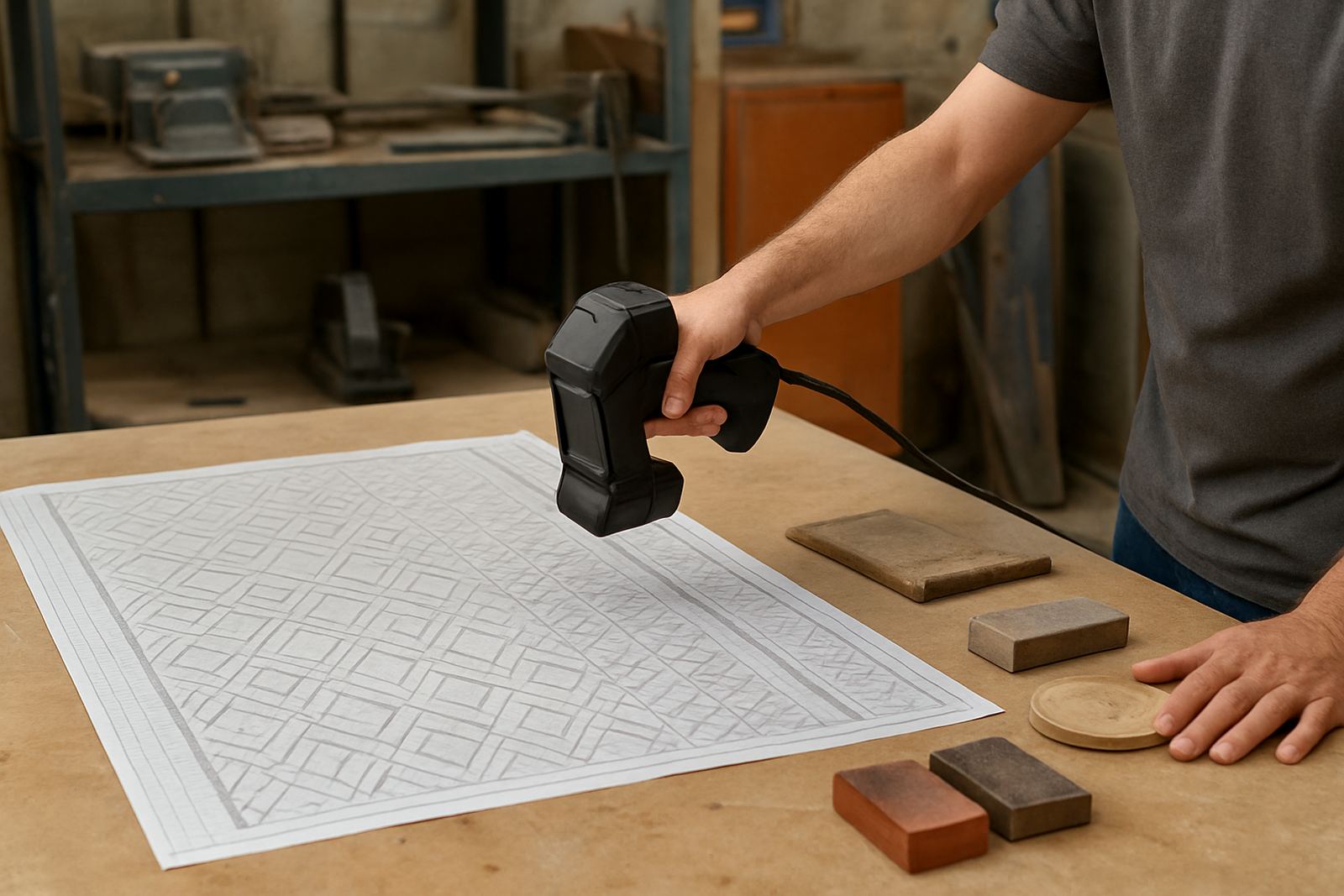
- Scanner and printer systems where reverse engineering or additive parts are required
In many cases the biggest gains come from simple housekeeping. A holder with dirt in the taper, a jaw face with wear, or a collet that has lost grip can create variation that shows up late in the shift. It is small stuff, but it costs money.
Planning the layout for faster changeovers
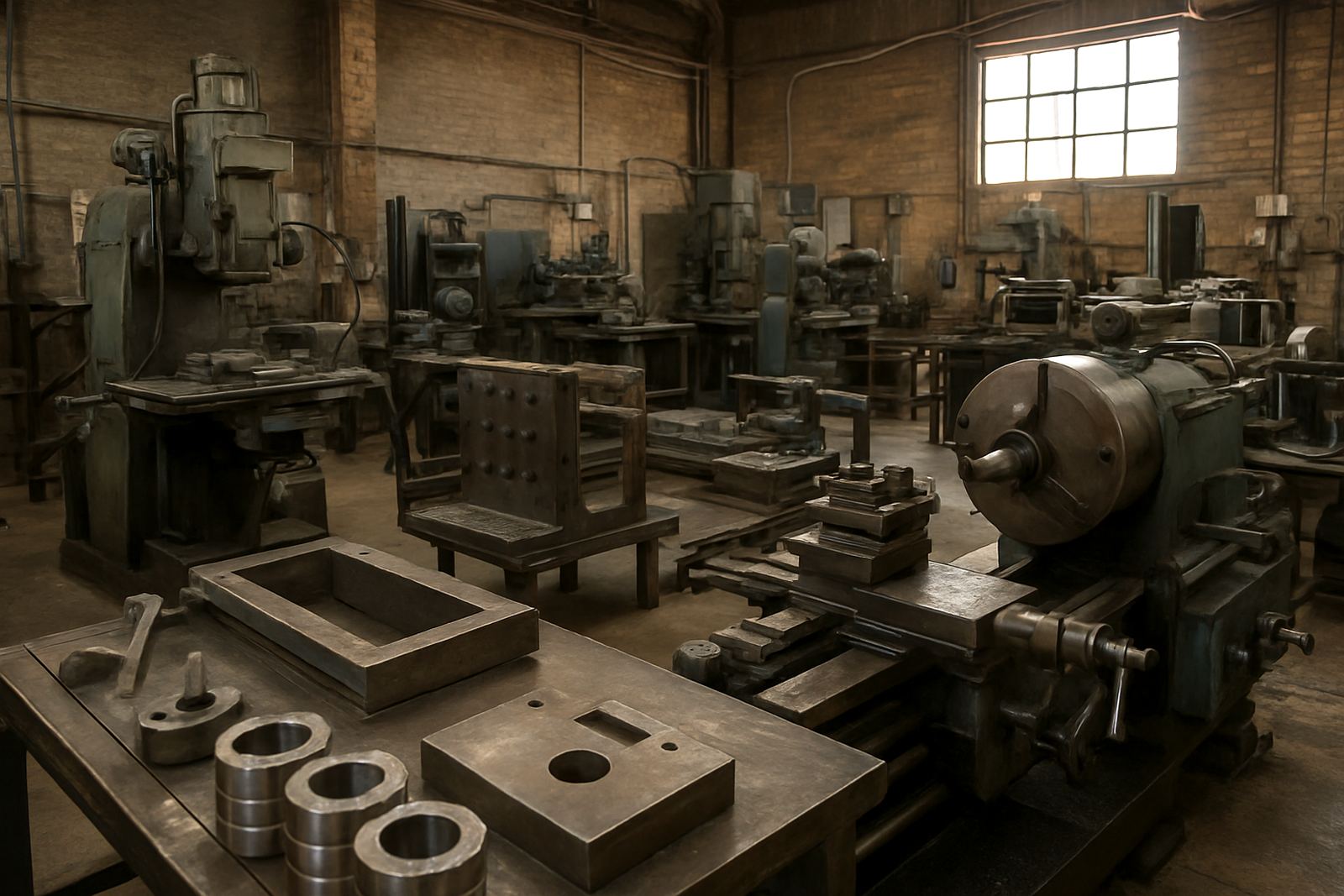
Good production layout starts with the path of the part. Raw material should move in one direction, through cutting, checking and dispatch, without crossing itself or backing up at the machine door. If the shop is in a hotter inland area like Kariega or has coastal humidity in Gqeberha, storage for tooling and measuring gear should be kept dry and clearly marked so rust and contamination do not creep in.
For shops doing mixed batches, it helps to separate setup work from running work. Keep a small area for presetting, another for inspection, and a clean spot for finished tool assemblies. That means operators can prepare the next job while the current one is still running. A good changeover plan should also include where the spare jaws, collets and setting sheets live, because if people are hunting for them then the changeover has already gone wrong.
- Place presetting and inspection near the machine group, not across the workshop
- Use shadow boards or labelled storage for common holders and jaws
- Keep a dry cabinet for collets, inserts and measuring tools
- Plan access for collection and delivery so urgent parts move quickly
Common mistakes that waste output
One frequent mistake is buying tooling for the machine and not for the job. A shop may fit a part on the machine, but if the holder stack is too long or the clamping is inconsistent, the result is chatter, tool wear and scrap. Another error is skipping inspection after a setup change. A five minute check on runout can save a full batch from going out of tolerance.
Some shops also run too close to the edge on maintenance. Worn vises, damaged chuck jaws and dirty tapers will keep working for a while, then the problem shows up exactly when the order is due. It is also common to see production teams using one method for every part, even when the part family changes size or material. Aluminium, mild steel and stainless behave very differently, and the setup should reflect that.
- Using a general purpose fixture where a dedicated one would save time
- Ignoring chuck jaw wear until parts start slipping
- Leaving tool holders uncleaned after changeover
- Not budgeting for calibration, regrinding and presetting support
What support looks like on the shop floor
Tooling support for production machining usually goes beyond supply. Shops often need holder cleaning, tool regrinding, chuck jaw machining, vise alignment, scanner calibration, printer maintenance and collection and delivery to keep everything moving. When these items are handled in a planned way, the machine room gets more stable and operators spend less time chasing faults.
For a plant in Port Elizabeth CBD or a machine shop in Markman, the key is response time. If a batch is due and a tool holder is out of spec, the fix has to be practical and quick. Our team works with Morne van der Merwe, Ayanda Mhlabeni, Johan Bester, Zanele Nkomo, Ridwaan Jacobs and Nokulunga Dlamini to keep the process tight from first query to delivery.
Budget ranges for production machining setups
Budgets vary widely depending on part size, material and how much automation is needed. A small production cell with basic holders, collets and workholding can start around R25 000 to R80 000. A more serious setup for repeated batches, with better fixtures, presetting and inspection support, often lands in the R120 000 to R350 000 range. Larger multi machine programmes, especially where tooling standardisation is important, can run well above that.
The cheapest option is rarely the best value if it causes extra setup time, extra wear or scrap. Most shops get better return by spending on the items that protect repeatability first, then adding convenience items once the base process is steady. If a machine is turning out 500 parts a week, a small saving on one holder can cost far more in lost uptime.
Built for local factories and national supply
From Struandale and Coega through to Kariega, Despatch and beyond, production shops need suppliers who understand that uptime is measured in pieces per hour, not promises. That is why the best setup advice is usually practical, not theoretical. It should suit the machine, the job and the people running the shift.
Tooling serves South African manufacturing with CNC machines, 3D printing and scanning solutions, plus the tooling and service work that keeps long runs on track. If the aim is stable, repeatable output with shorter changeovers and fewer surprises, the right plan starts with proper tooling choices and ends with disciplined support.