
Why agricultural parts need proper holding and repeatable machining
Agricultural equipment takes a beating that many general workshop parts never see. Shafts run under load, hubs take shock, brackets carry uneven weight, and maintenance parts are often made in a hurry when a machine must be back in the lands before the next shift. That is where the right tooling matters. If a part moves in the vice, slips in the chuck, or carries too much runout, the finished piece may fit on the bench but fail in service.
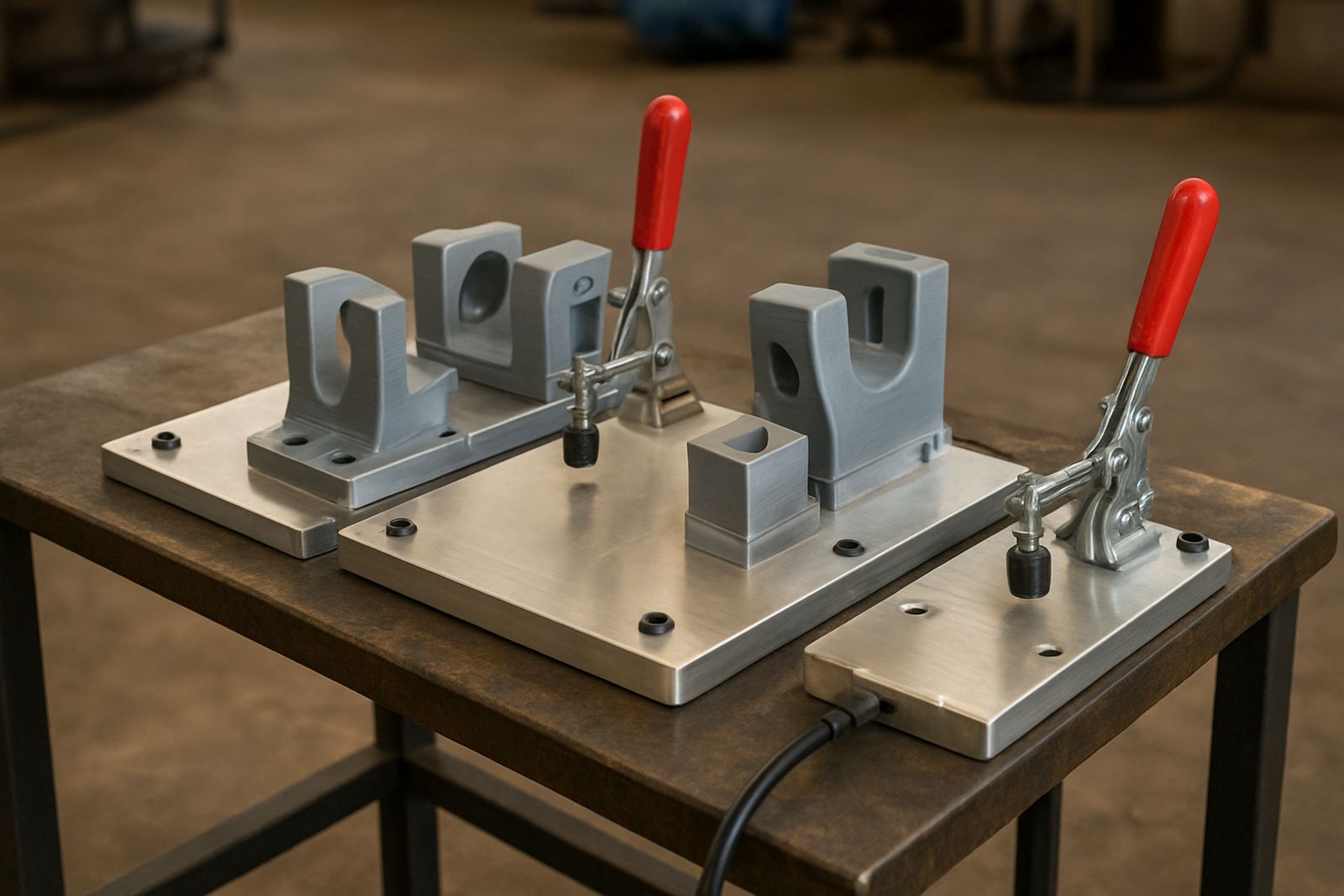
Tooling works with machine shops, repair depots and production teams across South Africa from the base in Struandale, Gqeberha. The focus is on accurate tool holders, collets, workholding and related machining support so each part comes off the machine to size. For agricultural work, that means better concentricity on shaft ends, cleaner faces on hub components, and more reliable bracket hole patterns. It also helps when parts are being copied from worn originals that have already seen years of field use.
Many local workshops are dealing with load-shedding, tight turnaround times and mixed batches of parts. One day it is a single broken bracket for a Kariega contractor, the next day it is twenty small repair pieces for a Coega maintenance team. A good setup cuts down on rework and helps the shop keep its line moving without wasting material.
Typical parts found on farm machinery and support equipment
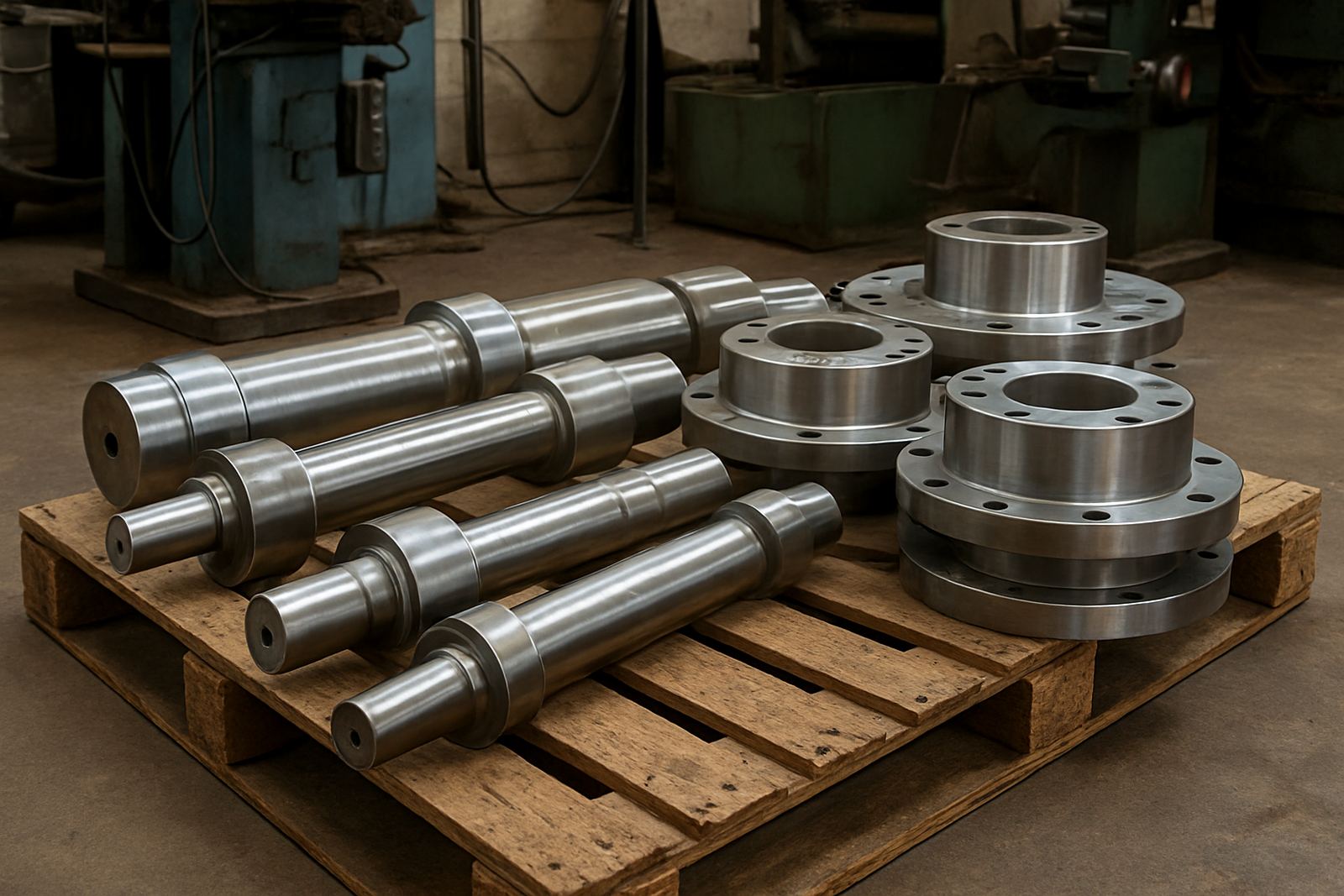
Agricultural parts vary a lot, but the patterns are familiar. Most jobs fall into a few groups: rotating parts, mounting parts and wear or support parts. Each one needs a different approach to holding, measuring and finishing. In many cases, the metal itself is not the biggest problem. The real issue is getting the setup right so the bore, face and centreline stay true through the full job.
- Shafts for drive, conveyor and transmission systems
- Hubs, flanges and pulley components
- Brackets for guards, linkages and structural mounts
- Bushes, spacers and wear sleeves
- Repair plates and small welded assemblies
- Maintenance items for pumps, fans and feed handling gear
For these parts, accurate tool holding and workholding can make the difference between a part that runs quietly and one that vibrates loose. Tool holders, collets and chucks must be clean and checked often. A small amount of dirt, a damaged taper or a tired jaw set can create runout that shows up later as noise, wear or bearing damage. On farm equipment, that kind of fault usually appears at the worst time.
Setting up a practical job flow in the workshop
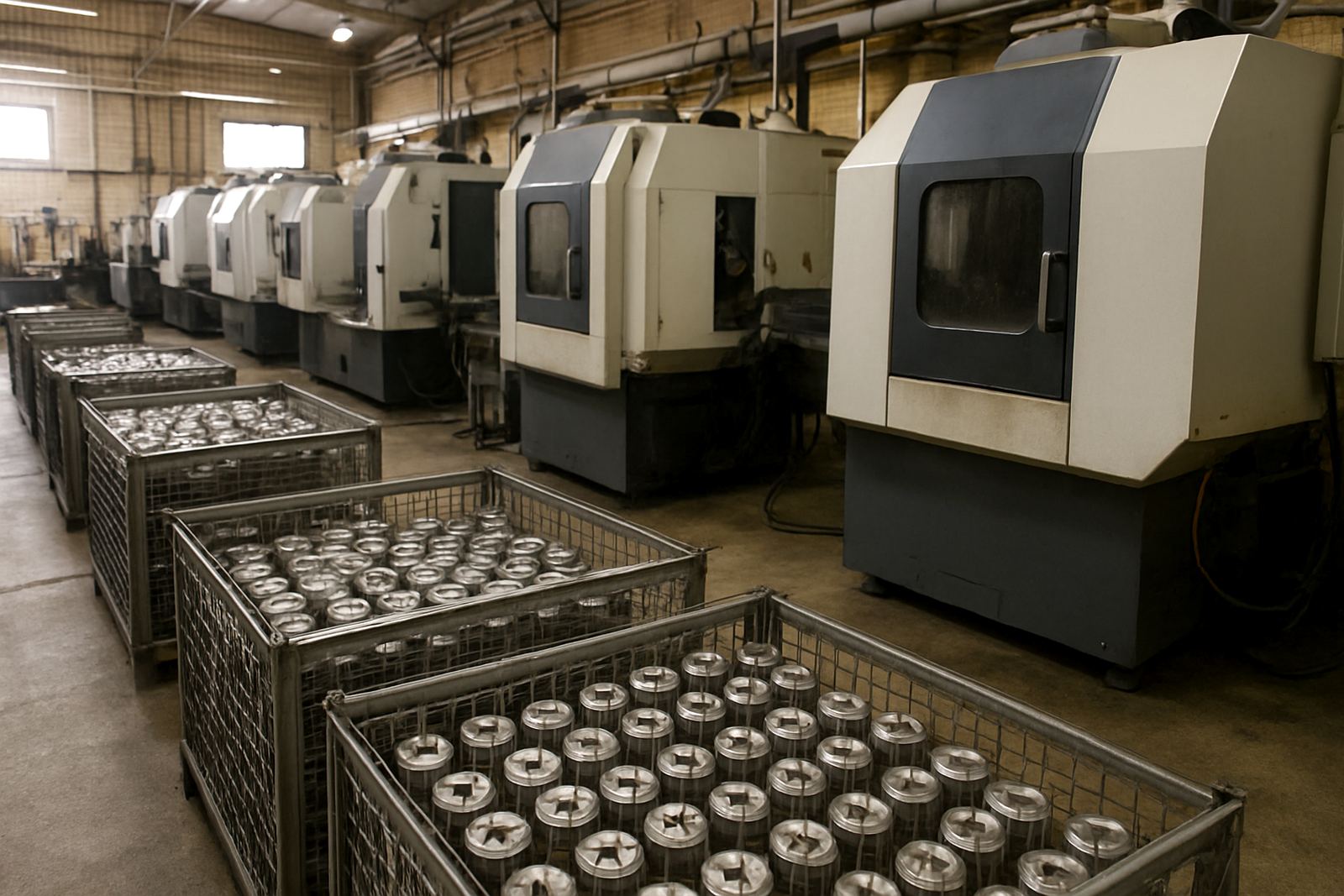
Good planning starts before the first cut. For agricultural work, we normally see better results when the workshop separates roughing, finishing and inspection into clear stages. That can be as simple as one machine for stock removal, one for final sizing, and a clean bench for checking dimensions. If the same machine is used for every step, the operator needs a disciplined routine for tool changes, swarf removal and rechecking the setup.
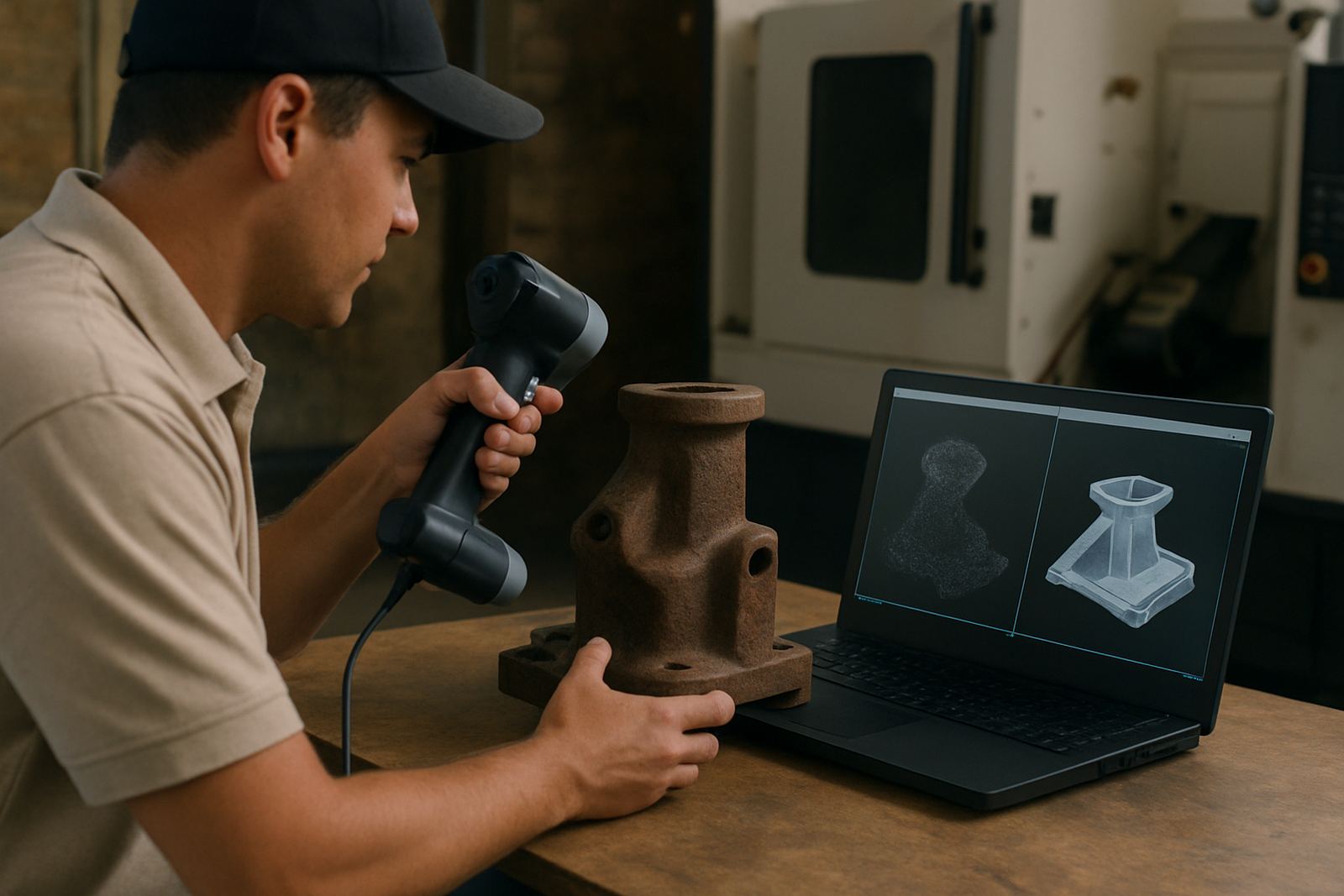
For shops in Port Elizabeth CBD, Despatch, Markman or Coega, space is often at a premium. A sensible layout keeps the most used holders, collets and cutters near the machines, while inspection gear sits in a dust-controlled area. If scanning or 3D printing is used for pattern work or replacement parts, it should be kept away from grinding dust and cutting fluid spray. That matters more than people think, especially when there is moisture in the air near the coast.
- Keep frequently used holders and collets labelled by machine size and taper
- Store measuring tools separately from cutting tools and coolant
- Schedule runout checks before jobs with long shafts or tight bearing fits
- Use presetting where possible to reduce changeover time
- Inspect vice jaws, chuck jaws and soft jaws after heavy work
A simple, tidy layout saves time and reduces scrap. It also makes it easier for different operators to step into the same job without changing the setup too much.
Common mistakes that cause poor fit or early failure
In agricultural repair work, the same mistakes keep showing up. A part is rushed, measured once, then sent out before the setup is verified. Or a worn component is copied exactly as it came in, even though the original was already out of shape. Another common issue is using the wrong workholding method for a long or uneven part. That leads to chatter, taper and poor surface finish.
Tooling supports shops that want to avoid those problems with proper inspection and service work. Holder cleaning, runout checks, chuck jaw machining and vise alignment all help stop errors before they reach the machine. If a part is being machined for a tractor repair, a baler, a cultivator or a feed system, the tolerances may not always be aerospace tight, but they still need to be consistent. A bracket with one hole 2 mm off can throw an entire assembly out.
Another mistake is ignoring wear in the measuring and setting process. If the scanner or printer used for part capture or support work is drifting, the whole job can be affected. That is why scanner calibration and printer maintenance matter even in a primarily machining-focused workshop. For agricultural clients, a little drift becomes a lot of rework when the machine is working far from the shop.
Budget ranges for agricultural parts work in Rand
Budget depends on the part size, quantity, material and the level of accuracy needed. A small batch of simple brackets will sit at one end of the scale, while a set of shafts or matched hub components with closer tolerances will cost more because of setup time, inspection and finishing. Shops around Gqeberha often also need to factor in collection and delivery, especially when farms or depots are outside the main industrial areas.
As a practical guide, many agricultural parts jobs fall into these rough ranges:
- Basic wear parts or simple brackets: R450 to R1 500 each
- Medium complexity machined parts, such as hubs or bushes: R1 500 to R4 500 each
- Long shafts, matched sets or tighter tolerance items: R4 500 to R12 000 plus
- Setup, inspection and rework services: R350 to R1 800 depending on the task
If a workshop is ordering tooling support rather than finished parts, the spend can be staged. Many teams start with the items that remove the most waste first, such as a better holder set, a collet range, or a jaw and alignment service. That approach spreads the cost while improving output straight away. For a busy shop in Struandale or Kariega, it is often the quicker route to better consistency.
How Tooling supports farms, OEMs and repair shops nationwide
Tooling was founded in 2008 and is based in Struandale, Gqeberha, serving machine shops nationwide. The team includes Morne van der Merwe as Managing Director, Ayanda Mhlabeni in Sales, Johan Bester on applications, Zanele Nkomo for 3D solutions, Ridwaan Jacobs in service coordination, and Nokulunga Dlamini in customer support. That mix matters when a client needs both the right hardware and practical advice on how to use it in a real workshop.
For agricultural parts, the best outcome usually comes from combining the right workholding with proper service and good habits on the shop floor. Tool regrinding, tool inspection, holder cleaning, presetting, scanner calibration and collection and delivery can all help keep production moving. If the job is a one-off repair or a repeat production run, the aim is the same: get the part made cleanly, checked properly, and back in service without wasting time.
From Struandale to Markman, Coega, Despatch and beyond, the same rule applies. When the machine is ready and the setup is sound, agricultural parts last longer and the shop spends less time fixing avoidable faults. If you are working on shafts, hubs, brackets or maintenance components, a proper tooling plan pays for itself quicker than most people expect.