When a worn part must go back into service fast
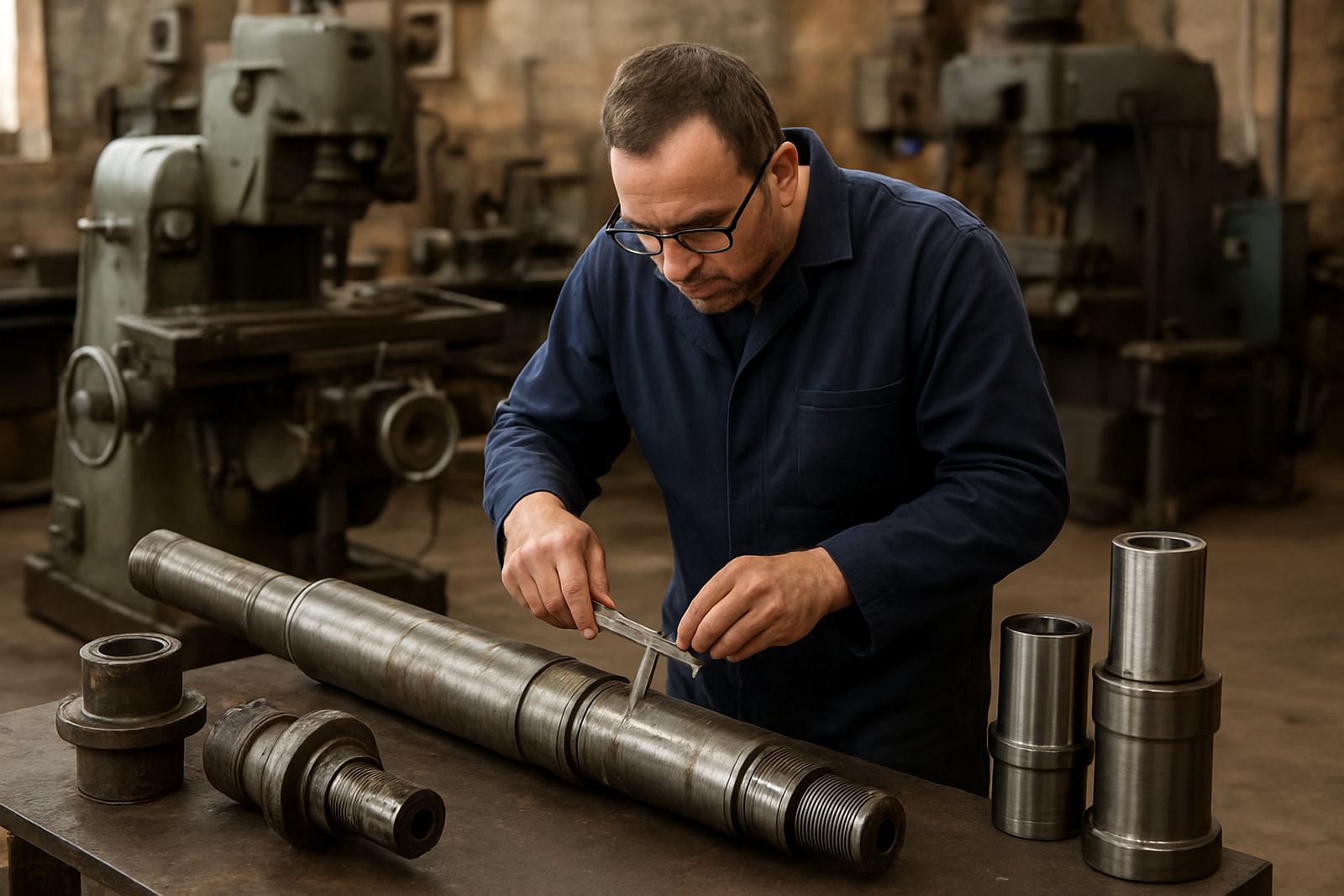
Maintenance rebuild work usually starts with a simple problem: a component is still serviceable, but wear has pushed it out of tolerance. In Gqeberha, Kariega, Despatch and the industrial areas around Coega, that often means downtime on milling machines, lathes, presses, handling equipment or plant fixtures. The aim is not to guess and fit new parts at random. It is to measure, restore and return the part with enough accuracy for safe use and repeatable production.
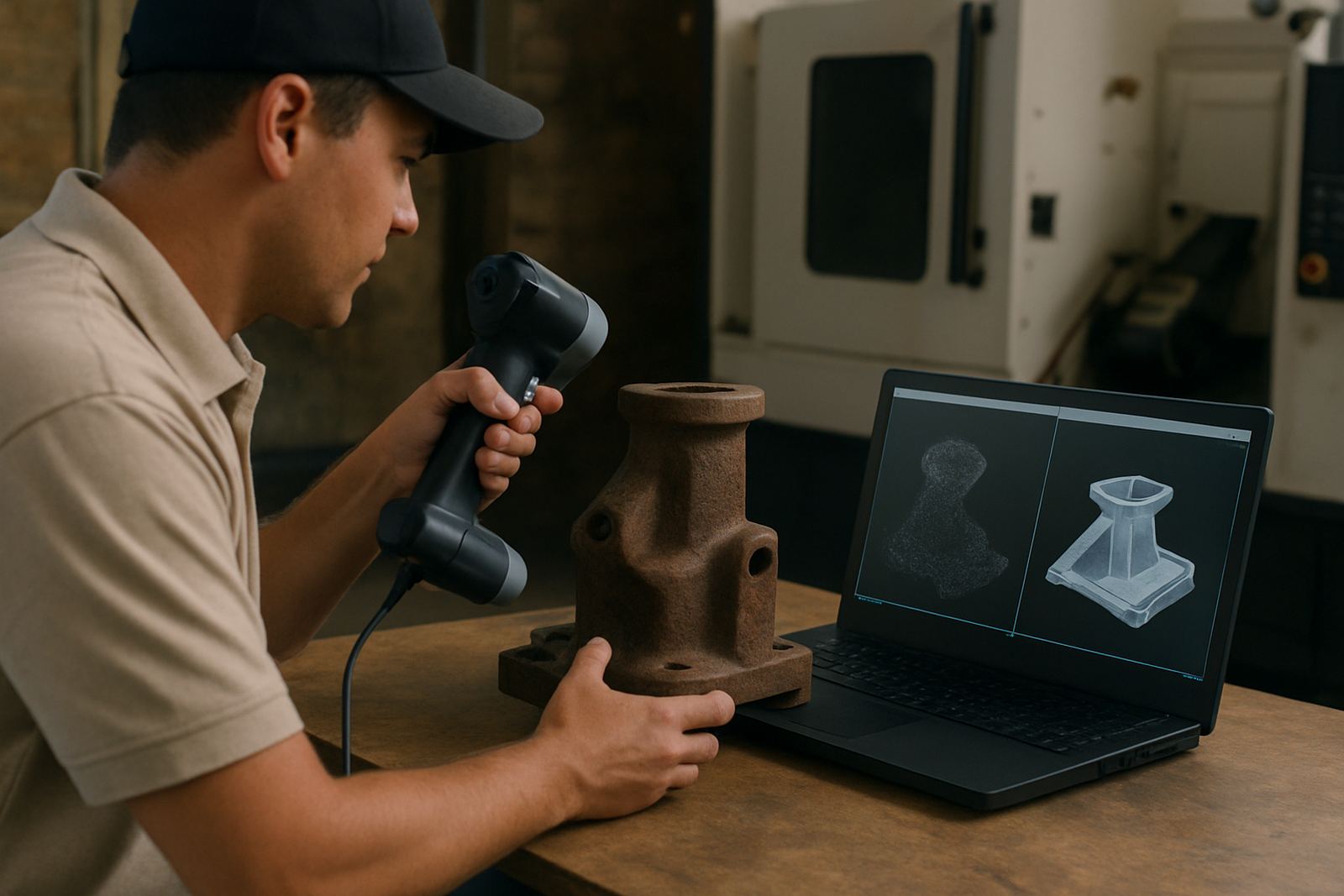
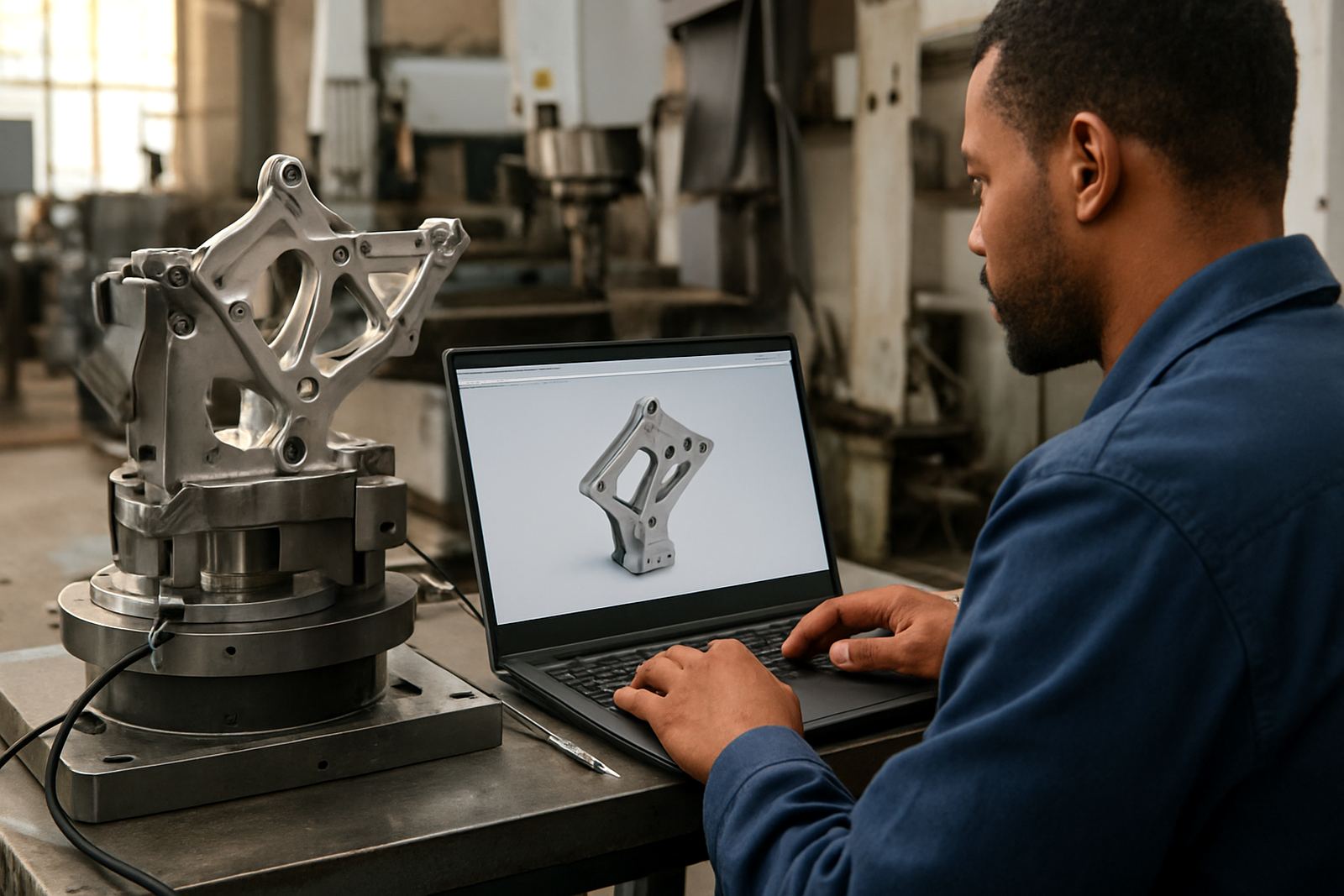
For repair shops, this is where support around scanning, inspection and machining matters. A worn bore, damaged locating face, tired chuck jaw set or distorted fixture plate can usually be assessed properly before any metal is cut. That saves time and avoids the common mistake of rebuilding a component around a bad measurement. On tight jobs, one incorrect datum can throw off the full assembly and add another round of fitting.
Tooling works with machine shops that need practical turnaround and clear handover. If the component can be cleaned, checked and brought back to spec, the rebuild is often far more cost effective than replacing the full unit.
Typical equipment used in a maintenance rebuild shop
The equipment set depends on whether the workshop is handling machine tool parts, plant components or production fixtures. A maintenance rebuild environment normally needs a mix of inspection, measurement and controlled machining. Common items include collets, tool holders, workholding systems, presetting equipment, scanners and support tooling for repeatable setup. For many workshops, the biggest gains come from consistent clamping and accurate runout checks rather than from buying one large machine.
- Tool holders, collets and clamping systems for accurate setup
- Inspection and runout checking tools for worn spindles, arbors and shafts
- Chuck jaw machining support for gripping parts correctly again
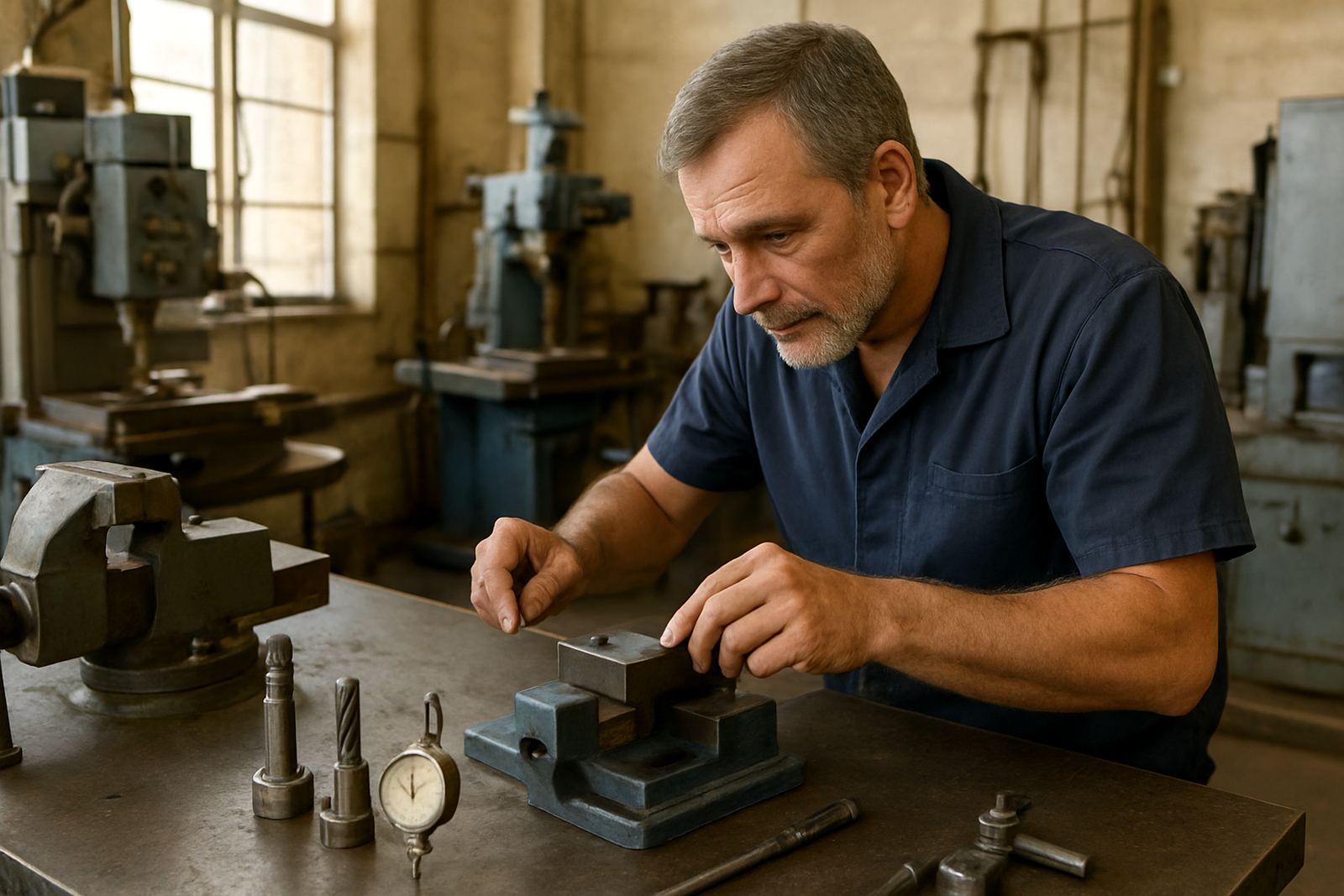
- Vise alignment and presetting for repeatable part location
- Scanner calibration and 3D printing support for pattern work, jigs and fit checks
In coastal areas like Gqeberha, humidity can affect stored tooling and measured parts if they are left exposed too long. Shops near the harbour side or in less controlled stores often need better cleaning and protection after each rebuild stage. It helps to keep lubricants, inspection equipment and precision items in a dry cabinet or enclosed rack, especially where load-shedding has interrupted normal workshop routines.
Planning the rebuild bay so jobs do not stall
A rebuild area needs a logical flow. Dirty parts should not move straight to inspection benches or clean tooling storage. A good layout starts with receiving, then strip-down, cleaning, measurement, machining and final check. If the floor space is tight, separate the work with marked benches and clear storage bins instead of trying to do everything in one corner. That keeps grit away from calibrated tools and avoids mix-ups between jobs.
For smaller shops in Port Elizabeth CBD or older industrial sites, the planning issue is usually space around the machine, not the machine itself. Leave enough room for parts to be lifted safely, measured on a flat surface and moved without bumping edges or chipped faces. If the job includes scanner work or a preseting station, plan for stable power and a clean table. During load-shedding, a backup supply for inspection gear and lighting can keep the rebuild moving even if heavy machines wait for power to return.
- Keep a clean intake point for damaged parts and strip-down
- Separate dirty machining swarf from precision measuring areas
- Allow space for parts to cool before final measurement
- Store repaired parts on labelled racks so assemblies do not get mixed up
Common rebuild mistakes that cost time and Rand
The most expensive rebuild errors are often simple. Shops sometimes skip inspection and start cutting before checking the full wear pattern. That leads to uneven fits, repeat failures and extra transport costs. Another common issue is using the wrong clamping method while machining a worn component. If the part moves under load, the new face or bore will not hold true. On tighter tolerance jobs, that can ruin the rebuild in one pass.
Another mistake is overbuilding a part instead of restoring only what is needed. Customers in Markman, Struandale and Coega often want a practical repair, not an engineering exercise that doubles the budget. If a jaw set needs machining and a bearing seat needs careful clean-up, the job should be priced around the real work. A sensible rebuild also needs clear tolerances in writing. Without that, the shop and the client may disagree on what is acceptable, and the part sits on the shelf for another week.
We also see delays when workshops do not plan for collection and delivery. A repaired part that sits waiting for transport can hold up an entire line. For nationwide customers, it pays to confirm whether the part is going back into a machine in Gqeberha, or being sent onward to another site in the Eastern Cape, Gauteng or KwaZulu-Natal.
Budget ranges for practical maintenance rebuild work
Rebuild budgets vary widely because the cost depends on size, wear, tolerance and how much machining is needed. A simple inspection, cleaning and setup check may sit in the low thousands of Rand, while a more involved chuck jaw machining job, fixture repair or scan-assisted remake can move higher. For planning purposes, many workshops work with a band from about R2,500 to R15,000 for smaller rebuild work, and from R15,000 upwards where multiple operations are involved.
That range is only useful if the scope is clear. A fair budget usually covers strip-down assessment, measurement, corrective machining, final inspection and any collection or delivery required. If the part is large, awkward or badly corroded, transport and handling can add to the total. Coastal corrosion around the bay can also mean extra cleaning time before the actual rebuild starts.
- Small repair and inspection jobs: about R2,500 to R6,000
- Medium rebuild work with machining and setup: about R6,000 to R15,000
- Heavier rebuilds or scan-supported remakes: from R15,000 upwards
For machine shops, the better question is often not what the rebuild costs alone, but what a day of downtime costs on the floor. If a fast-turn repair keeps a line producing, the rebuild usually pays for itself before the month is out.
How Tooling supports rebuild shops from Struandale
From Struandale in Gqeberha, Tooling supports repair and maintenance teams with the practical items that make a rebuild accurate and repeatable. That includes tool regrinding, tool inspection, holder cleaning, runout checks, chuck jaw machining, vise alignment, presetting service, scanner calibration, printer maintenance, plus collection and delivery. For shops that handle a mix of machine parts and production tooling, having one local supplier that understands the sequence can save a lot of back-and-forth.
The team includes Morne van der Merwe, Ayanda Mhlabeni, Johan Bester, Zanele Nkomo, Ridwaan Jacobs and Nokulunga Dlamini. That matters when a job needs more than one step and the customer wants a clear answer on turnaround. Whether the job is coming from Port Elizabeth CBD, Despatch, Kariega or a site further afield, the approach stays the same: assess the wear, plan the repair, keep the setup accurate and return the component ready for work.
For maintenance rebuilds, speed matters but accuracy matters more. A rushed repair that misses tolerance will come back again, and that is money lost twice.