When a pattern job needs a faster path from drawing to metal
Pattern making is often the point where a good idea becomes a usable part, but it can also be where tolerance problems show up. In Gqeberha, Kariega and the surrounding industrial areas, customers usually come to us when they need a pattern, core box, check gauge or mock-up that must match the drawing before any expensive casting work starts. A missed dimension at this stage can mean a rejected mould, extra fettling, or a delay that pushes the whole job back by days.
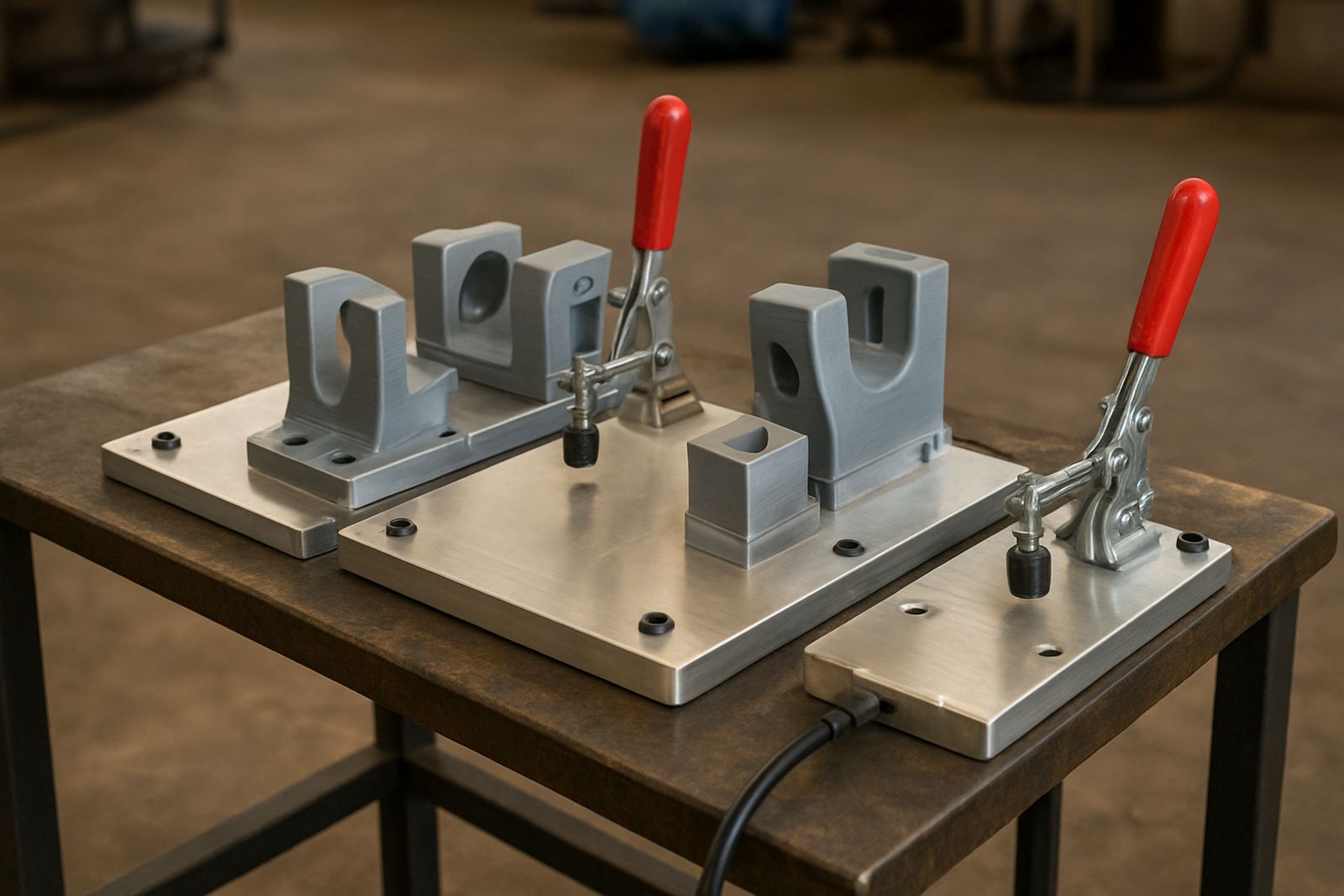
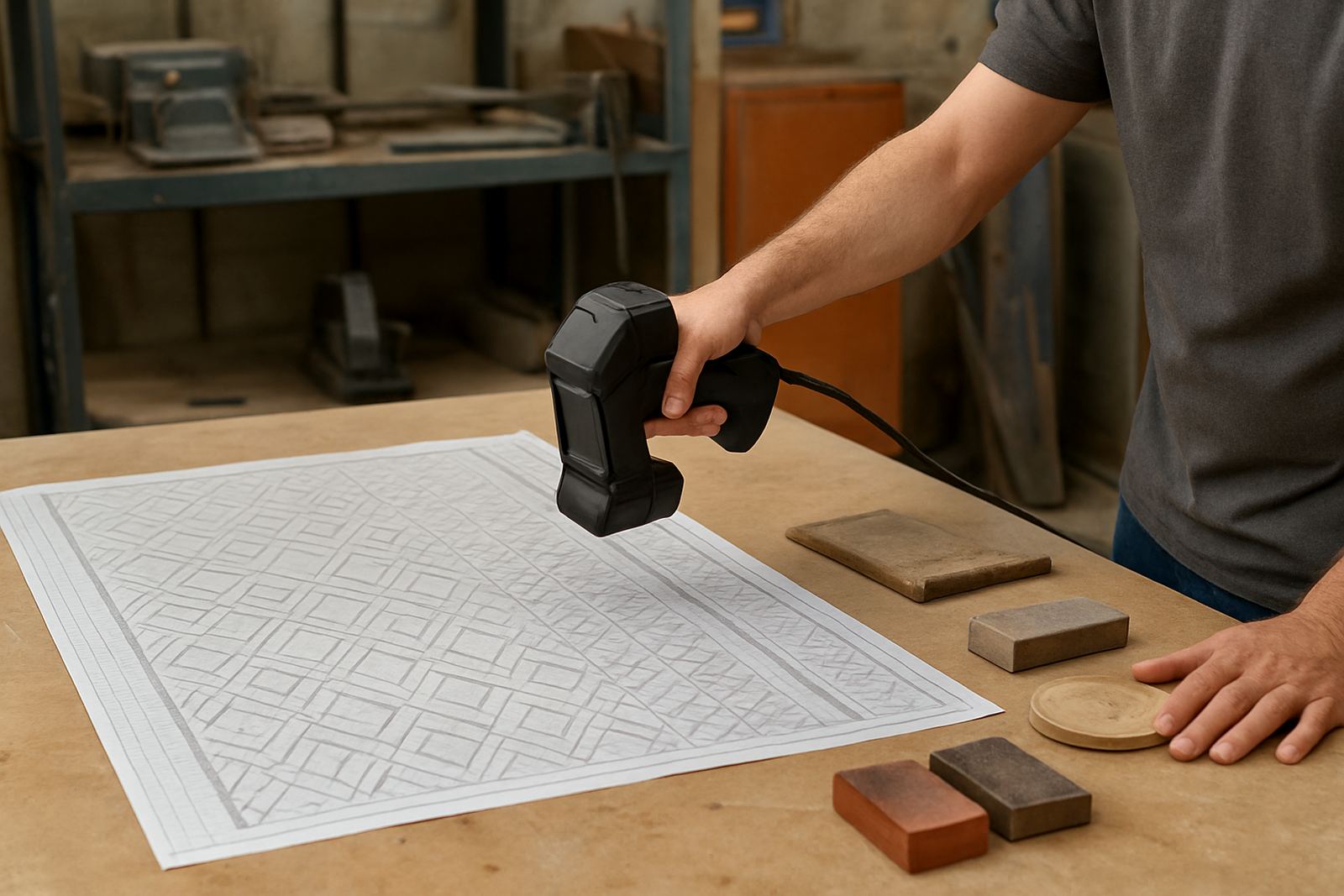
For that reason, many shops now combine traditional pattern work with scanning and 3D printing. A worn pattern can be measured and compared, a new prototype can be printed for fit checks, and a complex form can be verified before the foundry commits to tooling. That approach helps when a customer has one-off parts, short runs, or legacy components with no current digital model.
Typical set-up for pattern and model development work
The right equipment depends on whether the job is for checking, producing a prototype, or supporting a full pattern build. In many cases, the set-up starts with a scan of an existing sample or a physical model, then moves to digital adjustment and printout of the form that needs to be checked in the workshop. For foundry work, the final pattern may need allowances for shrinkage, draft, machining and surface finish, so the planning stage matters just as much as the machine time.
- 3D scanners for capture of existing parts, old patterns and worn features
- 3D printers for mock-ups, trial sections and fit checks
- Tool holders, collets and workholding systems for machining pattern components
- Runout checking and inspection equipment for accurate setup
- Presetting support where cutter height and offset need to be repeatable
In practice, the best results come when the scan data, print settings and machining plan are treated as one workflow, not three separate jobs.
Layout advice for a practical pattern shop
A pattern shop needs clear separation between dusty machining work, scanning, assembly and finishing. Scanners and printers do best in a cleaner area, while trimming, drilling and test fitting can happen closer to the machine section. If the shop is based in Struandale, Markman or Coega, humidity and dust are both real issues, so sealed storage for printed parts, cutters and measuring gear is worth the effort.
Keep a stable bench for inspection and calibration, and allow enough space for larger models to be turned over without damage. Where possible, put scanning away from heavy machine vibration. Good lighting helps too, especially for fine edge checking and surface inspection. If the building has load-shedding interruptions, plan for safe shutdown of printers and digital kit, because a half-finished build can waste material and time.
- Store patterns and printed parts flat, labelled and away from sunlight
- Keep resin, filament or other print materials in dry containers
- Separate rough machining dust from final inspection areas
- Allow access for collection and delivery if patterns move between sites
- Use a simple job card system so revisions are not mixed up
Common mistakes that cost time and money
The most common mistake is to treat pattern making like a simple copy job. A scanned part still needs judgement on draft angles, machining allowances and shrinkage. Another issue is poor communication between the pattern maker, the machine shop and the foundry. If the drawing says one thing but the moulding process needs another, the project can go off track quickly.
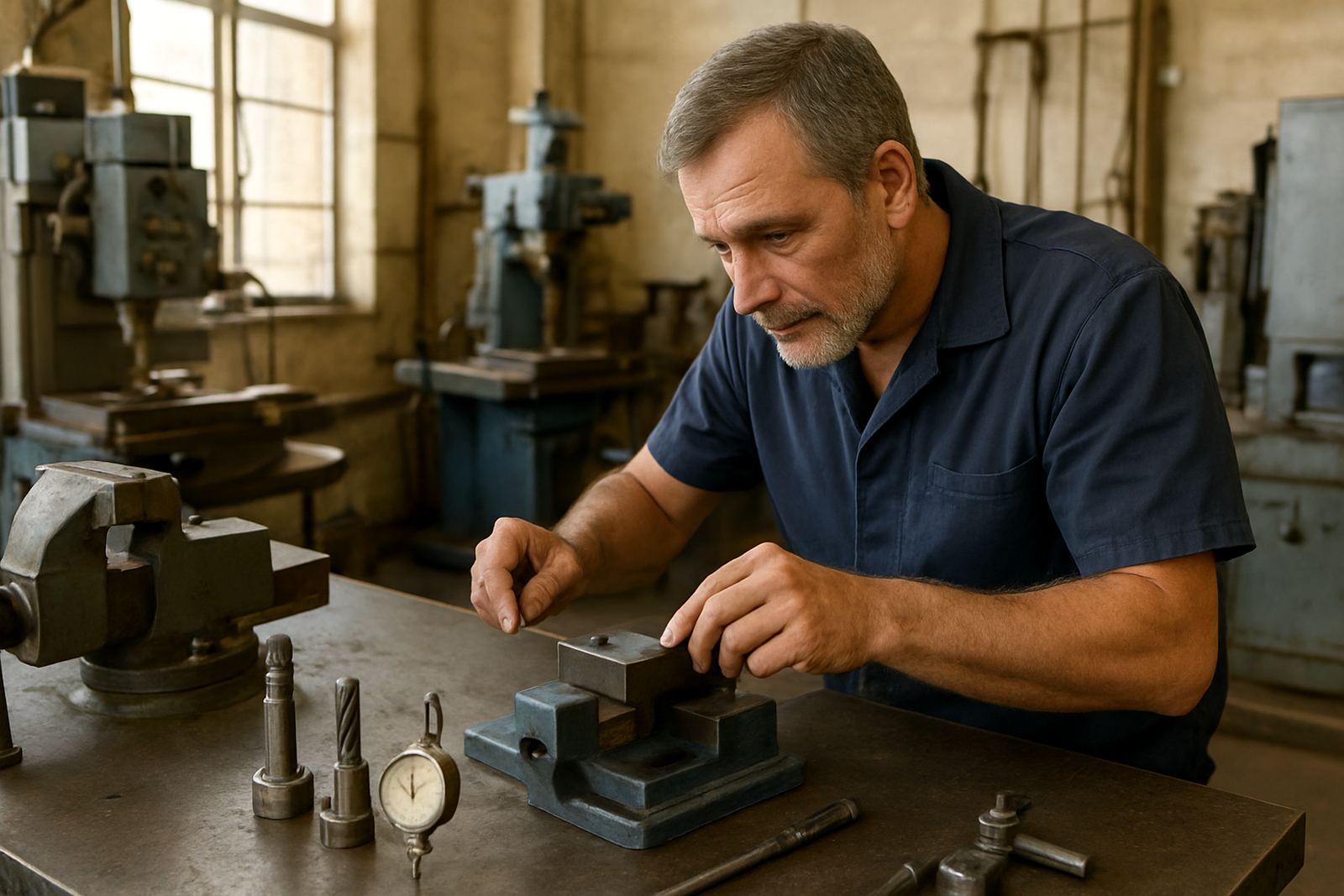
We also see trouble where shops use the wrong material for the job. A quick prototype might be fine in a print material, but a production pattern could need a stronger base or better surface preparation. Loose fixtures, poor runout and misaligned vices also show up later as poor edges or uneven faces. A small error in alignment can become an expensive scrap issue, so it is worth checking before cutting anything final.
Another easy mistake is skipping the final inspection because the part looks right by eye. Pattern work needs numbers, not guesses.
Budget ranges for scanning, printing and pattern support
Budget depends on size, accuracy, how many revisions are needed and whether the job is a one-off mock-up or part of a repeat production run. For smaller pattern support jobs, such as a single scanned component or a basic printed trial piece, customers often start in the low thousands of Rand. More involved projects, especially when there is model development, scanning, printed sections, machining and inspection, can move into a higher range quickly.
As a rough guide, many South African shops budget around R3 500 to R12 000 for straightforward scanning and prototype support, R12 000 to R35 000 for more detailed pattern development, and R35 000 plus for larger or more technical jobs with multiple revisions. Final cost also depends on collection and delivery, material choice and any rework after trial fitting. It is usually better to spend a bit more at the start than to re-cut a faulty pattern later.
- Simple scan or check piece: from about R3 500
- Prototype or mock-up support: from about R7 500
- Pattern development with machining and revisions: from about R12 000
- Large or repeat production pattern work: from about R35 000 upwards
How Tooling supports pattern makers across the Eastern Cape and beyond
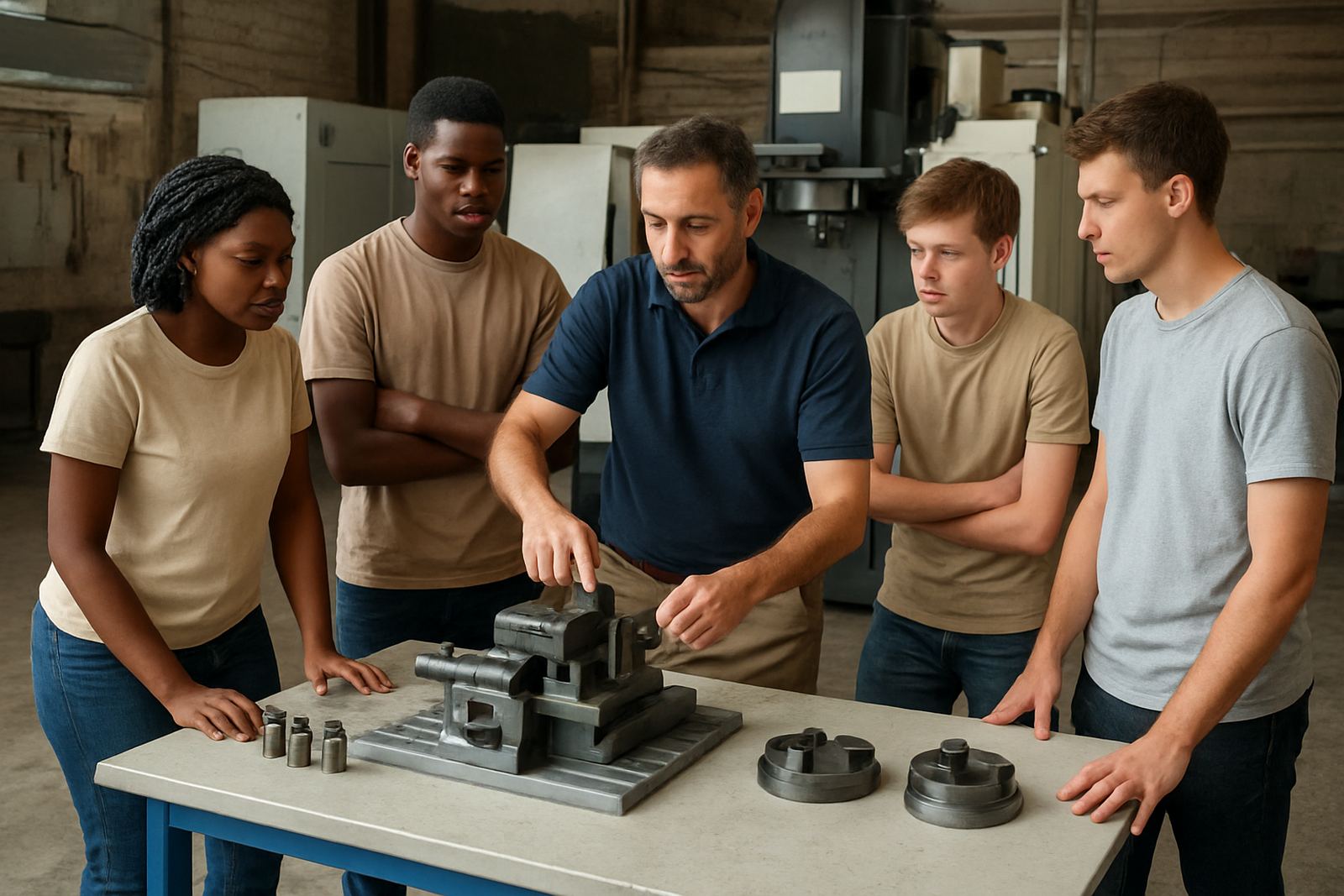
Based in Struandale, Gqeberha, Tooling works with machine shops, foundries and maintenance teams in the CBD, Despatch, Kariega, Markman and Coega, and we also serve customers nationwide. The team can help with scanner calibration, printer maintenance, presetting, holder cleaning, inspection and runout checks, which all feed into cleaner pattern work and fewer surprises in the shop.
For many customers, the best setup is not about buying everything at once. It is about getting the right scanning and printing support in place first, then building the machining and inspection process around it. That way the pattern is easier to check, the model is easier to modify, and the final casting job has a better chance of coming out right first time. If you are working on a new pattern or a replacement for an old one, a measured plan usually saves more than it costs.
Pattern making questions we hear most often
Customers often ask whether a worn part can still be scanned accurately. In most cases, yes, as long as the critical features are still readable and the part is handled properly. Another common question is whether a printed mock-up is strong enough for a fitting check. Usually it is, provided the material and wall thickness suit the size of the job.
People also ask how long a pattern project takes. A small trial piece may be turned around quickly, while a full development job with changes and verification can take longer. The short answer is that the more clear the brief is at the start, the faster the job moves. If the drawing is old or the sample is damaged, allow extra time for correction and sign-off.