Prototype work needs more than a machine and a program
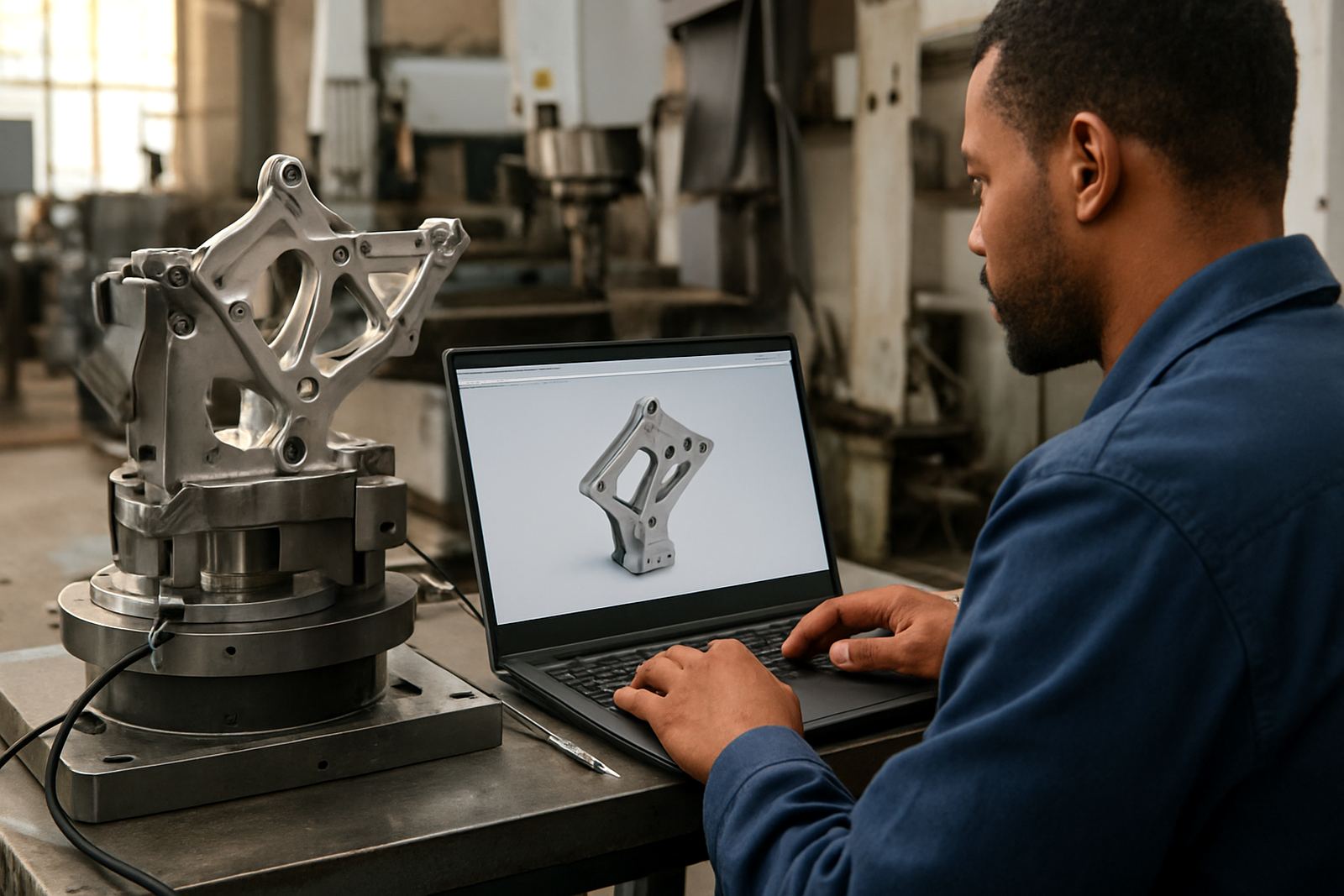
In aerospace prototyping, the job changes from day to day. One order may be a lightweight bracket in aluminium, the next may be a small batch of inspection gauges, a polymer duct, or a fixture part that must stay true after multiple setup changes. That means the shop needs accurate setup tools, repeatable holding and enough control to catch errors before they become scrap.
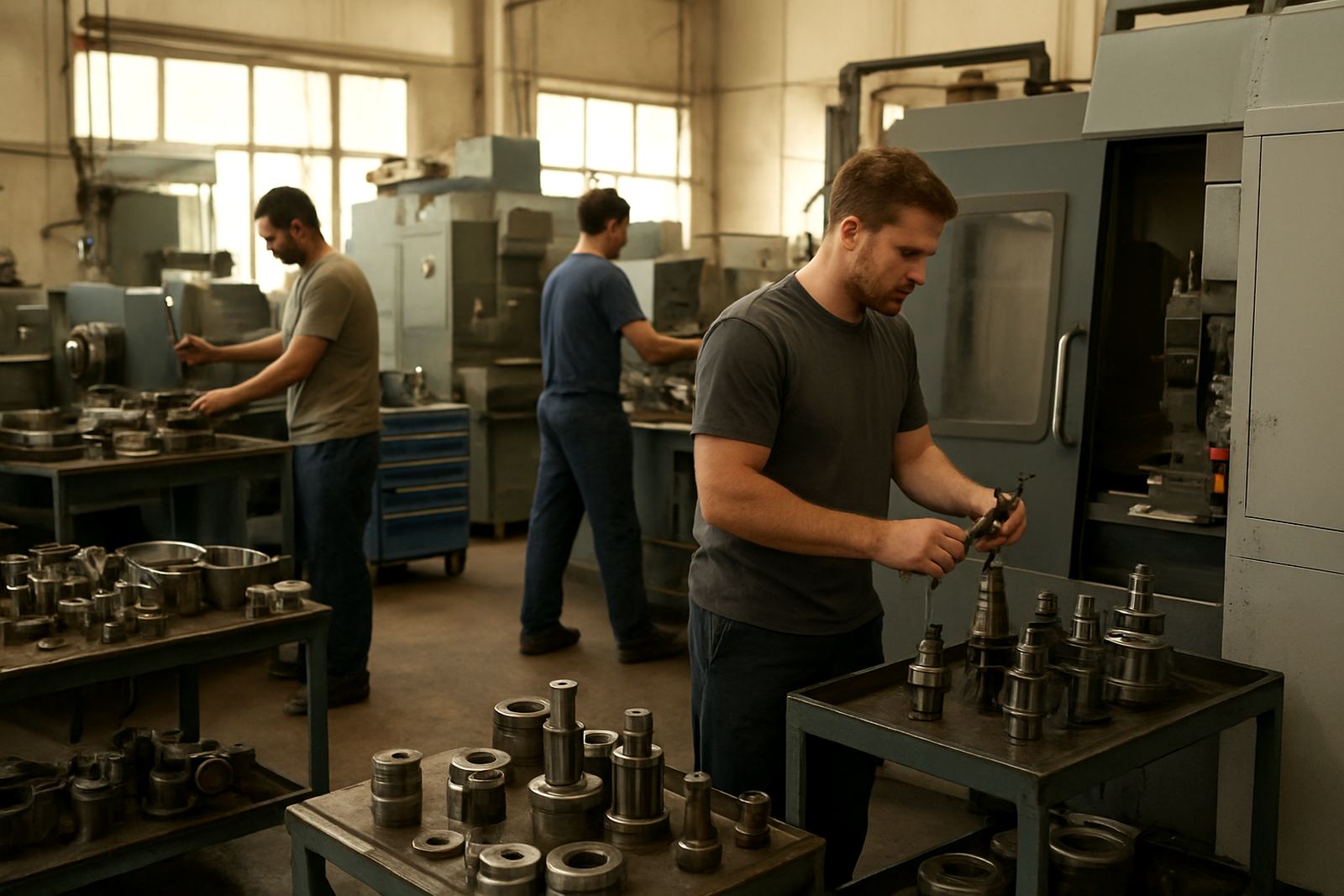
Many local machine shops in Gqeberha, Kariega and Coega already have capable CNC mills and lathes. The difference with aerospace work is in the details. A part may be tested by a customer in another province, measured against a scan, or checked for fit on a larger assembly. If the jaws mark the surface, the runout is not checked, or the preset length is off by a few hundredths, the whole job can drift out of tolerance. With prototype work, there is rarely time to make the same mistake twice.
Tooling supports these jobs with tool holders, collets, workholding systems, presetting, scanner calibration and inspection support. The aim is simple: get the first part right, then repeat it without chasing the setup all week.
Typical equipment set for low volume aerospace parts
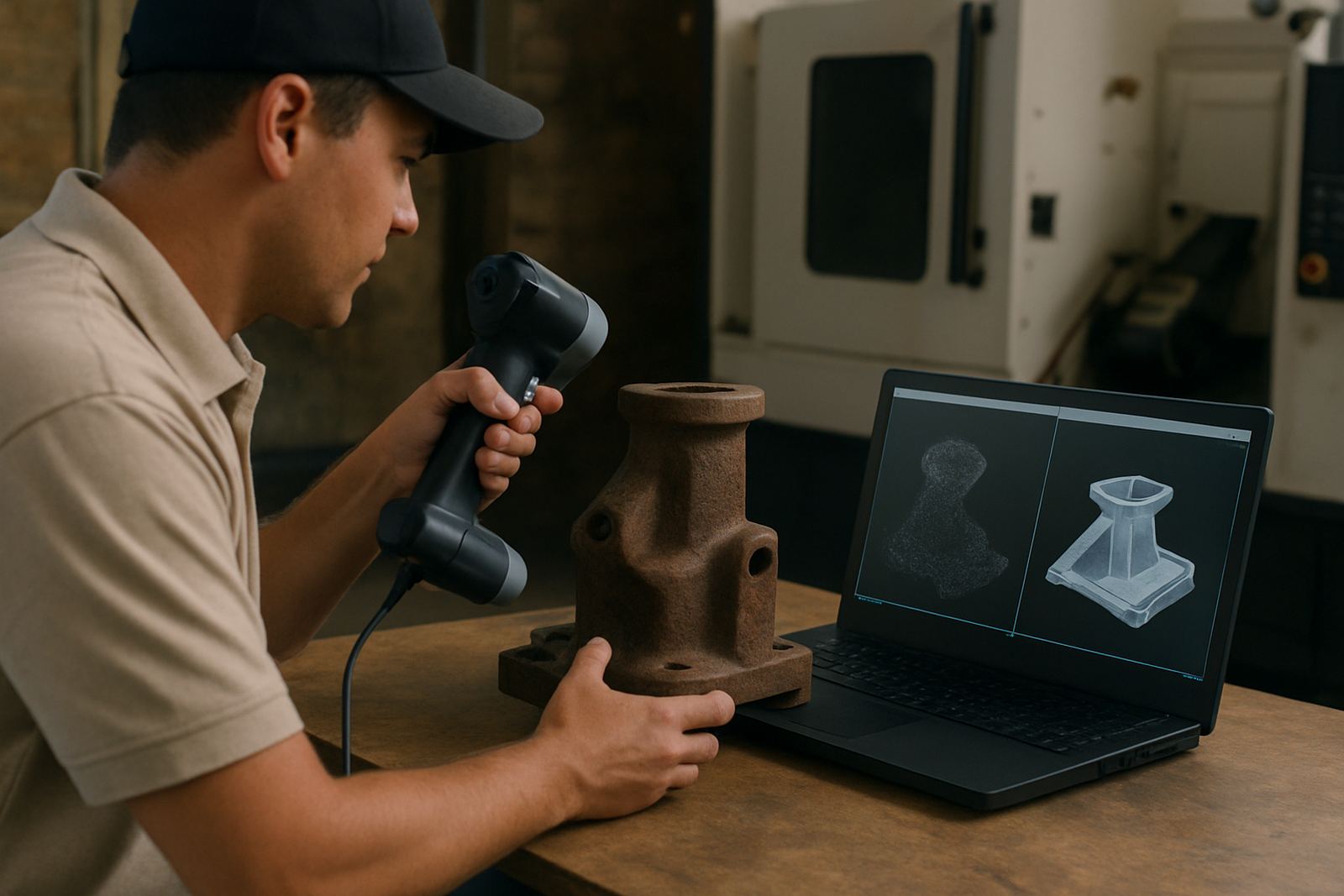
A practical prototype cell does not need every item on the floor, but it does need the right mix. For aerospace work, shops usually start with accurate holders, measured clamping and reliable inspection. In many cases, a compact 3D printer and scanner are useful for jigs, pattern checks and fit verification before metal cutting starts.
- Precision tool holders and collets for consistent cutter location
- Lightweight workholding for thin wall parts and small batches
- Vise alignment tools and chuck jaw machining for stable clamping
- Presetting service to reduce setup time and spindle mistakes
- Runout checks for small cutters, drills and finishing tools
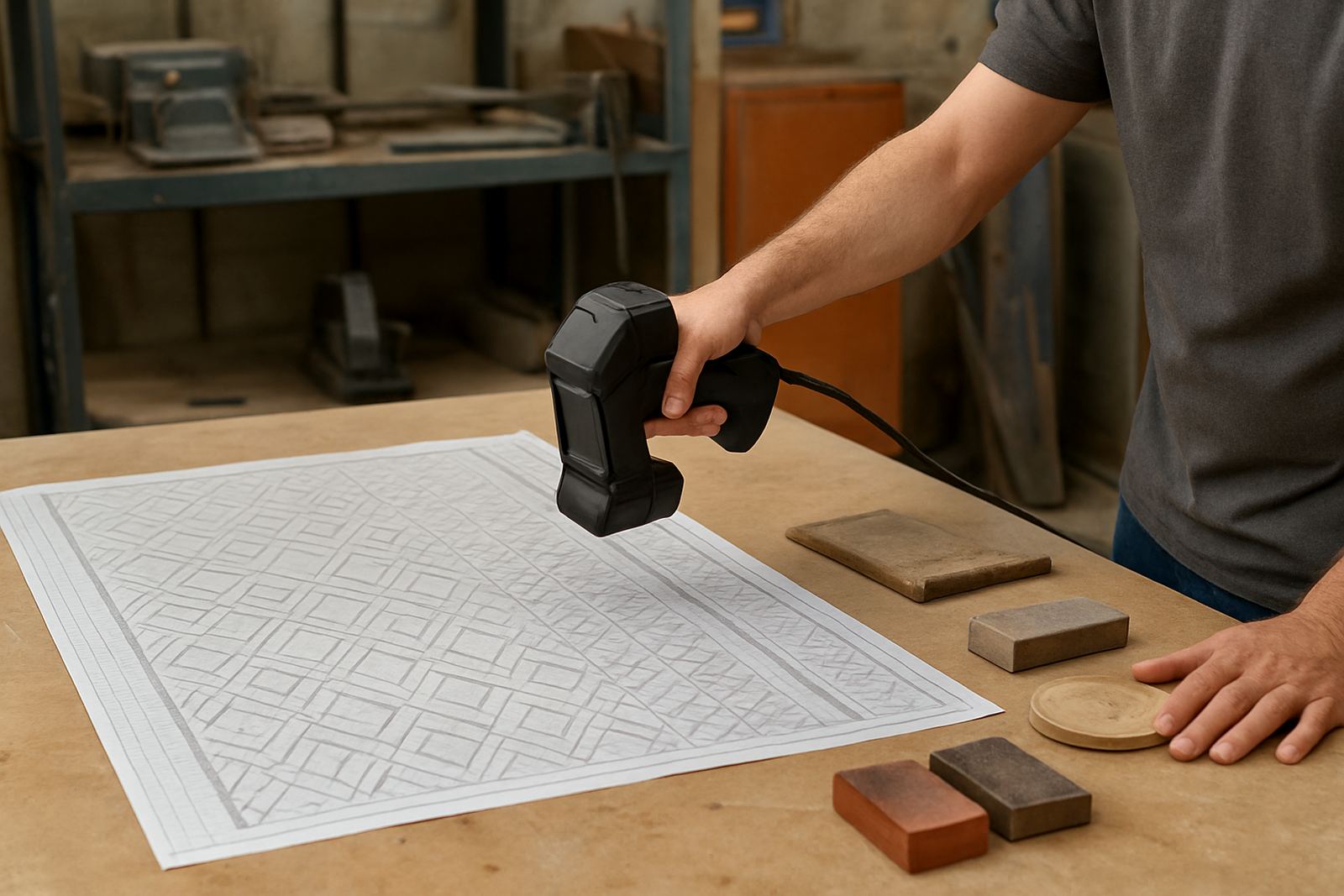
- Scanning equipment for shape comparison and reverse checks
- 3D printing for prototype fixtures, drill guides and soft jaws
When the part is delicate, the workholding should support it without squeezing it out of form. That matters on aluminium brackets, composite-related components and thin plates that flex under clamp pressure. Shops serving aerospace customers often keep a small set of dedicated jaws and soft fixtures ready, because time spent re-clamping in the middle of a run costs more than the fixture itself.
How to plan the layout around inspection and repeatability
Prototype work benefits from a short, sensible flow. Raw stock should move from receiving to setup, then to machining, inspection and packing with as little handling as possible. In a Struandale or Markman workshop, space is often limited, so the layout needs to keep measuring tools close to the machine but away from coolant, swarf and foot traffic.
One good arrangement is a preparation bench near the mill for tool checking and presetting, a clean area for scanner work, and a small staging area for labels, job cards and first-off inspection. If the shop also does collection and delivery, it helps to keep finished prototype parts separate from general production so nothing gets mixed up before it leaves the floor.
Load-shedding should also be part of the plan. If the machine stops mid-cycle, the shop still needs a way to protect the job, back up offsets and return to the same setup without losing the part. Many local shops now keep a small battery-backed computer station for drawings and offsets, plus a simple process for recording tool length, zero points and clamp positions before power goes off.
Common mistakes that cost time and scrap
Aerospace prototype jobs often go wrong in the same few ways. The work may be clamped too hard, measured only at the end, or started with worn holders that add too much runout. Another common mistake is using general-purpose fixtures when the part really needs a dedicated soft jaw or a lighter support method.
- Skipping holder cleaning before a precision setup
- Using worn collets on small diameter cutters
- Failing to check spindle or tool runout before the first cut
- Clamping thin parts with too much force
- Ignoring alignment after jaw changes or fixture swaps
- Waiting until the last step to scan or inspect
In coastal conditions around Gqeberha, humidity can also affect stored tooling and fixtures. Corrosion starts quietly on clean-looking steel parts, especially if the shop sits near the harbour or leaves equipment in a damp corner over a weekend. A regular holder cleaning routine and proper storage are worth the effort, because a bit of grime or surface rust can show up as poor concentricity on a small part. It sounds small, but it is often the thing that causes a bad finish on the finished piece.
Budget ranges for a practical prototype cell
Budgets depend on the material, tolerance and number of iterations, but a sensible starting point for an aerospace prototype setup is usually lower than people expect. The first spend is not on excess equipment. It is on the items that reduce setup risk and save rework.
For a small shop building capability step by step, a basic precision setup can start from around R25 000 to R60 000 for holders, collets, alignment and essential inspection tools. A more complete prototype package with dedicated workholding, presetting support, scanning tools and 3D printing-related accessories can sit between R80 000 and R250 000. Larger cells with multiple machine stations, custom jaws and more advanced scanning or inspection support can go beyond R300 000.
Service work is often the most practical place to start. Tool regrinding, runout checks, chuck jaw machining, vise alignment and scanner calibration can stretch the life of existing equipment before a full refresh is needed. For many machine shops in Port Elizabeth CBD, Despatch or Coega, that approach keeps cash flow manageable while still improving first-pass results.
Working with a South African supplier who understands the floor
Aerospace prototyping is not only about technical capability. It is also about turnaround, support and what happens when a part needs attention tomorrow morning. From its base in Struandale, Tooling supports machine shops nationwide and works with teams in Gqeberha, Kariega, Despatch and other industrial areas that need practical help, not long explanations.
The team handles tool inspection, holder cleaning, presetting service, scanner calibration and printer maintenance, with collection and delivery available for busy workshops. That matters when a job is moving between milling, scanning and final check on a tight deadline. It also helps when a customer needs a quick answer on whether a setup will hold, or whether a fixture should be changed before the next piece is cut.
For aerospace prototype work, the best setup is the one that gives you repeatable parts, clean measurements and fewer surprises on the second run. That is the standard most shops are aiming for, and it starts with the basics done properly.