When a part needs to sit exactly the same way every time
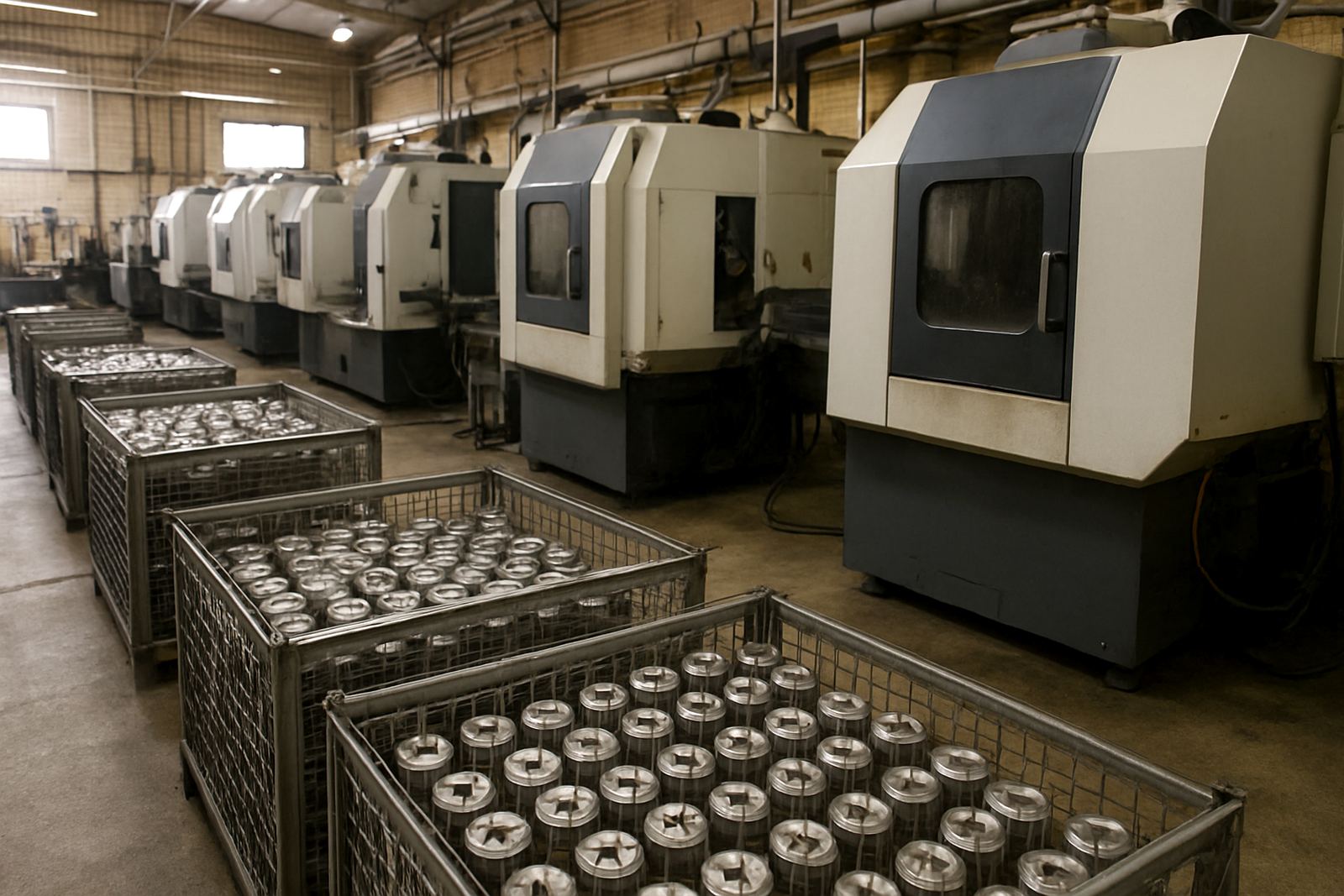
Most jig and fixture work starts with a simple problem: the operator is losing time setting up each part, or the part shifts during drilling, milling, welding or assembly. In a busy shop that makes brackets, housings, plates or small batches of components, even a few millimetres of movement can turn into scrap, rework and extra inspection. A proper jig or fixture removes guesswork and gives the same location, clamping pressure and orientation on every cycle.
For machine shops in Struandale, Markman and Coega, the right setup often depends on the job mix. If you run short batches, changeovers matter. If you work near the coast, corrosion resistance matters too, because humidity can affect clamping faces, inserts and stored components. We help teams plan for the way the part is handled on the floor, not only how it looks on paper.
- Assembly aids for repeat location and fast loading
- Nests for small parts, inserts and sub-assemblies
- Production fixtures for drilling, machining and inspection
- Support for weld holding, trimming and gauging
Typical equipment set for a practical fixture build
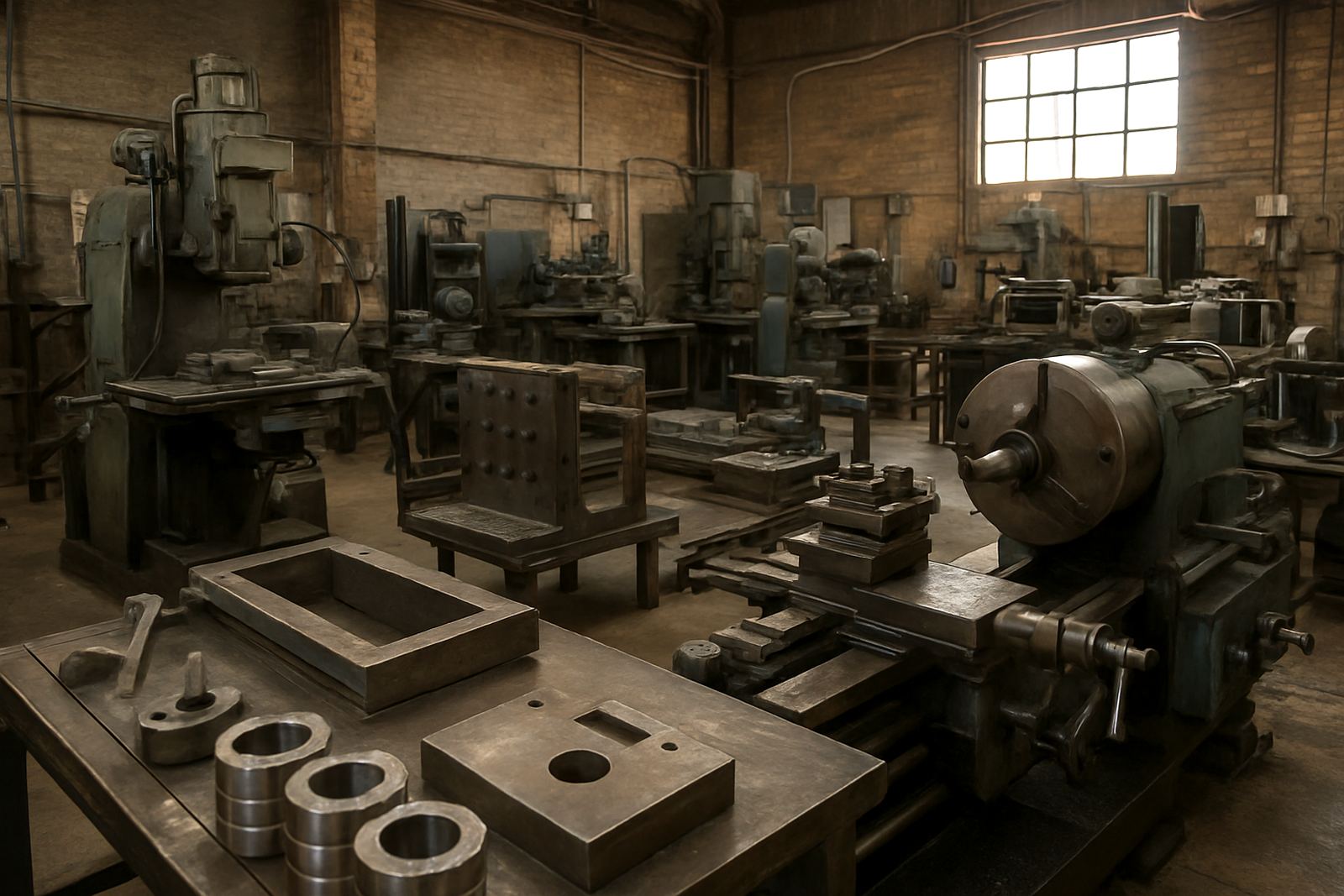
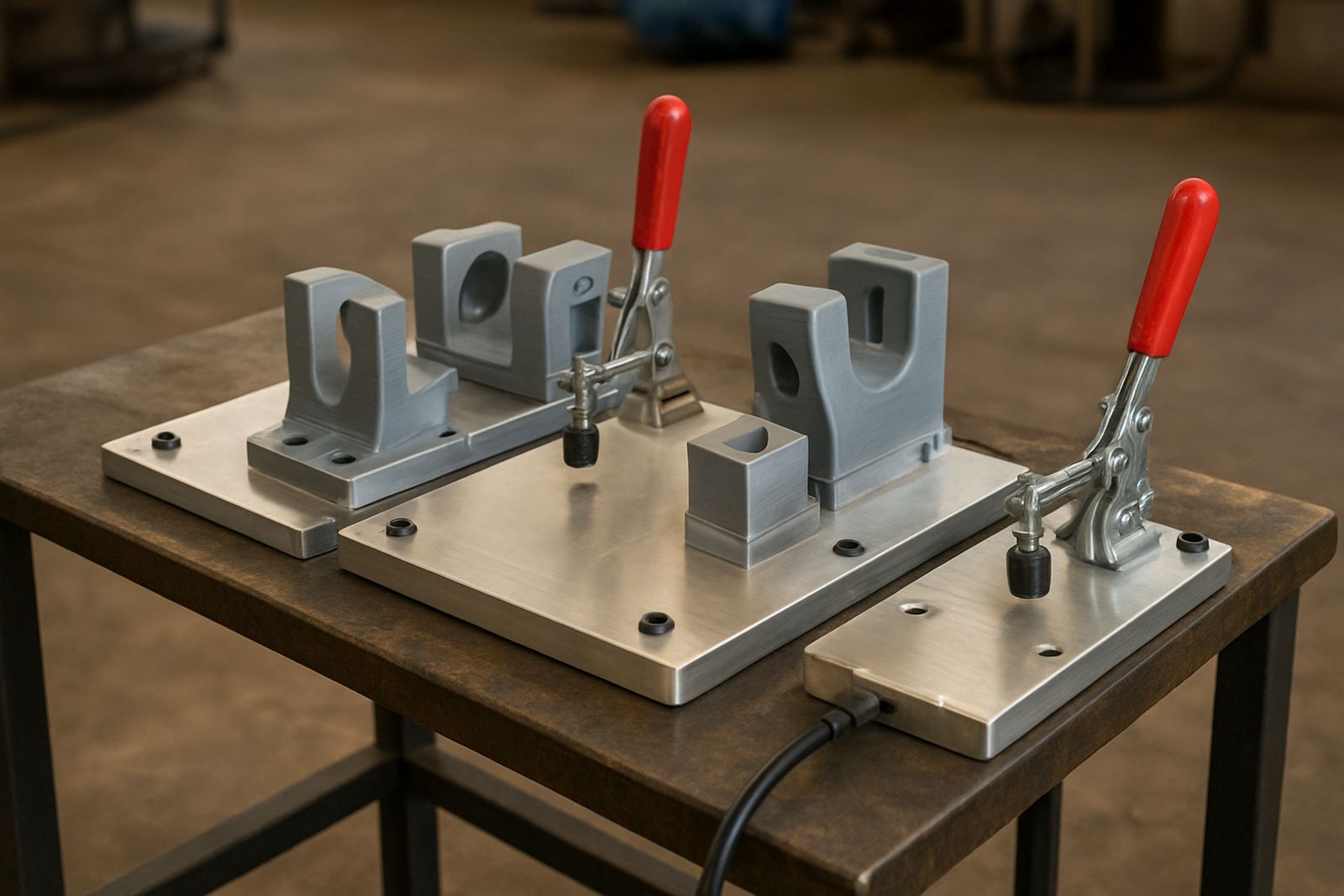
A good fixture is usually a mix of machining, holding and measurement tools rather than one fancy item. Depending on the application, the setup may include tool holders and collets for the machine, workholding hardware, a machined base plate, locating pins, clamps, stops, bushes and a measured reference edge. For additive parts, printed jigs can be used for low heat tasks, cable routing, trim guides or assembly positioning, while machined parts carry the load where stiffness is needed.
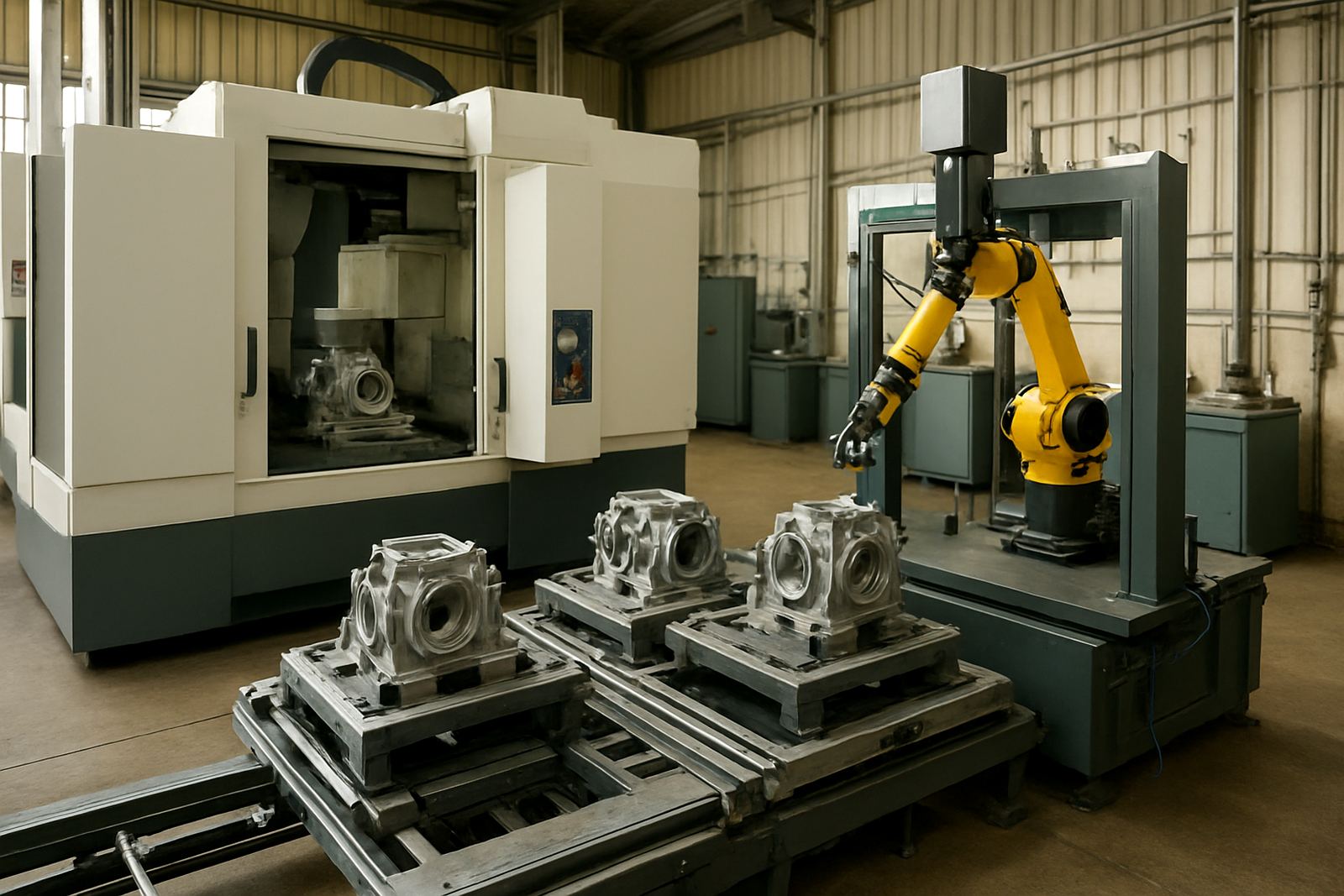
We also look at repeatability at the point of use. If the fixture will be moved between stations, the base must be easy to lift and safe to secure. If it stays on one machine, the layout can be tighter and more specialised. Where scanning is needed, a fixture can be made to hold the part in a stable repeatable posture for inspection, which saves time on the CMM or handheld scanner. With load-shedding in mind, some shops prefer fixtures that still allow manual loading and quick release when backup power is limited.
- Machined aluminium, steel or polymer fixture bodies
- 3D printed locators, guards and low-load positioning aids
- Clamps, jaws, pins, bushes and adjustable stops
- Reference datums for inspection and scanner access
Layout and planning advice before you cut metal
The best fixture layouts start with the process flow. Ask where the part arrives, where the operator stands, which face is the primary datum and how the finished part leaves the station. In many shops, a fixture gets overbuilt because nobody checked access for a spanner, a probe or a cutter. It helps to sketch the load path, clamping direction and tool approach before machining starts, then confirm the part can be loaded with one hand if needed.
We often advise clients in Despatch, Port Elizabeth CBD and Kariega to think about maintenance as well. If a fixture is too clever, it becomes expensive to keep in service. Replaceable wear parts, standard fasteners and clearly marked locators keep downtime down. For coastal conditions, avoid unnecessary bare steel contact points where stored fixtures may sit for weeks. If municipal inspection or workplace rules apply, make sure the fixture does not create a trip hazard and that any guarding or electrical items follow the site’s internal safety requirements.
- Check operator access before finalising the drawing
- Use standard fasteners where possible for quicker repairs
- Mark datums clearly so setup is repeatable across shifts
- Leave room for cleaning swarf, dust and coolant residue
Common mistakes that push costs up
One of the biggest mistakes is building a fixture around one exact part sample and not allowing for normal variation. Material thickness, weld distortion and casting tolerances all change from batch to batch. If there is no adjustment built in, the fixture becomes a problem instead of a help. Another common issue is choosing a light printed part where a metal component should be used, or the other way around. Additive parts are useful, but they are not a replacement for stiffness where the load is high.
We also see jobs fail because the clamping force is wrong. Too much pressure distorts the component, too little lets it move. Poor access for cleaning is another one. A fixture that traps chips or coolant will create repeatability issues and can damage the part over time. On higher value work, runout and alignment should be checked as part of the fixture setup, not after the first bad batch has already run.
Common signs the fixture needs a rethink include uneven wear, frequent setup calls, poor first-off results and operators shimmying parts into position by hand. That is usually a sign the locating strategy is wrong.
Budget ranges for small to medium production runs
Budget depends on size, material, repeatability target and whether the fixture is for machining, assembly or inspection. As a rough guide, simple printed assembly aids and low-load nests may start from about R1 500 to R6 000. Mixed printed and machined jigs for light production work often sit in the R6 000 to R25 000 range. Heavier fixtures with machined base plates, precision locators and replaceable wear parts can range from R25 000 to R90 000 or more, especially if tight tolerances and repeatability checks are required.
If the job needs scanner calibration, presetting support, holder checks or fixture verification, that should be budgeted separately because the value is in the setup accuracy as much as the hardware. It is also worth allowing for collection and delivery, especially for sites in Coega, Struandale and across Nelson Mandela Bay where time on the road still costs money. A fixture that cuts two minutes off every cycle can pay back quickly, but only if it stays easy to maintain and the operators use it as intended.
- R1 500 to R6 000 for simple printed aids and nests
- R6 000 to R25 000 for light production jigs and mixed-material builds
- R25 000 to R90 000 plus for precision fixtures and heavier duty work
- Allow extra for setup checks, delivery and maintenance parts
Working with Tooling on a fixture that keeps up with production
Tooling supports workshops that need practical fixture solutions without overcomplicating the job. Our team in Struandale works with machine shops, fabricators and production teams nationwide, with service into Gqeberha, Port Elizabeth CBD, Markman, Coega, Kariega and Despatch. The usual process is straightforward: define the part, agree the locating points, choose the material mix and confirm how the fixture will be maintained after the first run.
We can also help with related services like holder cleaning, runout checks, chuck jaw machining, vise alignment, presetting service and scanner calibration, which all matter when a fixture must hold position reliably from one shift to the next. If your team is planning a new line or fixing an old one, send the part details and your cycle target through our contact form. A well planned fixture saves time, reduces scrap and makes the next batch easier to repeat.