
Mixed-workshops need gear that changes with the job
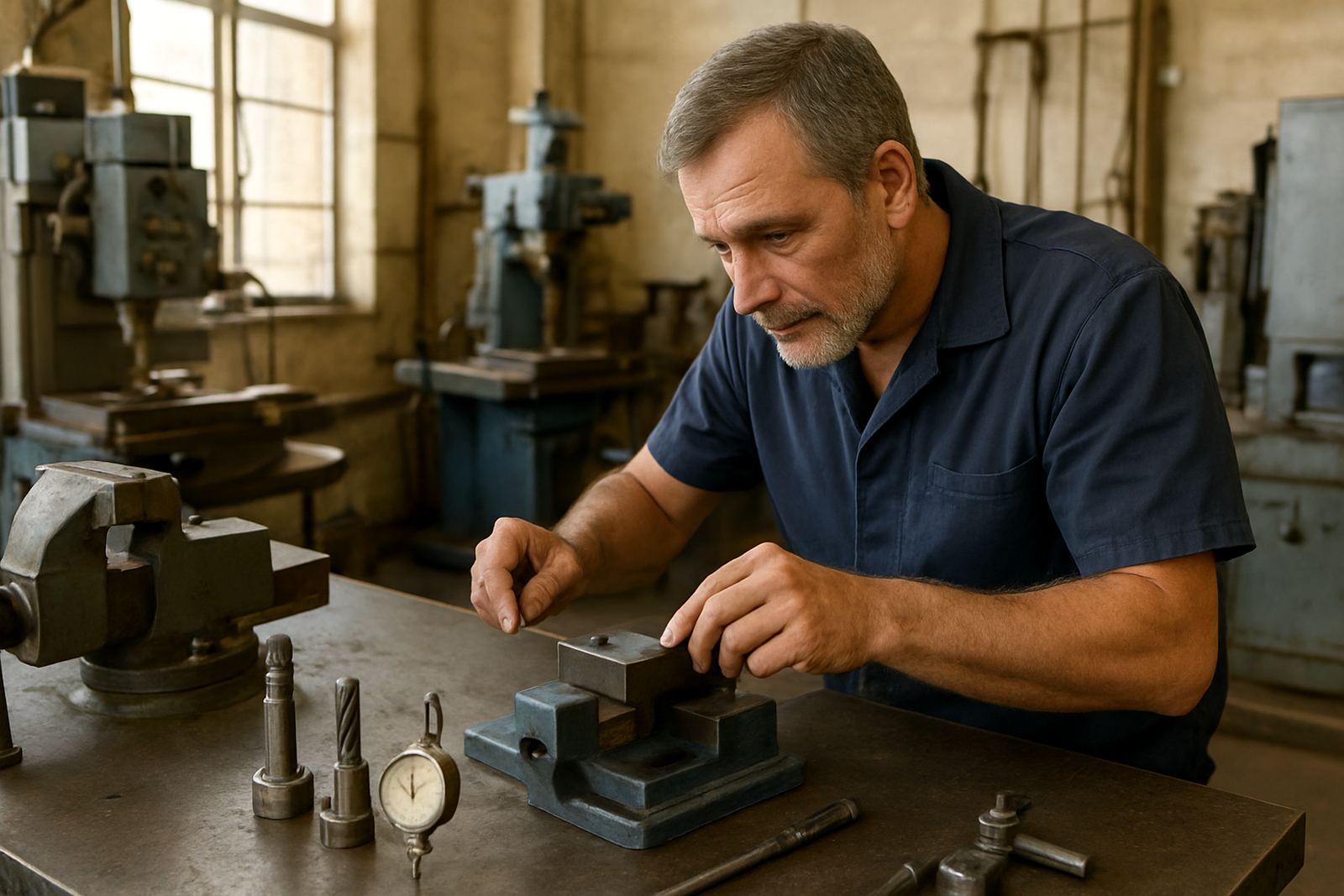
General engineering is rarely one process from start to finish. One day the shop is repairing shafts and brackets, the next it is machining new parts, checking tolerances or setting up a small production run for a local manufacturer. That is why the tooling needs to be versatile, repeatable and easy to maintain. In a workshop with milling machines, lathes, CNC centres, surface grinders and inspection benches, poor holding or worn accessories can cost far more than the part itself.
In Gqeberha and the wider Eastern Cape, a lot of general engineering work also happens under pressure from load-shedding, coastal humidity and short turnaround times. A practical tooling set helps reduce stoppages, keeps setup times down and gives operators more confidence when a job must be right first time. Tooling supplies the items that make those jobs easier, from holders and collets to workholding and precision support tools.
Typical equipment used in general engineering shops
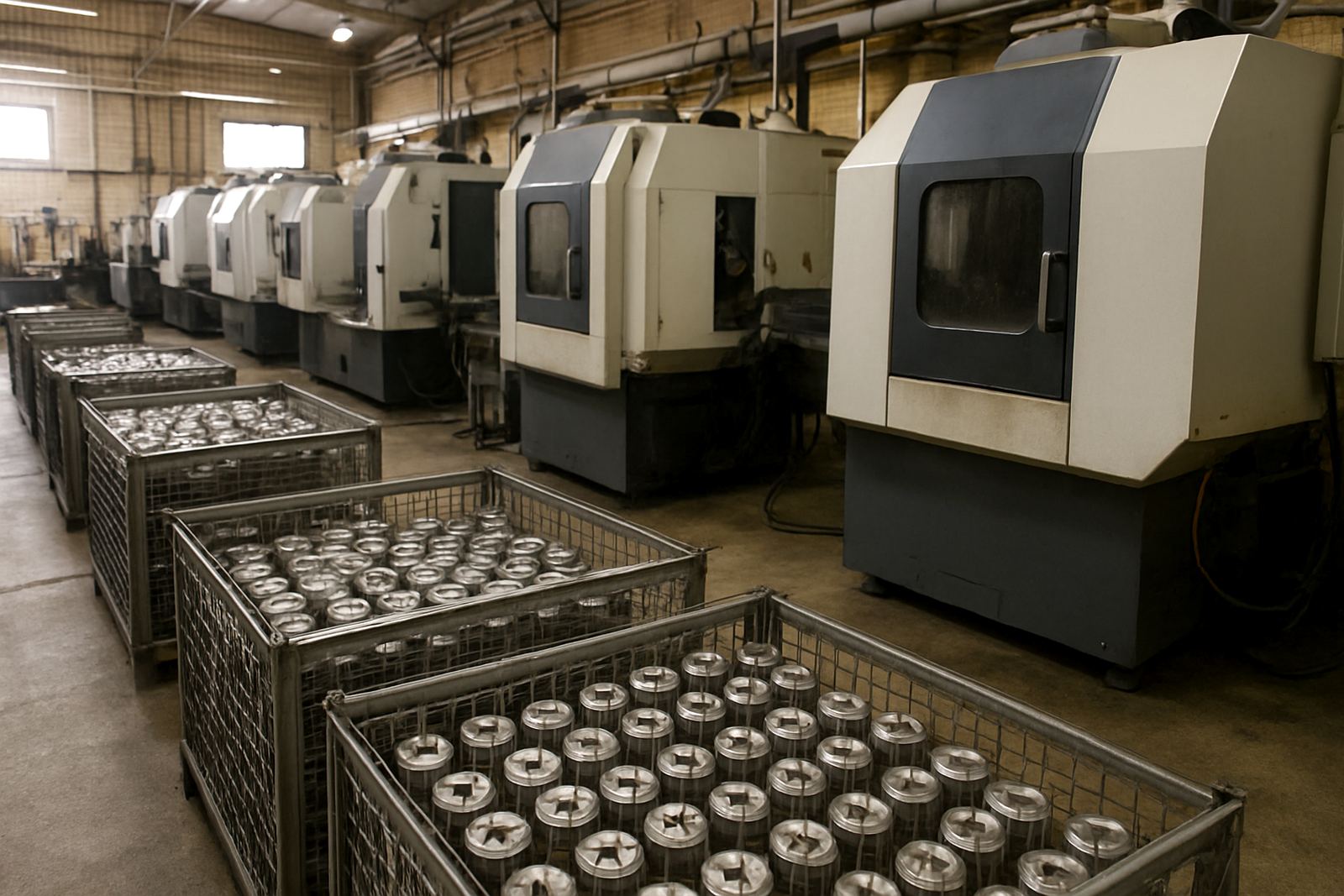
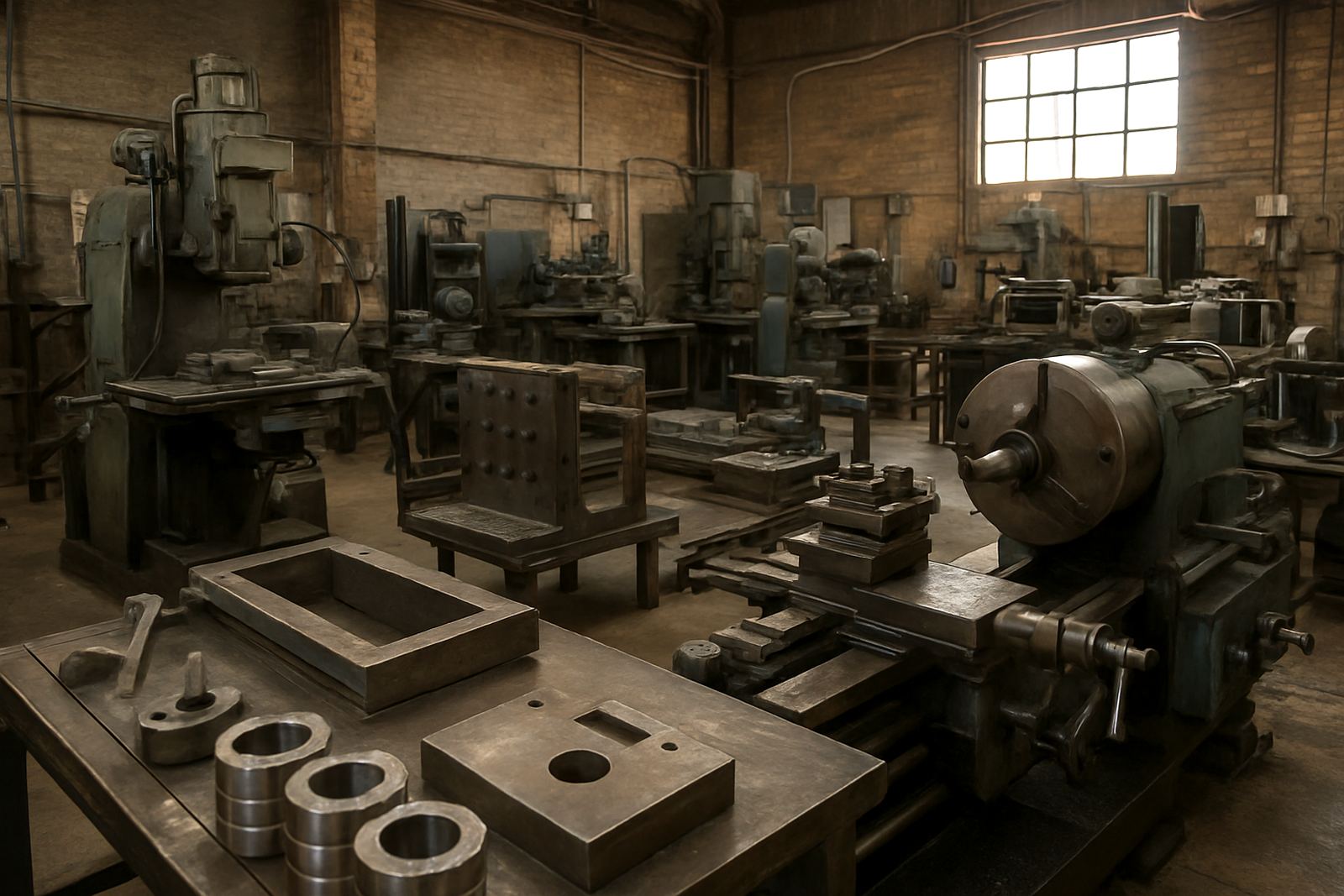
A good general engineering setup usually includes a mix of manual and CNC equipment. Shops may run vertical milling machines, engine lathes, CNC machining centres, drill presses, bandsaws, surface grinders and inspection equipment. Depending on the work, they may also use 3D scanning or 3D printing for pattern making, fit checks and fast replacement parts.
- Tool holders and collets for milling, drilling and turning work
- Vices, chuck jaws and other workholding items for secure clamping
- Presetting and runout checking tools for better accuracy
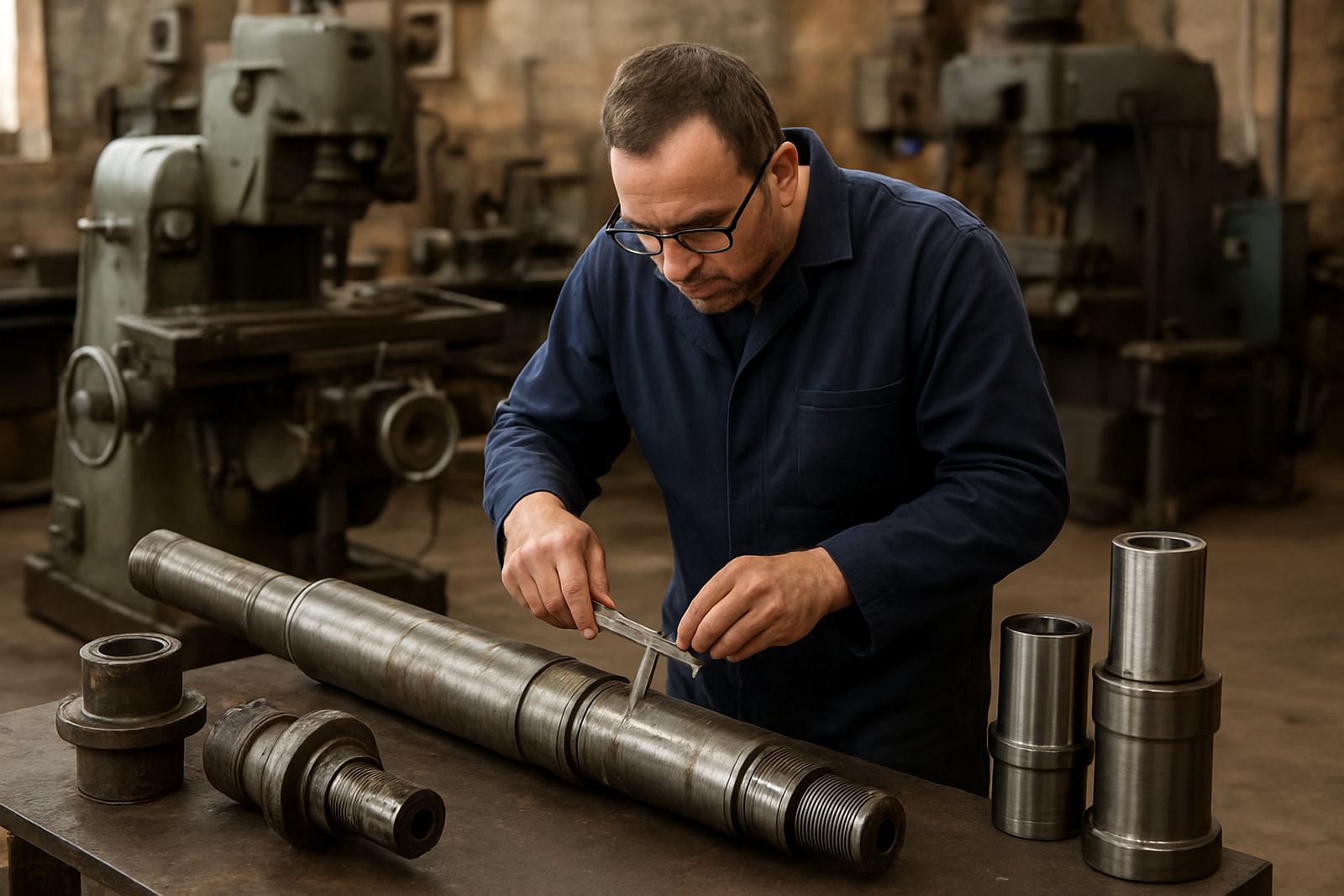
- Inspection and measuring support for first-off and repeat jobs
- Scanner and printer support for reverse engineering, fixtures and prototypes
When these items are matched properly to the machine and material, the shop spends less time correcting setups and more time cutting metal. That matters whether the job is mild steel, stainless, aluminium or small batch repair work. Even a simple holder cleaning or jaw machining can make an old machine feel far more reliable.
How to plan a practical workshop layout
Layout matters because general engineering work moves between preparation, machining, checking and finishing. A smart workshop keeps the most used tooling close to the machines that need it, with inspection tools stored where they stay clean and easy to reach. If a shop has limited floor space, the aim should be short walking distances and clear storage for consumables, spares and fixtures.
For a small or medium workshop, it helps to create separate zones for raw material, machine work, measurement and finished parts. That reduces mix-ups and makes it easier to keep track of jobs during busy weeks. In coastal areas like Gqeberha, sealed storage is also worth planning for, because humidity can affect holders, cutters and measuring tools if they are left exposed.
- Keep precision items in dry, labelled storage away from swarf and coolant splash
- Place presetting and inspection tools near the CNC area for quick checks
- Use dedicated racks or drawers for collets, cutters and small fittings
- Separate new stock from items awaiting regrind, cleaning or inspection
Good layout also helps with safety. Clear walkways, proper lifting points and a fixed place for heavy workholding reduce strain on staff and cut down on unnecessary handling. It is simple planning but it saves time every week.
Common mistakes that slow general engineering jobs
One of the biggest mistakes is using the wrong holder or a worn collet because the job is urgent. That can lead to poor concentricity, chatter marks and scrap parts. Another issue is treating all workholding as if it is equal. A part can move slightly under clamping pressure and still look tight to the eye, which is why runout checks and jaw machining are so useful.
Shops also lose money when inspection tools are not maintained. A scanner that needs calibration or a presetting system that has drifted can create errors across many parts. The same applies to vices that are out of alignment or chucks with damaged jaws. Small faults spread quickly through a production schedule.
It is also common to forget maintenance until a machine shows obvious wear. Holder cleaning, tool inspection and regrinding should be part of routine care, not only emergency work. That approach keeps equipment working longer and helps avoid last minute disruptions when a customer needs a part by afternoon, not next week.
Budget ranges for general engineering setups in Rand
Budgets vary depending on whether the workshop is fitting out one machine or a whole bay. A basic set of holders, collets and workholding accessories for a small repair shop may start from around R15 000 to R40 000, depending on machine size and what is already on hand. A more complete setup for a busy machining shop can move into the R60 000 to R180 000 range, especially where precision presetting, inspection support and multiple clamping systems are needed.
For shops adding 3D scanning or printing to support general engineering work, the spend can increase further depending on the application. It is worth budgeting for setup accessories, maintenance and calibration as well, because the full value comes from keeping the equipment accurate over time. A lower upfront price often becomes more expensive if the gear needs frequent correction or replacement.
- Starter repair shop kits: R15 000 to R40 000
- Busy machining and fabrication shops: R60 000 to R180 000
- Scanning or print support for engineering applications: budget separately for calibration and maintenance
Support that fits real workshop conditions
Tooling works with shops across Struandale, Markman, Coega, Kariega, Despatch and the Port Elizabeth CBD, and supplies machine shops nationwide. That includes tool regrinding, tool inspection, holder cleaning, runout checks, chuck jaw machining, vise alignment, presetting service, scanner calibration, printer maintenance and collection and delivery where needed. For general engineering customers, the point is not only to sell equipment but to keep it working accurately and ready for the next job.
The team in Gqeberha understands what local shops face: power interruptions, salt in the air, mixed workloads and tight delivery dates. Morne van der Merwe leads the business, with support from Ayanda Mhlabeni, Johan Bester, Zanele Nkomo, Ridwaan Jacobs and Nokulunga Dlamini. If a workshop needs help choosing the right setup, checking a fault or planning around a machine upgrade, the advice stays practical and focused on the work in front of you. Send a message through our contact form for assistance.