Training rooms that behave like real workshops
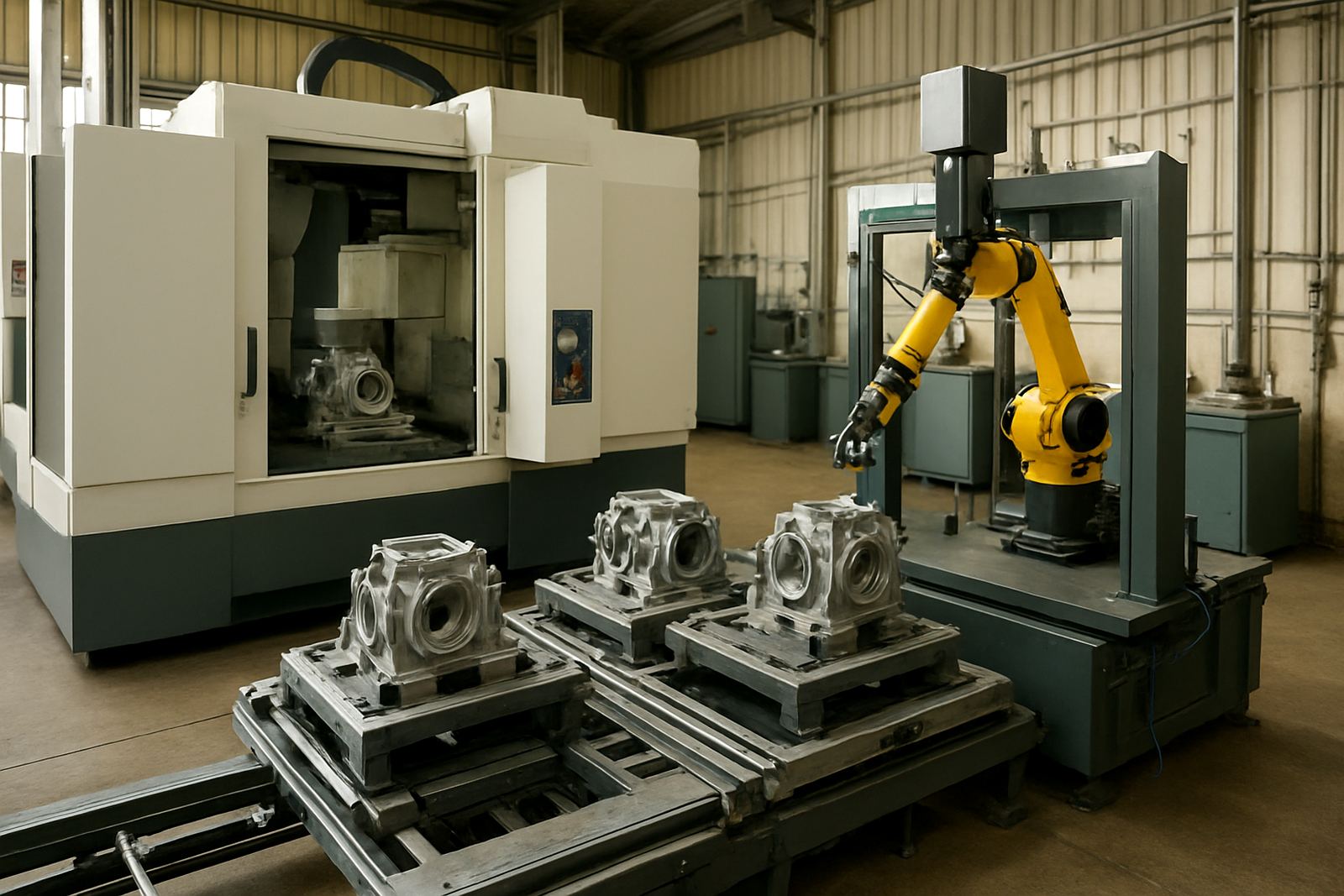
When a college or training centre sets up a machining room, the aim is simple: learners must practise on equipment that reflects what they will meet in industry. That usually means a mix of CNC machines, conventional tools, 3D printers and scanning equipment, supported by proper holders, collets and workholding. In Struandale and the broader Gqeberha industrial area, many training facilities also want equipment that can run daily without constant adjustment, because teaching time is limited and class groups move through quickly.
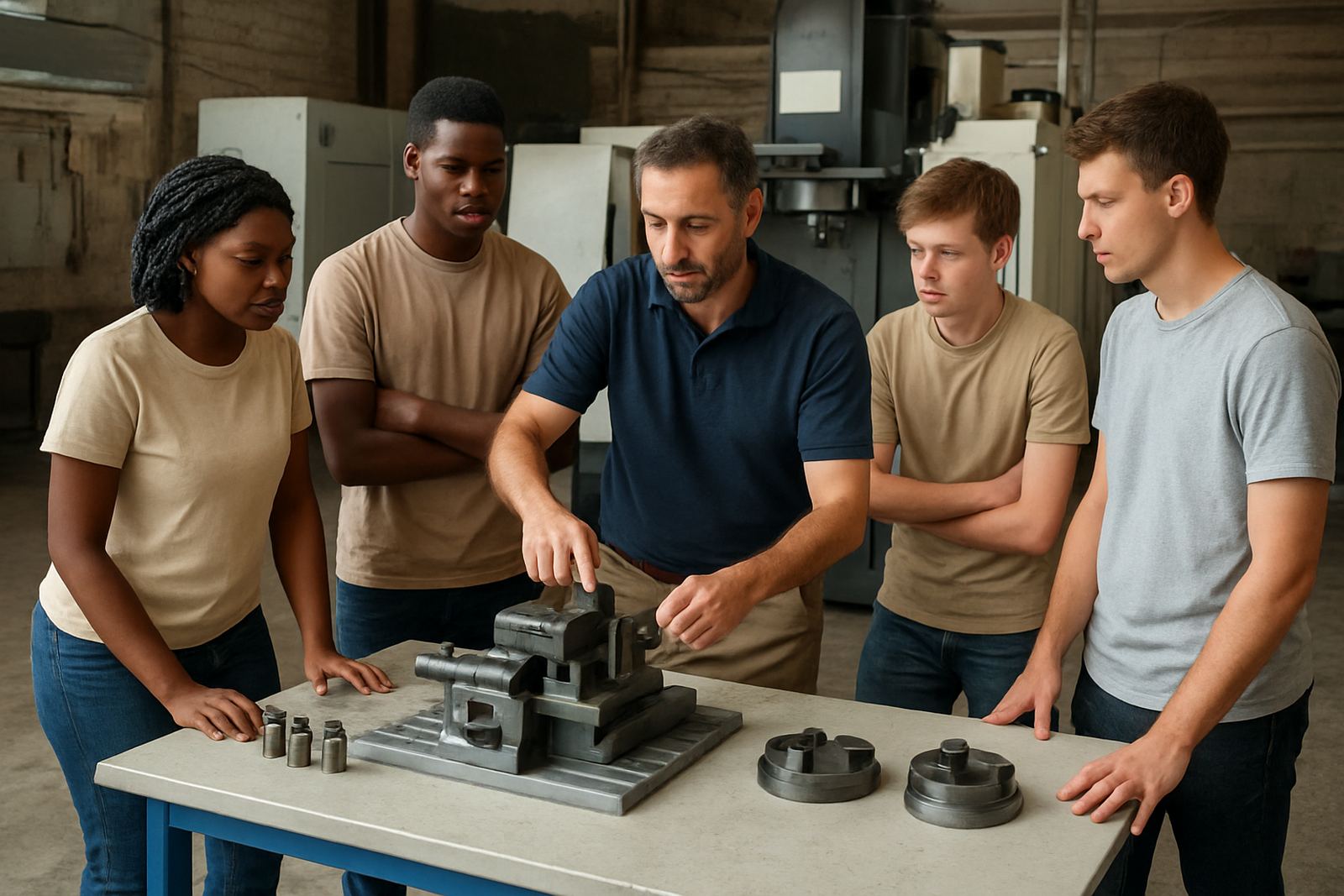
The right setup depends on the trade level. A first-year apprentice may need safe entry-level systems for setup and measurement, while advanced learners require repeatable machining, presetting and inspection routines. For technical colleges serving students from Port Elizabeth CBD, Kariega or Coega, the equipment has to be practical for mixed ability groups, with clear access for instructors and enough room for safe movement around the machine bay.
Typical equipment for education workshops
Most education clients need a balanced mix, not only one machine type. A good workshop often includes one or two small CNC mills, a training lathe or two, a desktop additive area, and a scanning and inspection station. Tool holders, collets, vises and chucks need to be easy to change and simple to explain, because learners must see how set-up affects finish and dimensional accuracy. For scanning and 3D work, clean power and dust control matter as much as the machine itself.
- CNC milling and turning machines for hands-on set-up and basic programming
- 3D printers for prototyping, fit checking and design projects
- Scanning systems for measurement, reverse engineering and inspection teaching
- Tool holders, collets, vises, chucks and jaws for repeatable clamping
- Presetting and runout checking tools for spindle and holder control
- Service support such as holder cleaning, tool inspection and calibration
For schools and colleges in humid coastal areas like Gqeberha, Kariega and Despatch, equipment storage also needs attention. Rust protection, dry cabinets for sensitive items and a clear cleaning routine help a lot, especially where students handle the same tooling every day and leave fingerprints on machined surfaces, which is very common.
Layout planning for learner safety and clear supervision
A training room should be arranged so instructors can see every station without weaving through narrow aisles. The best layouts keep noisy machining away from theory benches, with scanning and 3D printing in a separate clean area. If the building has a small footprint, plan for straight travel paths, wall-mounted storage and enough space for carts carrying cutters, holders and inspection items. In Gqeberha, many workshops also have to think about municipal compliance, fire exits and the practical side of shared facilities.
Power planning is another key point. Load-shedding can interrupt print jobs, machine runs and scanner calibration, so training centres need a sensible backup plan. That may include protected circuits, UPS support for computers and scanners, and a restart procedure that staff can follow without losing a whole class session. If compressed air is part of the setup, place the compressor where heat and noise will not distract learners. A good layout saves teaching time and cuts down on avoidable damage.
- Keep measurement benches separate from machining swarf and coolant
- Allow space for tool setting, not just the machine footprint
- Store collets, holders and gauges in labelled, dry cabinets
- Use clear floor markings for walkways, trolleys and safety zones
- Set up a single point for issuing and collecting tools
Common mistakes in college and apprentice workshops
One of the biggest mistakes is buying machines without planning the teaching process around them. A college may purchase a printer or CNC machine, then discover there are not enough holders, measuring tools or spare parts for daily training. Another common issue is choosing equipment that is too advanced for the current lecturer skills level, so the machine sits idle while staff wait for outside help. That slows the whole programme and raises the total cost of ownership.
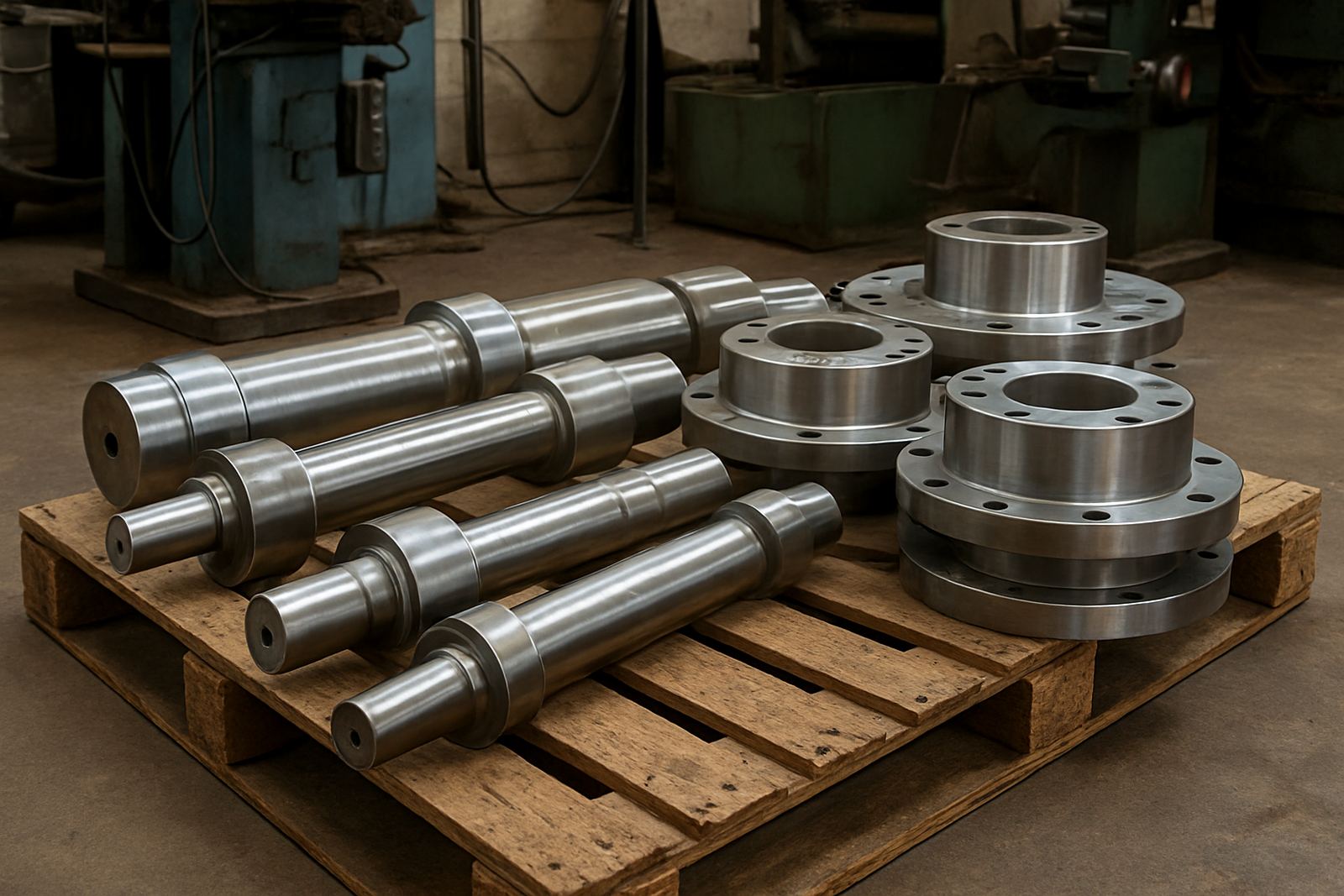
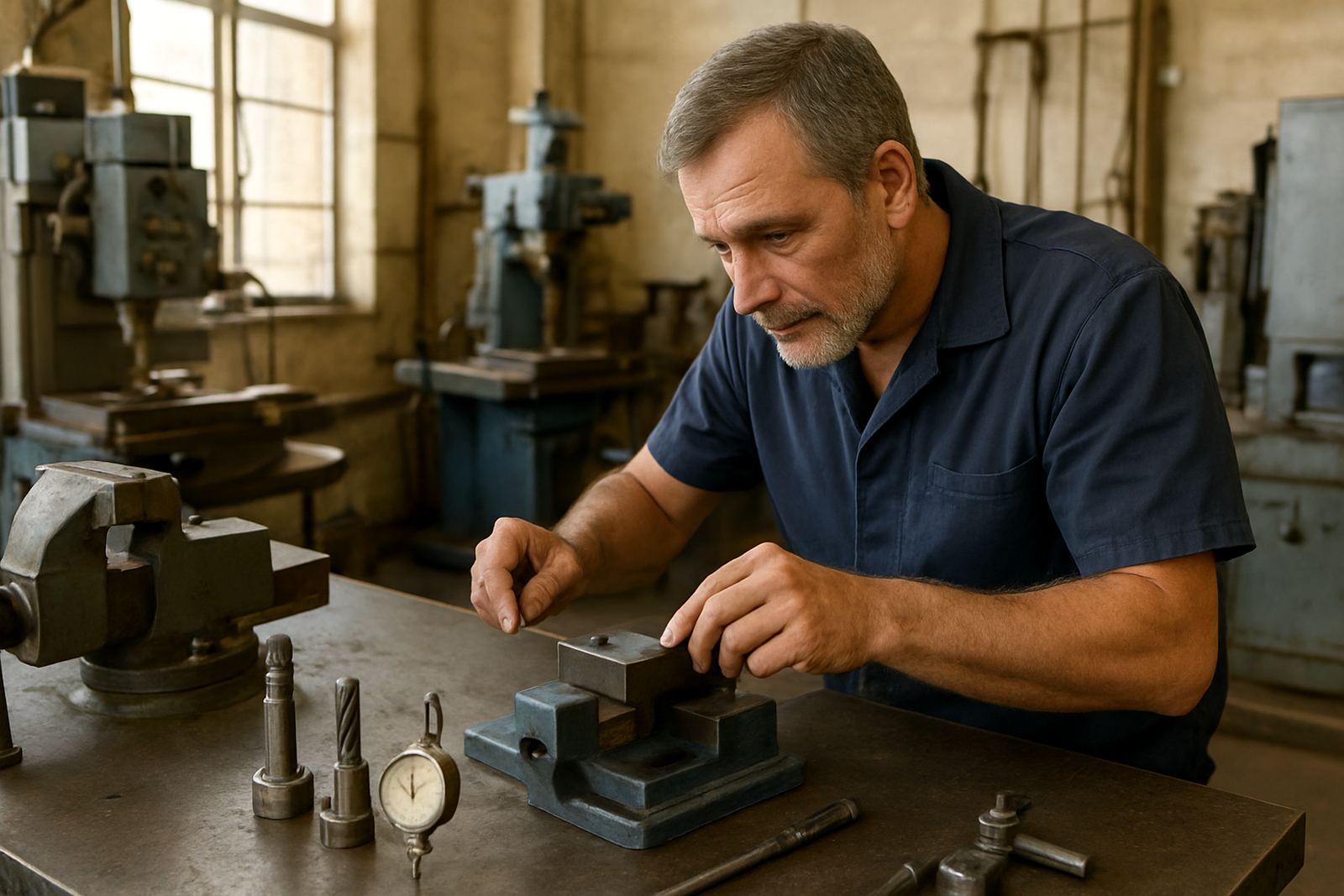
We also see workshops underestimating maintenance. Tool regrinding, chuck jaw machining, holder cleaning and runout checks are not optional extras in a teaching environment. Learners will use the equipment repeatedly and sometimes roughly, so the service plan must be built in from the start. If the room is intended for apprentices, one badly aligned vice or worn holder can teach the wrong lesson very quickly, and it usually shows up in the part accuracy.
Another pitfall is poor consumables control. When cutters, collets and printer parts are shared across classes, they disappear fast unless there is a simple issuing system. Even a small training centre can lose a lot of money through missing parts, so the store room and sign-out process need as much attention as the machines themselves.
Budget ranges that make sense for training use
Budget depends on whether the facility is fitting out a new practical room or adding to an existing one. For a small college lab or apprenticeship workshop, a basic start-up package with one CNC machine, a desktop printer, a scanner, starter workholding and setup tools may begin around R350 000 to R850 000. A stronger mixed-use training room with multiple machines, more holders, extra vises, service tools and a proper scanning station can move into the R900 000 to R2,5 million range.
For larger campuses or multi-trade centres, the figure can climb further once you add installation, power work, extraction, compressed air, training and spares. It is usually better to phase the purchase in stages than to overload the room with equipment and leave no money for calibration, staff familiarisation or spare parts. A phased plan also helps when student numbers grow faster than expected, which happens often in the Eastern Cape.
Budgeting should also allow for ongoing service visits, especially if the machines are used daily. In a practical training environment, a small yearly maintenance spend is far easier to carry than a major repair after months of neglect.
Support for colleges, apprenticeships and skills centres
Tooling works with machine shops, colleges and training centres from Struandale, Markman, Coega, Kariega, Despatch and the Port Elizabeth CBD, while serving clients nationwide. That matters because training clients often need quick advice on machine selection, tool life, set-up planning and the right mix of holders and collets for a teaching programme. Our team also supports scanner calibration, printer maintenance and practical workshop services that keep classes moving.
For education buyers, the real value comes from equipment that is easy to teach, simple to maintain and capable of showing correct workshop discipline from day one. When the machines are planned around the curriculum, learners get better hands-on experience and lecturers spend less time fixing preventable problems.
- Tooling can assist with machine room planning and equipment matching
- We support inspection, presetting and runout checks for training accuracy
- Collection and delivery help reduce downtime between service visits
If your college, apprenticeship centre or skills programme needs a practical setup for machining or additive manufacturing, start with the training outcomes, then build the equipment list around those needs. That approach keeps the room useful, safe and easier to run year after year. Morne van der Merwe and the team work with centres that want clear advice and proper after-sales support, not guesswork.