When pump and valve parts need to hold pressure and stay in line
Pump and valve components are often judged on two things: how well they seal and how long they stay within tolerance after machining. In workshops around Struandale, Markman, Coega and Kariega, the pressure is not only from the part itself but from shutdowns, corrosion, abrasive media and short turnaround times. When an impeller loses profile, a valve body face is out of square, or a flange needs a fresh sealing land, the work has to be accurate the first time.
Tooling works with machine shops that handle repair, refurbishment and production runs for water, mining, industrial and process equipment. The typical client is dealing with worn bores, damaged threads, pitted sealing faces, or a casting that is no longer true after years of service. The right setup helps cut scrap, keeps rework down and makes it easier to return parts to site without another teardown.
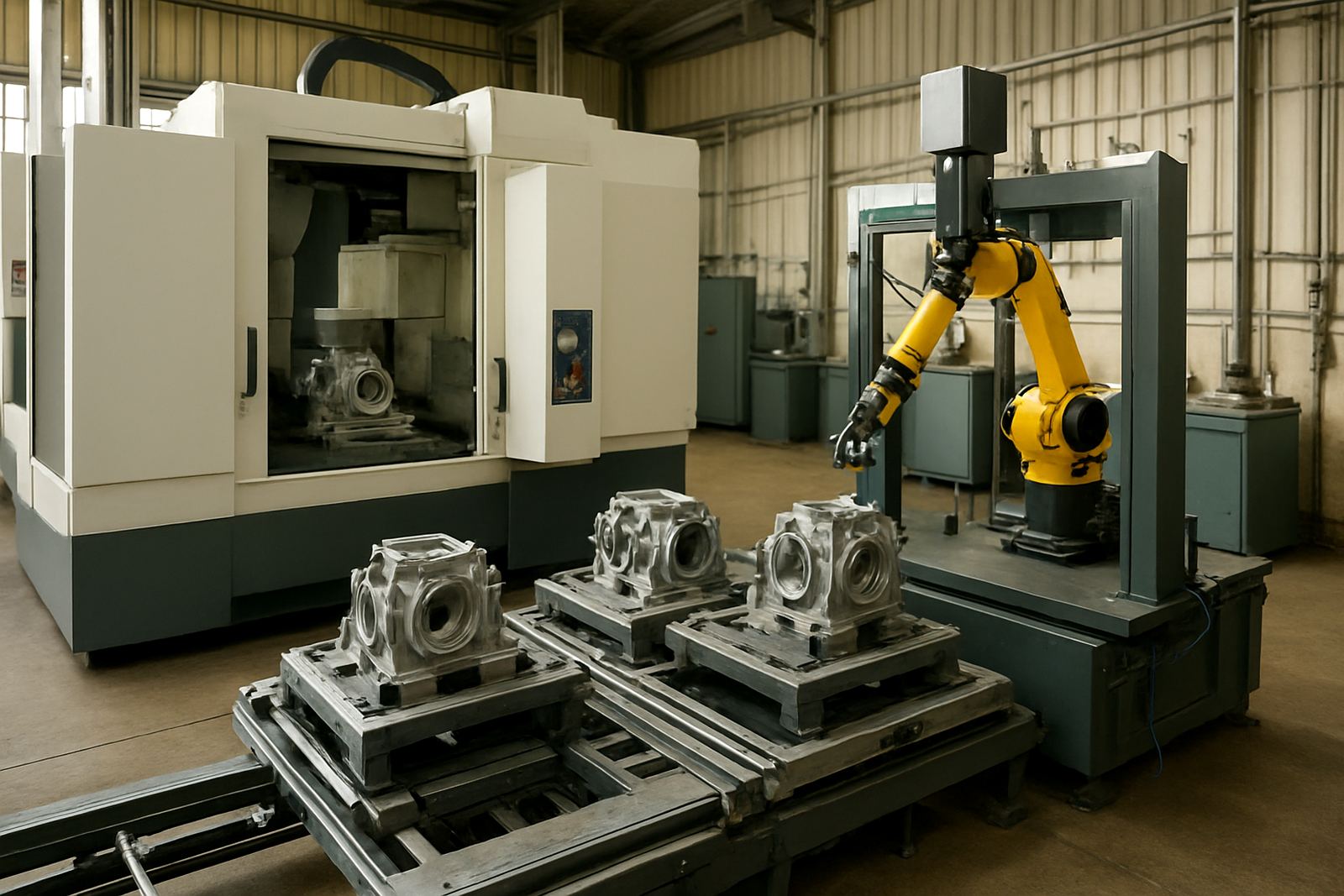
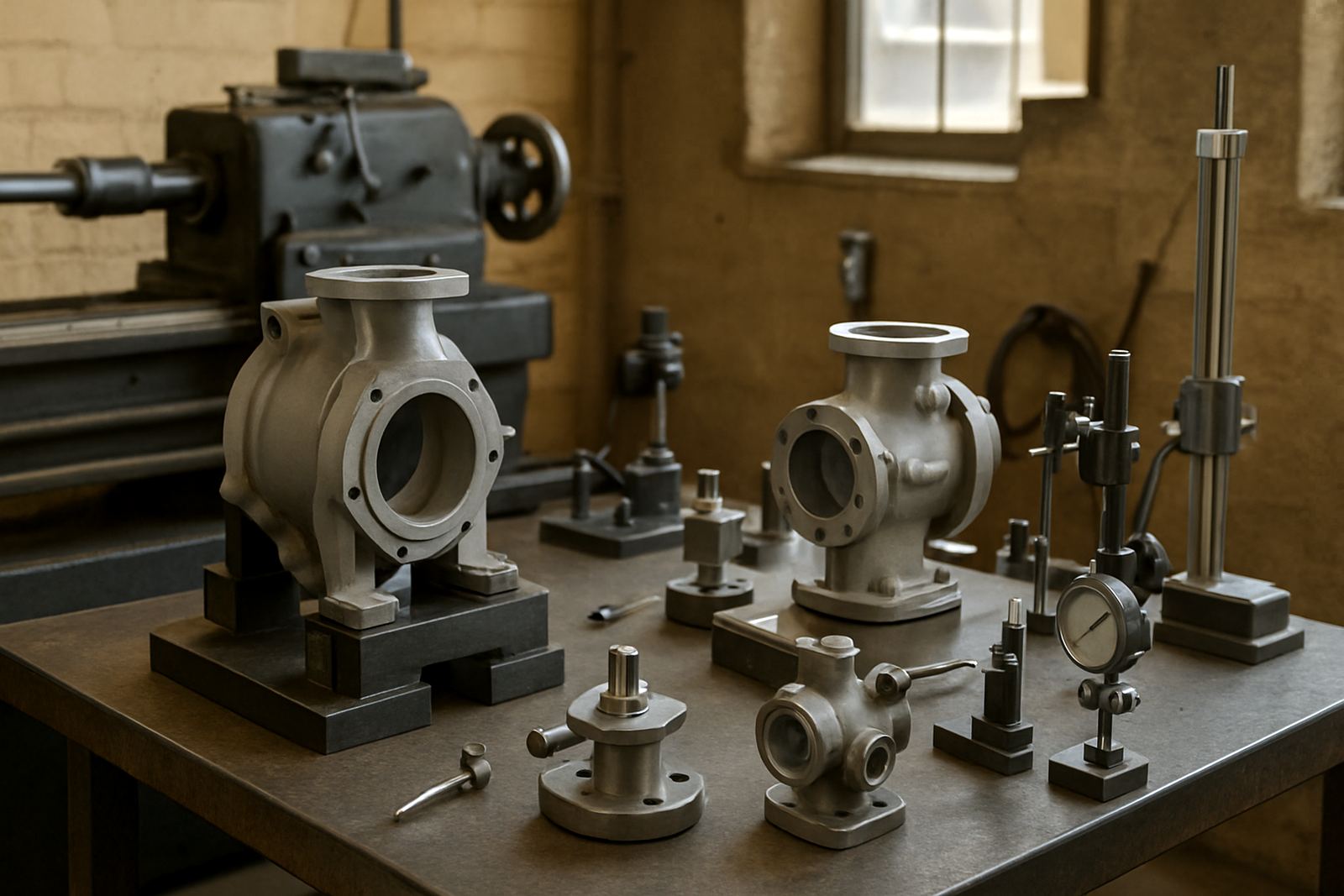
Typical equipment set for flow-control components
A pump and valve job usually starts with stable workholding and a way to confirm the part is where it should be. Depending on size and material, shops often use CNC milling, CNC turning, manual machining for one-off repairs, scanning for shape checks and presetting for repeat jobs. On larger parts, accurate handling matters as much as the cut itself because a heavy body or casing can move during clamping if the support is poor.
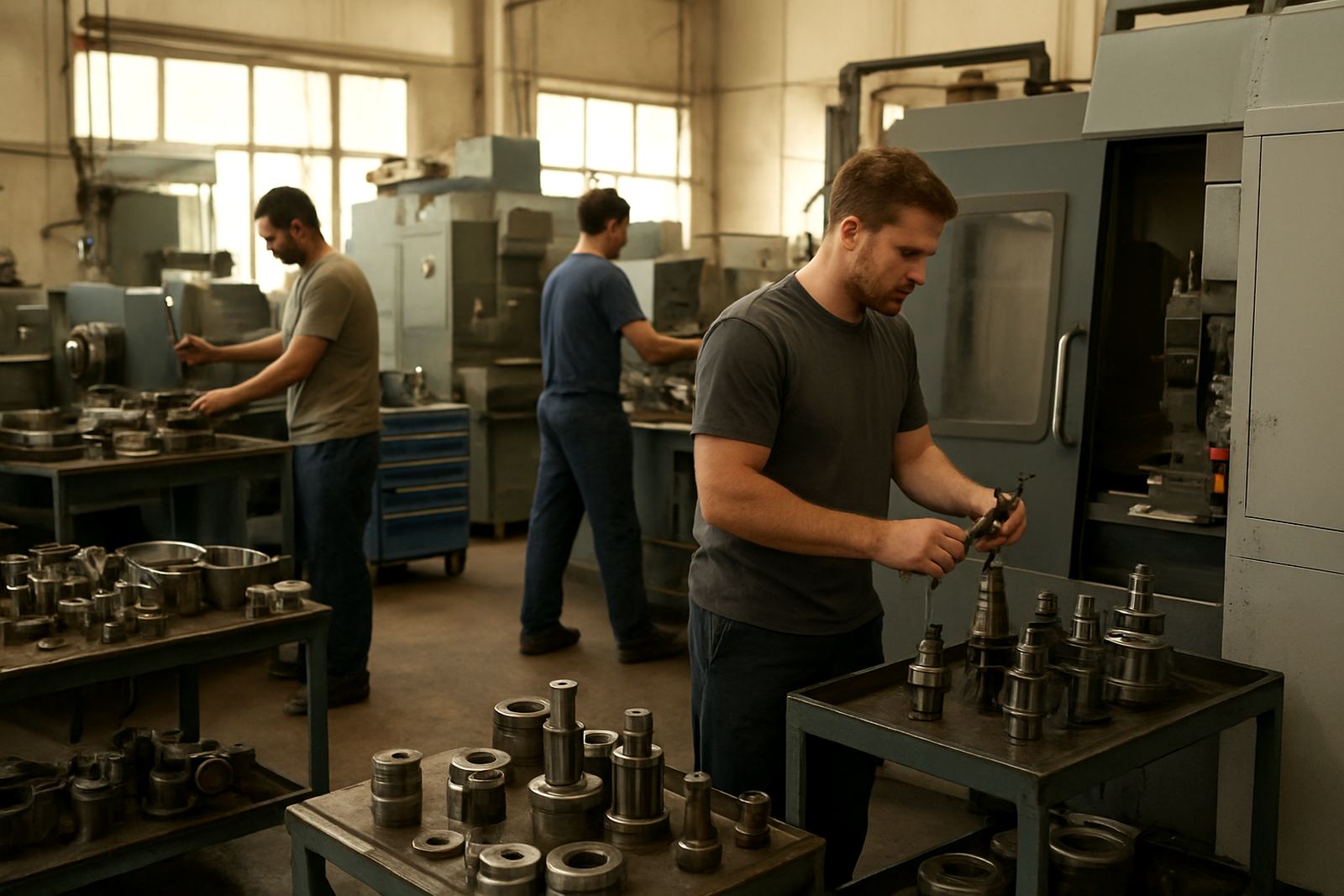
- Tool holders and collets for boring, face milling and fine finishing on sealing areas
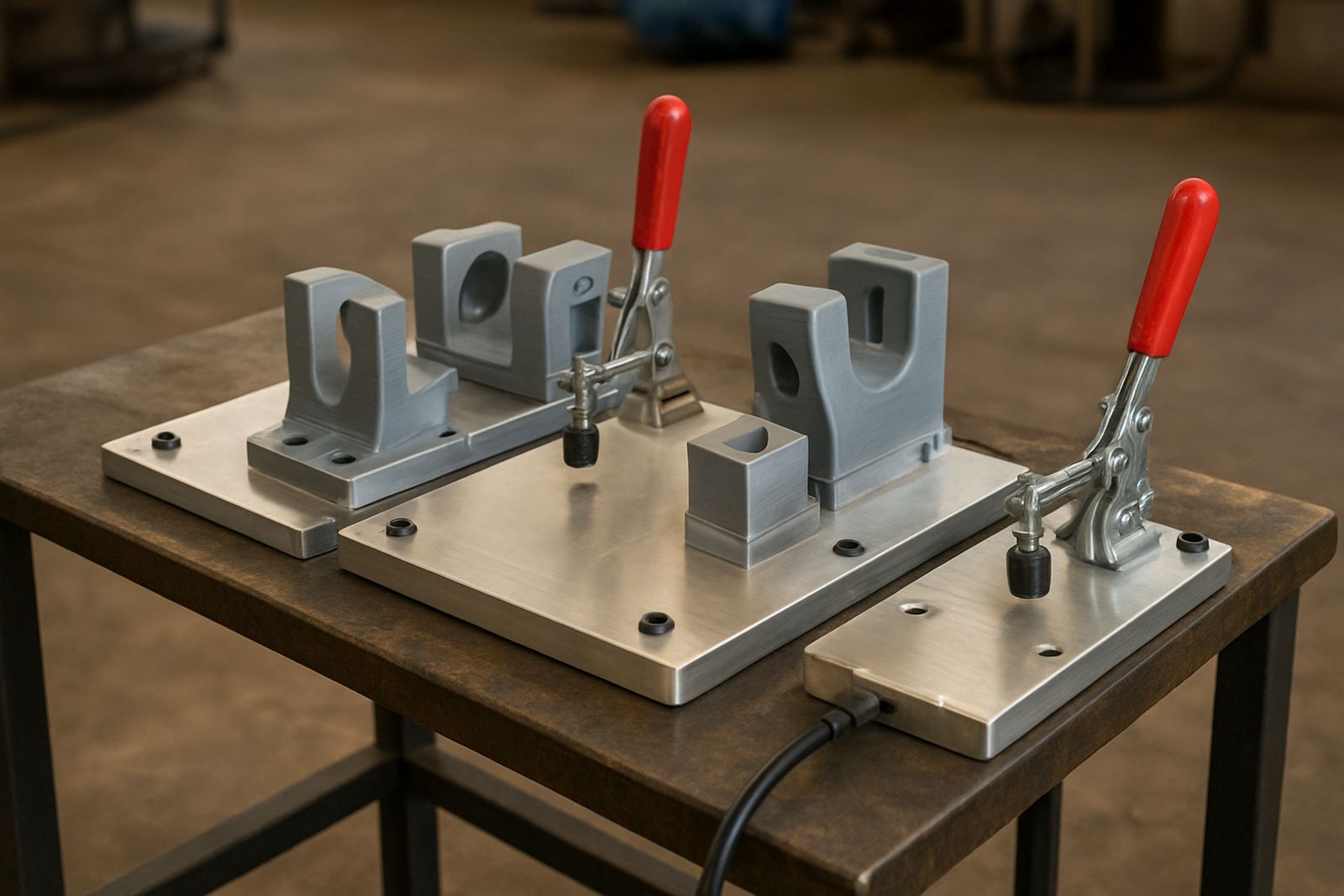
- Workholding systems for irregular castings, split bodies and offset flanges
- Scanning solutions for worn impellers, vane profiles and geometry checks
- Presetting and tool inspection to reduce downtime before a repair run starts
- Runout checks and holder cleaning for better surface finish and consistent diameter control
For many workshops, the goal is not to buy more equipment for the sake of it. It is to match the holding method, cutter path and inspection step to the component size and material. Stainless parts, bronze, cast iron and duplex materials each behave differently, especially when the machine is working long shifts during load-shedding windows.
Layout advice for a busy repair bay in Gqeberha and beyond
If your shop handles pump and valve work regularly, the layout should separate dirty incoming parts from clean machining and inspection areas. Keep stripped casings, impellers and valve bodies close to the incoming bay, then move them through washing, measurement, setup and machining in a clear line. That reduces handling damage and saves time when a job has multiple components with different tolerances.
In coastal areas like Gqeberha humidity can affect stored tooling and clean surfaces, so covered storage and regular holder cleaning are worth the effort. If your team is in Despatch, Port Elizabeth CBD or Coega and collecting parts from site, it helps to have a marked intake area for tagging, photos, and initial condition notes. This is where a simple planning mistake can cost a whole shift.
- Set a dedicated inspection bench with enough space for bore gauges, indicators and surface checks
- Keep heavy castings on rated stands or pallets so they are not dragged across floors
- Separate grinding and machining zones to limit contamination on sealing faces
- Allow room for collection and delivery so urgent parts can move out without blocking the machine line
For recurring work, ask for a standard job folder with dimensions, previous corrections and any special sealing requirements. That makes it easier to return to the same settings when the next pump body arrives from site.
Common mistakes that cause leaks, vibration or short service life
Most pump and valve failures after repair come from setup issues rather than the final cut. A face can be machined well and still leak if the part was clamped out of square. An impeller can look clean but still vibrate if runout was not checked against the shaft line. Small mistakes here become expensive once the unit is reinstalled and filled.
Another issue is using the wrong holding strategy for worn castings. Soft jaws, custom fixtures and careful alignment are often better than forcing a universal setup to do everything. Shops also forget to check sealing grooves, flange faces and reference surfaces as a set. If one area moves the rest of the component may no longer sit correctly. It is a simple point, but it comes up often.
- Skipping runout checks after tool changes or holder swaps
- Clamping on damaged surfaces and marking the part further
- Ignoring corrosion under old gaskets or seals before machining
- Mixing roughing and finishing tools without confirming preset length
- Leaving cleaned parts exposed in humid storage areas
For valve bodies, the seat area and flange face must be treated as matching surfaces, not separate jobs. If the machining sequence is wrong, the body may seal poorly even though each face measures within a loose tolerance.
What budgets usually look like in Rand
Budget depends on whether the work is a one-off repair, a repeat production run or a full inspection and setup package. For smaller pump and valve jobs, many shops allow between R750 and R2 500 for inspection, presetting or runout verification on a component set. Straightforward holder cleaning, collet checks and basic alignment work may sit in the R450 to R1 200 range depending on volume.
More involved work such as chuck jaw machining, custom workholding setup, scanner calibration, or repeat tooling review can move into the R2 500 to R8 500 bracket, especially when a job needs quick turnaround. If the work includes collection and delivery across Gqeberha, Kariega or Coega, factor in transport and handling too. For larger flow-control parts with scanning and machining preparation, budgets can rise well above that once fixture development and multiple checks are needed.
It helps to budget per job family, not only per individual part. A workshop that repairs impellers, valve bodies and flanges every month will usually get better control if it keeps a standing allowance for inspection, cleaning and presetting. That keeps the machine room ready when urgent work lands after hours or during a shutdown.
How Tooling supports pump and valve workshops nationally
From our base in Struandale, Gqeberha, we support machine shops across South Africa with practical machining support, scanning, 3D printing, tool inspection and workholding solutions. Our team works with workshops that need a better way to handle pressure-bound components, from small valve inserts to larger pump casings. Whether the task is a runout check, a presetting request, or a more involved setup review, the focus stays on accuracy and sensible turnaround times.
If your work involves impellers, valve bodies, flanges or sealing features, we can help you plan the job before cutting starts. That often means fewer surprises, cleaner handovers and less rework after installation. For customers in Struandale, Markman, Coega, Kariega, Despatch and the Port Elizabeth CBD, local support makes it easier to keep urgent flow-control jobs moving.
Send a message through our contact form for service support, collection arrangements or advice on the best setup for your part. A well planned pump or valve job saves time, and usually saves a fair bit of money too.