When the toolroom starts holding up production
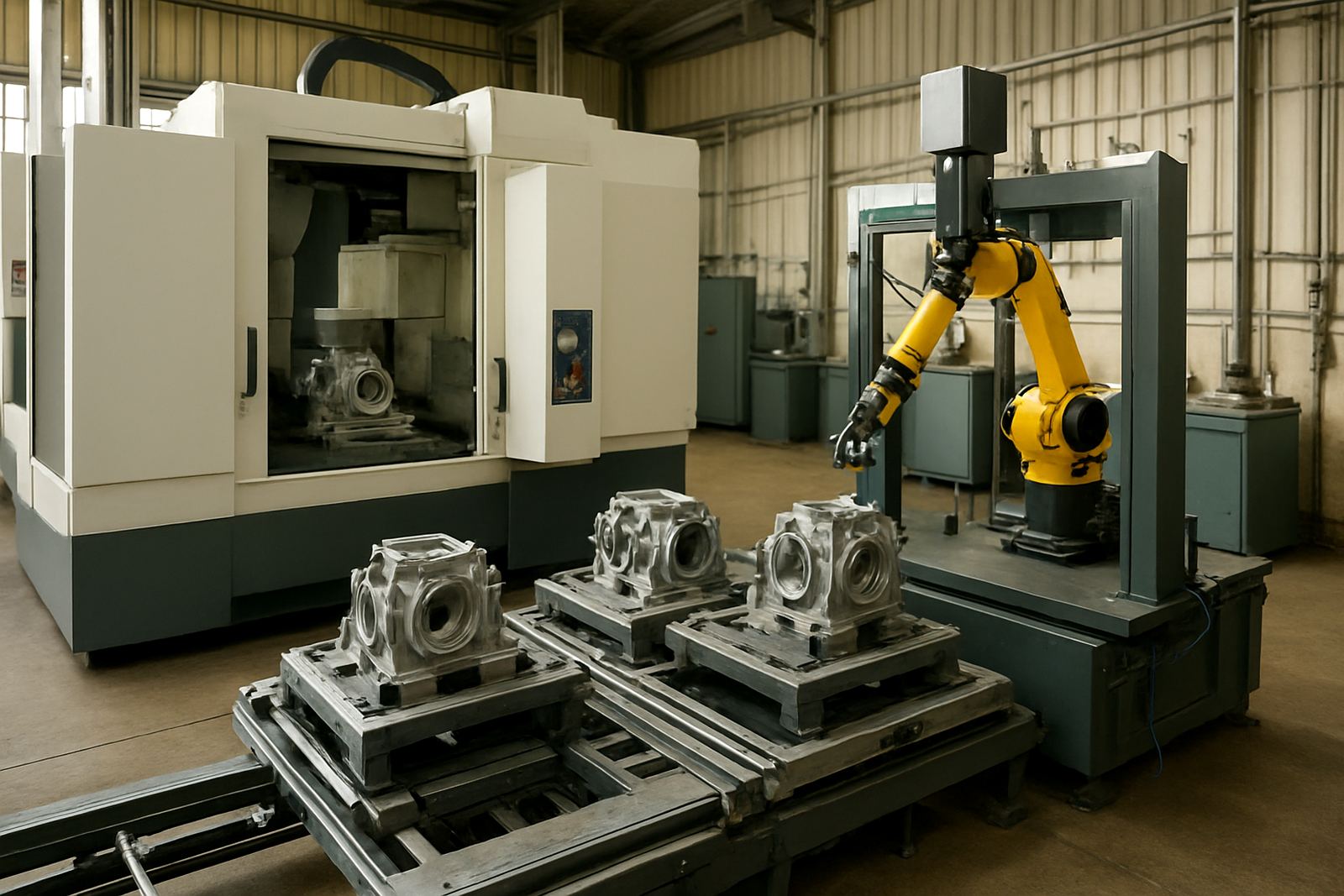
Most toolrooms do not get noticed until a spindle starts running out, a holder is damaged, or a set-up takes twice as long as it should. In Gqeberha, Kariega, Despatch and the industrial areas around Coega, that usually means one thing, production is waiting on a small but critical part. Toolroom work is about keeping the right holders, vises and measuring support ready so the machinists can get back to work without guessing.
For maintenance departments, the pressure is different. A plant may only have a short shutdown window, or a night shift crew trying to keep lines running through load-shedding. If the toolroom is organised, clean and properly checked, the repair team can move faster and make fewer errors. That saves time, scrap and a lot of rework.
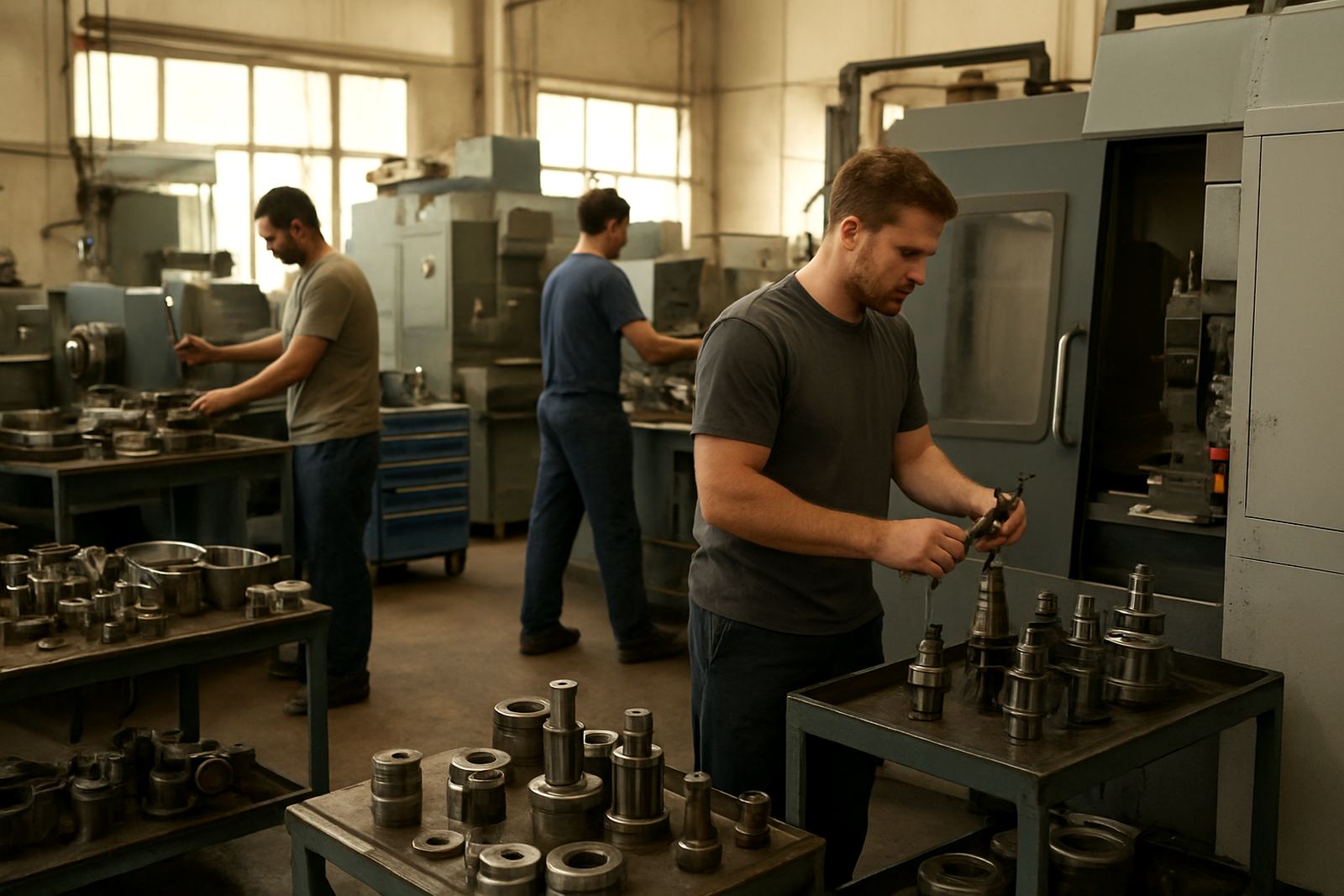
Typical equipment that belongs in a practical toolroom
The exact mix depends on the machines on site, but most South African shops need the same core items. We see this across metalwork, plastics, automotive suppliers and general engineering jobs.
- Tool holders for milling and turning machines
- Collets and clamping systems for accurate grip on small diameters
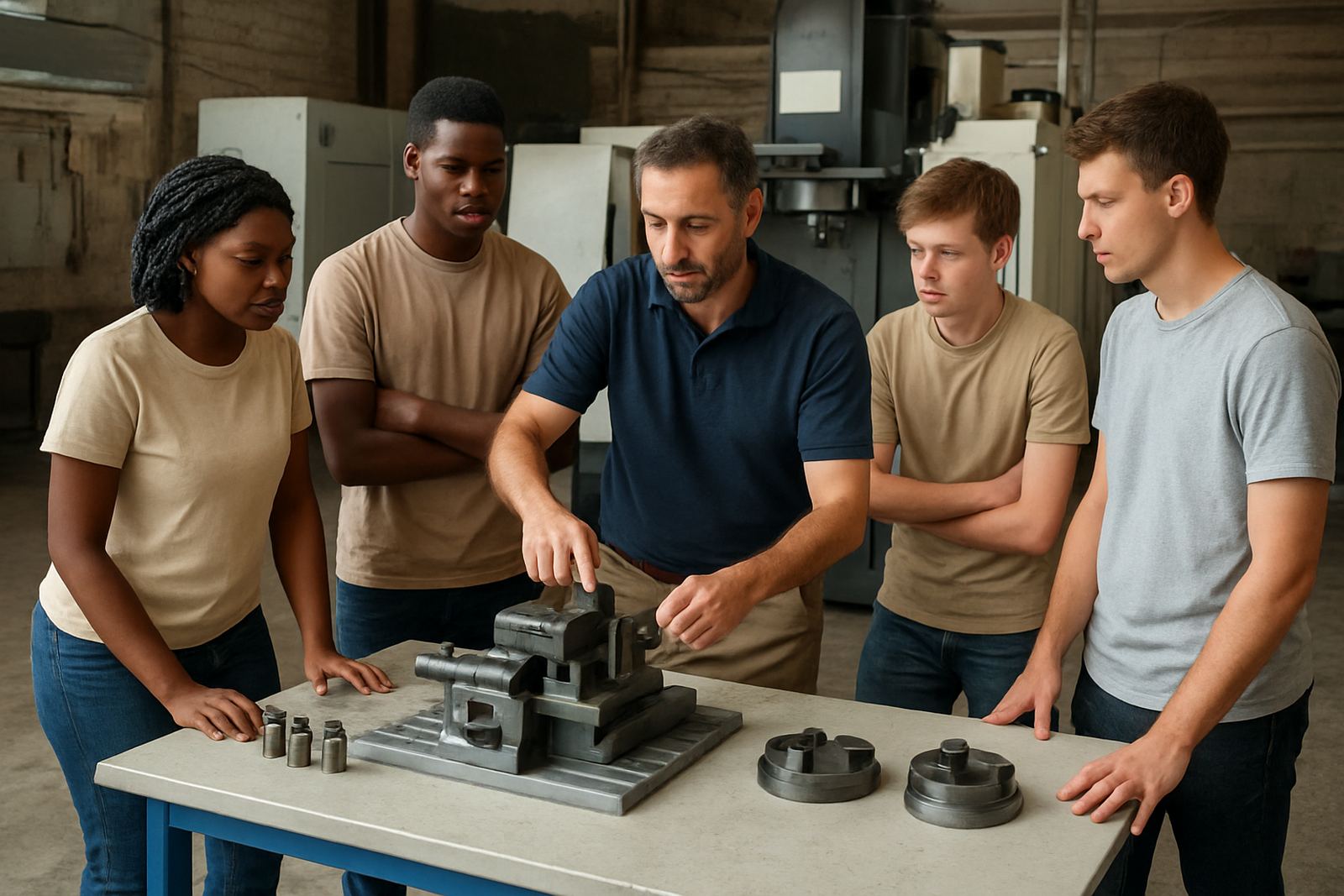
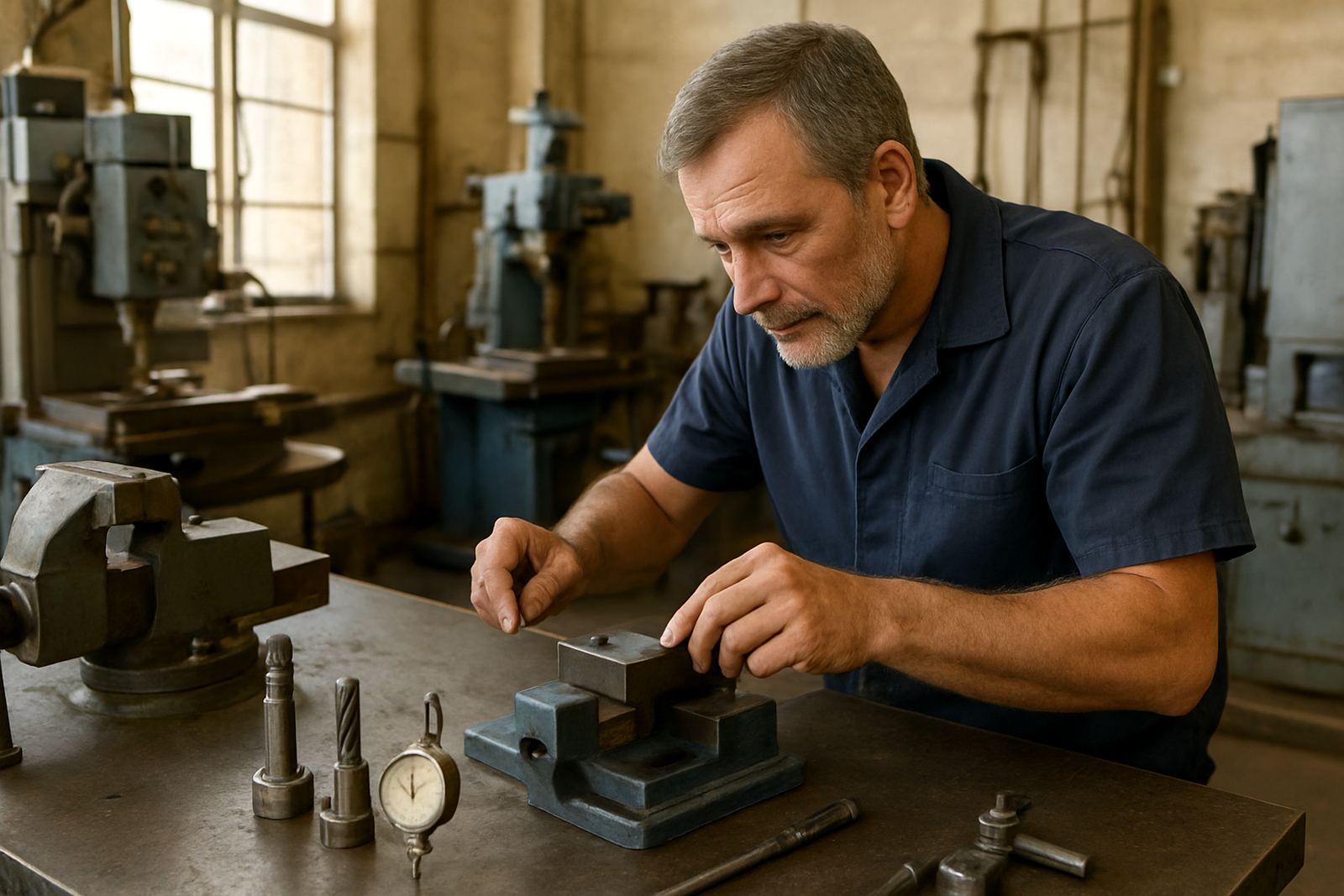
- Vises and soft jaw setups for repeat work
- Chuck jaws and jaw machining support for turning jobs
- Presetting equipment for faster tool changes
- Runout checking tools and measuring accessories
- Scanner and printer support where parts are being copied or verified
A good toolroom does not need the most expensive item in every category, but it does need the right size range, the correct taper, and parts that suit local machine types. We often find the problem is not the machine itself, it is the mismatch between the workpiece and the holding method.
How to lay out the toolroom for quicker changeovers
Layout matters more than most people think. If operators have to walk across the plant to find a holder, then search for the correct collet and finally borrow a gauge from another bay, the set-up time climbs fast. In busy shops, especially where one toolroom serves turning, milling and maintenance, the space needs clear zones for storage, inspection, cleaning and issue.
A sensible layout usually starts with the high-use items closest to the point of issue. Keep the clean measuring area separate from grinding and machining dirt. Put worn or awaiting repair items in a marked return area. If you have a presetting station, keep it away from vibration and direct sunlight, because heat can affect readings. On coastal sites around Gqeberha, moisture control is also worth planning for, since humidity can affect tool life and corrosion.
- Store holders by taper and size, not by whoever last used them
- Mark repaired and checked items with a clear date or batch number
- Keep cutting tools, measuring gear and clamping parts in separate zones
- Plan space for cleaning and inspection before parts go back into service
Common mistakes that cost time and accuracy
One of the most common mistakes is treating toolroom hardware as if all holders or vises are interchangeable. They are not. A slightly worn collet, dirty taper, or poor jaw alignment can create runout and poor finish even when the machine itself is fine. Another issue is using the wrong clamping force, which can distort thin parts or let them move during a cut.
We also see toolrooms where inspection is done only when something goes wrong. That means the team only measures after scrap has already been made. Regular runout checks, holder cleaning and presetting keep surprises down. It is worth checking the basics before blaming the machine. Many faults start with a loose clamp, a damaged seating face or a badly aligned vice, not the spindle.
For small parts and high tolerance work, a minor typo in the setup sheet or a missing decimal on a set-point can waste a full batch, so written control matters as much as physical hardware.
Budget ranges for toolroom upgrades and support
Budget depends on the number of machines, the tolerance required and whether the site needs a full refresh or only a few critical items. As a broad guide, a small maintenance toolroom might start with a few essential holders, collets and measuring aids in the R15 000 to R40 000 range. A mid-sized machine shop with regular changeovers and multiple machine types may spend R60 000 to R180 000 over time.
For more specialised work, such as a wider holder range, presetting support, chuck jaw machining, or scanner-based inspection, the investment can move higher. It is usually better to phase the spend than to buy the wrong gear in one go. We often recommend starting with the parts that affect uptime first, then adding the rest as the production picture becomes clearer.
- Basic holding and inspection support: R15 000 to R40 000
- Mid-range toolroom upgrade: R60 000 to R180 000
- Specialist setup, calibration and support: quoted per site
Support for Struandale, the Eastern Cape and beyond
Based in Struandale, Gqeberha, we support machine shops and maintenance teams across Port Elizabeth CBD, Markman, Coega, Kariega and Despatch, as well as customers nationwide. Some sites need collection and delivery, while others prefer direct technical support for inspection, cleaning or service work. The important thing is getting the right part back into circulation quickly.
If your toolroom is carrying too many slow-moving items or your setups are taking longer than they should, it may be time to review the whole holding system. We can help with tool regrinding, holder cleaning, runout checks, vise alignment, presetting service and scanner calibration. For toolroom work, steady accuracy matters more than flashy kit, and that starts with proper support from the first setup.
Use our contact form for practical advice on holders, vises and measuring support for your site.