
When the job has to hold size from first cut to last polish
Mould and die work is usually unforgiving. A cavity that opens by a few hundredths, a slide pocket with poor finish, or an insert that sits slightly off line can cause scrap, delays and extra bench work. In shops around Struandale, Markman, Coega and the Port Elizabeth CBD, the pressure is often the same: keep accuracy high while running on practical lead times and not wasting spindle time.
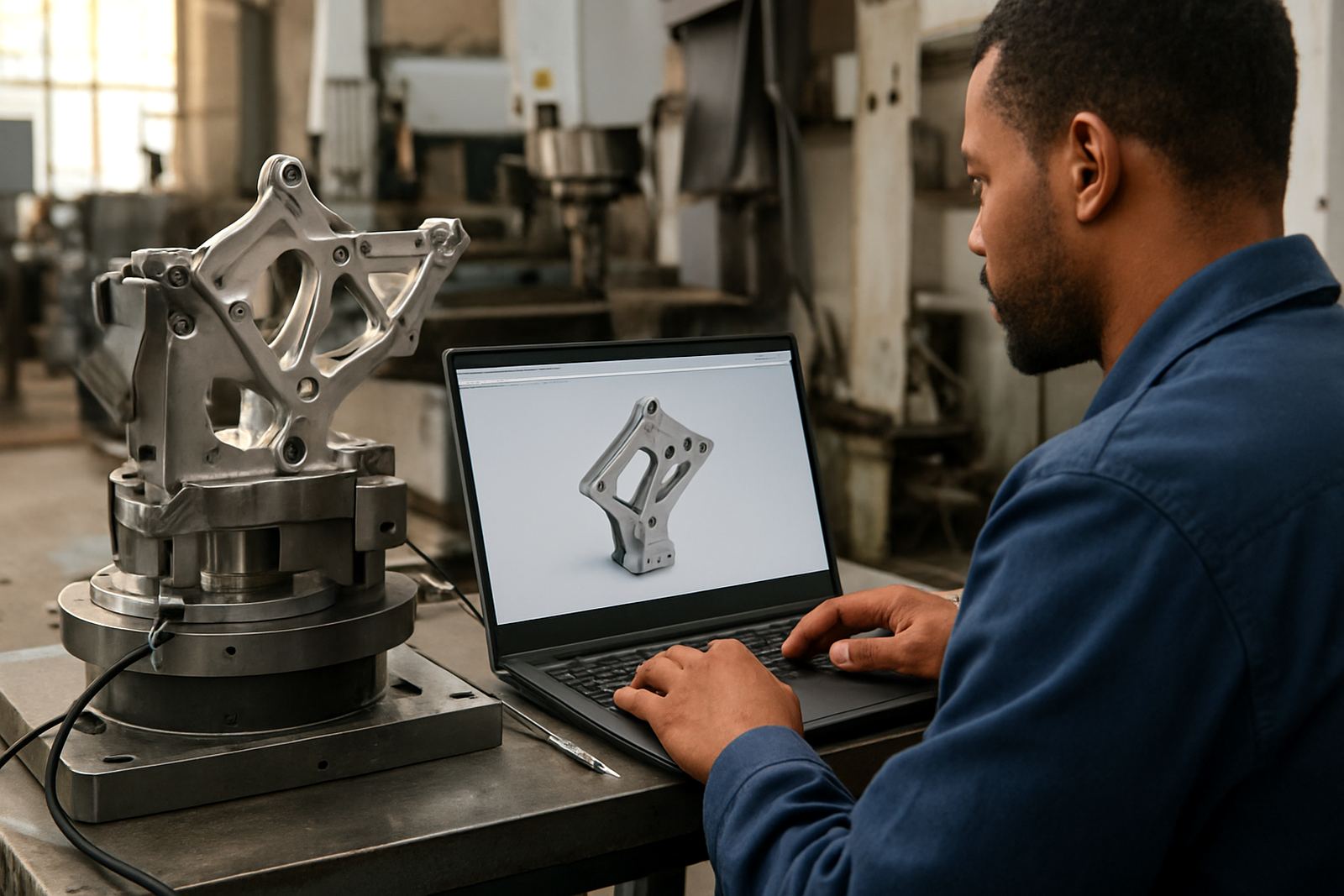
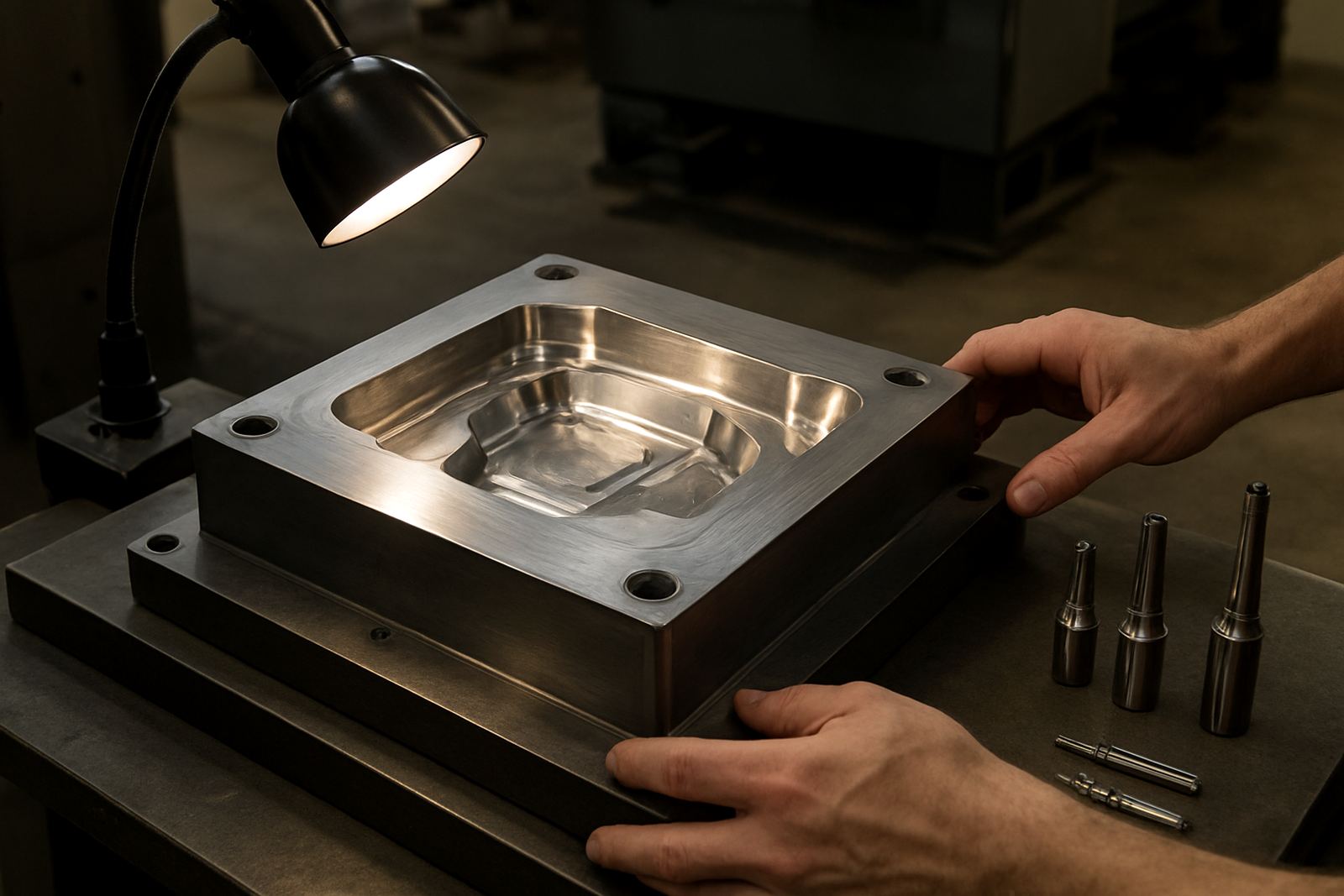
Tooling supports this kind of work with equipment suited to fine machining, repeat set-ups and secure clamping on small to medium parts. That includes tool holders, collets, workholding, presetting support and scanning related solutions for inspection and verification. For mould bases, inserts, electrodes and hardened components, the goal is simple, stable holding and clean access to the cut.
South African shops also have to deal with real conditions on the floor. Load-shedding can interrupt a setup mid-job, coastal humidity can affect stored tooling, and a cramped bay in a busy workshop leaves little room for guesswork. Good planning on the front end saves time when the machine is back up and the operator needs to get straight into a finishing pass.
Typical setup for cavity and insert machining
A mould and die cell usually needs a mix of high precision spindle interfaces, slim-cutting access and repeatable clamping. Tooling supplies the sort of kit a shop uses day in and day out, from roughing right through to fine finishing and inspection.
- Tool holders for milling cutters, drills and fine finish tools
- Collets for accurate grip on smaller cutters and boring tools
- Workholding systems for plates, bases, inserts and shaped components
- Presetting support so tool lengths and offsets are known before the job goes into the machine
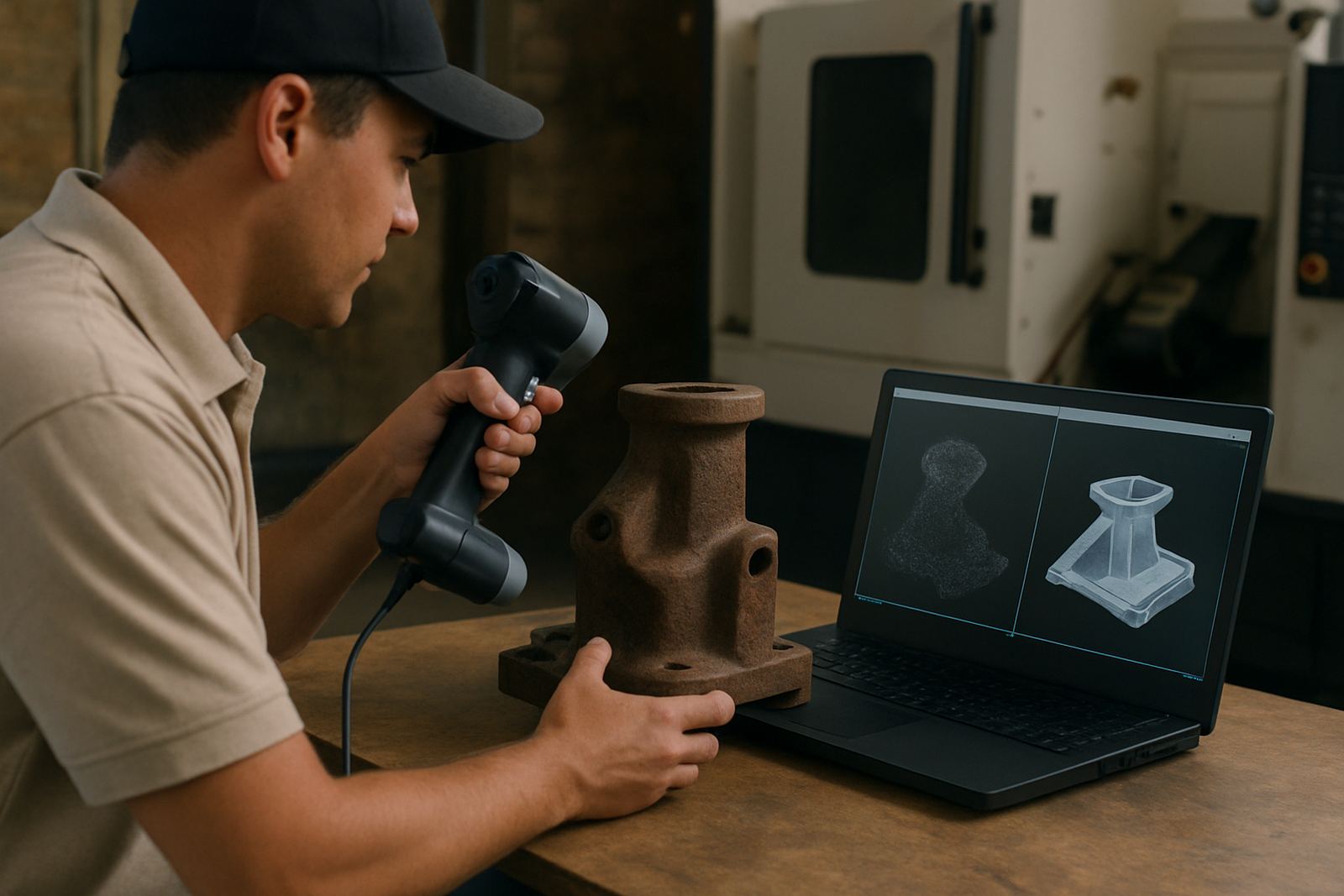
- Scanner and inspection related solutions for checking geometry and part condition
- Tool regrinding and runout checks to keep cutting edges performing properly
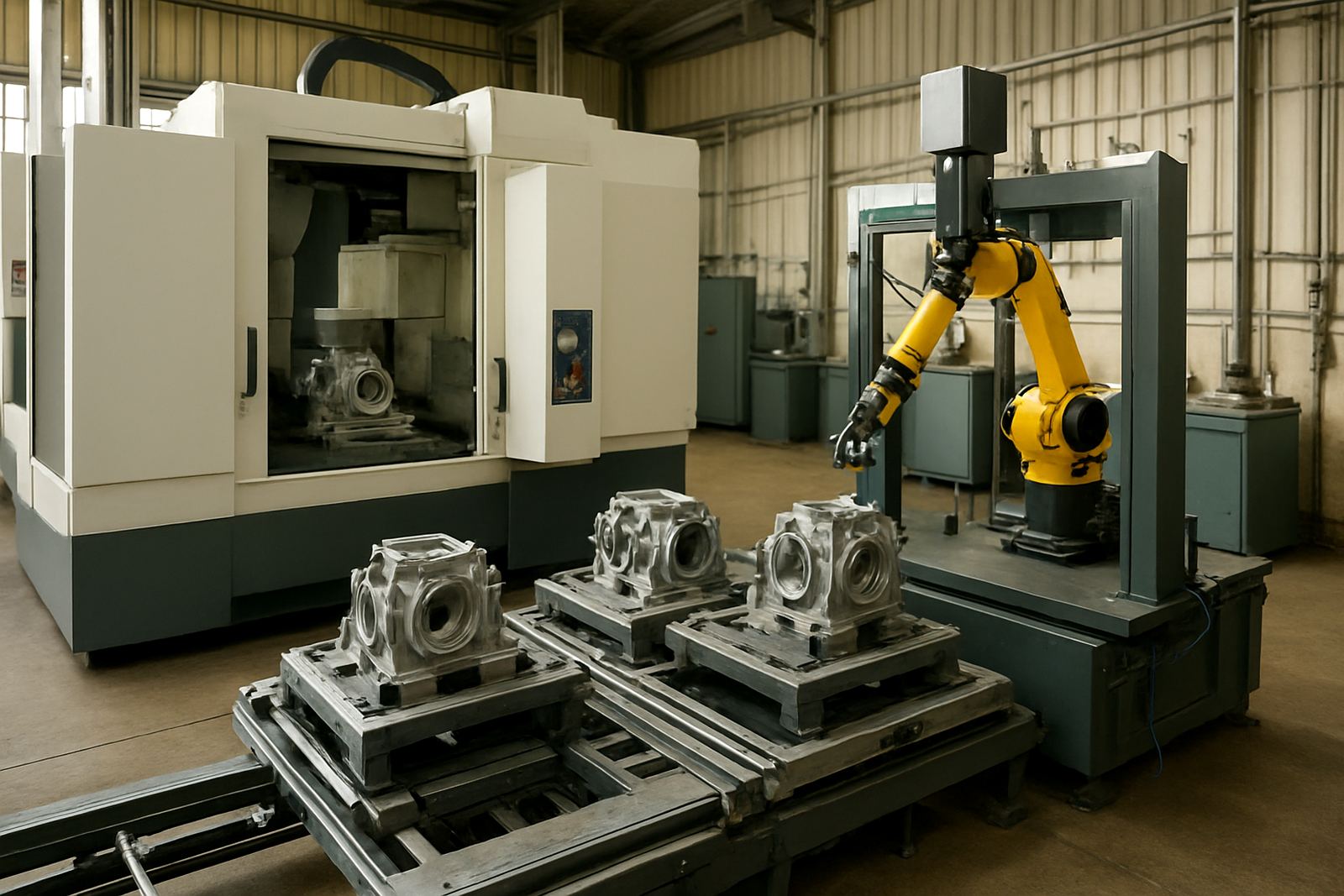
For shops working in Kariega or Despatch and sending work into Gqeberha, this kind of setup helps reduce repeat handling. It also suits teams that run a mix of CNC milling, manual finishing and fitted assembly. Where tolerances are tight, the smallest amount of spindle runout or jaw movement can show up in the finish, so the clamping choice matters just as much as the cutter choice.
Planning the layout before the first cut
A mould and die room should be planned around access, repeatability and inspection. The cleanest set-up is not always the biggest one. It is usually the one that lets the machinist reach the work, check critical sizes and change tools without disturbing the part.
In practice, that means keeping presetting and inspection close to the machines, storing holders and collets in a dry area, and making sure the workholding choices suit the part family being produced. If the shop often handles inserts, it helps to standardise on a few holding styles and jaw sizes rather than changing the whole arrangement from job to job.
For a Struandale or Coega workshop, collection and delivery support can also make planning easier when a holder needs cleaning, a chuck jaw needs machining or tools need regrinding. Less time spent off the floor usually means more machine hours on the job and fewer surprise delays.
Common mistakes that cost time and money
Most mould and die problems start before the cutter touches the part. A setup that looks acceptable at the machine can still fail once the cut gets deeper or the finishing allowance disappears. In our experience, the usual trouble points are practical ones, not fancy ones.
- Using worn holders or collets with poor grip on fine cutters
- Skipping runout checks before a finishing pass
- Clamping too hard and distorting thin inserts
- Leaving dust, oil or coolant residue in the holder or chuck
- Mixing roughing and finishing tools without checking tool length and stick-out
- Ignoring jaw condition on repeat clamping jobs
Humidity near the coast can also cause stored tooling to corrode if it is not cleaned and packed correctly. In a workshop that runs across shifts, it is worth having one person responsible for holder cleaning, another for inspection and a clear sign-off on preset tools. A small slip here can cost a full component later, and that is expensive on a mould set that has already been cut close.
What to budget for a mould and die support package
Budget depends on the size of the parts, the number of machines, and how much of the process is being supported in-house. A small jobbing shop in Port Elizabeth CBD might only need a focused setup for inserts and finishing, while a larger plant in Coega may need a broader set of holders, workholding and inspection support across several CNCs.
As a practical guide, a starter package for basic mould and die work can begin from around R15 000 to R35 000 for selected holders, collets and clamping items. A more complete setup with additional workholding, presetting related gear and inspection support often sits between R45 000 and R120 000. Larger multi-machine operations, or shops that want stronger standardisation across the floor, can budget well above that depending on the number of positions and the level of precision required.
It is usually smarter to buy for the jobs you run most often. If 80% of the work is cavity finishing and insert machining, then the spend should go there first. Extra items can follow once the core setup is paying for itself through better repeatability and less rework.
Support for workshops from Struandale to nationwide delivery
Tooling is based in Struandale, Gqeberha and works with machine shops across South Africa. That matters when a mould and die team needs advice on a holder, a clamp pattern or a practical improvement to an existing setup. The team includes Morne van der Merwe, Ayanda Mhlabeni, Johan Bester, Zanele Nkomo, Ridwaan Jacobs and Nokulunga Dlamini, so customers can speak to the right person for sales, applications, service or support.
Services such as tool regrinding, tool inspection, holder cleaning, runout checks, chuck jaw machining, vise alignment, presetting service, scanner calibration, printer maintenance, collection and delivery all help keep the machining side moving. For shops in Markman, Coega, Kariega, Despatch and beyond, that support can be the difference between finishing the job this week or carrying it over to the next one.
For mould and die work, good support is not a luxury. It is part of keeping tolerance, finish and turnaround under control when every component has to fit first time.