Why automotive component work needs tighter control
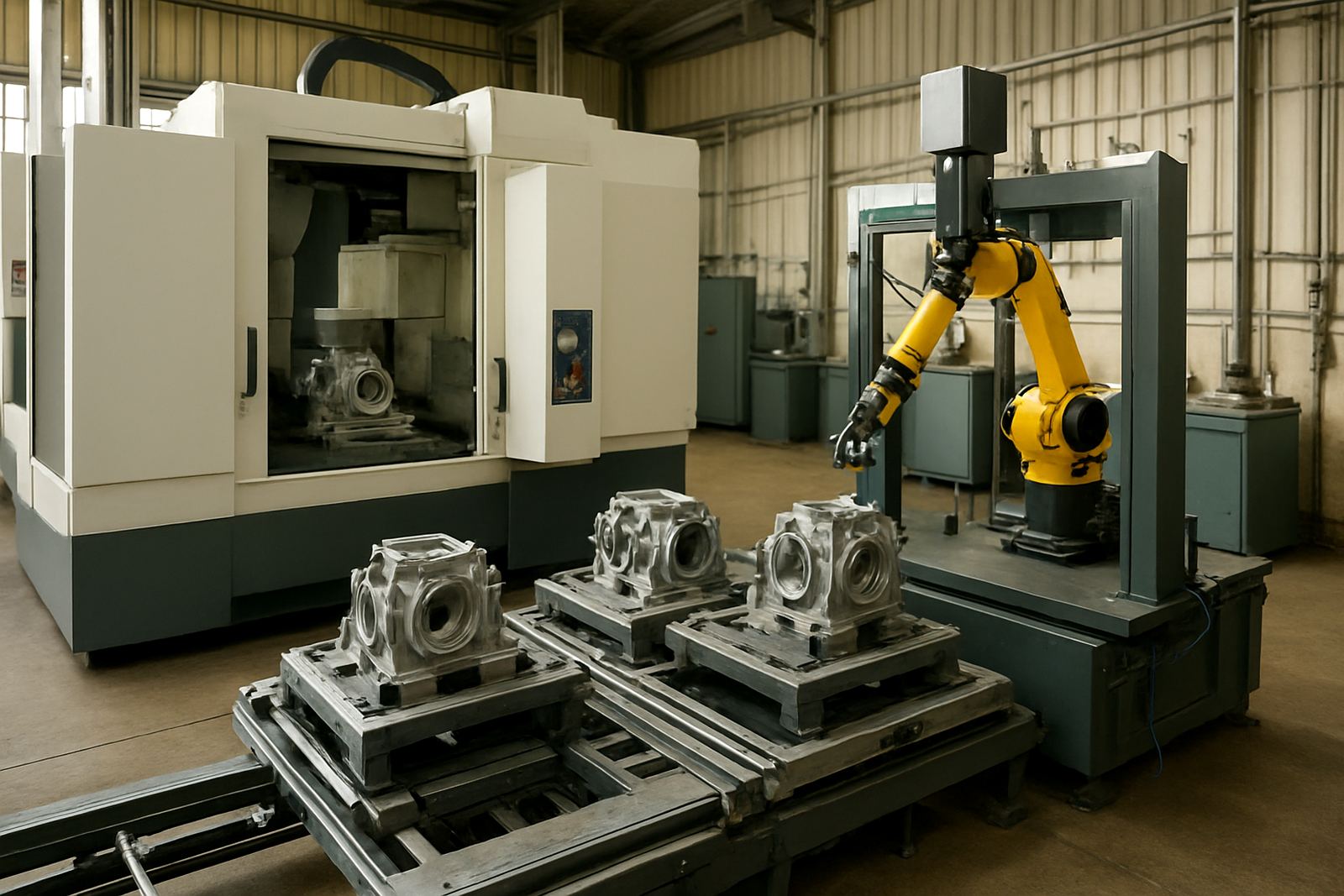
Automotive jobs usually run in batches, from short prototype runs to steady production for repeat parts. The client is often balancing takt time, scrap rates, traceability and changeover speed, all while working with materials that wear tools fast and punish poor setup. If one clamp is slightly off or a collet has too much runout, the whole batch can drift out of spec before anyone notices.
That is why this use case is less about buying a machine and more about controlling the full process. The right holders, collets, vises, jaws and presets help a shop hold size from shift to shift, which matters whether the parts are going to an engine assembler, a tier supplier, or an independent manufacturer in Gqeberha, Kariega, Despatch or further inland.
- Repeatable clamping for small and medium batch production
- Faster changeovers between similar parts
- Better control of finish, concentricity and runout
- Cleaner traceability when parts are marked, scanned or logged
Typical equipment set for repeat parts and high output
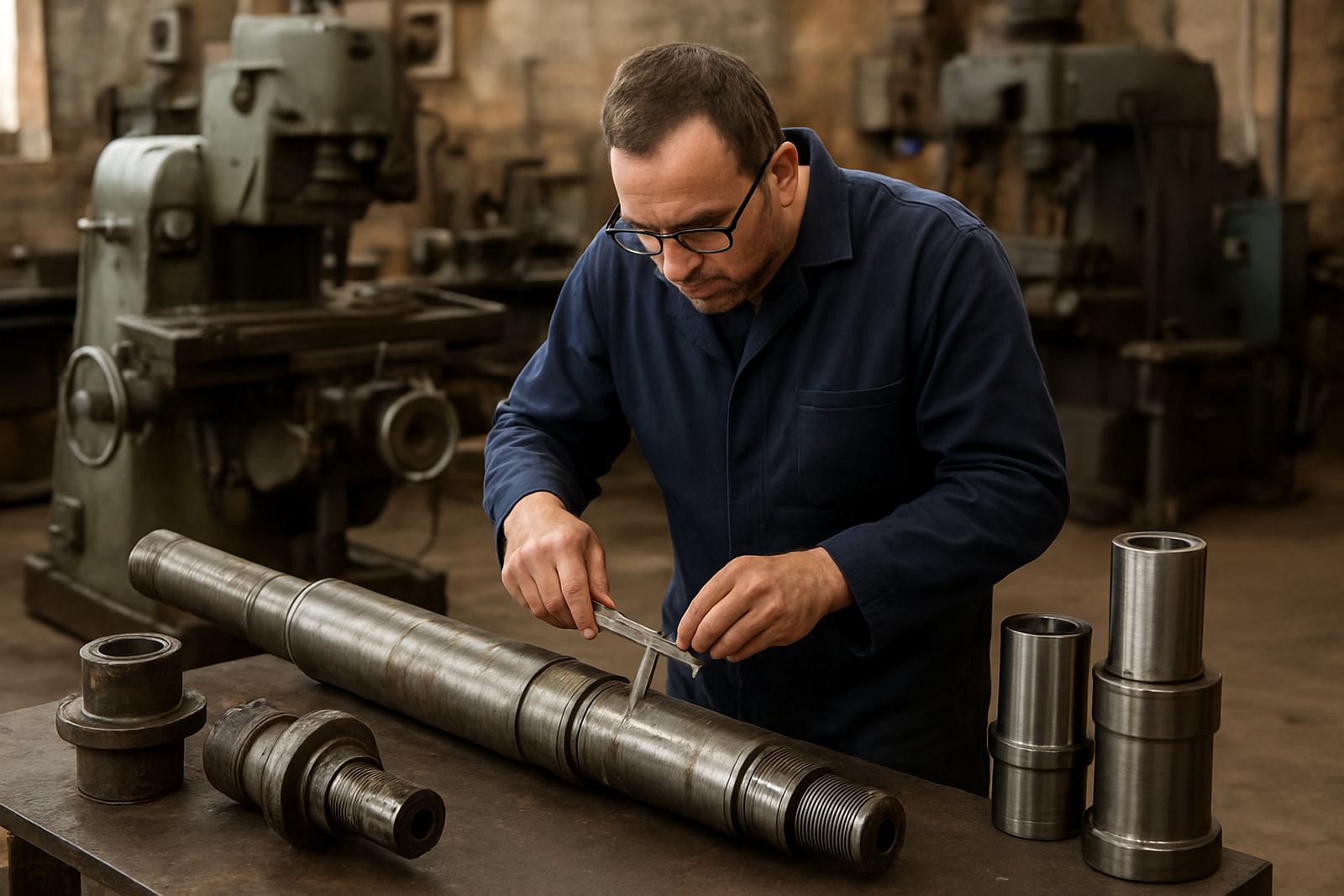
A sensible automotive setup usually starts with the basics that hold accuracy in the real world. Tool holders must be clean, collets must grip evenly, and workholding must suit the component shape rather than force every job into the same fixture. For shaft work, bushings, sleeves and turned parts, accurate clamping can save a lot of time at final inspection.
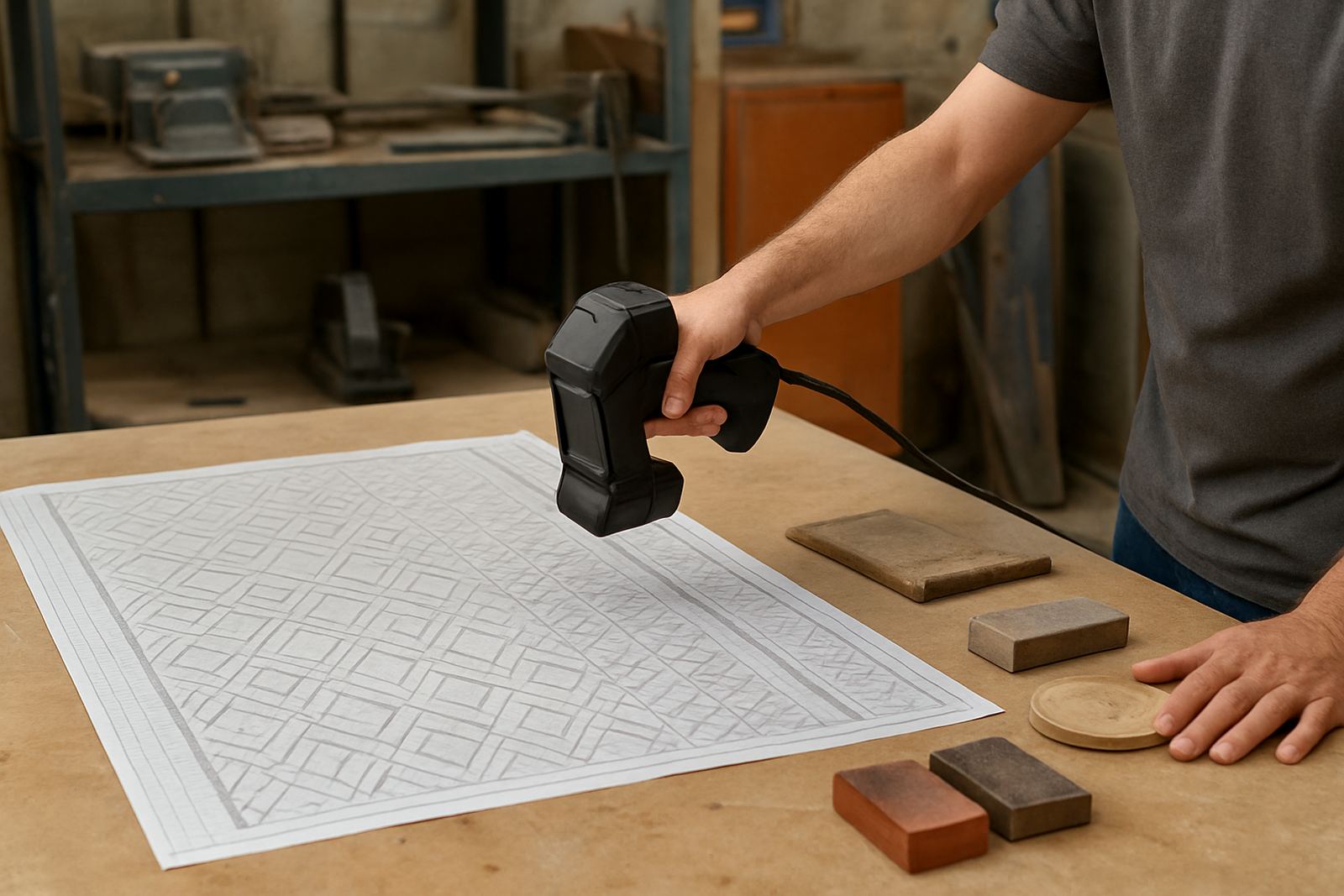
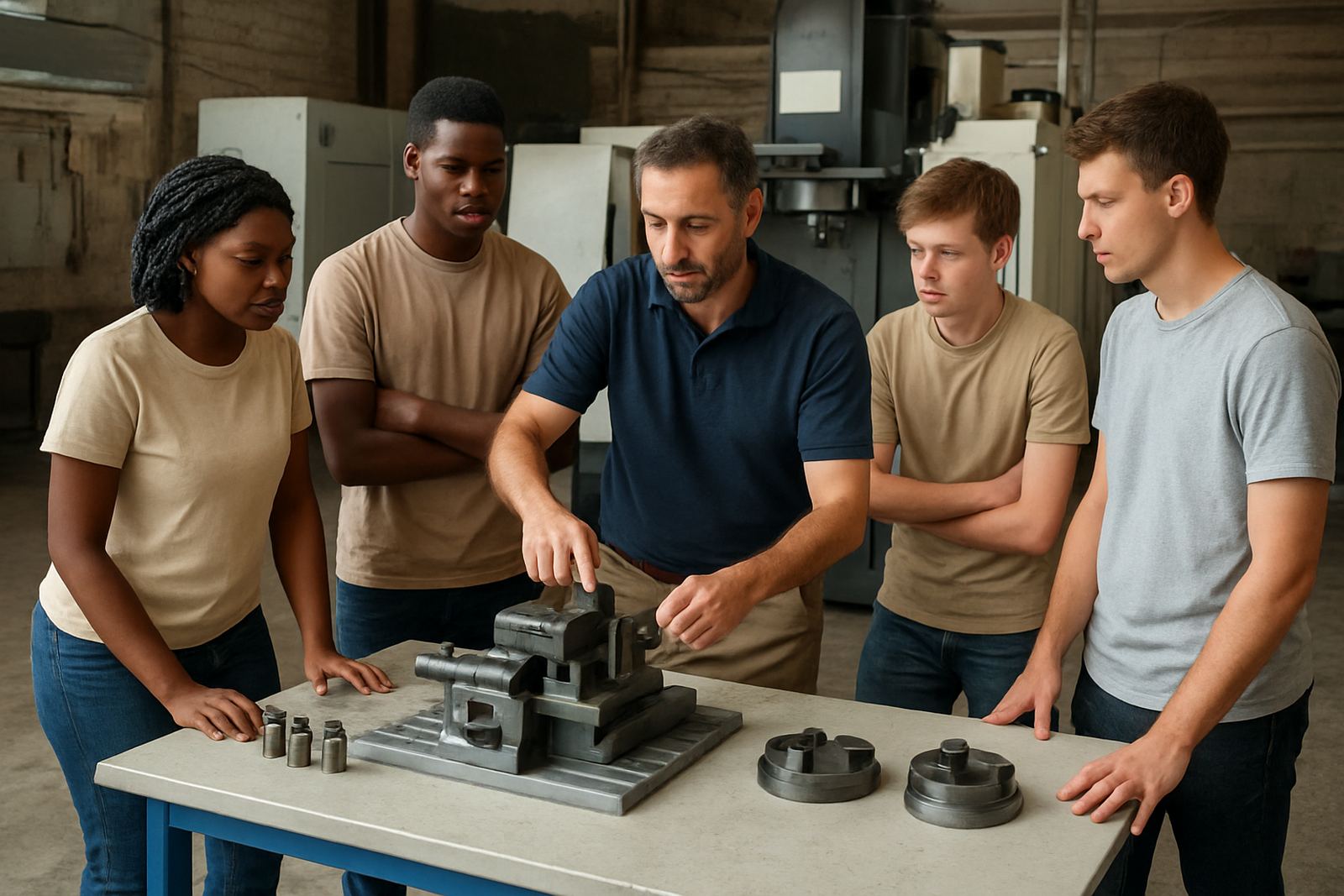
For larger milling work or component faces, many shops use precision vises, soft jaws, chuck jaw machining and dedicated fixtures. Where the job needs fast setup, presetting helps the operator get tools into the machine with less trial and error. On repeat parts, a scanner can support first article checks and make it easier to compare a new batch against the master sample. In a humid coastal area like Gqeberha, holder cleaning and regular inspection also help stop corrosion and false seating.
- Tool holders and collets for drills, end mills and boring tools
- Precision vises, soft jaws and custom jaw machining
- Arbor and chuck systems for round parts
- Presetting, runout checks and tool inspection before loading
- 3D scanning for sample checks, reverse engineering and verification
Planning the layout for faster changeovers in Struandale and beyond
Layout matters almost as much as the equipment list. If operators have to walk across the shop for gauges, spanners or setting tools, changeovers stretch out and the machine sits idle. A practical layout keeps frequently used holders, collets and inspection tools close to the machines, with clear storage for repeat jobs and labelled kits for each part number.
In a shop running shifts, the best approach is usually to separate preparation from production. One area handles presetting, tool regrinding, holder cleaning and inspection, while the machines stay focused on cutting. That setup is especially useful in places like Markman, Coega and Port Elizabeth CBD where floor space can be tight and power interruptions from load-shedding make good planning even more important. It's also worth thinking about dust, temperature swings and how material arrives from suppliers.
- Keep repeat-job kits together with the correct jaws, inserts and tools
- Use clear tagging for tool lengths, offsets and inspection status
- Store precision items away from coolant mist and grinding dust
- Allow space for collection and delivery so urgent parts can move quickly
Common mistakes that cost time, scrap and rework
The most common mistake is buying one part of the system and expecting the process to fix itself. A new machine will not compensate for worn collets, dirty taper surfaces or poor clamping on thin walls. Another issue is using general purpose fixtures for parts that need dedicated holding. Automotive components often need a fixture that supports the load in exactly the right place, not somewhere close enough.
Shops also tend to skip maintenance until a problem shows up on the inspection report. By then, the runout may already have affected several batches. Holder cleaning, chuck jaw machining, scanner calibration and regular checks help catch these issues early. On stainless, aluminium and treated steels, one small setup error can show up as chatter, taper or poor surface finish across a full batch.
- Ignoring runout until parts start failing inspection
- Mixing worn and new holders in the same production line
- Using soft jaws without machining them to the actual part
- Forgetting that coastal humidity can affect storage and seating
Budget ranges for automotive tooling projects in Rand
Budget depends on whether the job is a light upgrade or a full production cell refresh. A basic improvement package for a small machine shop, maybe new holders, a few collets and a calibration check, can start from about R15 000 to R40 000. A more serious workholding and presetting package for repeat automotive parts often lands between R60 000 and R180 000, depending on machine type and the number of fixtures required.
For shops adding scanning, tool inspection and ongoing service support, budgets can move higher. A production-ready setup with dedicated jaws, custom fixtures, presetting, scanner support and maintenance planning may sit in the R180 000 to R450 000 range. That sounds wide, but automotive work varies from simple turned bushes to complex housings and brackets. The best approach is to price by part family, not only by machine count.
- R15 000 to R40 000 for starter upgrades
- R60 000 to R180 000 for repeat-production workholding
- R180 000 to R450 000 for integrated production and inspection support
Support for machine shops across the Eastern Cape and nationwide
Tooling supports machine shops from Struandale and the wider Gqeberha area, with service activity around Coega, Kariega, Despatch and the CBD, and supply reaching customers nationwide. The team includes Morne van der Merwe, Ayanda Mhlabeni, Johan Bester, Zanele Nkomo, Ridwaan Jacobs and Nokulunga Dlamini, so customers can get help with sales, applications, service, scanning and support in one place.
For automotive component work, that means advice on the full production path, not just a single item on a quote. Whether the need is holder cleaning, presetting, chuck jaw machining, scanner calibration or a new workholding plan for a repeat part, the aim is to keep production moving and keep the numbers believable at inspection. Send a message through our contact form for pricing, stock and support.
- Local base in Struandale, Gqeberha
- Service support for machine shops nationwide
- Collection and delivery available for service work
- Practical help for repeat parts, traceability and setup control