Built for mixed work, short runs and urgent turnarounds
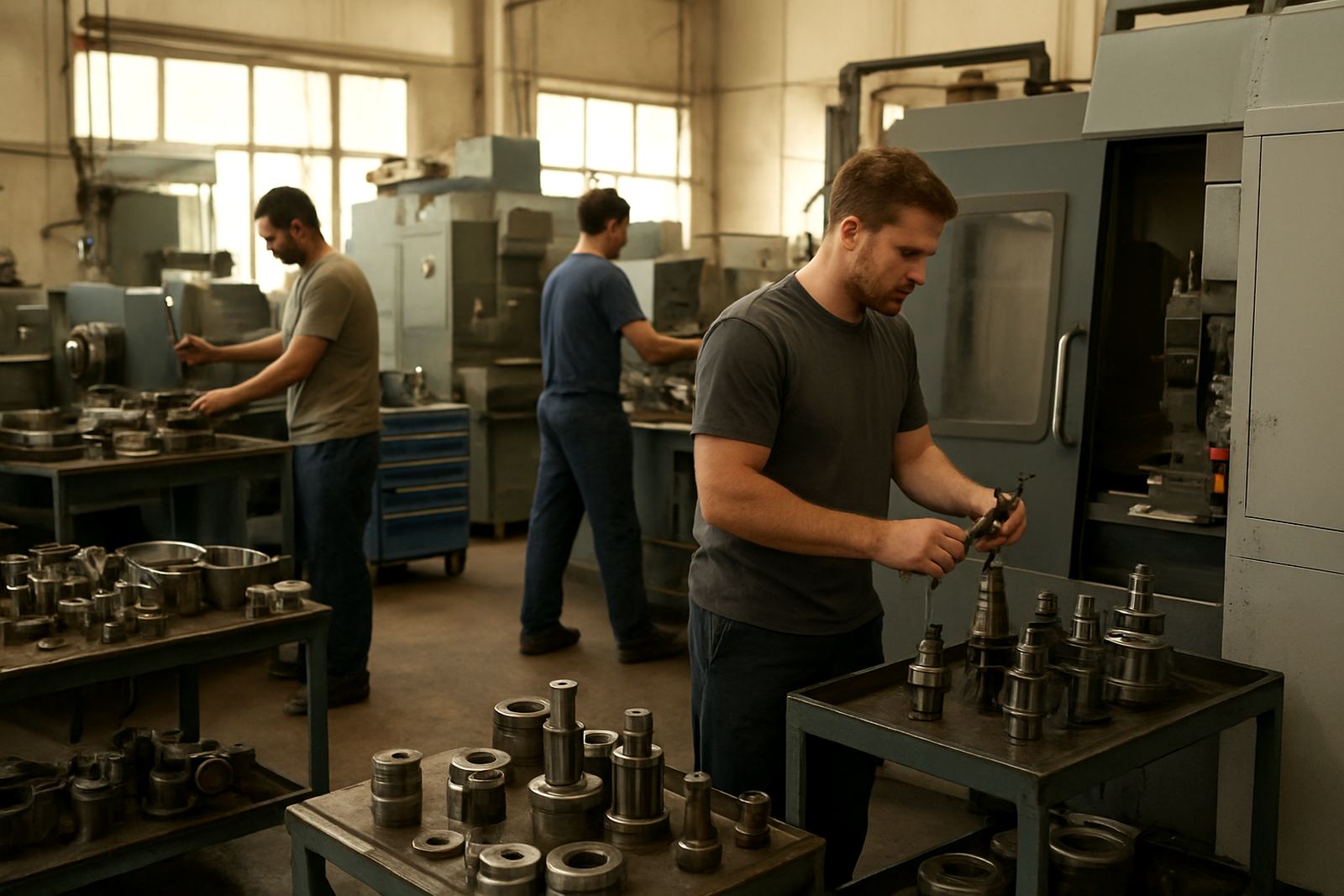
Jobbing machine shops rarely have the luxury of long stable production runs. One day it is a repair shaft, the next a batch of brackets, then a rush order for a mine, food plant or packaging line. In that kind of environment, the tooling must cope with many diameters, awkward shapes and frequent setup changes without wasting time.
Tooling works with shops that need dependable clamping and accurate toolholding for milling, turning, drilling and finishing. The aim is simple: reduce setup errors, keep repeatability in check and make small batches profitable even when the deadline is tight. In a Struandale or Markman workshop, that usually means less time hunting for a better grip and more time making parts.
- Small batch work with frequent changeovers
- Repair and maintenance jobs with varied part sizes
- Urgent subcontract work with little setup margin
- Mixed materials including mild steel, stainless steel, aluminium and plastics
Typical tooling and workholding for a jobbing bay
A well-run jobbing shop keeps a practical mix of holders, collets and clamping systems ready for different parts. For many teams, the most useful setup is not the biggest machine, but the one that can be reconfigured in minutes. That means accurate holders, good access to spare collets, and workholding that can be adjusted without improvising every time.
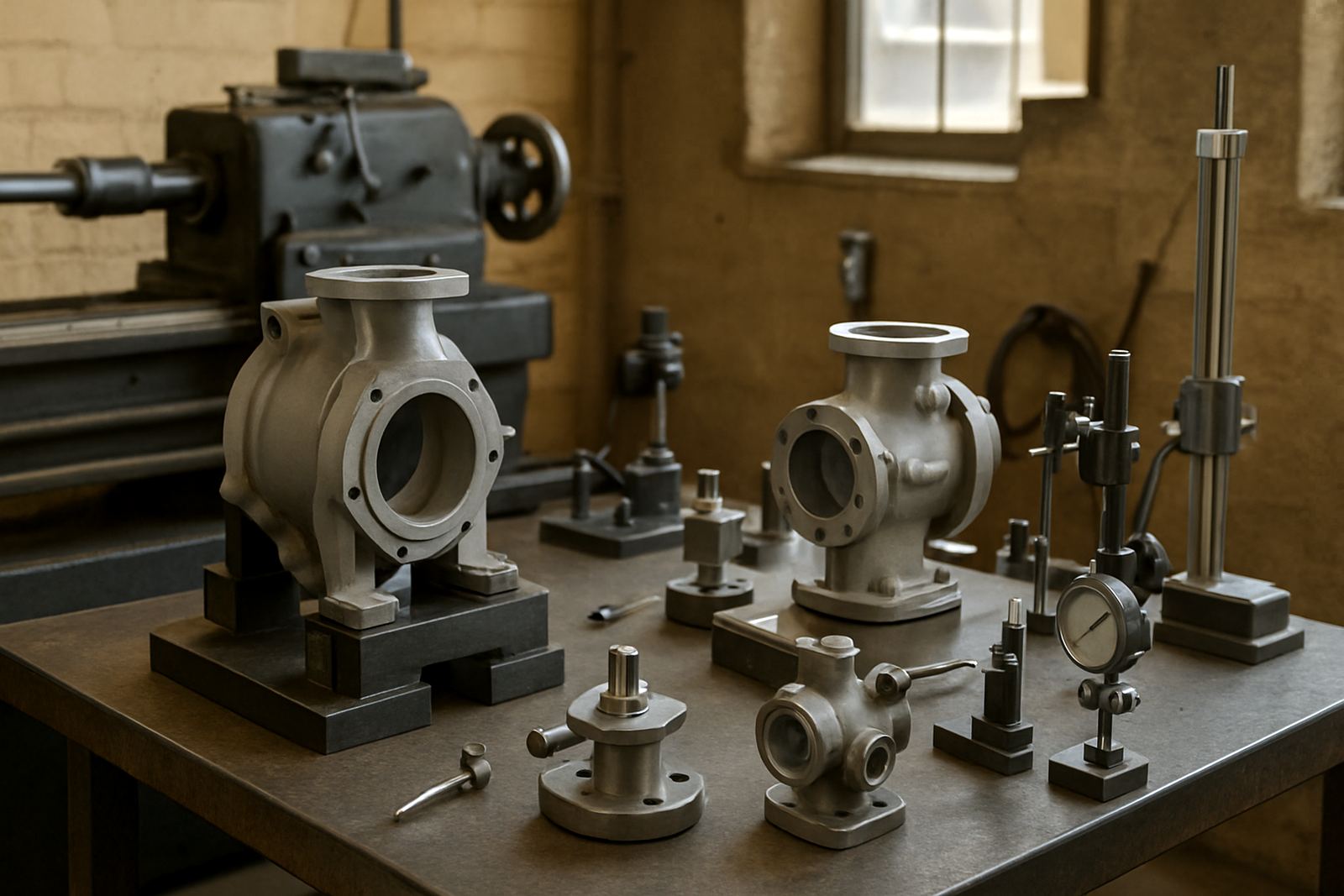
Common equipment choices include tool holders for milling and turning, collet systems for smaller diameters, vises for plate work, jaw sets for irregular parts and fixtures for repeat subcontract jobs. Shops doing more varied work also benefit from presetting, runout checks and regular holder cleaning. A few microns off in tool holding can show up quickly when a customer expects parts to fit first time.
- Tool holders and collets for standard and odd-sized cutters
- Vises, chuck jaws and modular clamping systems
- Presetting tools to save machine time during setup
- Inspection tools for wear, runout and repeat accuracy
Layout advice for a shop that changes over often
In a jobbing machine shop, the layout should support quick decisions, not just machine count. Keep the most used holders and collets near the machines that use them, and store less common items by diameter or application so the operator can get what is needed without walking across the floor three times. A tidy tool point also helps when different people cover the same shift.
Plan a clear path for collection and delivery if your work goes out for regrinding, calibration or service. In Gqeberha, where humidity can rise near the coast, storage matters too. Keep cleaned holders and spare tooling dry, labelled and off the floor. For shops in Coega, Despatch or the CBD, a small controlled cabinet can save more money than many people expect, especially where rust and contamination become a problem.
- Keep daily-use tooling within arm’s reach of the machine
- Separate repaired, clean and ready-to-use items
- Use labelled trays for collet sizes and jaw sets
- Allow space for presetting, inspection and sorting
Common mistakes that slow subcontract work
The biggest mistakes in jobbing shops usually come from trying to make one setup do everything. Over-tightening clamps, using worn holders or mixing collet sizes can cost an entire job. Another common issue is assuming that a machine problem is actually a tooling problem. If runout is not checked, the operator can chase feed and speed settings all day and never fix the root cause.
Shops also lose time when there is no routine for holder cleaning, chuck jaw machining or vise alignment. A machine that was accurate last month can start drifting after a few hard jobs or a bump during changeover. It is worth building a basic service rhythm rather than waiting for a customer complaint. Even a small shop in Kariega or Port Elizabeth CBD can protect margins this way.
- Using worn holders and expecting fine tolerance work
- Skipping runout checks before a critical batch
- Storing tooling near coolant mist or open doors
- Not separating general repair work from precision jobs
Budget ranges for a practical setup in Rand
Budgets vary a lot depending on machine size, tolerances and the spread of work. A lean starter setup for a small jobbing shop may begin around R25 000 to R60 000 for essential holders, collets and basic workholding. A more capable mixed-work package for regular subcontracting can sit between R80 000 and R180 000, especially when multiple machine types need coverage.
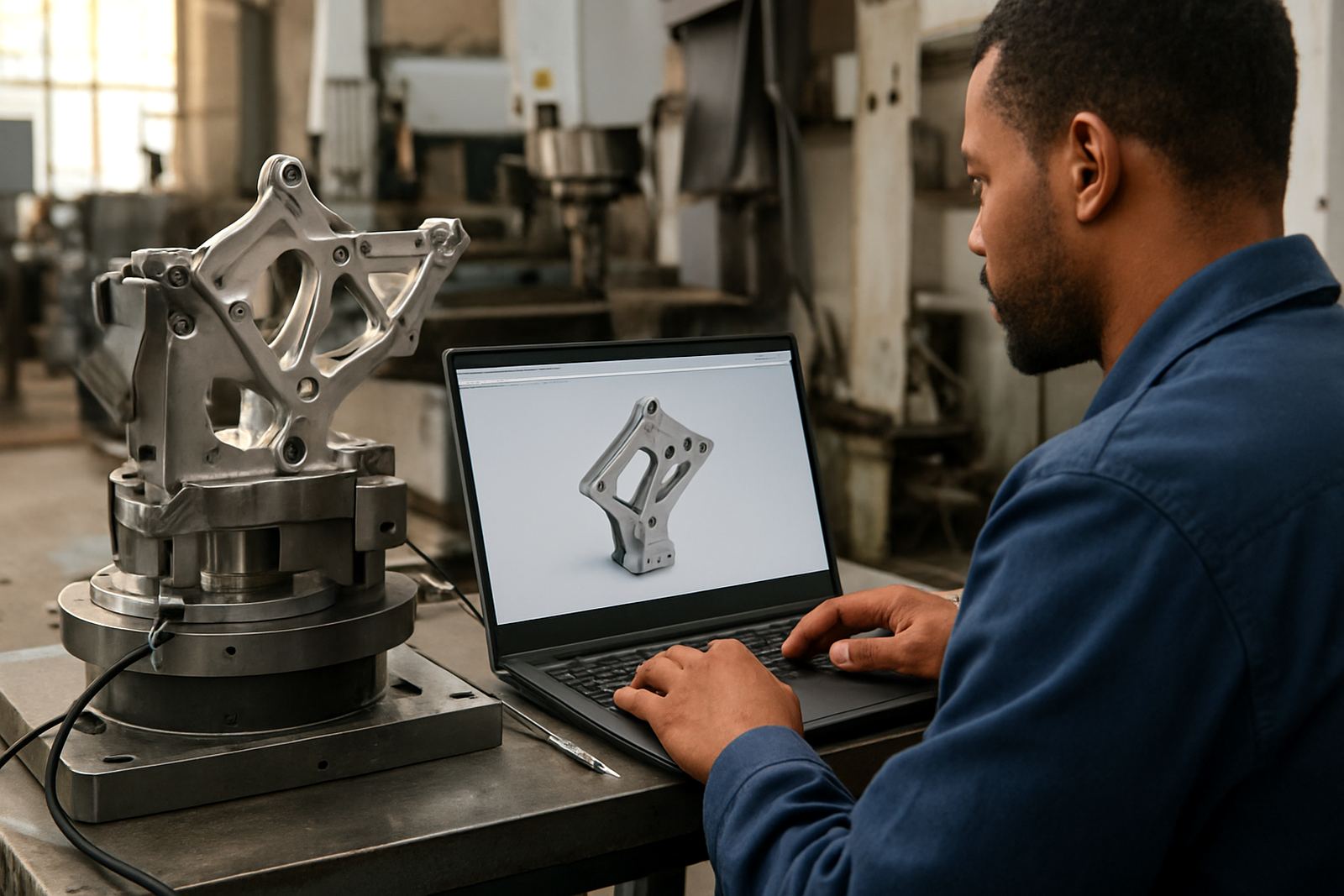
Shops handling tighter tolerances, more frequent changeovers or scanning and 3D-related work should plan for higher spend. Once presetting, inspection tools, scanner calibration and maintenance support are added, it is easy to reach R200 000 plus over time. That does not mean buying everything at once. Many workshops build in stages, starting with the tools that remove the most setup delays and the worst repeat errors.
Tooling also helps shops reduce waste through services like tool regrinding, presetting, holder cleaning and collection and delivery. If a shop in Markman or Struandale can keep more cutters in service and fewer jobs on hold, the real saving is often in machine hours not just parts prices.
How Tooling supports jobbing shops on the ground
For jobbing shops, support has to be practical. The team needs people who understand short lead times, machine stoppages and the pressure of matching a customer drawing that arrived late. Tooling’s base in Struandale, Gqeberha supports machine shops across the metro and nationwide, with help from a team that covers sales, applications, 3D solutions, service and customer support.
That means you can ask for runout checks, holder cleaning, chuck jaw machining, vise alignment, scanner calibration or printer maintenance as part of keeping the workshop moving. If your shop is spread across multiple sites, or you collect work from industrial customers, the collection and delivery service helps reduce downtime. For subcontract work, that reliability matters almost as much as the hardware itself.