Start with the job, not the catalogue
Before you choose a holder, look at the part in front of you and ask what the cut needs to do. A deep roughing pass in mild steel on a stable machine needs something different from a fine finishing cut on a long reach job or a mould feature with limited access. In Gqeberha and across the Eastern Cape, many workshops work with mixed batches, frequent changeovers and power interruptions, so the holder has to suit both the machining and the shop routine.
Think about three basics first: how much rigidity you need, how far the tool must reach, and how often the cutter will be changed. If you are seeing vibration marks, poor size control or short tool life, the holder is often part of the problem. If the job needs very fine finish, any runout or imbalance will show up fast. If the operator has to reach around clamps, jaws or a fixture, access matters just as much as strength.
- Material type: steel, aluminium, stainless or cast iron
- Cut type: roughing, finishing, drilling or slotting
- Tool length: short stubby tools are easier to control
- Machine condition: spindle taper, drawbar grip and alignment
- Changeover pace: one-off jobs or repeat production
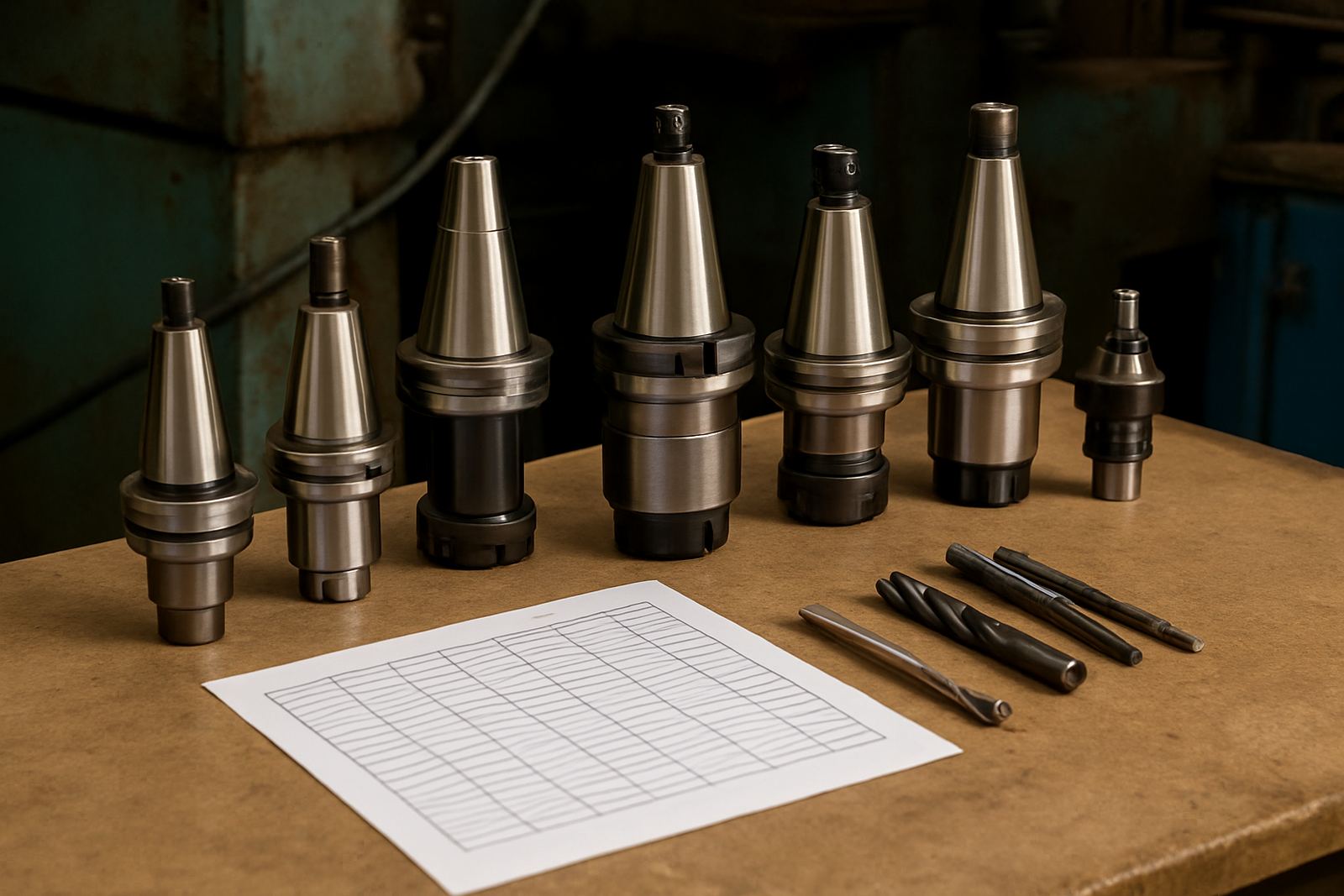
Compare holder types by rigidity and access
Rigid holders are best where chatter control and repeatability come first. These suit heavier cutting, shorter overhangs and jobs where tool deflection must stay low. They are common on production work where the same cutter is used all day and the machine is expected to hold size with minimal adjustment. If the cutter is long or the feature is awkward to reach, you may need to balance stiffness against access.
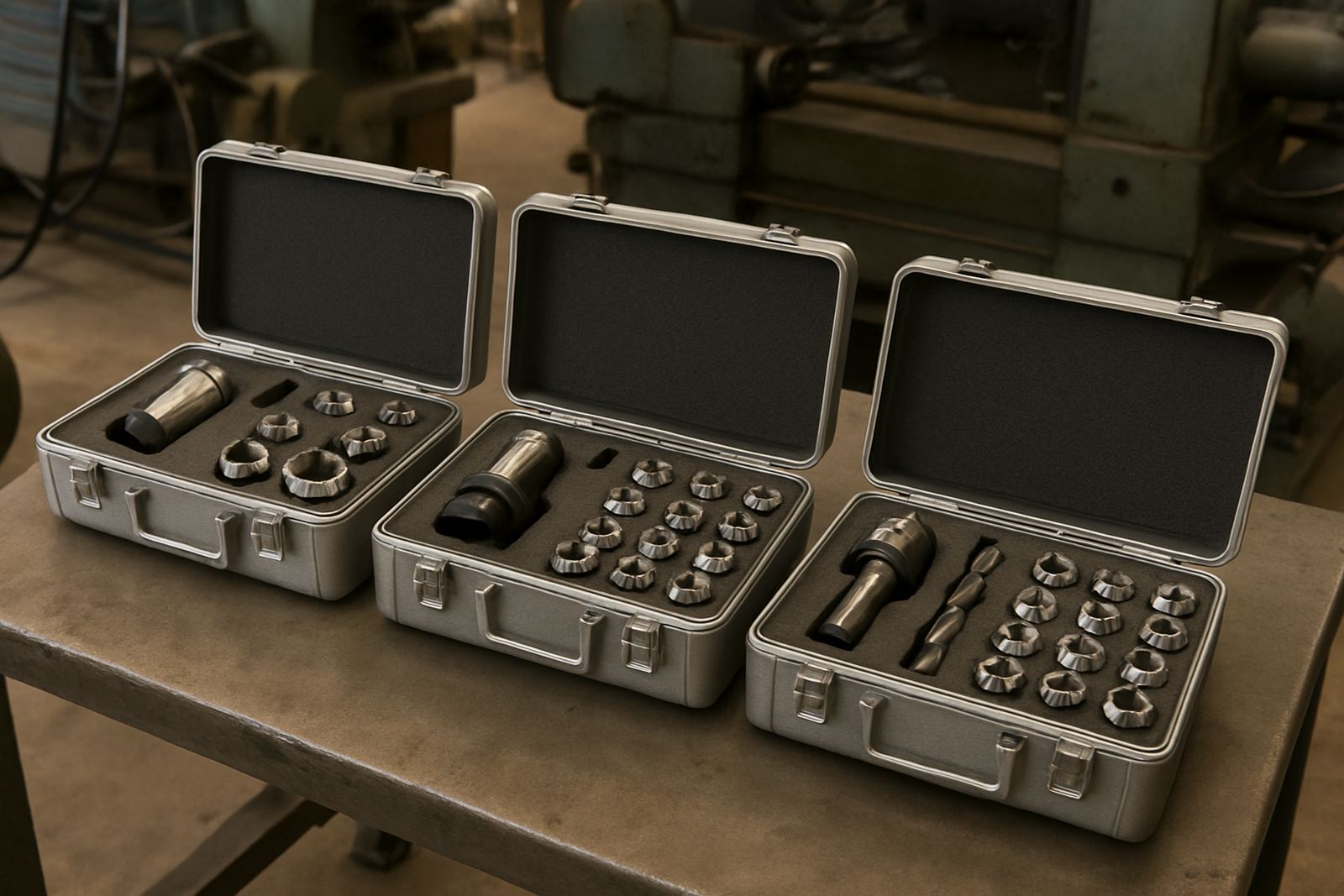
Collet systems give better grip on a wider range of shank sizes and are handy for shops that change between tools often. They are a practical option for general machining and tool room work, but they still need clean contact surfaces and the right collet size. If a collet is worn, dirty or mismatched, you will see runout and uneven finish. Holder style is one thing, condition is another.
- Highest rigidity: choose for heavy cuts and short reach
- Better access: choose for deep pockets and awkward features
- Flexible gripping: choose for varied tool diametres
- Fine finish jobs: choose holders with low runout and clean faces
For small diameter cutters, precision matters more than people often expect. A tiny amount of runout can quickly become poor edge life, heat build-up and surface marks. That is why a good holder choice should always be followed by a runout check, especially after a tool crash or a busy shift. The holder may look fine but still cost you precison on the machine.
Match the holder to finish demands and tool life
Finish quality depends on more than feed and speed. Holder stiffness, balance and concentricity all affect how the cutter enters the material. On a finishing pass, even a small amount of vibration can leave witness marks that need hand work later. In a busy shop, that extra time adds up quickly and can cause missed delivery dates.
If the part has a visible surface or a sealing face, choose the holder that gives the most stable grip with the least overhang. Keep the tool as short as the job allows. Long reach is sometimes unavoidable, but it should be used only where needed. For high-speed work, clean the holder thoroughly and inspect the nose, taper and contact surfaces before fitting the cutter. Dirt, coolant residue and chips are common causes of poor holding force.
- Visible surface finish: favour low runout and balanced holding
- Deep cavity work: allow reach, but keep overhang controlled
- Long production runs: use holders that maintain grip over time
- Frequent tool changes: choose systems that are easy to set and repeat
Use a practical selection checklist on the shop floor
A simple checklist helps the setter choose faster and with fewer mistakes. It also makes it easier to standardise across shifts. Many workshops in Struandale, Markman and Coega run a mix of older and newer machines, so a clear routine helps everyone work the same way. That matters when the load shedding hits and machines are restarted after an interruption, because setup errors tend to show up then.
Before the holder goes onto the machine, check the spindle, taper and drawbar, then check the tool shank and gripping surface. If you are using a chuck or collet system, make sure the parts are clean and undamaged. A quick inspection can prevent a bad cut, a ruined cutter or a poor finish that takes another hour to recover.
- Is the holder clean, dry and free of scoring?
- Is the correct size fitted for the shank?
- Is the tool projection as short as possible?
- Has runout been checked after assembly?
- Is the holder suitable for the material and cut depth?
- Has the operator confirmed the clamping force and alignment?
When to service holders instead of replacing them
A holder that is dirty, worn or out of alignment does not always need replacement. In many cases, cleaning, inspection and runout testing can restore useful service life. That is often the cheaper option for machine shops working to a budget, especially when they are running several spindle systems across different jobs. It also supports better consistency from one shift to the next.
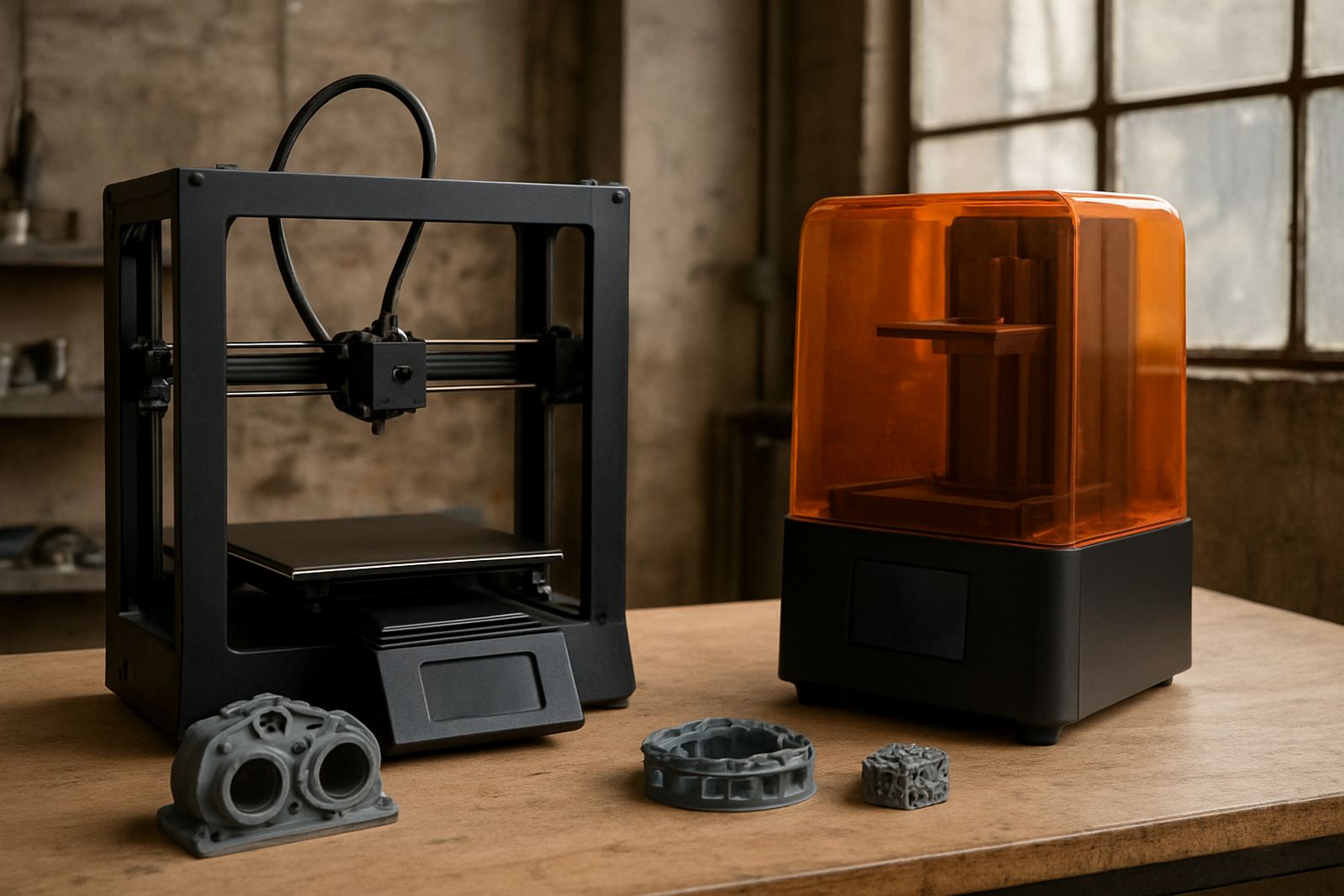
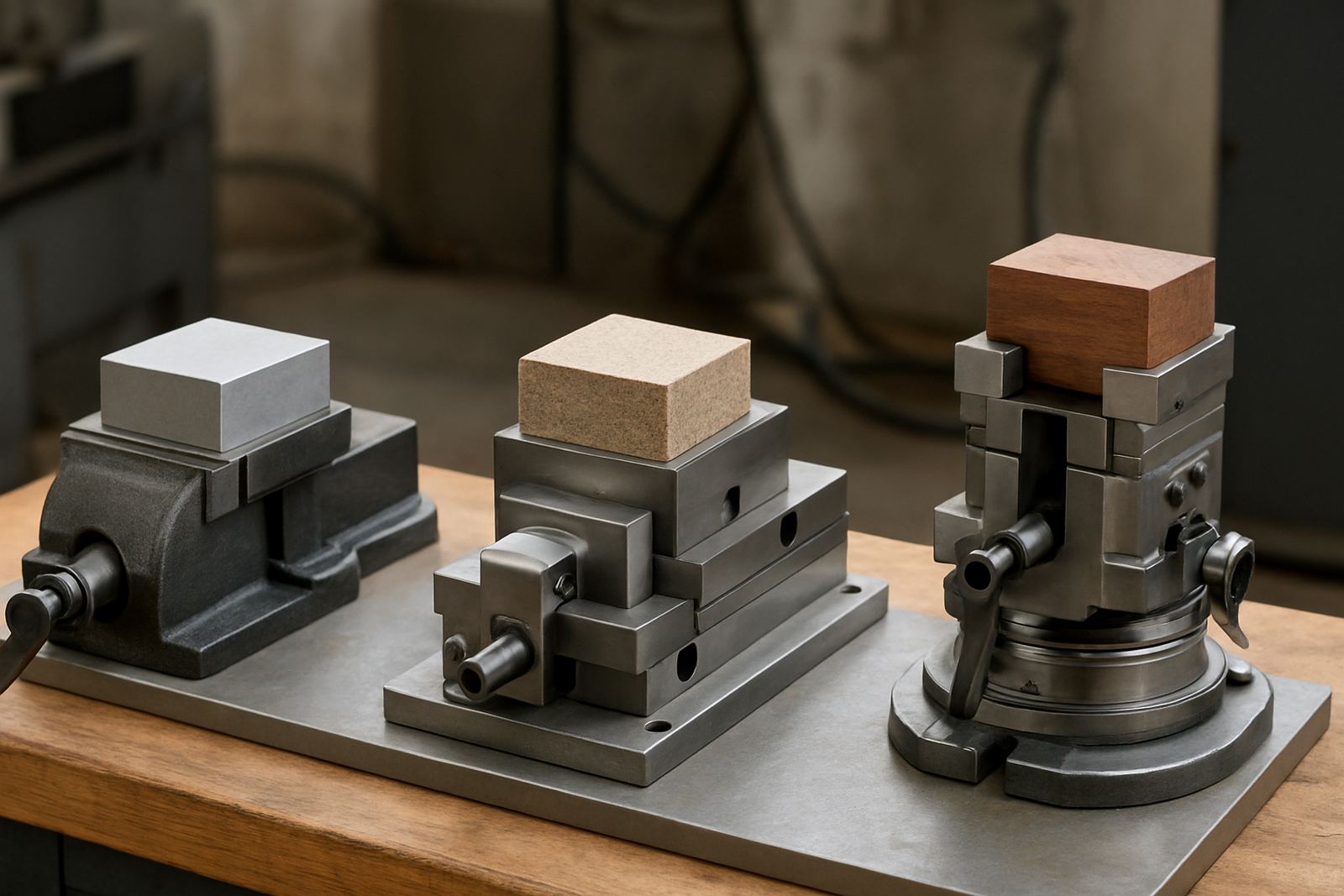
Tooling offers holder cleaning, tool inspection, runout checks and presetting service for workshops that want more control before the machine starts cutting. If a chuck jaw needs machining, a vise needs alignment, or a preset tool must be verified before the shift begins, it is better to deal with it early. The same applies to scanners and printers used for supporting production and inspection work, where calibration and maintenance keep output dependable.
Keep a simple service cycle: inspect, clean, measure, then return the holder to the right job. If a holder fails inspection, mark it and remove it from circulation. That small habit saves a lot of trouble later.
Getting the right holder support in Gqeberha and beyond
Tooling is based in Struandale, Gqeberha and supports machine shops in Port Elizabeth CBD, Despatch, Kariega, Markman and Coega, with supply nationwide. Whether you are running CNC milling, turning, 3D printing or scanning related work, the goal is the same: improve consistency and keep production moving. Workshops in coastal areas also have to watch corrosion, especially where humidity and coolant residue sit on metal parts overnight.
If you are not sure which holder type suits a specific job, send the details through with the material, spindle type, cutter size and target finish. A practical recommendation should always take the machine, the operator and the part into account. The right holder is not the fanciest option, it is the one that gives the best grip, access and repeatability for your setup.
For advice, service bookings or collection and delivery in the region, contact Tooling at our contact form. Keep the job moving, keep the setup simple and choose a holder that matches the cut, not just the tool cupboard.
Quick decision guide for busy setters
If you need a fast rule, use this: go rigid when the cut is heavy, go compact when access is tight, and go precise when finish matters most. Then confirm the holder condition before every shift. A quick check can save tool life, machine time and a lot of repeat work.
When in doubt, use the shortest safe tool projection, the cleanest contact surfaces and the most repeatable clamping option available on your machine.