
Start with the tool name, size and material
Begin with the basics: what the tool is, its diameter or section size, overall length, flute count, coating if any, and the material it is cutting. A 6 mm carbide end mill used on stainless steel needs a very different approach from a high speed steel cutter used on mild steel or aluminium. The more exact you are, the easier it is to confirm whether regrinding will restore the tool to usable life or if replacement makes better business sense.
If you are sending drills, taps, form tools, reamers or special profile cutters, note the original spec as far as you know it. A quick photo beside a ruler helps when the tool has already been worn down and the markings are no longer readable.
Describe the wear pattern, not only the fault
Tell us what failed and how it failed. A chipped corner, burnt cutting edge, uneven wear on one side, breakage at the shank, or heavy rubbing all point to different causes. If a cutter is still producing parts but finish quality has dropped, say so. That helps the applications team judge whether the issue is edge geometry, runout, holder condition or machine setup.
- State whether the wear is on all flutes or only one side
- Mention if the tool failed suddenly or wore out over time
- Include any signs of chatter, noise or poor chip clearance
- Note if the job runs dry, with flood coolant or mist
These details matter, especially for machine shops working through power interruptions and stop-start production. A tool that ran fine last week may now be showing heat damage because the process was pushed harder to catch up after load shedding.
Send the machine details that affect the grind
Regrinding is not only about the cutter itself. The machine, holder and setup it runs in also influence the result. Share the CNC machine type if it is relevant, the spindle speed range, the tool holder style, and whether the tool was run in a collet, shrink fit holder, milling chuck or other system. If runout has been a problem, say so early.
For precision jobs, include the tolerance you need, surface finish expectations and whether the part is for production or a one-off repair. A tool used for a tighter tolerance component may need closer inspection before it is approved for return to service.
Use this quick job ticket checklist
A clear job ticket helps the workshop assess your tools without back-and-forth phone calls. Use it as a simple checklist before collection or delivery.
- Company name and contact person
- Cell number and email address
- Tool type, dimensions and quantity
- Material being machined
- What the tool is used for
- Problem observed and when it started
- Urgency and required turnaround
- Delivery address in Gqeberha, Kariega, Despatch, Coega or elsewhere nationwide
If your job has mixed tools, separate them by type and quantity in the same container. Loose tools can get knocked together in transit and that can change the condition before inspection even begins.
Prepare tools properly before collection or delivery
Clean tools save time. Wipe off coolant residue, chips and oil before packing. Do not mix broken tips with serviceable tools, and if a tool has been dropped or bent, keep it separate. For holder cleaning, leave the holders assembled as received unless the issue is clearly visible. If you are sending collets, chucks or other workholding items for inspection, include the matching parts where possible so fit and wear can be checked together.
For shops in Struandale, Markman, Coega and the Port Elizabeth CBD, same-day handover can often be arranged if the items are ready for assessment. For sites further out, secure packaging is worth the effort, especially with repeated handling during collection and delivery.
Tell us what turnaround you actually need
Every job is different. Some tools are needed for the next shift, while others can wait for a planned maintenance stop. Give a realistic deadline so the work can be planned around inspection, grinding, balancing requirements and any follow-up questions. If you need the tool back for a specific production run, mention the date and time. That helps avoid unnecessary delay.
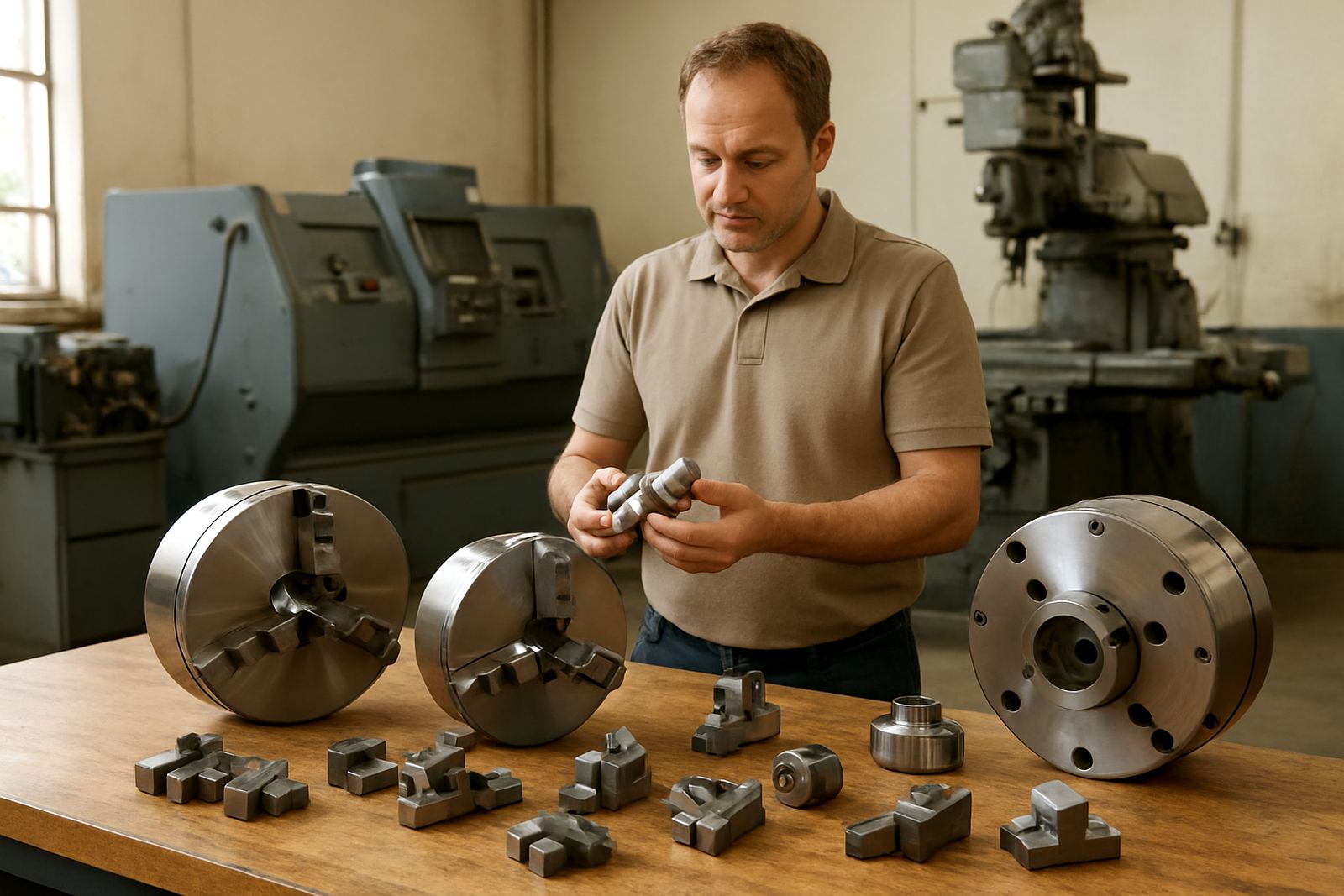
Where possible, ask for the service you need at the same time as the regrinding request. Tool inspection, runout checks, vise alignment, presetting service, chuck jaw machining, scanner calibration and printer maintenance can all affect the final result and may save a second callout or second delivery.
What happens after assessment
Once the tools arrive, they are checked for condition, dimensions and suitability for rework. If a tool can be reground safely, you will be advised on the expected outcome and any limits on the finished profile. If the wear is too severe, you will be told before unnecessary work is done. That gives your team a clear decision point and avoids wasting production time on a tool that will not hold spec.
Customers in Gqeberha and machine shops nationwide often find that clear information up front makes the biggest difference. Less guessing means faster approval, more accurate planning and fewer surprises when the tools return to the floor.