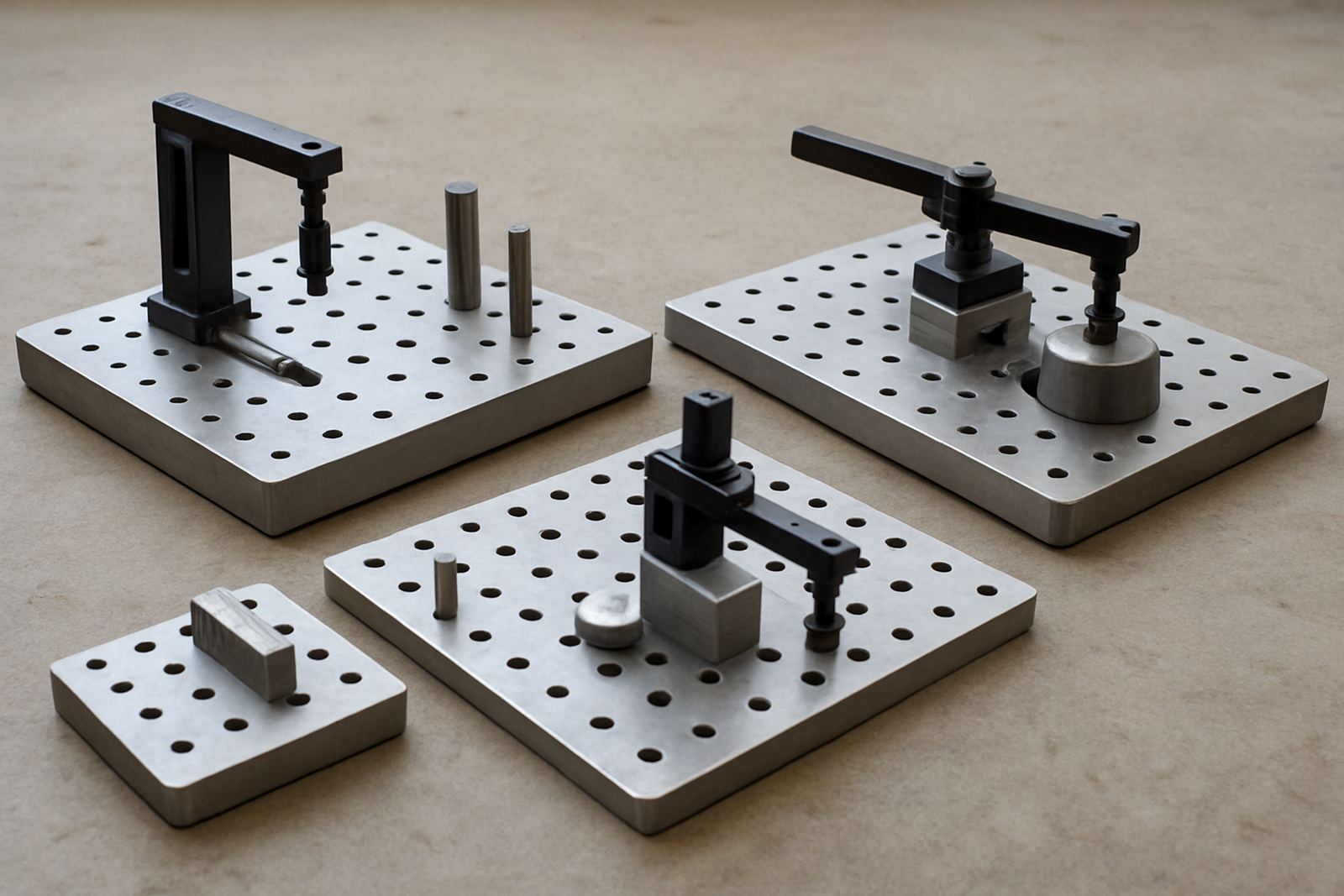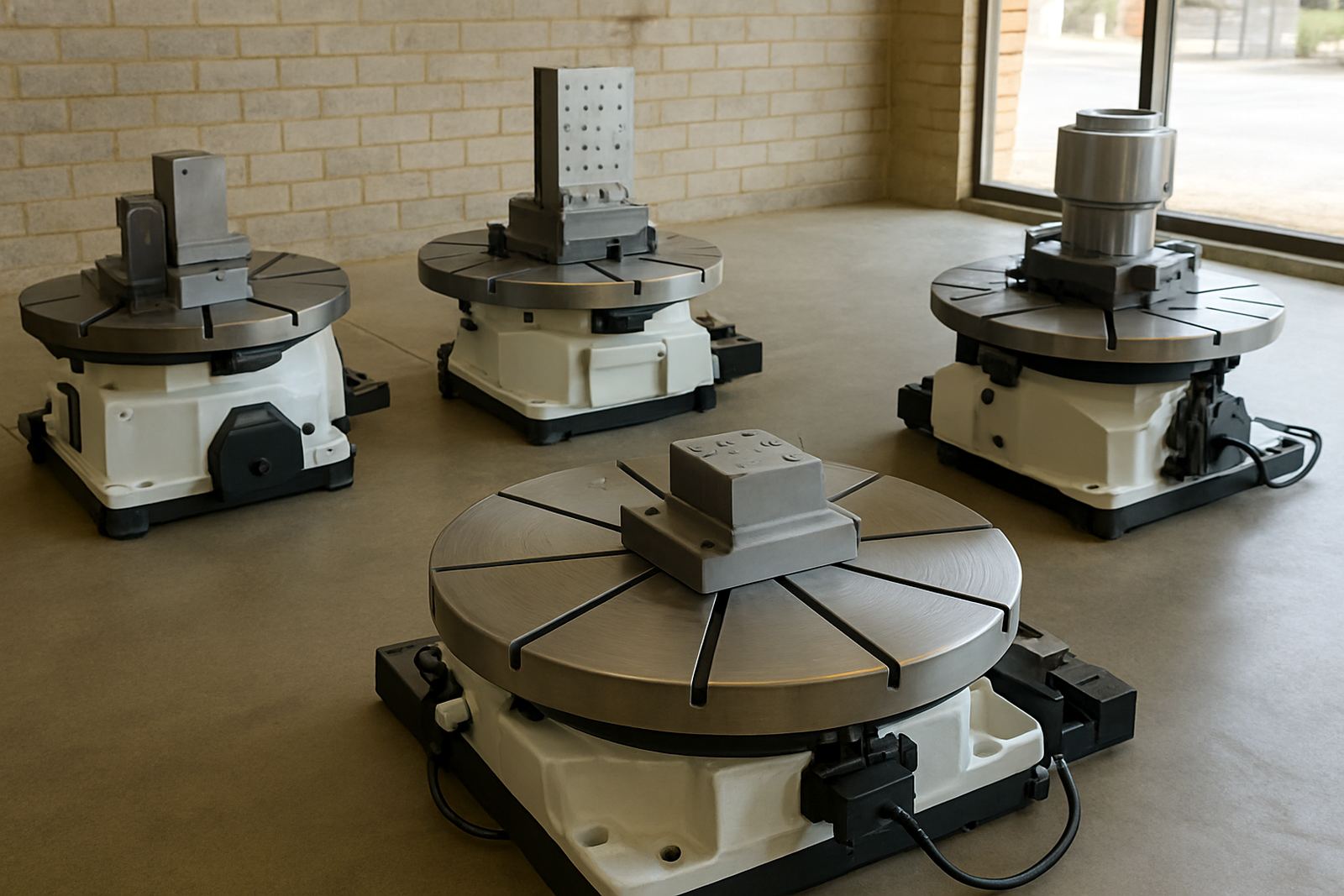

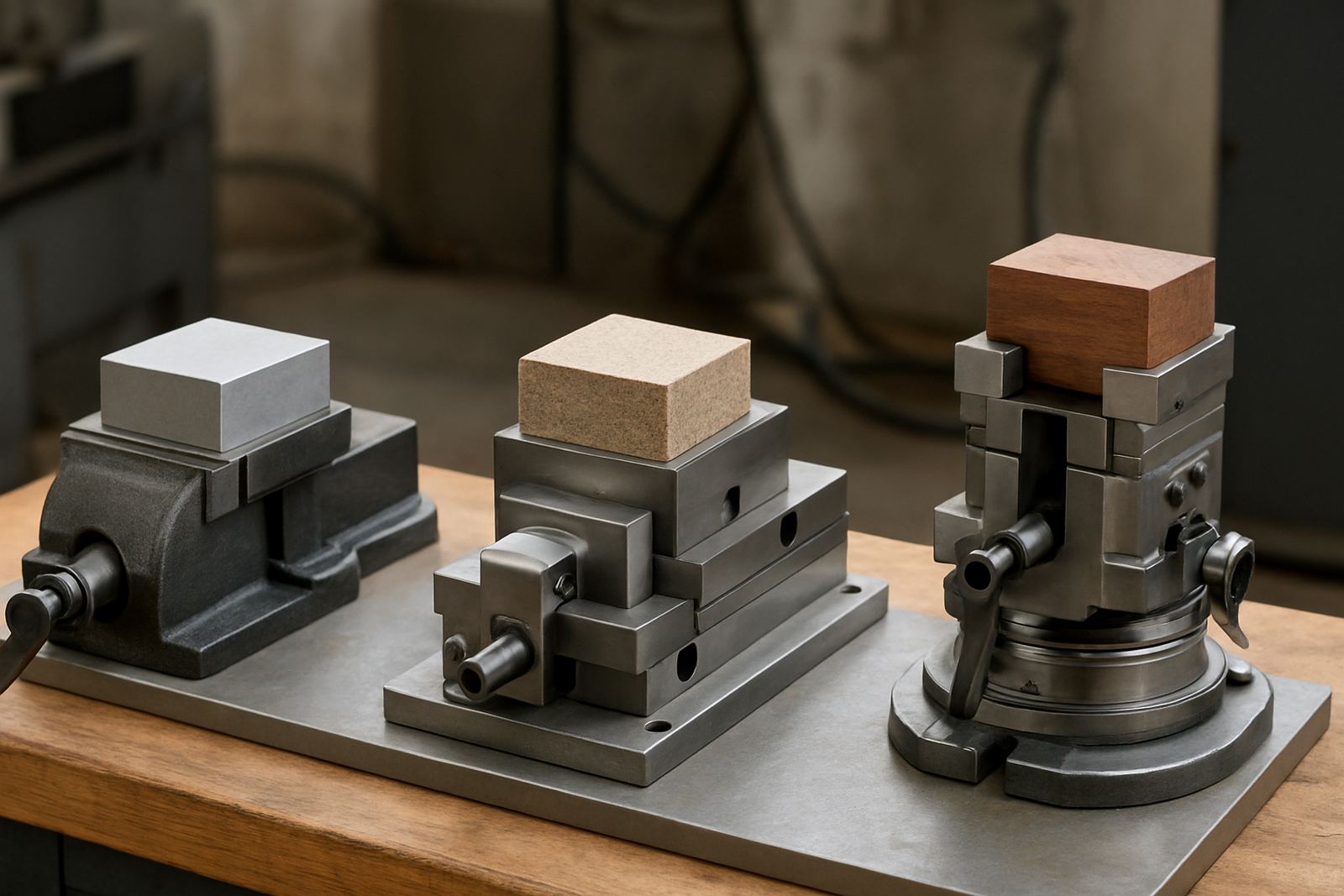
Start with the part you need to hold
The best vise for the job depends on what you machine most often. Small aluminium parts need fast clamping and good repeatability, while larger steel components need more jaw travel, higher clamping force and a solid body that will not flex under load. If the part is awkward, thin, or has finished faces close to the clamping area, the wrong vise can mark the job and waste time.
Before you choose a vise, write down the biggest part size, the smallest part size and the features you must still reach with the cutter. In many Gqeberha shops, that means planning for mixed work on the same machine, from short runs in Struandale to repeat production in Coega or Markman. A good vise should suit the parts you run most often, not only the largest job that comes through once a month.
- Measure the part length, width and height
- Check where the cutter must reach
- Note whether the job is square, round, thin or stepped
- Confirm if soft jaws or step jaws will be needed
Match the vise style to the machine and the access needed
Standard milling vises suit many general workshop jobs because they are simple, quick to set and easy to maintain. For precision work, a fixed jaw and moving jaw with accurate parallelism helps keep the part true. If you need more access around the workpiece, consider a low-profile vise or a compact unit that leaves more spindle travel for the cutter. For awkward shapes, a self centring option can save setup time, but it is not always the best choice for heavy off-centre cutting.
Also check the machine table size and T-slot layout. A vise that is too wide can reduce the usable travel on a smaller machine, while an oversized body can crowd out fixtures, stops and probes. On older machines, especially where the table has seen years of production use, make sure the mounting faces are clean and level before you bolt anything down.
- Confirm table length and usable width
- Check T-slot spacing and bolt size
- Leave room for the cutter and any stops
- Allow space for chip clearing and coolant flow
Use clamping force without distorting the part
Holding power matters, but so does control. Too little force lets the job move, while too much force can bow thin parts or crush softer material. That is why jaw condition, screw smoothness and contact area all matter. If you machine thin plates, long sections or cast parts, use the widest safe contact area possible and consider jaw inserts or soft jaws that spread the load better.
For production jobs, repeatability becomes just as important as raw grip. A vise with clean jaw faces, minimal play and good return on the moving jaw will help keep first-off and last-off parts closer together. If your work changes often, choose a vise that is easy to reset and simple to inspect between runs. A few minutes spent checking jaw wear can save a lot of scrap later on.
In coastal areas such as Gqeberha, humidity and salt in the air can affect sliding parts and fasteners, so regular cleaning and light protection matter. A vise left full of chips will not clamp the same way next week.
Plan for setup speed, not only purchase price
The cheapest vise is not always the cheapest over a year of production. If one unit lets your team change jobs faster, align parts quicker and reduce rework, it can pay for itself in saved time. This matters in busy shops where one machine may run small batches in the morning and repeat work after lunch, especially when load-shedding already cuts into productive hours.
Look at how easy it is to square the vise, change jaws and clean chips out of the body. If the setup takes too long, operators may rush the job or avoid using the vise for work it should handle. A good machine vise should make the next setup easier, not harder.
- Can the vise be squared quickly on the table?
- Are jaw changes simple and repeatable?
- Is chip clearance good around the screw and guideways?
- Can the operator clean and inspect it without stripping it down?
Check the extras that save time on the floor
Soft jaws, step jaws, stops and locating accessories can turn a basic vise into a much more useful holding setup. Soft jaws are useful when you need a better grip on finished parts or when the job must be held to a repeat dimension. Stops are helpful for batch work where each blank must sit in the same position. If you are doing repeat work for local manufacturers, fabrication shops or maintenance teams, these small additions can save a lot of measuring.
For work that changes shape often, keep a simple checklist at the machine so the operator can confirm jaw condition, table cleanliness and clamp contact before each run. A neat setup is usually a safer setup too. If the jaws are damaged, the screw is tight in one spot or the body sits on swarf, you are starting with a problem.
- Soft jaws for finished or delicate parts
- Step jaws for taller or uneven workpieces
- Stops for repeat batch work
- Mounting keys or alignment aids where needed
A simple buying checklist for South African workshops
If you are deciding between two or three vise options, use the same questions every time. First, will it hold the part safely without distortion? Second, does it fit the machine table with enough travel left for the cutter? Third, can your team clean, inspect and reset it quickly between jobs? Those three answers will usually point you to the right choice.
Tooling supports machine shops across Struandale, Kariega, Despatch, the Port Elizabeth CBD, Markman and Coega, with practical help on holder cleaning, runout checks, vise alignment and presetting. If you are setting up a new machine or replacing worn clamping gear, it is worth checking the whole holding system, not only the vise body. Sometimes the issue is runout, jaw wear or poor alignment rather than the vise itself.
When in doubt, choose the vise that suits the work you do every week, not the rare job you hope will come in later. That approach keeps your machine busy and your scrap rate lower.