Start with the cutting job, not the collet catalogue
Before you choose a collet system, look at the parts you machine most often. A jobbing shop in Struandale making mixed batches will usually need a different setup from a plant in Coega running the same cutter all week. Start with the shank sizes you use, the accuracy you need, and whether you cut dry, flood coolant or with through-coolant tools.
If your work includes finishing passes, small diameter cutters or fine engraving, runout matters more than on roughing work. If you machine larger shanks, the grip range and holding force become just as important. A collet that is fine on a 6 mm cutter may not suit a 16 mm tool or a heavy side load.
- List your top 10 tool shank sizes
- Note your common spindle speeds and coolant setup
- Check whether your work is light finishing or heavy stock removal
- Measure how often tool changes happen on each machine
Match the system to accuracy and runout control
Accuracy starts with concentricity. A good collet should hold the tool straight and repeat the same position after each change. That matters when you are setting tool offsets, running tight tolerance pockets, or keeping a consistent finish on aluminium, mild steel or stainless. In Gqeberha’s coastal air, rust and contamination can also affect repeatability if holders are not cleaned properly.
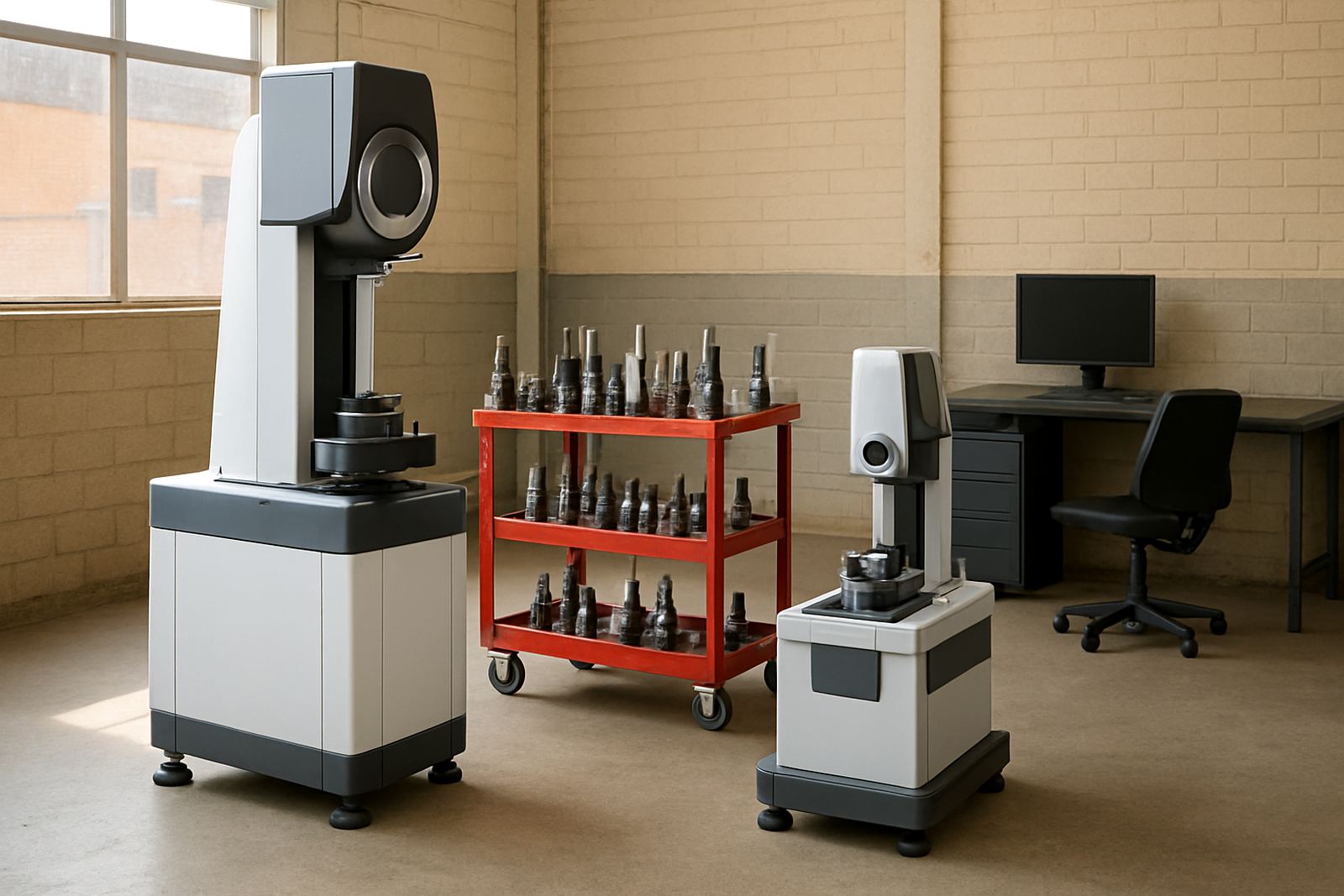
For higher accuracy work, look for a system that gives predictable clamping and simple maintenance. A worn collet, dirt in the taper or a nick on the holder can throw off the reading, even if the machine itself is in good condition. Our Applications Engineer often checks runout before a new setup goes into production because small errors can build up over a full shift.
- Check holder taper and collet face for marks
- Measure runout at the tool tip, not only at the holder
- Replace collets that show scoring or loss of spring tension
- Keep a dedicated set for finishing tools if possible
Think about coolant, chips and daily cleaning
Coolant choice can change the best collet system for the job. Through-coolant cutting needs a setup that seals properly and keeps pressure where it should be. If coolant is washing over the outside of the holder, chip build-up and residue can sit in the taper and reduce grip. That is common on machines running long shifts in Markman or Despatch where cleaning time is often short.
For workshops close to the coast, moisture and fine dust can combine and leave a sticky film on tooling. That is why holder cleaning and regular inspection should be part of the change-over routine. If you hear squealing, see tool pull-out or notice finish marks on the part, inspect the collet before changing feeds and speeds.
- Confirm whether the system supports your coolant method
- Check for chip packing around the collet nut and taper
- Clean after every production run, not only when problems show
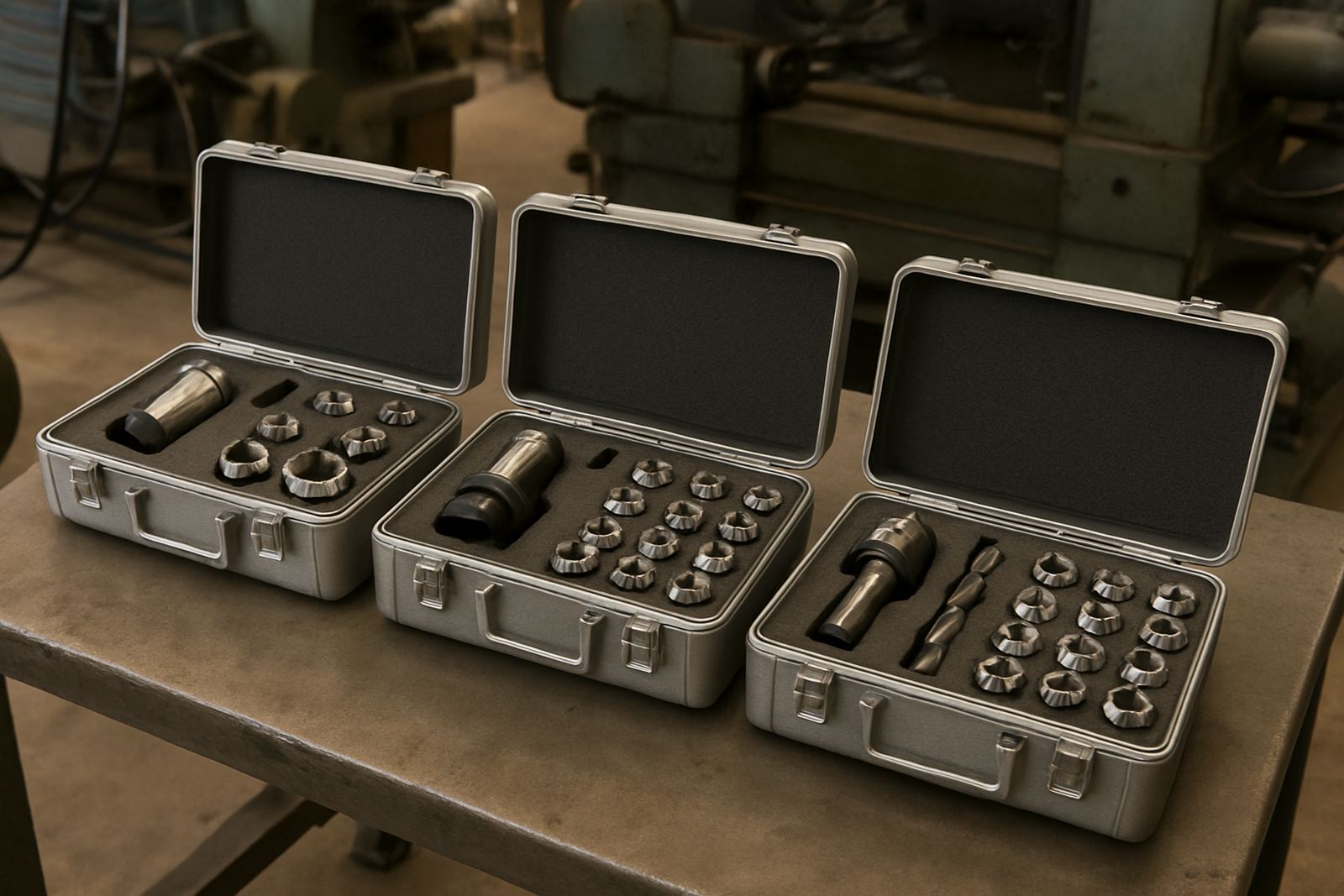
- Store spare collets in a dry cabinet or sealed tray
Choose by shank range and machine type
The most practical question is simple: what size tools do you use most, and how often do they change? A narrow shank range is ideal if one machine repeats the same operation. A wider range helps if the workshop handles repairs, prototypes and mixed material batches. On older vertical mills and some retrofit CNC machines, the holder and nose clearance can also limit your options.
For machine shops in Kariega, Port Elizabeth CBD or Coega, the best choice often balances reach and rigidity. Long tool projection can increase deflection, so do not choose a grip system that forces extra stick-out. If the cutter must sit far out, support and balance become more important than convenience.
- Measure the smallest and largest shank you use regularly
- Check machine clearance around the spindle nose
- Avoid unnecessary tool stick-out
- Keep one collet system per common shank family where possible
Use this selection checklist before you buy
A good purchasing decision is based on the shop floor, not assumptions. Before you commit, check the condition of the holder, the tool family and the service support you need after installation. If the system is hard to clean or awkward to preset, operators tend to leave it out, and that leads to inconsistent results.
Our team in Struandale handles presetting service, runout checks and holder cleaning, so the setup can be verified before it goes back to production. If the collet system is part of a larger spindle or tooling upgrade, it helps to assess the full chain from holder to cutter to inspection method. That saves time when municipal power interruptions or shift changes disrupt production, and you need a predictable restart.
- Do the collets match the cutters you already stock
- Is the system easy to inspect and clean between jobs
- Can the workshop support it with proper measuring tools
- Will spare parts and replacements be easy to keep on hand
Get the setup checked before production starts
Choosing the right collet system is only the first step. The real test is how it performs once the machine is loaded, coolant is on, and the first parts come off the line. If there is vibration, poor finish or tool movement, do not assume the collet is fine because it is new. A quick inspection can save a full batch.
Tooling supports machine shops across Gqeberha and nationwide from our base in Struandale. We work with tool regrinding, tool inspection, holder cleaning, chuck jaw machining, vise alignment and collection and delivery, so shops can keep production moving without losing a day to small setup faults. When the right collet system is paired with correct setup and maintenance, the difference shows in the first run and the last.
- Book a runout check after installation
- Keep a maintenance log for each machine
- Replace damaged collets before they affect the batch
- Review performance after the first production run