Start with the tools you actually need to store
Before you price cabinets or trolleys, count what must live in storage every day. Separate cutting tools, holders, collets, gauges, setup parts, spares and inspection items. A small turning shop in Despatch will need a very different layout to a busy CNC cell in Coega, so list what moves often and what should stay locked away.
Look at length, weight and shape as well as quantity. A box of inserts can sit in a shallow drawer, but a long boring bar, probe or chuck jaw set needs deeper space and proper support. If tools are piled together, the first problem is usually damage. The second is wasted time while operators search for the right item during a changeover.
- Count holders by taper and size.
- Separate live tools, static tools and special fixtures.
- Allow space for spares, not only current production.
- Keep calibration items away from general hand tools.
Match cabinet storage to the workshop floor plan
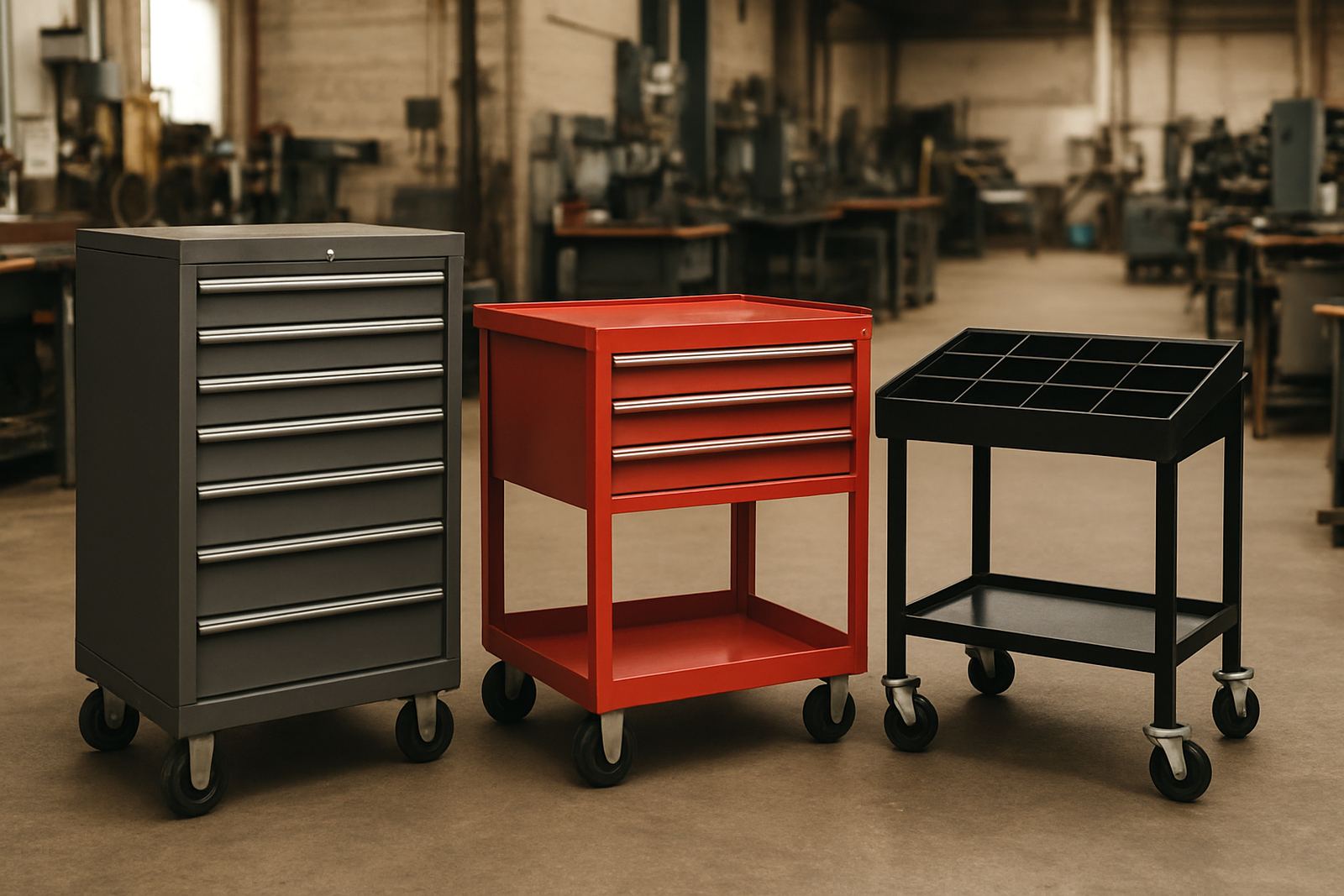
Cabinets suit tools that should stay protected from dust, grinding swarf and coastal humidity. In Gqeberha and the surrounding bayside industrial areas, closed storage helps reduce rust on precision parts when the air carries salt. If your shop runs near open roller doors or does regular cleaning with water, cabinet doors and sealed drawers are worth the extra planning.
Measure the aisle widths before buying. A cabinet that blocks a forklift route or material trolley lane becomes a problem within a week. Leave enough room for the operator to open drawers fully without standing in the way of moving stock. Where floor space is tight, tall storage often works better than wide storage, as long as top shelves remain reachable without unsafe climbing.
- Check door swing and drawer extension against your walkways.
- Keep heavier items in the lower drawers.
- Choose lockable storage for premium cutters and metrology items.
- Place commonly used sets between waist and shoulder height.
Use trolleys for setup speed and point-of-use control
Trolleys suit the items that travel with the job. If an operator is setting a machine, loading a fixture or checking runout at the spindle, it helps to have holders, collets, torque tools and inspection gear on one mobile unit. That cuts walking time and reduces mix-ups between shifts. A trolley can also support presetting or job kitting before material reaches the machine.
Choose a trolley that rolls well over the actual floor in your plant. Broken concrete, cable covers and fine swarf will expose poor wheels quickly. In plants that work around the clock or face load-shedding interruptions, a mobile storage unit makes restart easier because the full job kit can be parked beside the machine and moved back without fuss.
- Lockable castors help when a trolley sits beside a running machine.
- Top trays should hold the tools used most often.
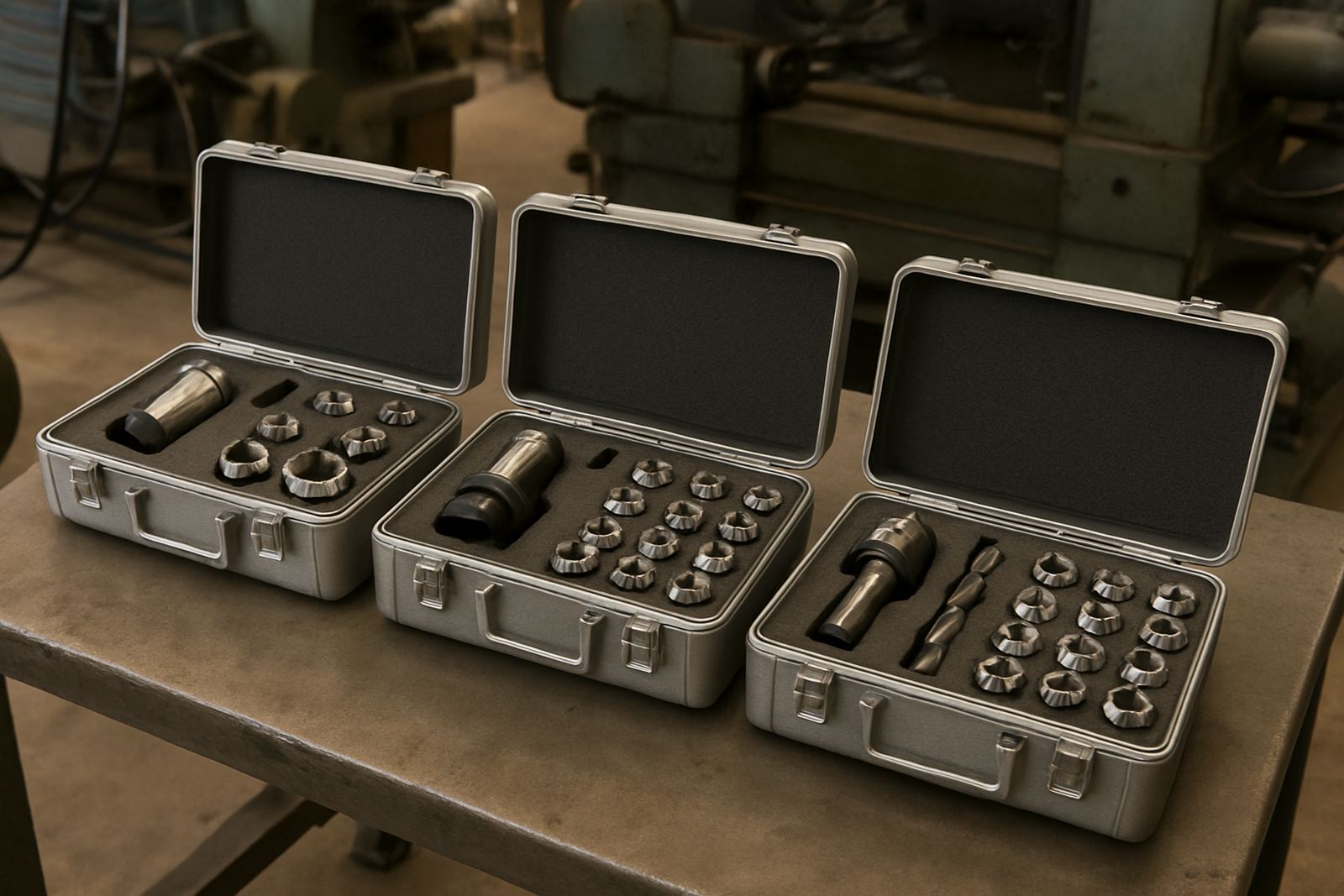
- Use separators or foam inserts so holders do not knock together.
- Keep one trolley per process if different teams share the same area.
Organise by job, size and frequency of use
Good storag is not just about fitting more items into a cabinet. It is about making the next job easier to prepare. The cleanest method is to group items by machine family, operation or size range. For example, drill tools, milling tools and measuring equipment should not compete for the same drawer if they are used by different people during the same shift.
Mark each shelf or drawer clearly. A simple label system saves time and helps with stock control when tools come back from regrinding, inspection or cleaning. If your workshop does repeat work for mining, packaging, food or general engineering customers, keep common setups in one place so the team is not rebuilding the same kit every Monday morning.
- Group tools by spindle type or machine type.
- Separate used items that need inspection from ready-to-run items.
- Label drawers with size ranges, not only vague names.
- Keep a clear bin for damaged tools needing service.
Build maintenance into the storage plan
Storage should support care, not just keeping things out of sight. Clean holders and collets before they go back in the cabinet. Check for dust, chips and coolant residue, then wipe down steel surfaces to reduce corrosion. In humid conditions near the coast, that routine matters more than people expect, especially for precision work that depends on clean taper contact and low runout.
Set a weekly inspection day. Look for chipped labels, loose drawer runners, worn foam inserts and bent dividers. If a trolley starts rattling or a cabinet drawer sticks, fix it quickly or the team will stop using the system properly. A small issue today becomes a missing tool tomorrow and that means lost production time.
- Return cleaned tools only, never wet or oily parts.
- Check holders for damage before putting them away.
- Keep spare inserts and separators on hand.
- Record tools sent for inspection, regrinding or calibration.
Simple checklist for choosing the right setup
If you are unsure where to start, work through the points below with your supervisor, setter and store person. The best storage system is the one your team will use every shift, not the one that looks neat for one day. Think about collection and delivery routines too, especially if tools move between Struandale, Markman, Coega, Kariega, Despatch and the Port Elizabeth CBD.
Ask these questions before you buy:
- How many holders, collets and accessories must be stored now?
- What will be added over the next 12 months?
- Do items need lockable storage, mobile storage or both?
- Will the system handle dust, swarf, coolant and coastal humidity?
- Can one person move the trolley safely when fully loaded?
- Is there space for service items such as inspection, cleaning and presetting kits?
If the answer to any of these points is unclear, map the process on paper first. That takes less time than reworking a poor layout after the cabinet has already been delivered.