
Start With Your Actual Changeover Load
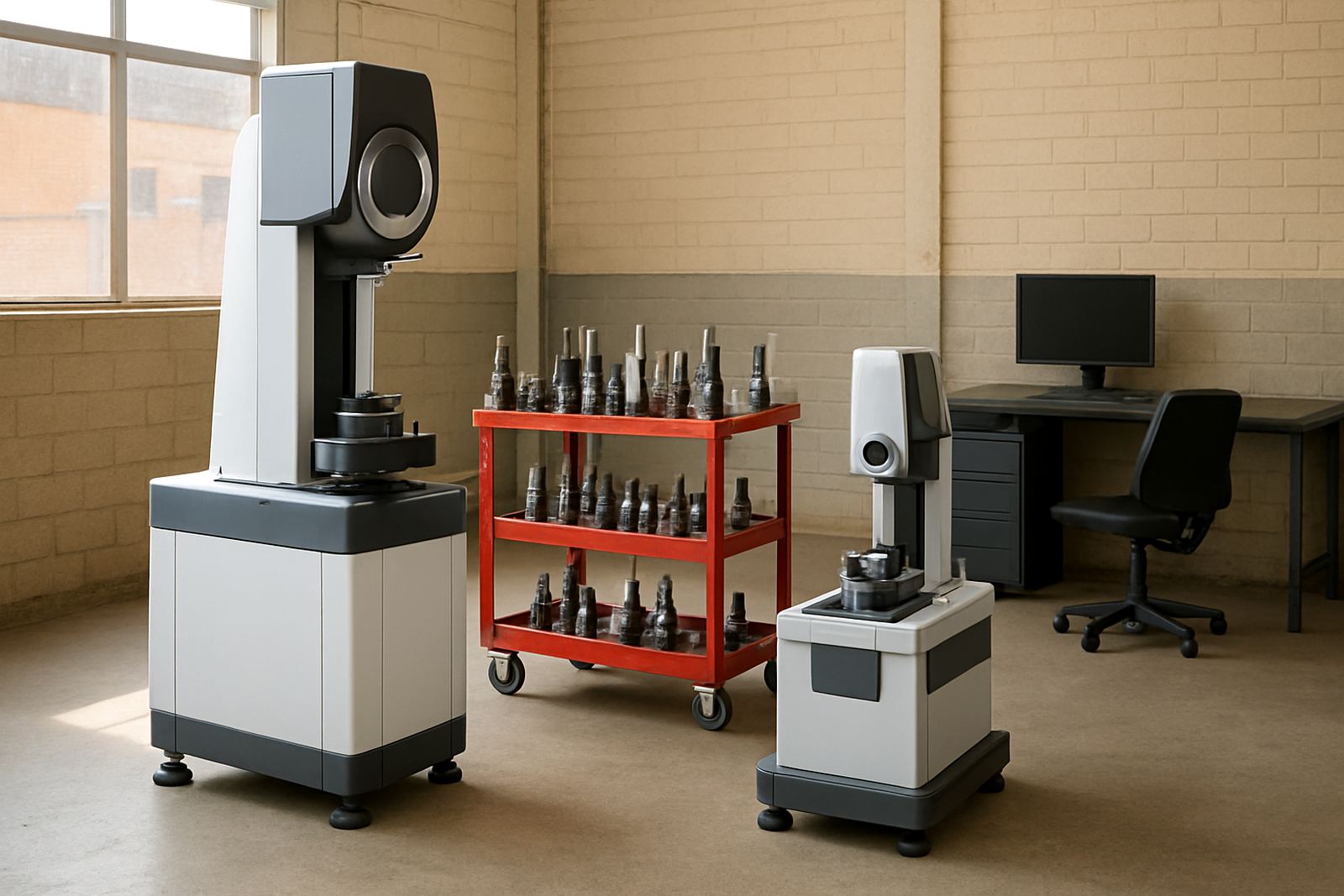
Before you compare models, count how many tools you preset in a normal shift and how often the machine stops for set-up changes. A shop running short batches in Kariega will need a different system from a high-mix operation in Coega or a continuous production cell in Struandale. If you only change tools a few times a day, a simpler unit may be enough. If you are handling frequent tool swaps, offsets and repeat jobs, you need faster measurement and easier data capture.
Think in terms of people as well as tools. Who will use the presetter, how much training is realistic, and whether one person will handle the whole process or several operators will share it. In busy machine shops, the best system is the one that fits the floor, not the one with the longest spec sheet.
Match Accuracy To The Work You Make
Accuracy targets should be set by the workpiece, not by guesswork. For general machining, a practical presetting system must give repeatable lengths and diameter checks with enough stability for day-to-day work. For tighter tolerance jobs, small errors in tool length or radius can lead to scrap, extra inspection, and needless machine time. Coastal humidity in Gqeberha can also affect handling and storage, so the machine should hold calibration and be easy to verify regularly.
Ask what level of repeatability the machine gives under normal workshop conditions, not only in a showroom. If your production includes fine boring, threading, or multi-op jobs, consistency matters just as much as raw measurement range. A good setup should support first-off confidence and reduce operator second-guessing.
- Check the smallest and largest tools you use weekly
- Confirm the length and diameter measurement range
- Ask how often calibration checks are needed
- Make sure the display and controls are easy to read under workshop light
Choose A Workflow That Saves Time At The Machine
The best presetting system should shorten time at the CNC, not add another admin step. If your programmers want tool data exported directly to the machine control, choose a presetter that supports a simple transfer process. If your team still works manually, make sure the readout is clear and the measurements are easy to record without confusion. In smaller shops around Despatch and Port Elizabeth CBD, simplicity often beats extra features that nobody uses.
Look at the path from tool room to spindle. Can the operator collect tools, preset them, label them and move straight to the machine without extra handling? Do you need a collection and delivery service because jobs move between Markman, Struandale and nearby sites? The smoother the route, the less chance there is of mix-ups or delays. That matters when load-shedding or rush orders interrupt the day, because your set-up process has to recover quickly.
- Confirm how tool data is stored or transferred
- Check whether the system suits one-off jobs and repeat runs
- Keep labels, holders and offsets in the same workflow
- Plan for backup power or safe shutdown during outages
Do Not Overlook The Shop Floor Conditions
A presetter must work in a real South African workshop, not just under ideal conditions. Dust, vibration, compressed air use and temperature changes all affect how long the system stays accurate. In coastal areas, corrosion resistance and proper cleaning are worth attention, especially if holders and measuring components are handled often. If your shop already manages tool regrinding, runout checks or holder cleaning, the presetter should fit into that routine without slowing it down.
Space also matters. Some shops have a dedicated tool room while others use a corner near the machining line. Measure the footprint, cabinet access and operator working height before you choose. Make sure the unit can be serviced locally and that spare parts, scanner calibration support or printer maintenance are available when needed. A machine that is simple to maintain will save money over its life, not just on day one.
Use A Short Checklist Before You Buy
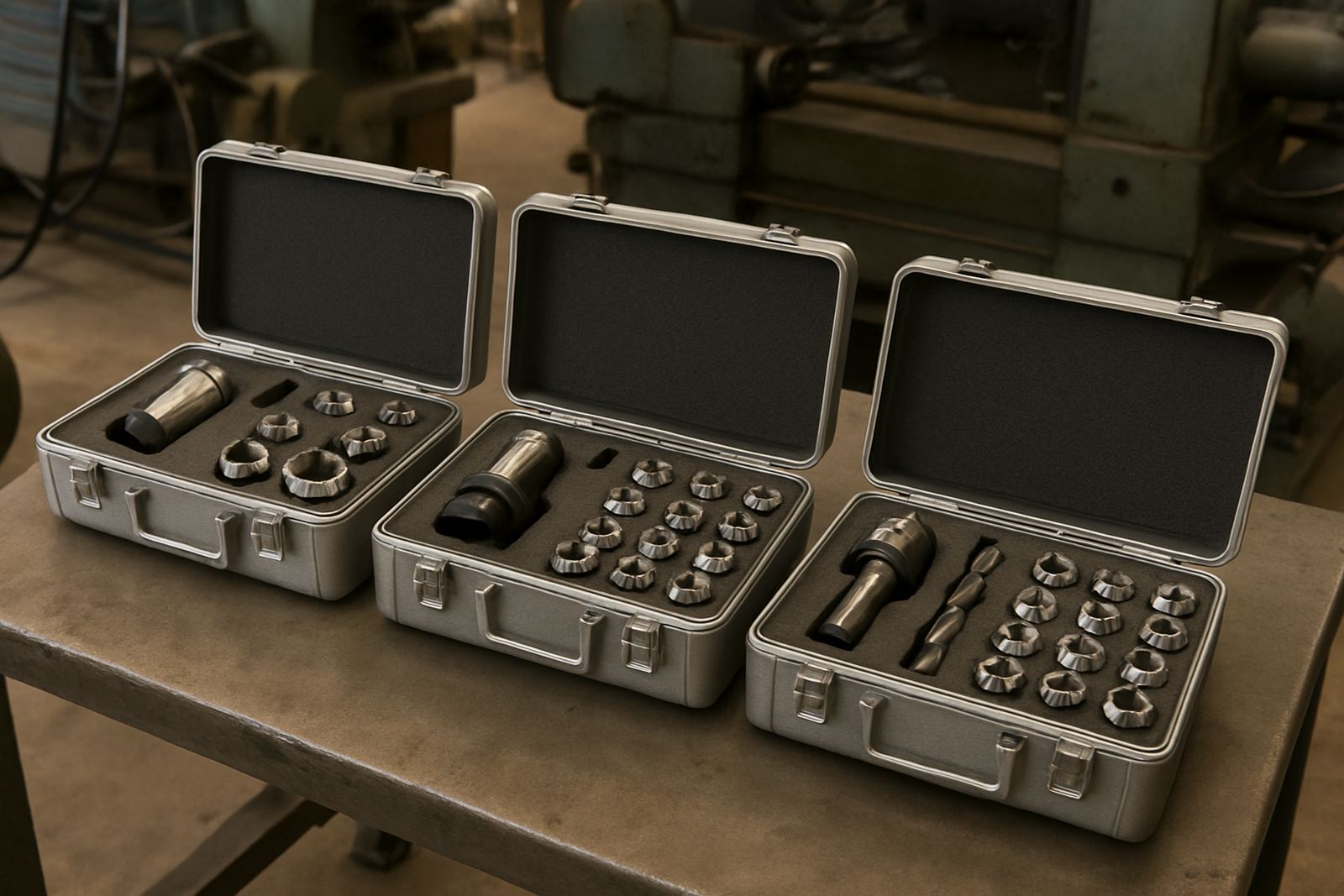
A structured checklist helps avoid expensive mistakes. Start with the tools you use most, then compare features against the tasks your team performs every week. If you are unsure, bring a few sample holders, collets and cutting tools into the discussion so the fit can be tested properly. That gives you a more honest picture of whether the system suits your actual work, not someone else’s production line.
- What is your monthly tool volume?
- Which tool types must be measured?
- Do you need printouts, digital records, or both?
- Will one operator or several people use it?
- How much floor space is available?
- Can the system be supported and calibrated locally?
If the answer to any of these points is unclear, slow the decision down. A presetter should remove friction, not create it. It must fit the way your machine shop operates today and still make sense when orders change next quarter.
Get The Most From Installation And Support
After the purchase, good installation and operator guidance are what turn a machine into a useful shop tool. New users should know how to zero the system, verify readings and keep the measuring area clean. A simple handover with practical examples is better than a long manual that nobody reads. In busy shops, one bad habit can affect every job that follows, so early training pays off.
Support should be close enough to matter. For customers in Gqeberha, Coega, Struandale, Markman and surrounding areas, local service means less downtime and quicker answers. If your team includes a applications engineer, service coordinator or customer support lead, use that knowledge when planning your presetting process. The right presetter works best when the whole tool room is set up properly, not just the machine itself.
Tooling supplies presetting services alongside related support such as tool inspection, holder cleaning, chuck jaw machining and vise alignment. That gives machine shops a practical way to keep measurement, preparation and machining aligned.