What our vise alignment service covers
Vise alignment is about getting the fixed jaw, moving jaw and machine table to work as one. If the body is twisted, the jaws are not square or swarf has built up under the base, parts start to move during cutting. That leads to taper, poor finish and extra scrap.
Our service is aimed at machine shops that need dependable clamping on mills, CNC machining centres and toolroom equipment. We inspect the vise, clean the mounting faces, check jaw condition and align the unit for repeatable part location. Where needed, we also check parallels, soft jaws and clamp contact points so the full setup is working correctly.
- Base and mounting face cleaning
- Jaw face inspection and condition check
- Squareness and parallelism verification
- Runout and movement checks where applicable
- Alignment for single or multiple vise setups
How we set the vise up for accurate clamping
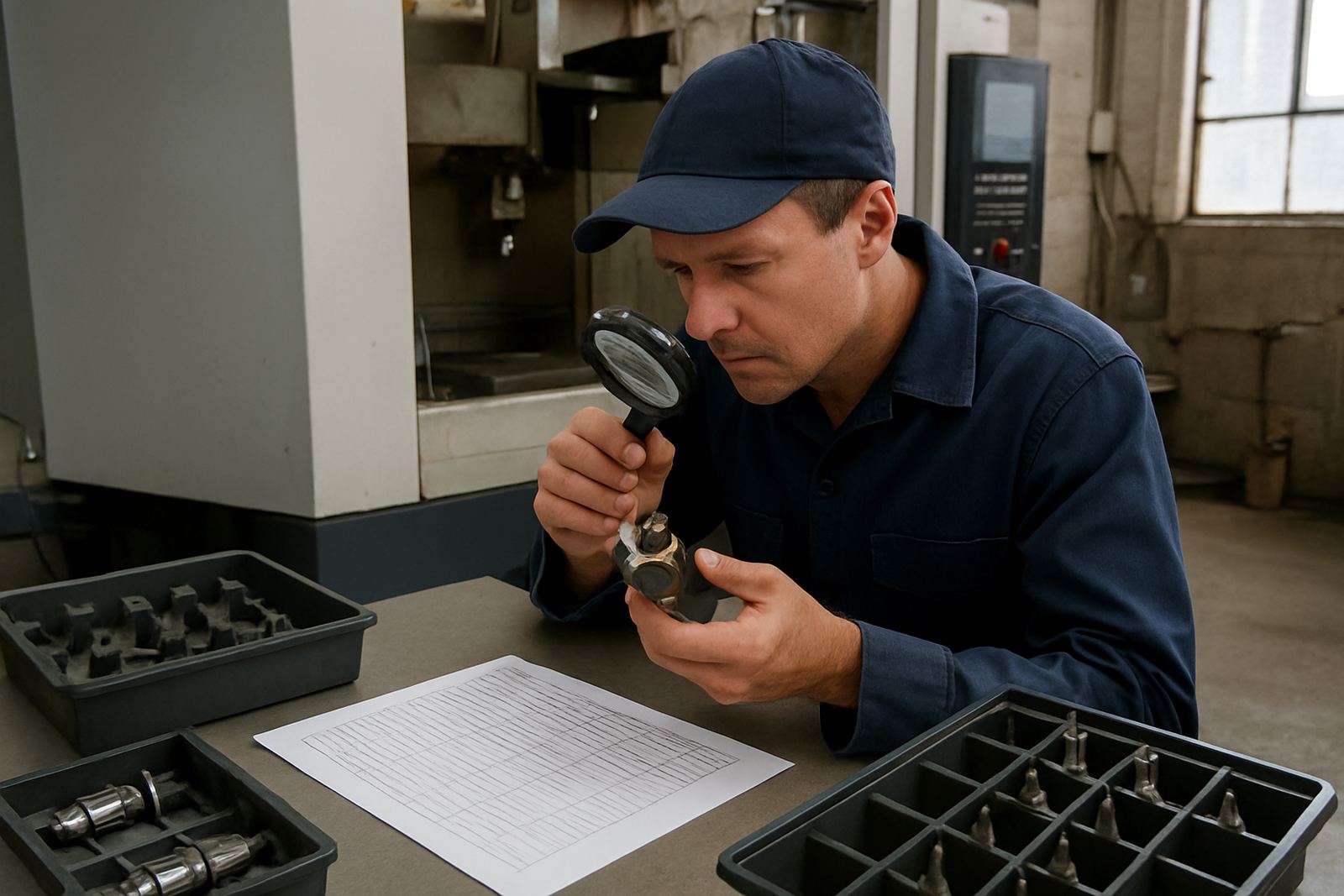
Every vise is handled with the same practical process. First we remove swarf, coolant residue and old grease from the body, jaws and mounting surfaces. Then we inspect for burrs, damaged jaw serrations, backlash in the screw and any signs of wear that affect grip. A dirty vise can look fine from the outside but still shift under load, especially on smaller parts.
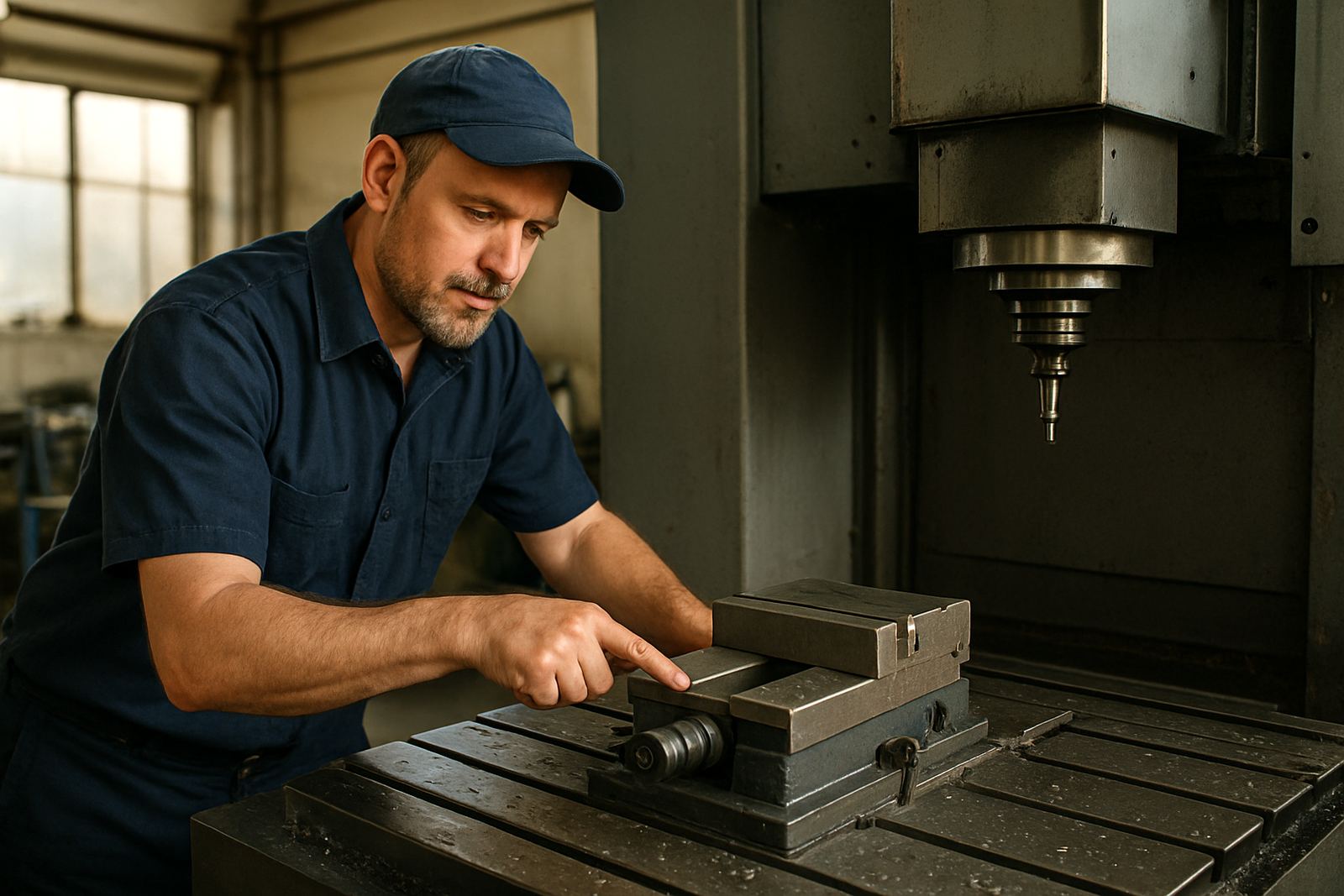
After cleaning, the vise is mounted and checked against the machine table using precision measuring equipment. We adjust until the jaws sit true to the axis and the clamping action is smooth. On multi-vise tables, we verify spacing and orientation so the operator can load parts with less re-indicating. If a vise needs more than alignment, we flag it before it goes back into production.
- Initial condition check
- Deep clean and burr removal
- Alignment and squareness adjustment
- Final verification with measurement tools
- Handover with notes on wear or faults
Typical turnaround for Struandale and nearby shops
Turnaround depends on the number of vises, their condition and whether any repair work is needed. A straightforward single vise alignment can often be completed within 1 to 2 working days. More complex jobs, such as several matched vises, worn jaws or units that need further attention, may take longer. We keep the process practical because many shops in Gqeberha are working around urgent production runs and load-shedding windows.
For customers in Struandale, Markman, Coega, Port Elizabeth CBD, Despatch and Kariega, collection and delivery can be arranged where needed. That helps reduce machine downtime and keeps setup work moving. If your team is running a tight schedule, tell us upfront and we’ll advise the fastest route through the job.
- Standard alignment: 1 to 2 working days
- Multiple vises or worn units: by inspection
- Collection and delivery available
- Priority planning for production-critical jobs
Pricing approach and what affects the cost
We price vise alignment according to the condition of the unit and the work involved, not on guesswork. A clean vise that only needs checking and adjustment will cost less than one that arrives packed with coolant sludge, damaged jaws or loose components. This keeps pricing fair for small toolrooms and larger manufacturing plants alike.
Before work starts, we assess the vise and explain what is included. If there are issues such as worn screw threads, chipped jaw faces or excessive side play, we discuss the options first. That way you can decide whether to align, repair or replace. No one wants surprises on a maintenance invoice, especially when production time is already tight.
- Cost depends on condition and complexity
- Inspection first, then approval if extra work is needed
- Suitable for single vises and batch work
- Quotes can include collection and delivery
When to book maintenance and rechecking
Vise alignment is not a once-off job. Shops that run long shifts, machine abrasive materials or change operators often should check alignment more regularly. As a guide, we recommend checking heavily used vises every 3 to 6 months, and sooner if the machine has had a crash, the jaw faces are marked, or parts start showing uneven clamp marks.
Coastal humidity in Gqeberha can also affect moving components and sliding surfaces. If a vise sits unused for a while, surface corrosion and dried coolant can change how it closes. Regular cleaning and inspection helps avoid this and keeps the setup consistent. A small amount of preventive work now can save a lot of setting time later.
- High-use shops: every 3 to 6 months
- After machine crashes or heavy part changes
- When parts show clamp marks or movement
- After long storage or exposure to humidity
Workshop specs and compatibility
We work with a wide range of machine vise sizes and styles used in South African workshops. Whether the unit is on a CNC milling machine, a vertical machining centre or a manual mill, the aim is the same: reliable holding, better repeatability and cleaner results. If your setup includes soft jaws, step jaws or twin vises, we can factor that into the alignment process.
For shops that measure everything, we can check alignment against the machine axis and confirm that the jaw faces are sitting where they should. That matters when holding small production parts, aluminium components, steel blocks or jigs that need accuracy from part to part. For tighter jobs, tell us your tolerance target so we can work to the right level.
- Suitable for CNC mills and manual machines
- Works with single, twin and batch vise setups
- Alignment checks for jaw squareness and table position
- Supports soft jaws and production fixtures
Key facts
| Service area | Struandale, Gqeberha and nationwide support |
|---|---|
| Typical turnaround | 1 to 2 working days for standard jobs |
| Recommended check interval | Every 3 to 6 months on high-use machines |
| Included work | Cleaning, alignment, verification and condition notes |
| Collection and delivery | Available by arrangement |
| Common equipment | Machine vises, soft jaws and multi-vise setups |