What our presetting service covers
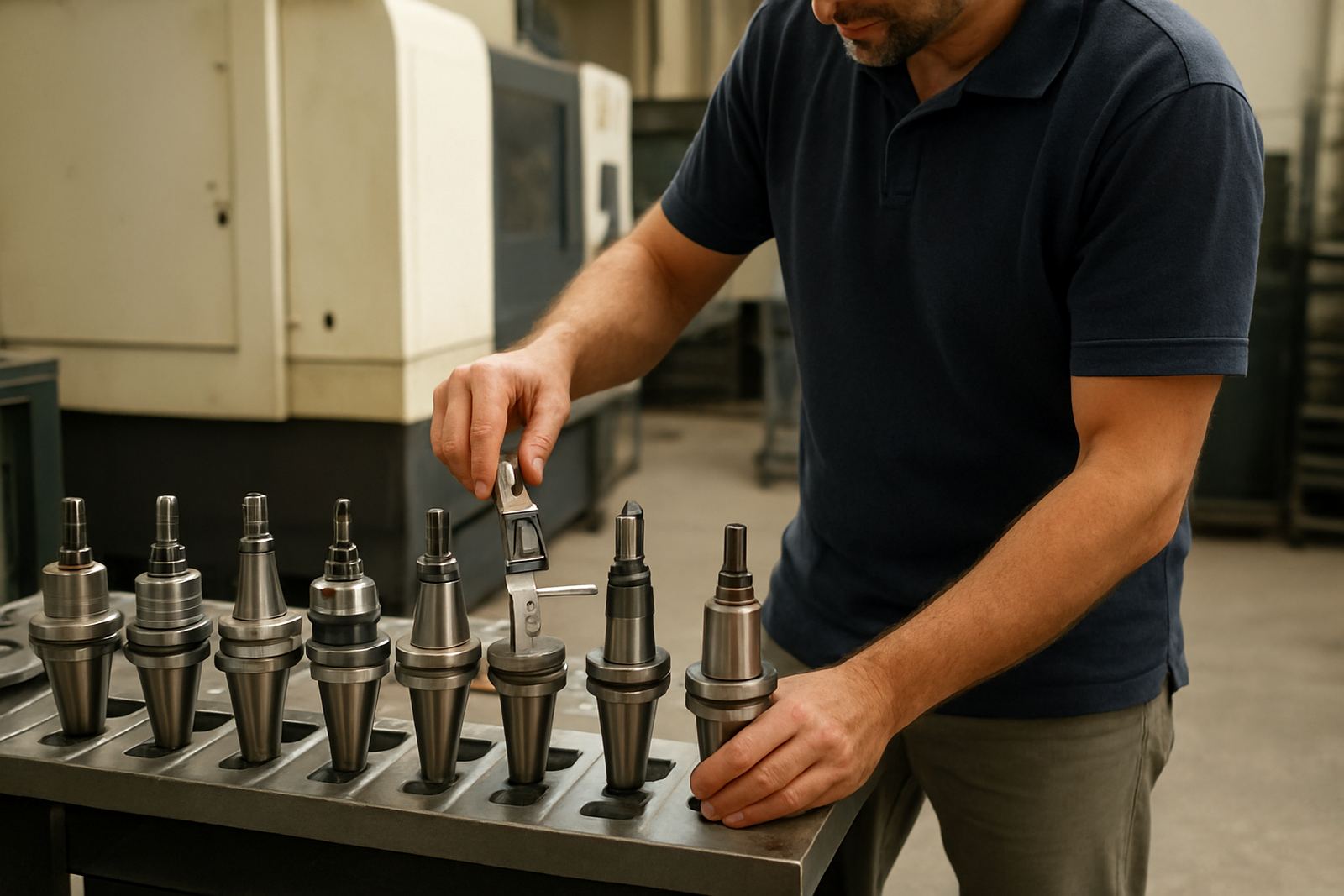
Our presetting service is built for workshops that want less downtime between jobs and a cleaner handover from tool room to machine operator. We measure and record the key dimensions of each tool assembly, then supply the data needed for offset entry, job preparation, and repeat work. That means less time at the spindle, fewer test cuts, and better control when the machine is under pressure.
The service suits end mills, drills, face mills, boring bars, tap holders and other assembled cutting tools used on CNC milling and turning centres. We can work from new tools, re-ground tools, or mixed sets that need a fresh check after maintenance. For shops in Gqeberha and nearby areas like Struandale, Markman, Coega, Kariega and Despatch, this is a practical way to keep the machine running while setup work is done off the floor.
- Tool length measurement for setup and offsets
- Gauge diameter and projection checks
- Runout verification for critical jobs
- Reference marking and tool ID recording
- Repeatable data for re-ordering or repeat production
How the presetting process works
We keep the process straightforward so your team can plan around it. Tools are received, inspected, measured and recorded against the relevant holder or assembly. If anything looks out of tolerance, we flag it before the set goes back to production. That kind of early check can prevent a scrap run or a machine sitting idle while someone chases a fault.
Typical steps include:
- Receive and sort tools by job, machine or spindle type
- Check cleanliness, damage and holder condition
- Measure length, gauge diameter and tool protrusion
- Record runout where required
- Label and return data in a usable format
For customers in manufacturing bays that deal with load-shedding or shift changes, presetting is especially useful because more work can be done away from the machine. Operators come to the machine with a measured set and the job can start with less interruption, even when time is tight.
Specifications and measurement standards
Presetting is only useful when the numbers are consistent. We use equipment suitable for the precision needed in general CNC work, with attention to repeatability and clean tool presentation. The exact method depends on the tool style and the accuracy requirement of the job. On small diameter cutters, a little wear or dirt can change the result, so we take time with preparation and verification.
Typical presetting specifications include:
- Tool length measurement resolution to 0.001 mm where required
- Runout checks down to microns on precision assemblies
- Gauge diameter recording for milling and drilling tools
- Projection length for standard and extended holders
- Tool identification for repeat jobs and batch work
We can also note special setup points such as clamping depth, pocket position, and holder condition where that helps the operator. For coastal workshops around Port Elizabeth and the wider metro, clean storage and dry handling matter too, because humidity can affect holders, collets and fine measuring surfaces if parts are left lying around.
Turnaround times and collection options
Turnaround depends on the size of the batch, the condition of the tools and whether any extra checks are needed. Small sets for one machine can often be handled quickly, while larger mixed batches from busy production lines need more time for sorting and recording. We aim to keep communication clear so your team knows when to expect the tools back.
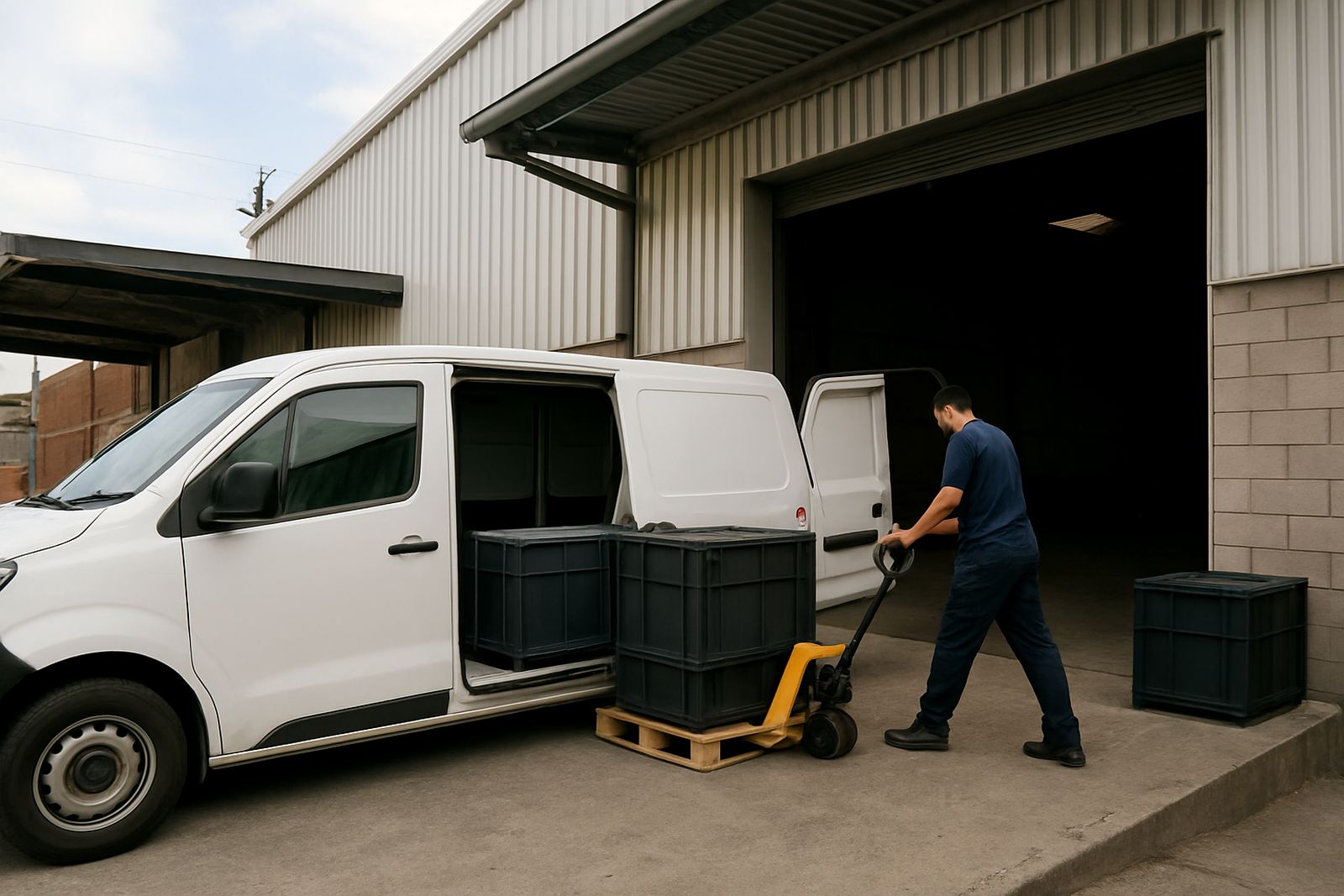
We offer collection and delivery in the Struandale area, Markman, Coega, Kariega, Despatch and the Port Elizabeth CBD, with support for customers nationwide by arrangement. If your shop runs on tight changeover windows, let us know the job schedule so we can plan the work accordingly. In some cases the presetting can be aligned with regrinding, inspection or holder cleaning to cut down on separate trips.
Pricing that fits the job
Presetting is priced according to the number of tools, the type of measurement required, and whether the set needs extra verification like runout checks or holder assessment. Simple repeat batches are usually quicker to process than mixed assemblies with missing labels or damaged holders. We prefer to quote clearly before work starts so there are no surprises on the invoice.
If your business sends regular batches, we can discuss a structured pricing approach based on volume and frequency. That suits job shops, subcontractors and production plants that need predictable costs month after month. Where tools also need regrinding, inspection or chuck jaw machining, combining the work can be more cost-effective than handling each service separately.
When to schedule presetting checks
Presetting should not be treated as a once-off task. It works best as part of a maintenance routine linked to usage, tool life and job repeatability. Shops that run the same components every week often preset before each production cycle, while general machine shops may schedule checks after maintenance, after tool changes, or when setup times start creeping up.
Good intervals depend on how hard the tools are working. As a guide, check preset data whenever there is a new batch, after tool regrinding, when a holder has been cleaned or repaired, or when operators report inconsistent first-off parts. If you are dealing with vibration, poor finish or extra tool wear, presetting can help isolate whether the issue is in the tool assembly or elsewhere in the process.
- Before repeat production runs
- After tool regrinding or inspection
- When holders, collets or chuck jaws are changed
- After a machine setup change or service
- When first-off dimensions drift
Why machine shops across South Africa use Tooling
Tooling is based in Struandale, Gqeberha, and works with machine shops that need practical support, not paperwork for the sake of it. Our team includes Morne van der Merwe, Ayanda Mhlabeni, Johan Bester, Zanele Nkomo, Ridwaan Jacobs and Nokulunga Dlamini, so customers have a direct contact for sales, applications, service and support. That matters when a job is urgent and the setup has to be right the first time.
Because we serve industries across South Africa, we understand the pressure on workshops that have to keep machining moving through power cuts, coastal wear, and tight delivery dates. Our presetting service is set up to help reduce idle time and support faster machine changeovers. It is a practical service for shops that care about accuracy, repeatability and getting parts out on time, not just ticking a box.