
What our tool inspection covers
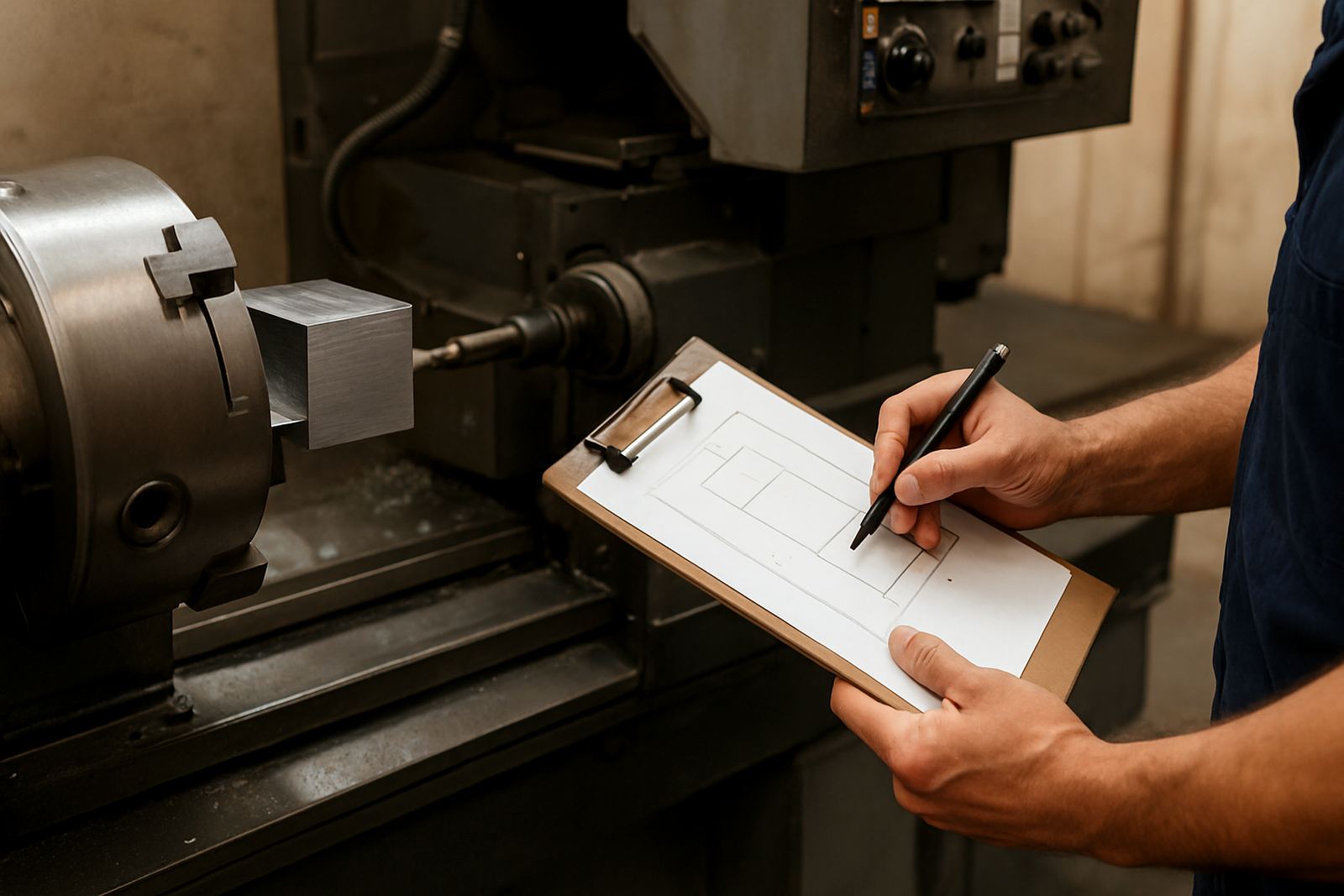
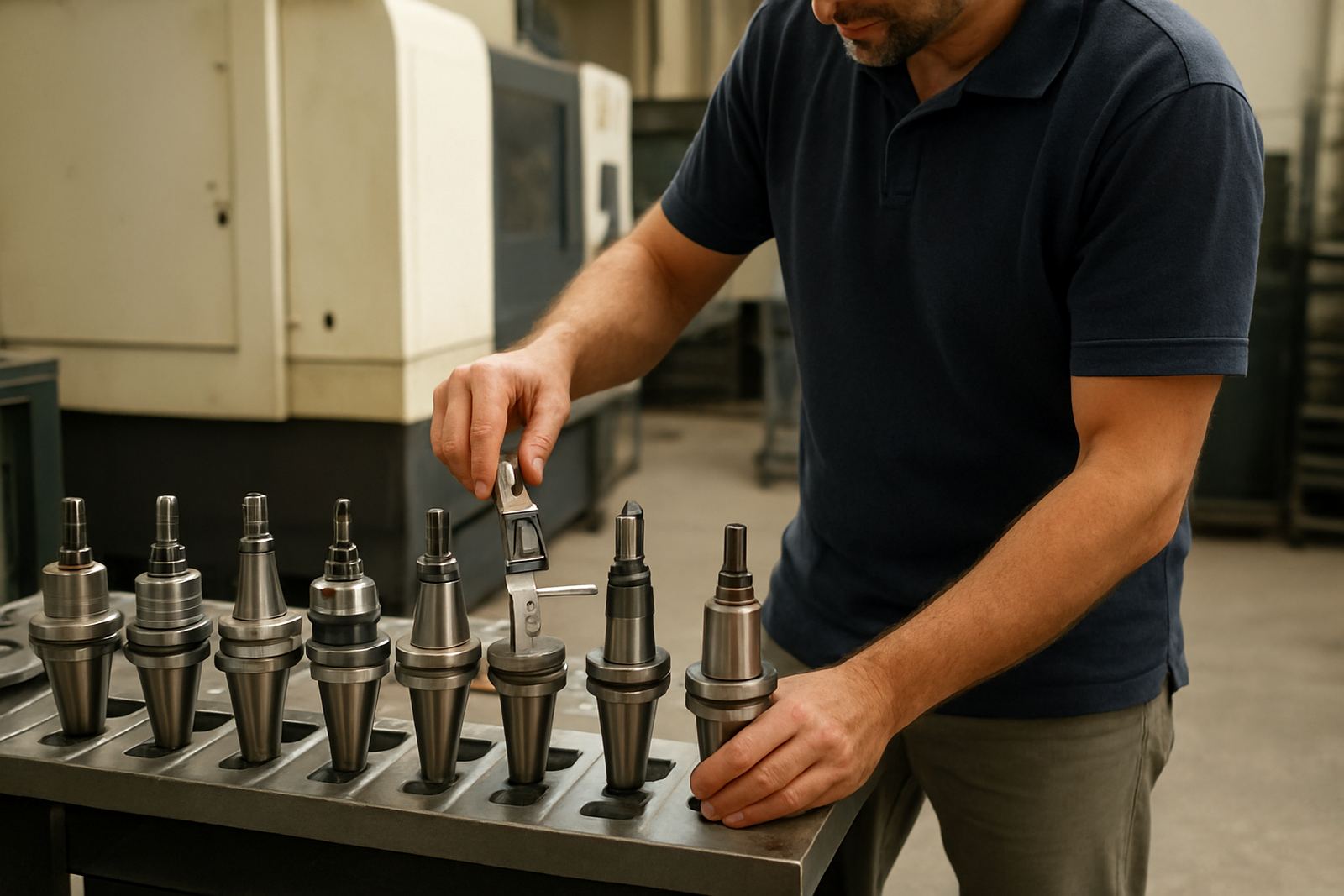
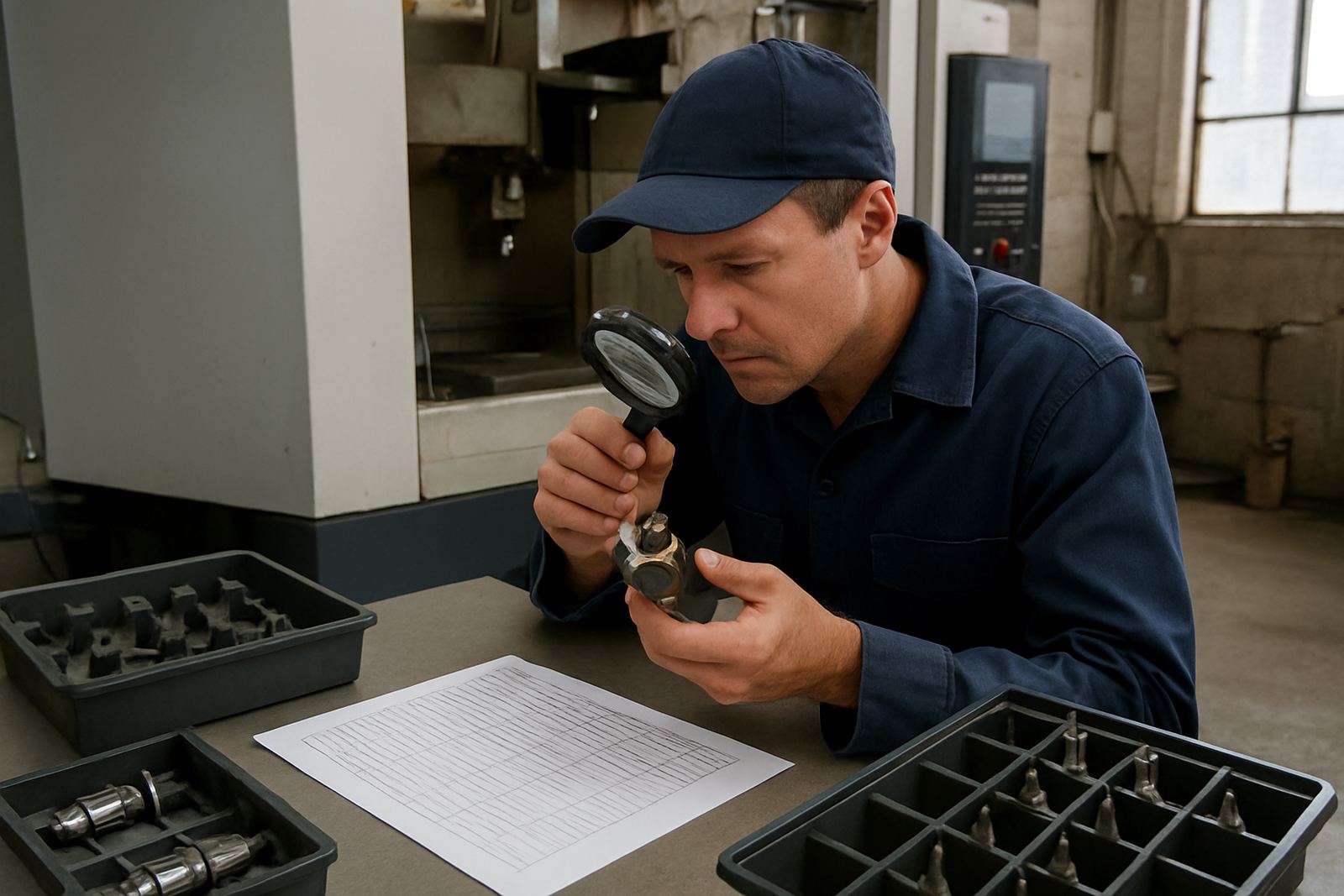
Our inspection service is built for machine shops that need practical answers, not guesswork. We assess cutting tools, tool holders and related tooling for wear, chipping, burn marks, corrosion, taper damage, bent shanks and other signs of failure that affect accuracy. Where required, we also check for runout concerns and visible issues that may cause chatter, poor finish or shortened tool life.
The aim is to decide what can be returned to service, what needs regrinding or corrective work, and what should be withdrawn before it causes a stoppage on the floor. In coastal areas like Gqeberha, Markman and Coega, we also look for humidity related rusting and contamination, which can creep in quicker than people expect.
- Visual wear and damage assessment
- Dimensional checks where applicable
- Runout related fault finding
- Surface condition and corrosion review
- Serviceability recommendation for each item
How the inspection process works
We keep the process straightforward so your team can get decisions quickly. Items are logged on arrival, then each tool is checked against its condition and intended use. If there are obvious faults, we flag them early. If the tool still looks usable, we note the risks and likely remaining service life so you can decide whether it stays in production or moves to corrective work.
For shops running tight schedules, this is useful before setting up a batch or starting a critical job. A tool that looks acceptable at first glance may still be out of tolerance, and that can mean scrap parts, poor finish or repeat setups. Small errors add up fast when you are running hard, especially with load-shedding interruptions making every machine hour matter.
- Receipt and item identification
- Condition assessment by type and application
- Fault notes and serviceability advice
- Recommendation for regrind, repair or replacement
- Collection and delivery available on request
What you receive after inspection
After inspection, you get practical feedback that can be used by production, purchasing and the tooling room. We can separate tools into those fit for continued use, those suitable for reconditioning, and those that should be written off. This helps with stock planning and gives a better handle on tool cost per job.
Where a batch contains mixed condition items, we will point out which tools are safe to keep in circulation and which ones are likely to fail soon. If an item needs closer checking, we can recommend follow-up services such as holder cleaning, presetting, chuck jaw machining or alignment work. In many cases, a good inspection saves a lot more than it costs.
- Clear go or no-go guidance
- Notes on wear pattern and likely cause
- Advice on remaining service life
- Next-step service recommendations
Turnaround and pricing approach
Turnaround depends on quantity, item type and the level of checking required. Small batches can often be handled quickly, while larger mixed loads may need more time for sorting and reporting. If your job is urgent, tell us upfront and we will advise what is realistic so there are no false promises.
Our pricing is based on the scope of inspection rather than one flat figure for every item. A simple visual assessment costs less than a detailed check that includes measurement, fault tracing and serviceability sorting. This way you only pay for the level of detail your workshop actually needs, and it keeps the job fair for both sides.
If you are sending tools from Struandale, Despatch or Port Elizabeth CBD, we can help with collection and delivery arrangements where needed. That is handy when the store is busy or the team cannot spare a driver mid shift.
Why regular inspection keeps jobs on track
Regular inspection is one of the easiest ways to cut waste in a machining environment. It helps catch damage before it spreads through a batch, and it reduces the chance of a bad tool taking out a part, holder or spindle interface. For shops working with stainless, mild steel, aluminium or mixed materials, the wear rate can vary a lot, so a fixed replacement habit is not always the best use of money.
As a rule, high use cutters and precision holding items should be checked at planned intervals rather than left until failure. Shops running daily production often inspect weekly or monthly depending on the job mix, while slower maintenance programmes may suit quarterly checks. Coastal humidity, coolant residue and dust from grinding all shorten usable life if the tooling is not monitored.
- Weekly checks for high-use production tools
- Monthly review for mixed job shops
- Quarterly inspection for slower moving stock
- Immediate checks after a crash, chatter or poor finish
Servicing support for shops across Gqeberha and beyond
Based in Struandale, Gqeberha, we work with machine shops across Markman, Coega, Kariega, Despatch and the wider Eastern Cape, while also supporting customers nationwide. Our inspection service fits in with related workshop support such as tool regrinding, holder cleaning, presetting service and runout checks, so you can manage tooling in one place instead of chasing it around. That saves time and cuts the risk of parts going missing.
Whether you are checking new stock, assessing returned tools, or sorting a drawer of mixed condition items after a busy month, we can help you decide what is worth keeping in circulation. It is a simple step but it makes a noticeable difference to consistency on the machine. For steady production, that matters.
Key facts
| Service type | Incoming tool condition assessment |
|---|---|
| Items checked | Cutting tools, holders and related tooling |
| Typical checks | Wear, chipping, corrosion, runout related issues, distortion |
| Output | Serviceability recommendation and next-step advice |
| Turnaround | Depends on batch size and inspection depth |
| Coverage | Struandale, Gqeberha, Eastern Cape and nationwide |