Regrinding for tools that still have life left
Tool regrinding is the sensible option when a tool body is still sound but the cutting edges have worn, chipped or lost geometry. Instead of scrapping a cutter too early, we restore the working profile so it can return to service with predictable performance. That helps control replacement costs, especially on repeat jobs, long runs and high-value tooling where the base tool is still worth saving.
We handle suitable cutters used in general machining, production work and workshop maintenance. The focus is on preserving the original cutting intent while removing only the material needed to bring the edge back into spec. In many cases, that means better surface finish, cleaner cutting and less strain on the machine spindle, holder and operator.
- Suitable for worn, dull or lightly damaged cutting tools
- Helps reduce scrap and lower tooling costs over time
- Supports tighter size control on repeat production work
- Useful for machine shops in Struandale, Markman, Coega and beyond
What the service includes
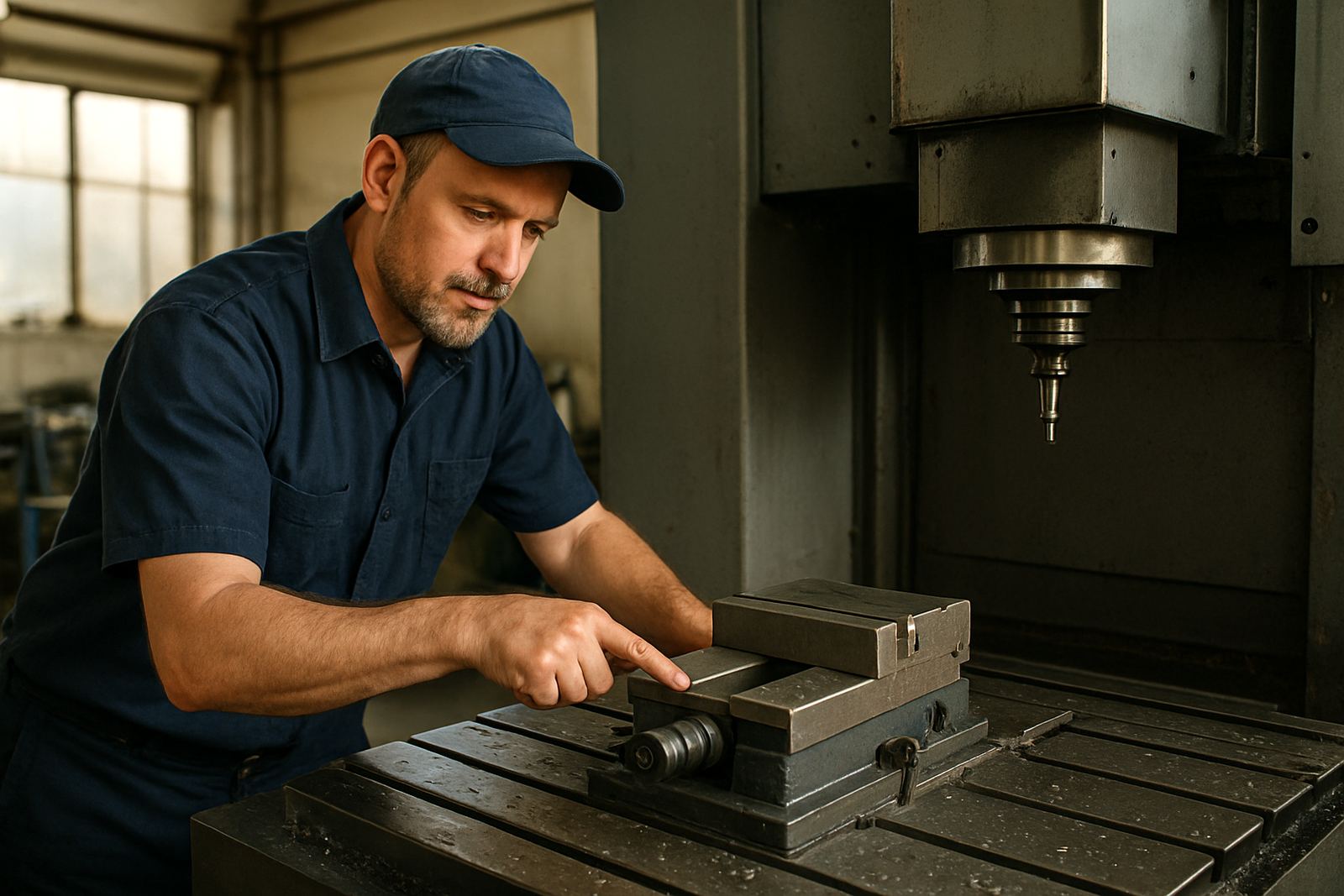
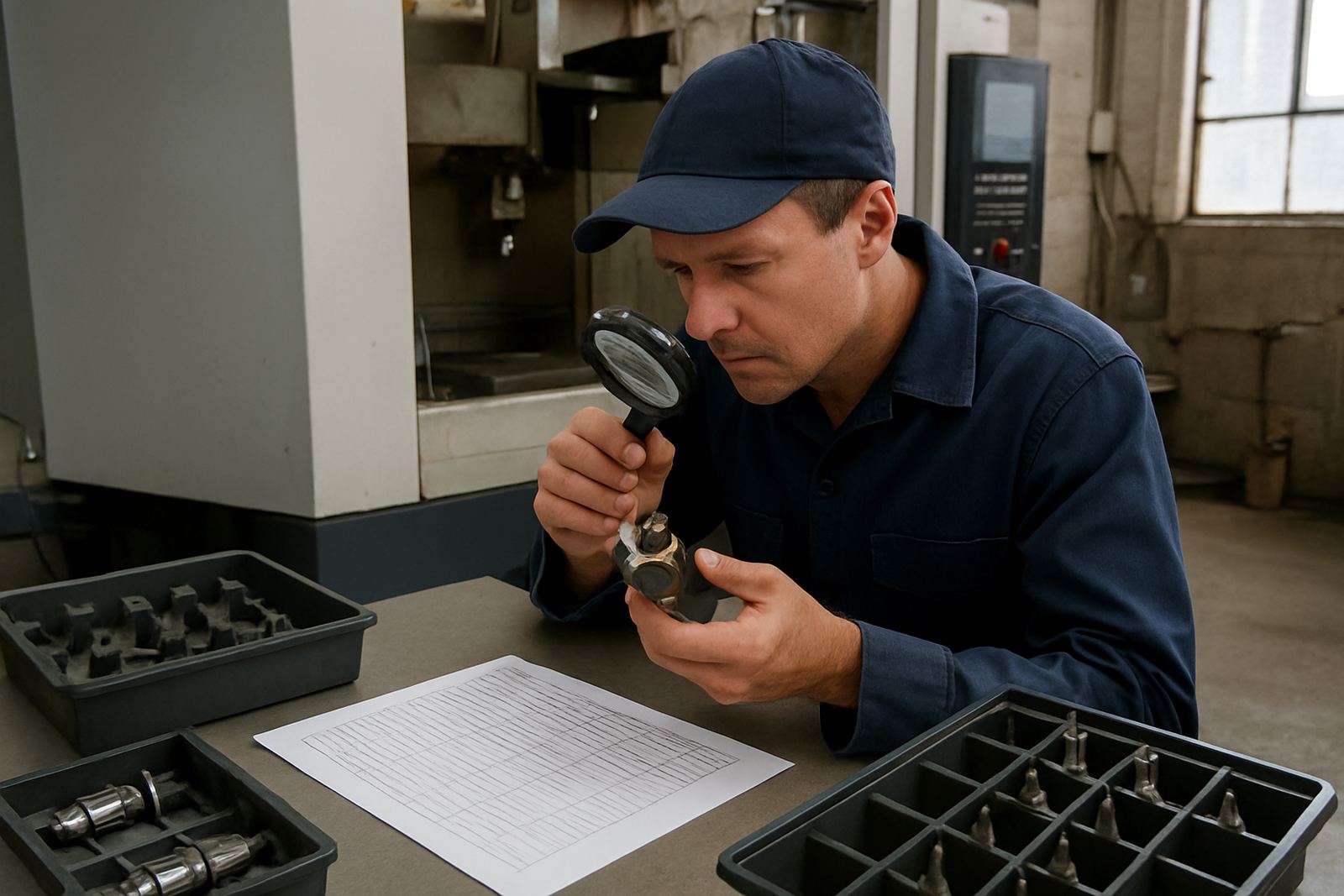
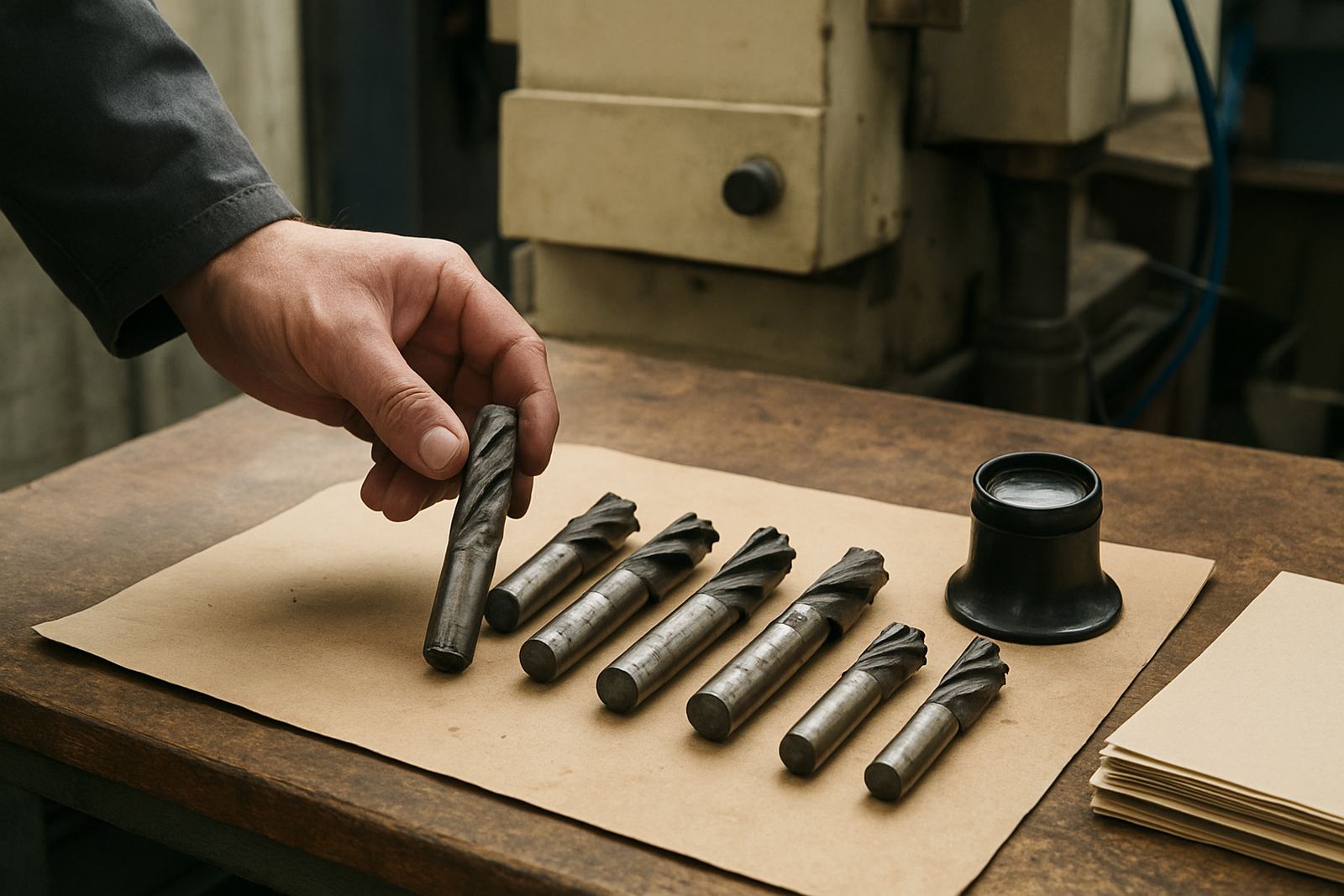
Our regrinding service is built around inspection first, then careful material removal. We assess the tool condition, check for visible damage and confirm whether the tool is a good candidate for rework. If the cutting edge is recoverable, we proceed with grinding to bring the geometry back into working condition.
Typical service actions can include flank grinding, face grinding, edge restoration and basic geometry correction where the tool design allows it. We can also advise on related checks such as holder condition, runout and clamping issues if a tool keeps failing too early. If the root cause is not the edge itself, regrinding alone wont solve it.
- Initial visual inspection and suitability check
- Grinding of worn cutting geometry on eligible tools
- Edge condition review after rework
- Optional advice on holder cleaning, runout and alignment
How we handle your tools from collection to return
Tools can be delivered to our base in Struandale or collected and returned by arrangement. Once the items reach us, we log them in, inspect each piece and confirm the work required. If we find chips, heat damage or excessive wear, we will flag it before proceeding so you can make an informed decision.
The work then moves through grinding, cleaning and final inspection. Where needed, we check the tool against the intended use so you know whether it is suitable for roughing, finishing or general production work. On return, the tools are ready for the machine shop and labelled in a way that makes job control easier.
- Receive and log the tools
- Inspect condition and confirm regrind suitability
- Carry out the grinding work
- Clean, check and return the finished tools
Turnaround, rush work and production planning
Turnaround depends on the tool type, quantity and the amount of wear involved. A small batch of straightforward regrinds can move quickly, while larger loads or more complex geometry takes longer. For workshops running to tight deadlines, the best approach is to book work ahead and send tools before the bin is full.
We understand the pressure of load-shedding, machine downtime and urgent customer orders. Where possible, we plan around your production cycle so you are not caught short on cutters for a critical job. If you have a recurring requirement, we can help you set a practical regrind interval so tools are sent in before performance drops too far.
- Lead time depends on quantity and tool condition
- Advance bookings help keep production moving
- Repeat shops can plan regular regrind batches
Pricing that suits repair, not waste
Our pricing approach is based on the tool type, size, condition and the amount of work required. A lightly worn tool that only needs edge restoration will not be treated the same as a badly damaged item that needs more material removed. That keeps the cost tied to the actual repair, not a one-size-fits-all fee.
For shops comparing regrinding against replacement, the numbers often make sense when the base tool is still in good shape. On higher-value cutters, one or two regrinds can make a noticeable difference to monthly tooling spend. We are happy to discuss batches, recurring work and the most economical way to manage your tool inventory.
- Pricing depends on tool type, wear and complexity
- Batch work can improve cost control
- Suitable for planned maintenance and emergency recovery
Keeping tools in service for longer
Regrinding works best when tools are checked before they fail completely. A cutter that is still cutting but starting to lose finish or size control should be reviewed early, especially on production machines that run every day. Waiting too long often means extra wear, poorer results and a shorter useful recovery window.
A sensible maintenance cycle can include regular tool inspection, holder cleaning, runout checks and presetting before the tool goes back into service. For many shops, a simple interval based on machine hours or job count is enough to keep wear under control. If your operation is in a coastal area like Gqeberha, corrosion and humidity can also affect storage so dry handling and proper packing matter.
- Inspect tools before they fail completely
- Combine regrinding with runout and holder checks
- Use dry storage and clean packing in humid conditions
- Set intervals based on machine hours or job count
Key facts
| Service type | Tool regrinding for suitable cutting tools |
|---|---|
| Base location | Struandale, Gqeberha |
| Service area | Nationwide support for machine shops |
| Typical related checks | Tool inspection, holder cleaning, runout checks |
| Turnaround | Depends on tool type, quantity and wear |
| Contact | Our contact form |