What our collection and delivery covers
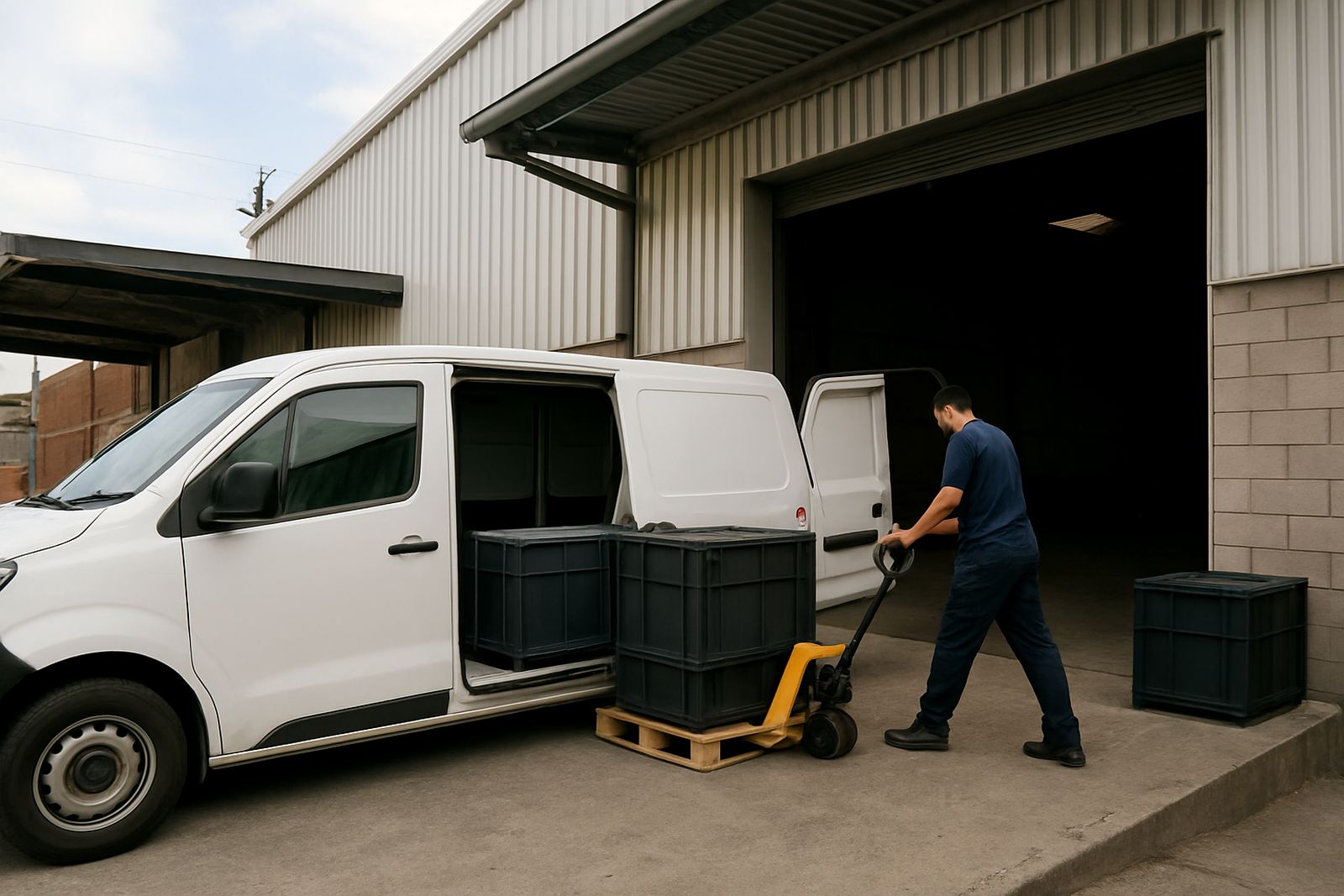
Our collection and delivery service is arranged for items that need inspection, regrinding, cleaning, setup, calibration or repair support at our base in Struandale, Gqeberha. We collect from workshops, factories and stores in areas such as Markman, Coega, Kariega, Despatch and the Port Elizabeth CBD, then return the item once the job is complete and checked.
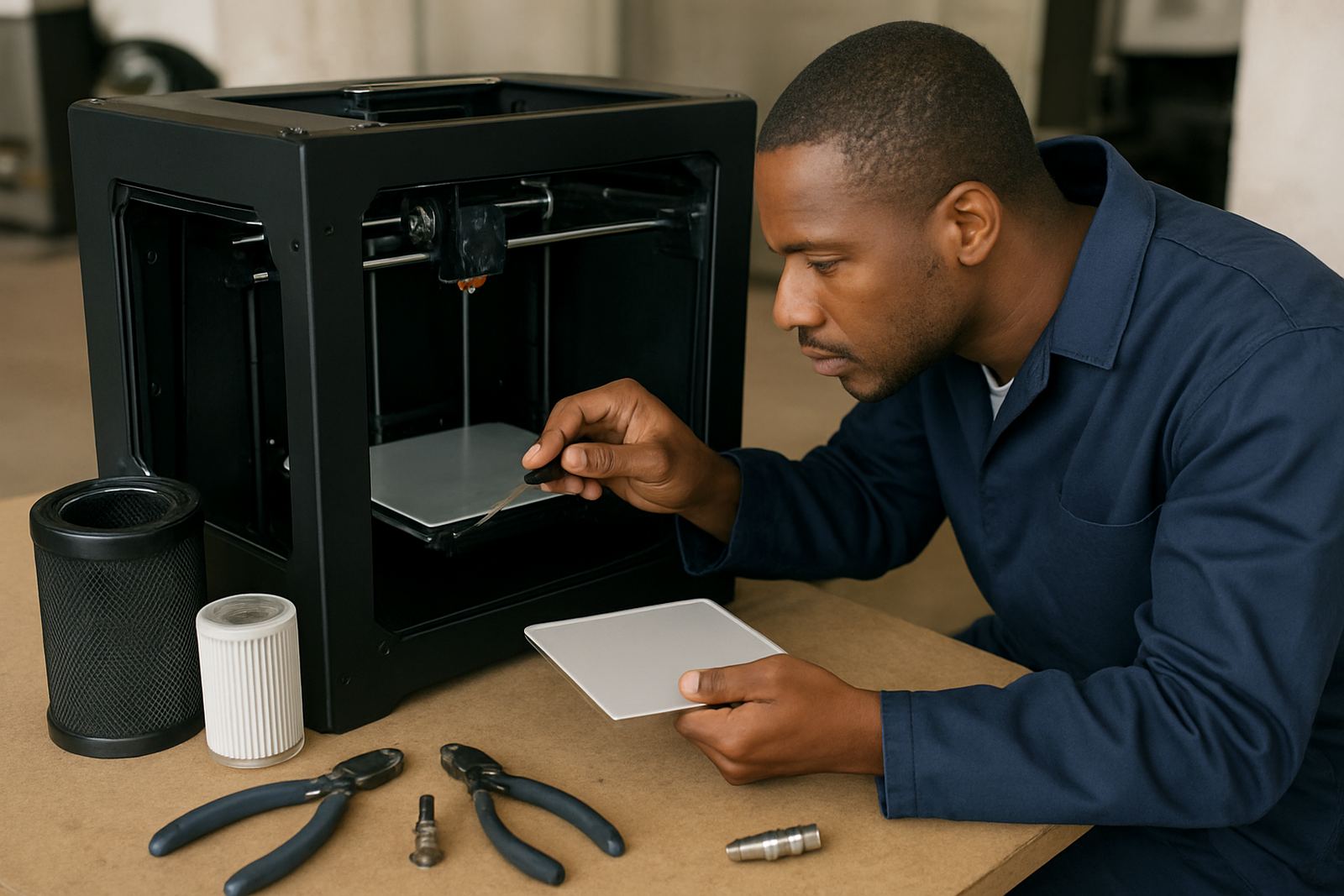
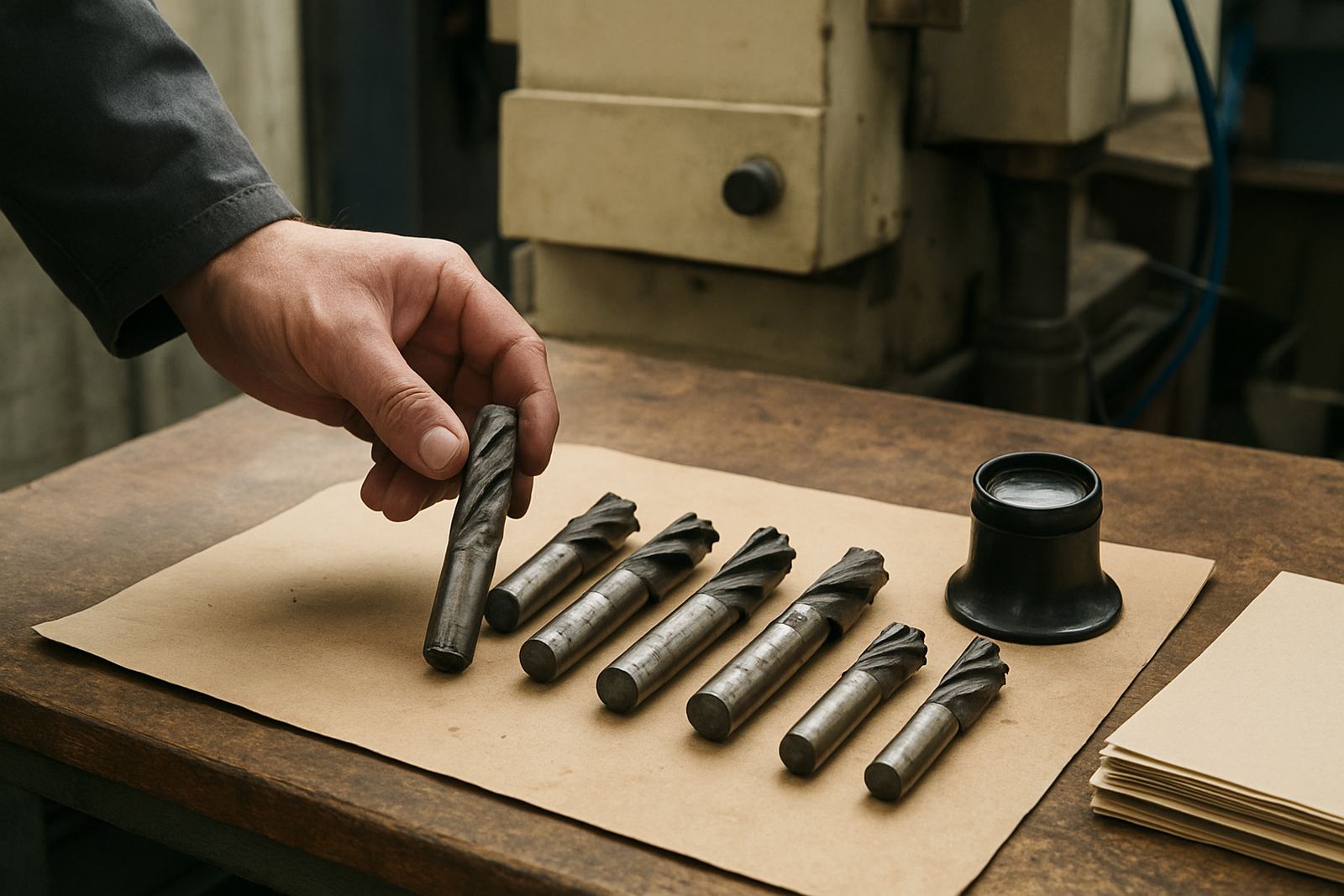
This service is used for tool holders, collets, chucks, vises, gauges, scanner components, printer parts and other service items that need careful handling. We do not treat every load the same. A light holder package is handled differently from a boxed scanner accessory set or a heavy workholding assembly, because the protection, route and timing requirements are not the same.
- Scheduled pick-up and return runs
- Careful packaging advice before collection
- Job tagging so items stay matched to the right order
- Route planning for Gqeberha and surrounding industrial areas
How the process works from booking to return
The process starts with a call or email through our contact form. We confirm what needs to move, where it is located, and whether there are any access rules such as security gates, fork truck loading bays or site induction requirements. If the item is sensitive, we will advise on wrapping, boxing or palletising before collection. That saves time and helps prevent damage on the road.
Once collected, the item is checked in against the job card and sent to the relevant service area. If a tool holder needs runout checking before return, or a chuck jaw set needs machining before it goes back into service, that note stays with the item through the whole process. We keep communication practical and direct, because most shops want to know where the item is and when they can expect it back, not a long story.
- Enquiry and booking
- Site details and item list confirmed
- Collection, check-in and job card allocation
- Service work completed and verified
- Return arranged to the customer site
Handling standards for precision parts and equipment
Precision items need more than a lift and drop. Tooling uses handling methods suited to small high-value parts and larger assemblies alike. Collets, holders and presetting components are kept together in marked containers. Heavier workholding items are secured to prevent movement, and scanner or printer components are protected from dust, moisture and impact during transit. In coastal areas like Gqeberha, humidity is always part of the picture so we keep packaging and storage practical, not casual.
If an item has machined faces, alignment surfaces or electrical elements, we note that before movement. This helps us avoid knock damage, corrosion marks and mix-ups. For customers running on tight schedules, a small handling error can cost a shift, so the care taken during movement matters as much as the service itself. It is basic discipline, but it makes a real difference.
- Marking and separation of individual service items
- Protection from dust, salt air and handling marks
- Secure transport for delicate and heavy items
- Checks against the job card on collection and delivery
Turnaround times and service intervals that work in practice
Turnaround depends on the job type and the route, but the transport part is planned to support normal workshop cycles. For items collected in Gqeberha industrial areas, we aim to keep movement tight enough that the customer can plan production with confidence. If a service item is simple, such as holder cleaning or a basic inspection, it may move out and back within a short cycle. More involved work, such as chuck jaw machining or scanner calibration, needs more time for setup and verification.
For regular users, scheduled intervals are often the best fit. A weekly or twice-weekly collection can suit machine shops with repeat toolholder checks, while some customers prefer an ad hoc call-out only when enough items have built up to justify the run. That choice depends on volume, urgency and site access. It doesnt make sense to send a vehicle half-empty when the work could be grouped properly.
- Weekly or twice-weekly scheduled runs available
- Urgent collection considered for time-sensitive jobs
- Best suited to grouped service items and repeat maintenance
- Return timing aligned to completed service and verification
Pricing that matches route, load and urgency
Pricing is based on the collection point, delivery point, item size, handling time and how quickly the work must move. A standard run within Struandale, Markman or Coega will usually cost less than a longer route or a same-day request. Heavier or awkward items may need special packing, lift assistance or pallet space, which is reflected in the quote. The aim is simple: you pay for the work required, not for extras you do not need.
We prefer quoting after we know the number of items, the dimensions and the address details. That gives a fair result and avoids surprises later. For recurring customers, grouped collections can reduce the per-item cost because the route and handling time are shared across the run. For low-volume jobs, a single item may still be worthwhile if it is critical to production and needs fast movement.
Why local workshops use a managed logistics run
Machine shops and production teams in Gqeberha and beyond use this service because it saves labour time and keeps service items moving through the right process without sitting in a corner of the shop. Instead of trying to fit collections around a busy shift, the work is taken care of by a planned route. That helps reduce machine downtime, missed handovers and lost parts.
Our base in Struandale is set up for this kind of work, with service items received, recorded and passed on to the relevant team. If you need repeated movement for tooling checks, presetting work, scanner servicing or print equipment support, we can build a routine that suits the volume. For many customers the best value is not the cheapest trip, but the one that arrives when it should and brings the item back ready for use.
- Supports production planning and reduced downtime
- Useful for repeat tooling and inspection cycles
- Suitable for single urgent items or grouped workshop runs
- Clear handover between your site and our service base
Key facts
| Base | Struandale, Gqeberha |
|---|---|
| Service area | Nationwide, with regular runs in Gqeberha, Kariega, Despatch and nearby industrial zones |
| Typical items | Tool holders, collets, workholding, scanner parts, printer parts |
| Collection types | Scheduled, grouped, urgent by arrangement |
| Handling size range | Small precision parts to boxed or palletised assemblies |
| Contact | Our contact form |