
What holder cleaning covers
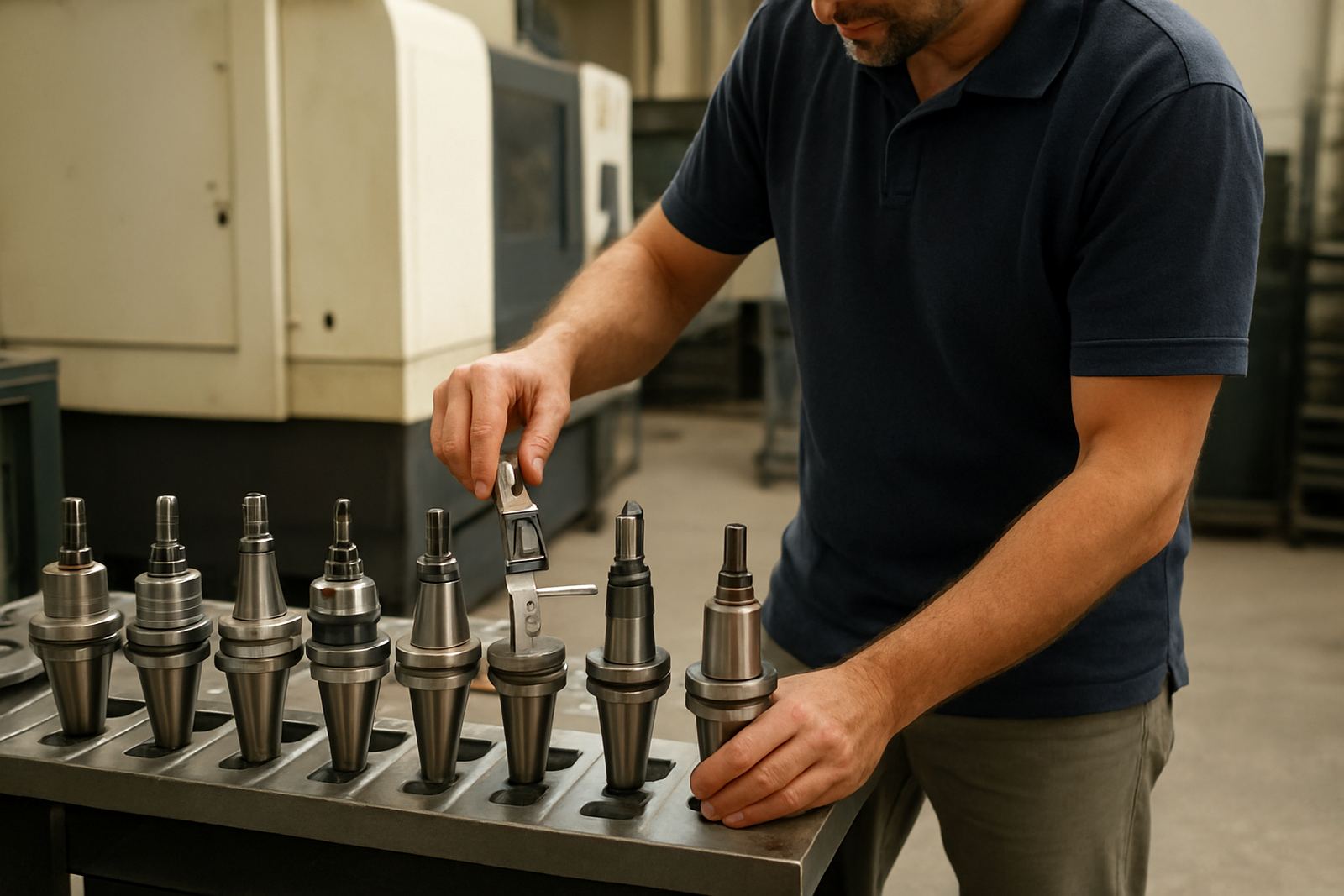
Holder cleaning is more than wiping off chips. We clean the contact surfaces that affect repeatability, then check the holder body, bore, threads and clamping faces for wear, scoring, corrosion and trapped contamination. That includes taper seats, wrench flats, pull stud areas and any interface that can affect tool holding accuracy.
The service suits collet holders, end mill holders, shrink-fit holders, drill chucks and other common CNC toolholding types used in local production. In coastal areas like Gqeberha, salt in the air can leave fine corrosion on exposed surfaces, so proper cleaning helps prevent gripping issues and sticking during changeovers.
- Removal of chips, coolant residue and old lubricant
- Inspection of bores, threads and contact faces
- Light de-burring where needed, within safe tolerance
- Condition report for reuse, repair or replacement
How we inspect the holder condition
Every holder is checked for visible damage first, then measured where needed. We look for runout related wear, thread stretch, galling, dents and clamping face distortion. If a holder has been dropped or run with contamination between the taper and spindle, small marks can turn into bigger errors pretty quickly.
For customers running tight tolerances, we can add related checks so the holder is assessed as part of the full setup, not as a stand alone item. That is useful for repeat jobs, toolroom work and production lines where a few microns can mean the difference between acceptable parts and scrap.
- Visual inspection under controlled lighting
- Measurement of wear points and functional contact areas
- Thread and bore condition assessment
- Advice on whether the holder should return to service
Step by step cleaning process
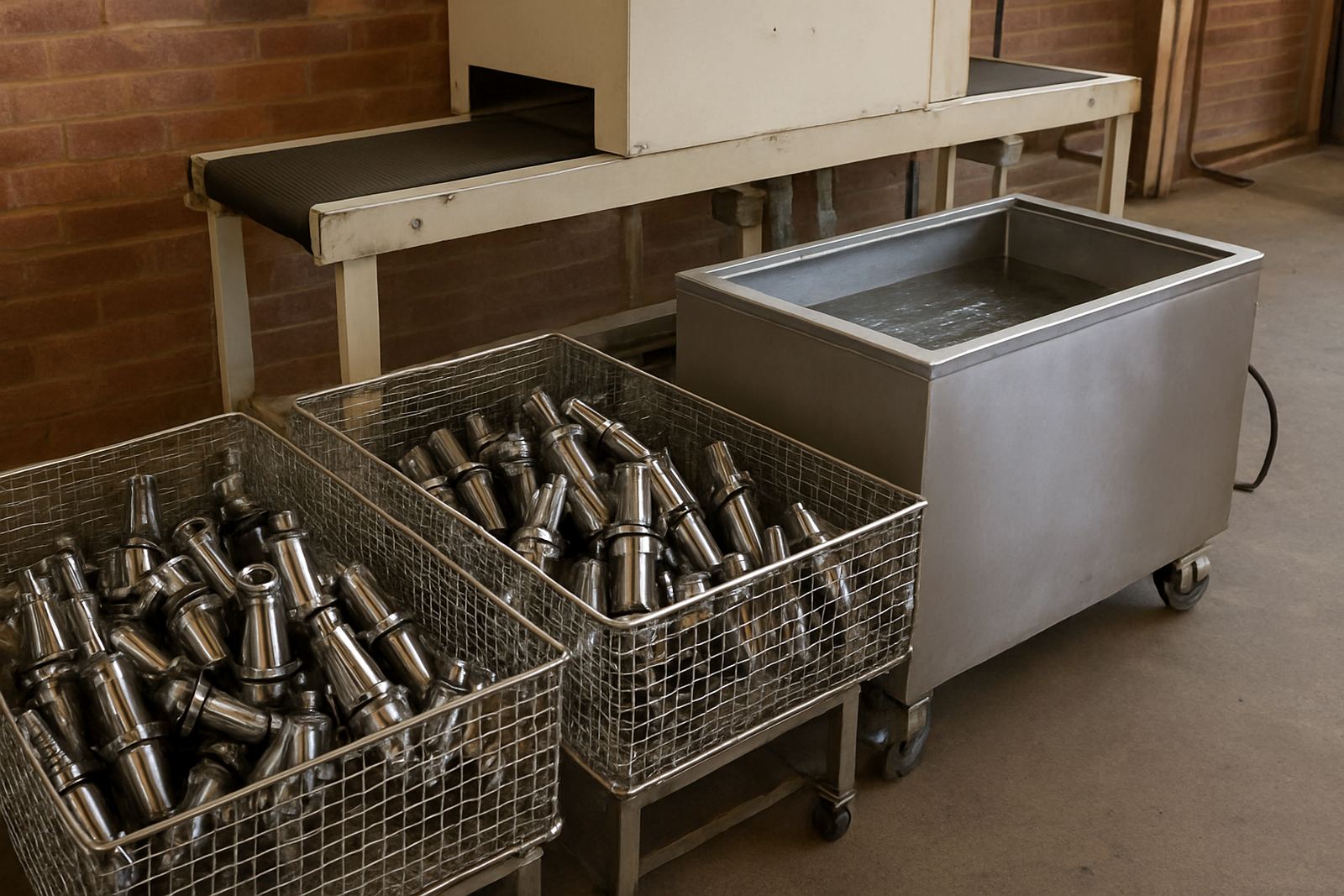
We start by logging the holder type and condition so it can be tracked through the process. After that, surfaces are cleaned with the correct method for the material and finish, then dried and checked again. If contamination is stubborn, we use a staged process rather than forcing it off and risking damage.
Once clean, the holder is rechecked for fit, surface finish and any signs of pitting or fret marks. If a holder needs further attention, we flag it before it goes back into circulation. That way the shop can make a clear call on use, repair or replacement.
- Receive and identify each holder
- Clean internal and external contact areas
- Dry, inspect and record findings
- Return with clear notes and next step advice
Turnaround for busy production shops
Turnaround depends on volume, condition and the level of inspection requested. Small batches can often be handled quickly for local customers in Struandale, Markman, Coega, Despatch, Kariega and the Port Elizabeth CBD, while larger batches are scheduled so production does not get caught out.
For machine shops working around load-shedding, planned maintenance windows and shift changes, we can align collection and delivery with the shop schedule. That helps keep holders moving without disrupting jobs on the machine floor.
- Small batches, often same week subject to condition
- Higher volumes scheduled to suit shutdowns or production gaps
- Collection and delivery available by arrangement
- Urgent work assessed on request
Pricing based on condition and volume
Pricing is based on the number of holders, the amount of contamination, the inspection detail required and whether any corrective work is needed. Clean holders with light residue are quicker to process than holders with corrosion, heavy built up coolant or damaged contact faces.
For regular customers, it often makes sense to bundle holder cleaning with tool inspection or runout checks so the shop gets a clearer picture of machine readiness. We keep the pricing approach practical and transparent, with no guesswork once the scope is known.
- Quoted on batch size and holder condition
- Higher volumes can improve cost per item
- Corrective work quoted separately if required
- Combined service packages available for regular maintenance
Maintenance intervals that make sense
Cleaning intervals depend on material type, coolant quality, cutting intensity and exposure to dust or coastal air. Shops running aluminium, cast iron or abrasive materials usually need more frequent checks than light duty operations. If holders are stored in open cabinets or moved between humid and air conditioned areas, contamination can build up faster than expected.
A practical starting point is to clean holders during every planned service cycle, then inspect more often on high volume machines. If a shop notices repeat tool pullout, poor finish or inconsistent size, holder cleaning should be part of the first investigation rather than an afterthought.
- After heavy production runs or coolant spill events
- During monthly or quarterly maintenance cycles
- Before repeat precision work and first article setups
- Any time the holder shows visible corrosion or drag marks
Key facts
| Cleaning scope | Bores, threads, clamping faces, taper seats and external contact areas |
|---|---|
| Holder types | Collet holders, end mill holders, drill chucks, shrink-fit holders and similar interfaces |
| Inspection detail | Visual check, fit check and wear assessment with notes |
| Typical turnaround | Same week for small batches, subject to condition and workload |
| Service area | Struandale, Markman, Coega, Despatch, Kariega and Port Elizabeth CBD |
| Support options | Collection and delivery by arrangement, with batch scheduling for production shops |